Newsletters


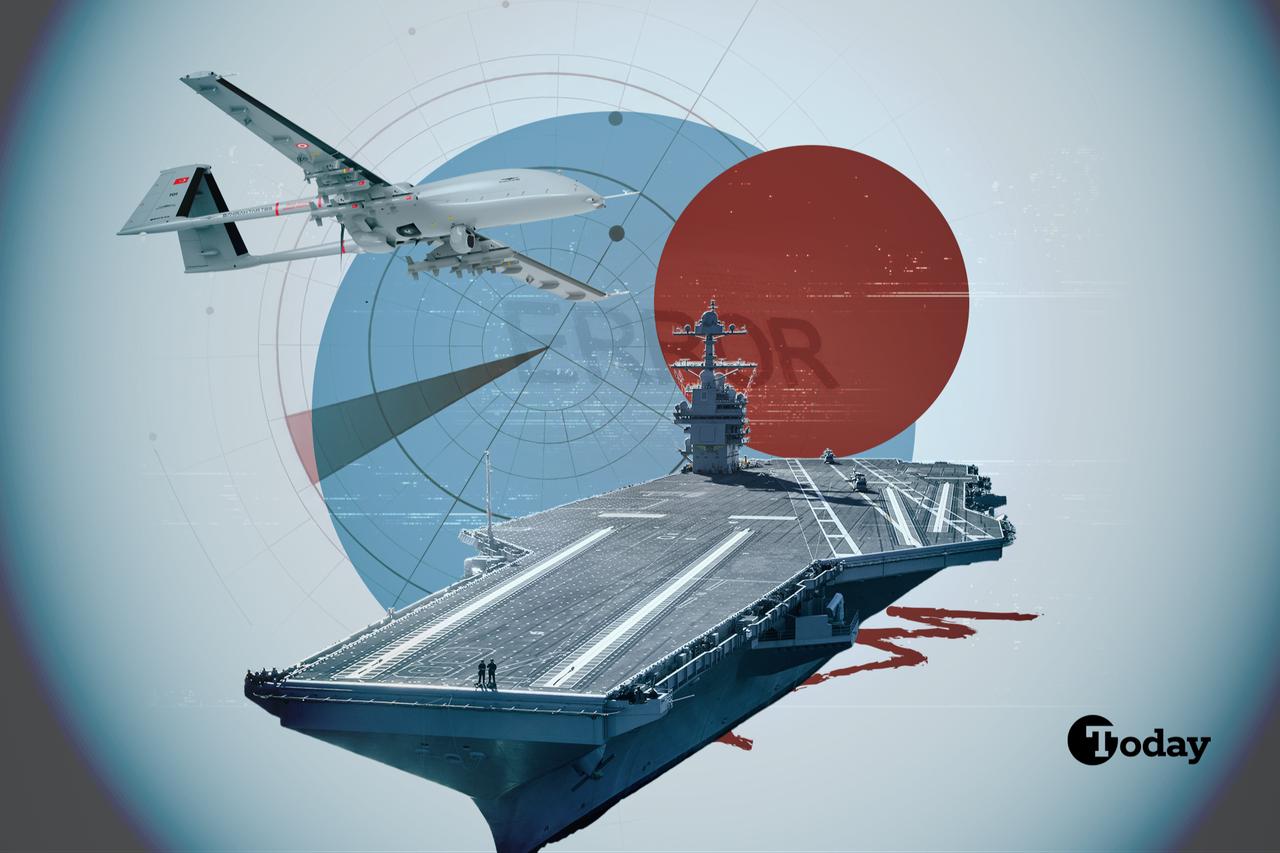


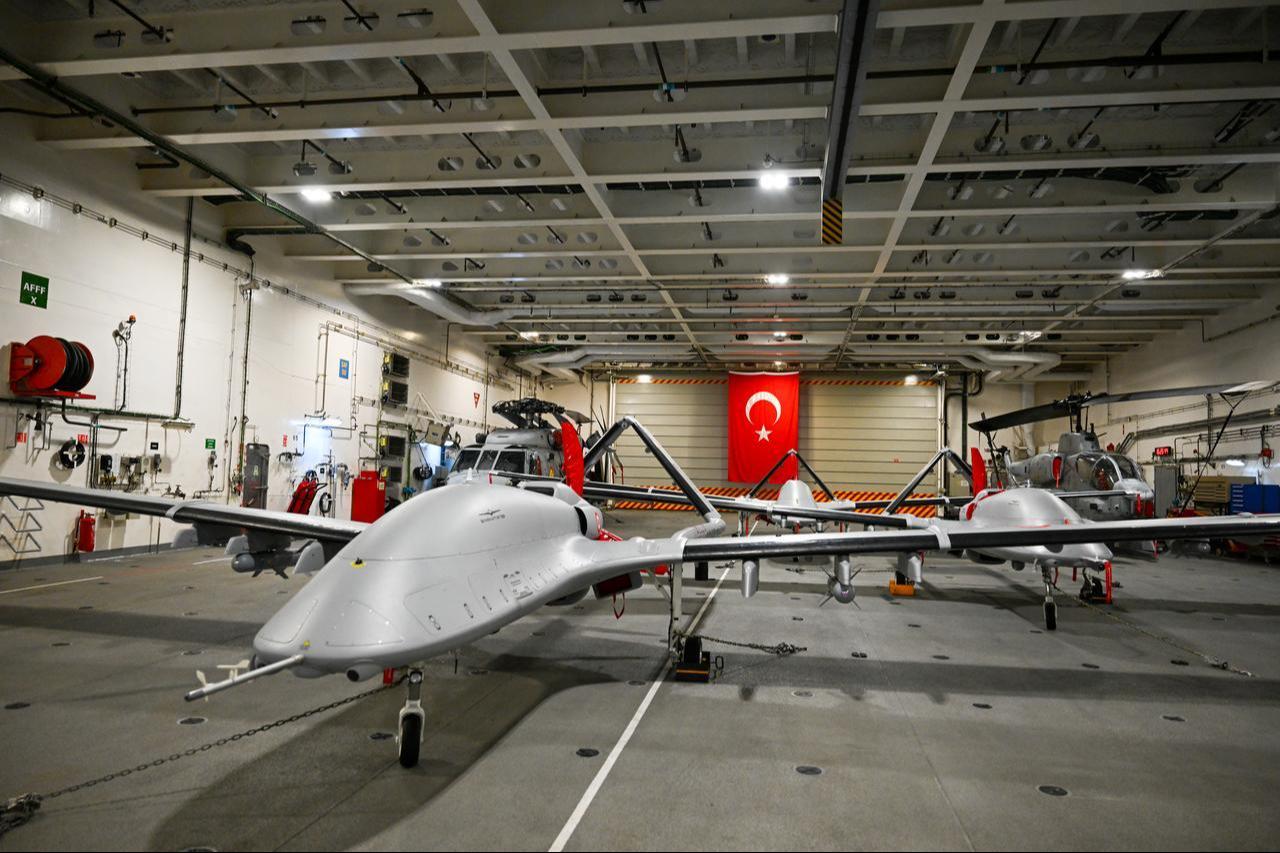
On March 25, Chief of the Italian Navy Vice Admiral Berutti Bergotto announced that the navy intends to procure Baykar’s Bayraktar TB3 for operations aboard the aircraft carrier Cavour.
Bergotto said Baykar has signed a cooperation agreement with Leonardo, meaning the acquisition will be carried out through the Italian firm. He added that the system can be integrated aboard Cavour, enabling both surveillance and armed operations.
The joint venture referenced by the admiral, LBA Systems, was established following the memorandum of understanding (MoU) signed between Leonardo and Baykar in March 2025.
The venture maintains an industrial footprint across four locations in Italy, namely Torino, Ronchi dei Legionari, Roma Tiburtina, and Grottaglie, as well as Baykar’s primary facilities in İstanbul.
Italy’s decision to pursue the TB3 constitutes a significant milestone for Türkiye’s defense and aerospace industry, particularly in the domain of export performance, where Baykar’s platforms, most notably the Bayraktar TB2 and Bayraktar Akinci, have already secured a dominant position. Looking ahead, the TB3 appears well-positioned for potential adoption by other carrier-operating navies, including those of the United Kingdom and Japan, particularly in light of Baykar’s recent engagements with both countries.
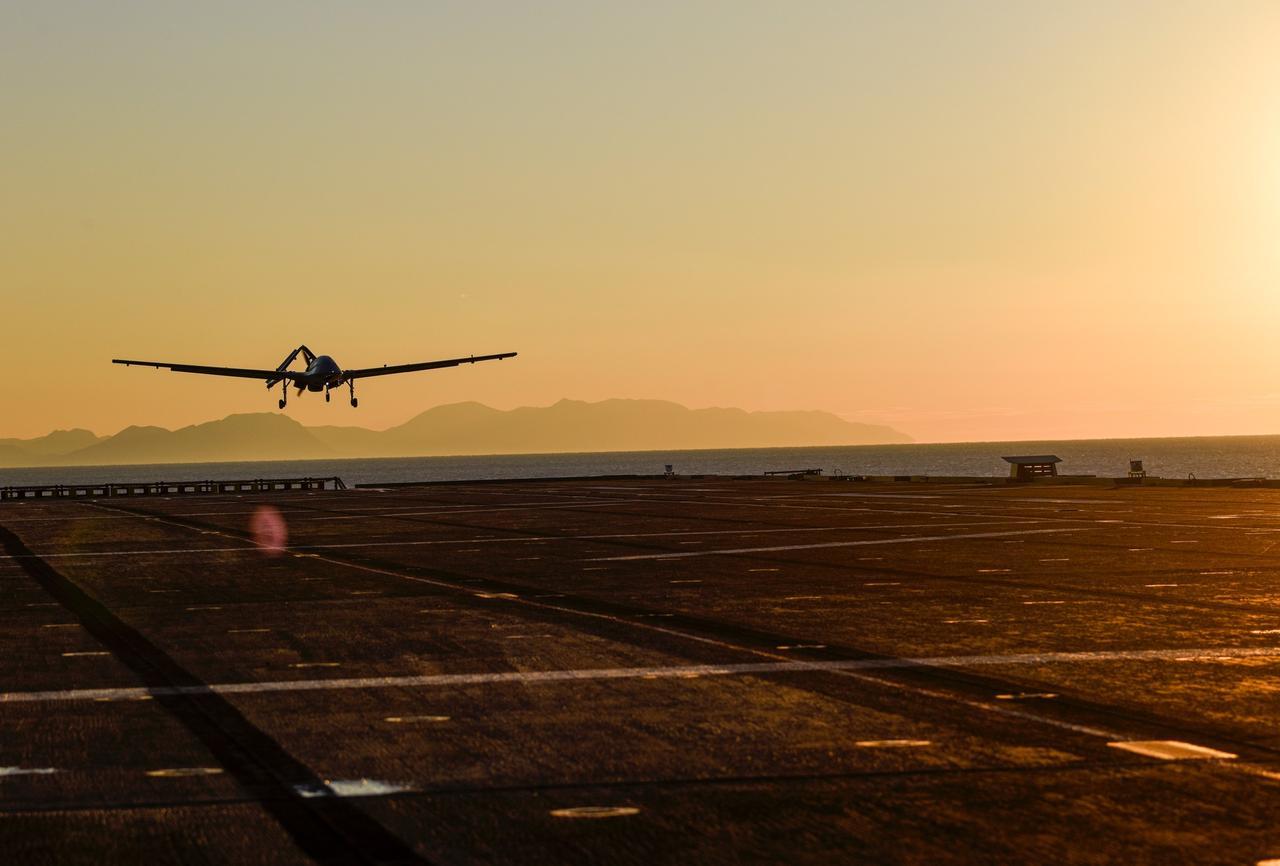
The Bayraktar TB3 represents a significant milestone in the evolution of medium-altitude long-endurance (MALE) unmanned aerial systems, particularly in the context of naval and power projection operations. Developed by Baykar as a derivative of the combat-proven Bayraktar TB2, the TB3 introduces critical design improvements tailored for short-deck aircraft carriers, most notably the incorporation of folding wings, reinforced landing gear, and advanced avionics optimized for autonomous take-off and landing on vessels such as the TCG Anadolu.
Technically, the platform is expected to retain the 24- hour endurance and operational flexibility characteristic of the TB2 lineage, while integrating enhanced payload capacity of 280kg, satellite communication (SATCOM) capability for beyond-line-of-sight (BLOS) operations, and compatibility with a broader suite of precision-guided munitions, thereby extending its operational reach into contested maritime environments.

But the Italian decision is also noteworthy because it was announced around the same time that another aircraft carrier was under the spotlight.
The USS Gerald R. Ford, a nuclear-powered aircraft carrier of the United States Navy, sustained a significant onboard fire on March 12 while deployed in support of strike operations against Iran under Operation Epic Fury from the Red Sea.
The approximately 100,000-ton warship was subsequently docked in Crete for repairs. According to open-source reporting, the incident involved a major fire in the ship’s laundry compartment, compounded by additional technical issues, including malfunctioning sewage systems and critical failures in the weapons elevator infrastructure.
A recent assessment by the Pentagon further underscored concerns, noting that insufficient data exists to conclusively verify the platform’s ability to operate effectively under realistic combat conditions, particularly with respect to its advanced radar architecture and electromagnetic aircraft launch systems.
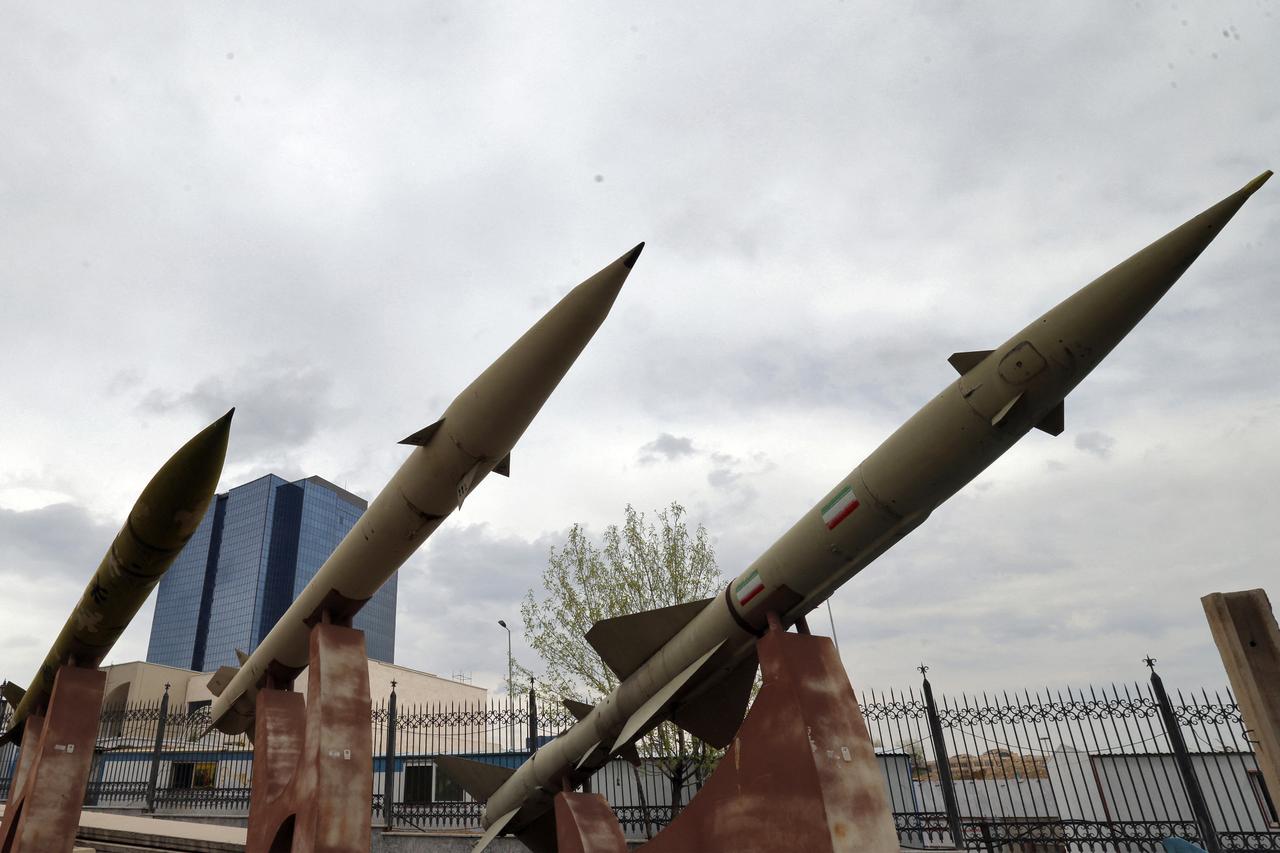
Together with the USS Abraham Lincoln, currently deployed in the Arabian Sea, the USS Gerald R. Ford has formed a central role in U.S. operations in the region. Both carriers have been repeatedly identified by Iranian officials and media outlets as potential targets for anti-ship ballistic missile (ASBM) strikes.
Iran has, over the past decade, invested heavily in the development of such ballistic missile systems equipped with terminal seeker technologies designed to detect, track, and engage large surface vessels, such as aircraft carriers. Among the most prominent systems publicly disclosed or tested are the Khalij Fars, Hormuz-1 and Hormuz-2, and Zolfaqar Basir missiles, each having varying engagement ranges and guidance characteristics.
Italy's endorsement of Türkiye's concept and solution for ship-based armed fixed-wing UAV and concurrent debates on aircraft survivability reflect the transformation in modern naval warfare.
The survivability of large aircraft carriers, long considered the principal assets of sea-based power projection, is increasingly being called into question.
The proliferation of anti-ship ballistic missiles (ASBMs), supersonic and hypersonic guided weapon systems, long-range precision strike systems, and increasingly capable reconnaissance-strike complexes has fundamentally altered the risk calculus.
Platforms such as the USS Gerald R. Ford, while unmatched in terms of sortie generation and sustained airpower projection, also represent highly concentrated, high-value targets whose loss or degradation would carry disproportionate operational and political consequences.
 2 min read

In this context, the composition of the carrier air wing itself is undergoing a parallel evolution. Traditionally dominated by crewed fixed-wing aircraft, modern carrier aviation is increasingly incorporating unmanned systems, ranging from armed MALE UAVs to more advanced unmanned combat aerial vehicles (UCAVs).
Platforms such as the Bayraktar TB3 exemplify this shift, offering persistence, lower cost, reduced risk to personnel, and the ability to operate in more contested environments with a smaller logistical footprint. While these systems do not yet fully replicate the performance envelope of high-end fighter aircraft, they provide a complementary capability set that enhances surveillance, targeting, and precision strike functions, particularly in grey-zone and medium-intensity conflict scenarios.
The introduction of much more sophisticated jet-powered combat drones, such as Kizilelma, will most likely further shift the balance in favor of drones.
More fundamentally, these developments reflect an ongoing transformation in the logic of sea power projection itself. For decades, effective carrier-based airpower remained the preserve of a small group of major naval powers, given the immense financial, technological, and doctrinal barriers to operating large-deck carriers and their air wings.
Today, however, the convergence of smaller carrier platforms, such as amphibious assault ships and light carriers, with increasingly capable unmanned air systems is lowering this threshold. This is enabling a broader set of medium powers to field credible, if more limited, forms of sea-based airpower.
The emerging model is not one of direct competition with supercarrier-centric doctrines, but rather one of asymmetrical adaptation. Affordable, smaller carriers equipped with UAVs and UCAVs offer a different value proposition: Distributed, resilient, and scalable airpower that can be tailored to specific operational requirements without incurring the immense costs and vulnerabilities associated with traditional carrier strike groups.
In this sense, platforms like the TB3 and the concepts of operation they enable are not merely incremental innovations, but indicative of a structural shift in naval warfare. As access to such capabilities expands, medium powers are increasingly able to project influence beyond their immediate littoral zones, redefining both the geography and the hierarchy of maritime power in the 21st century.


 Set as preferred source
 Set as preferred source



 1 min read