Newsletters




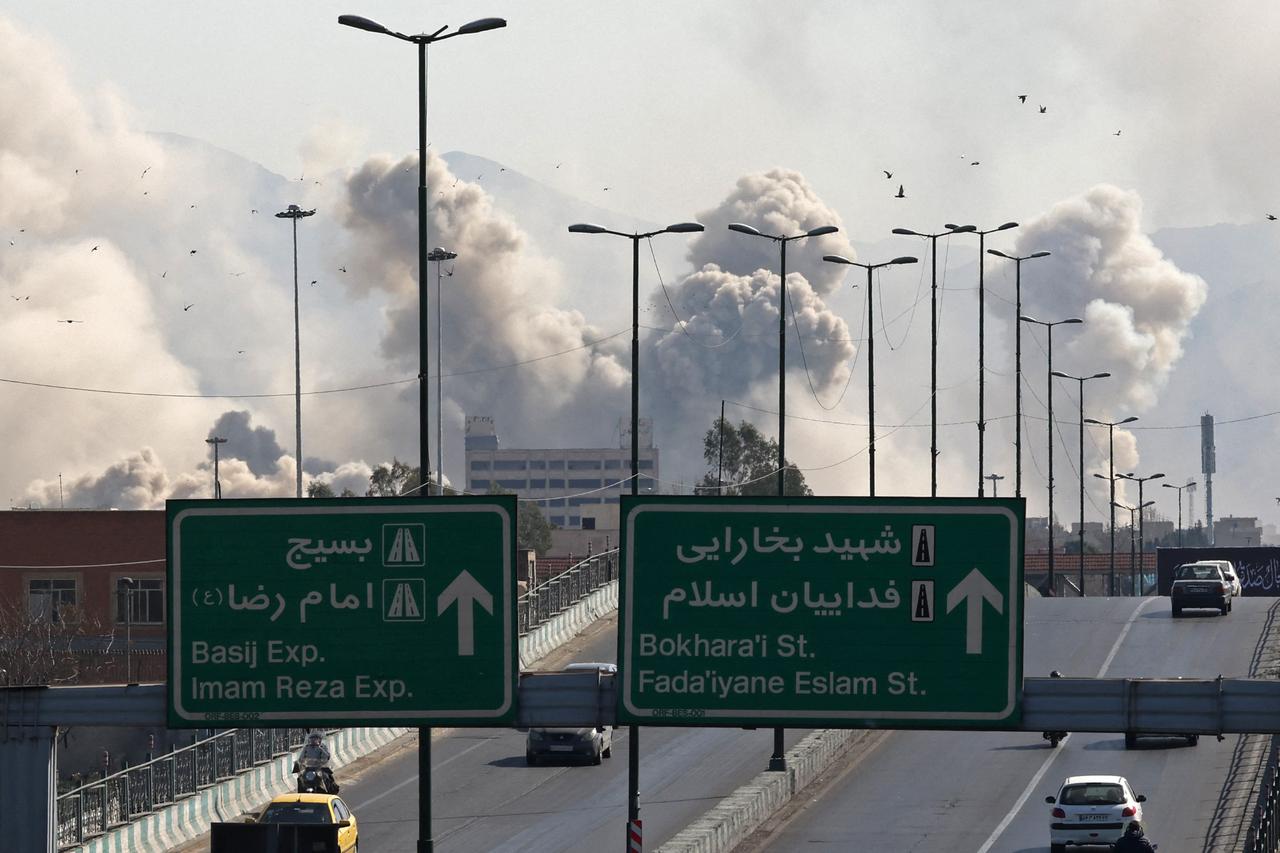
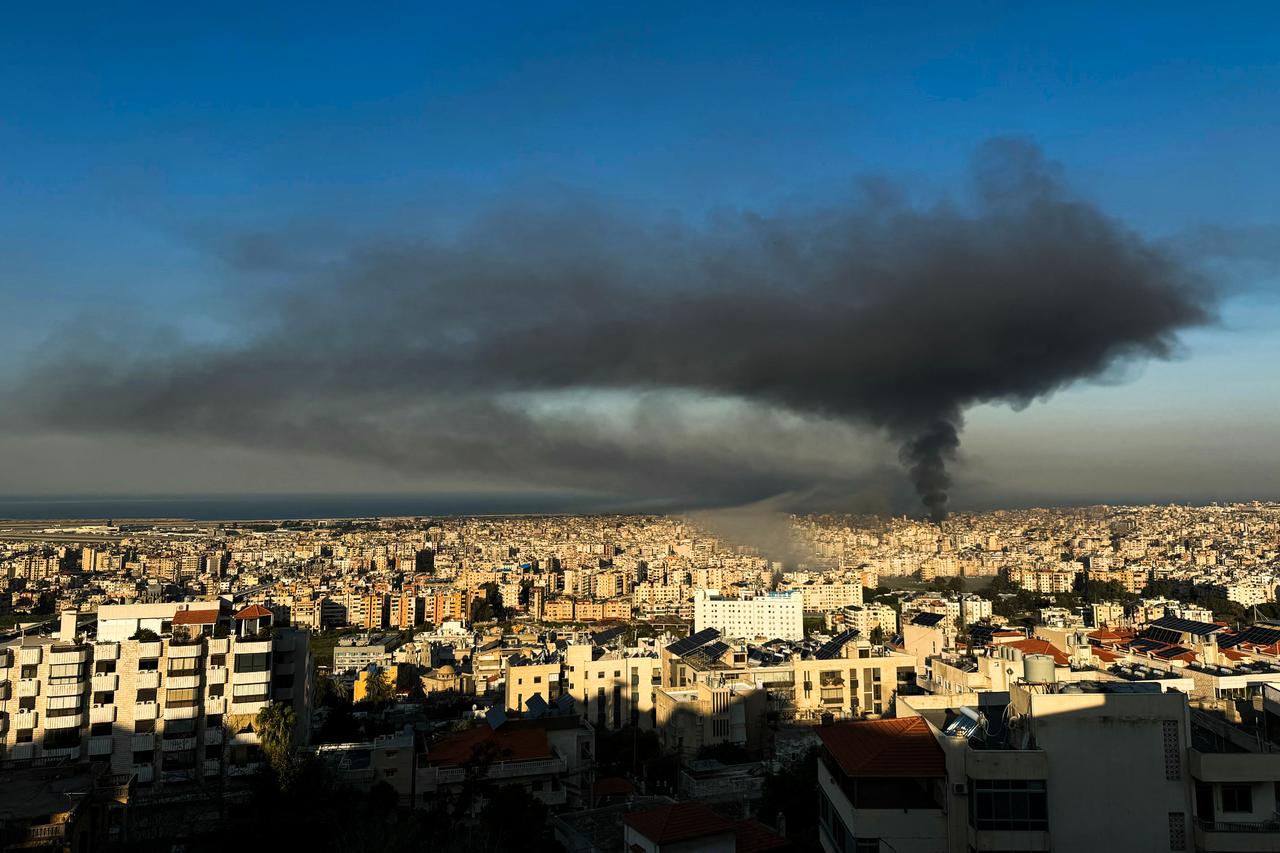
At a moment when wars and geopolitical tensions are reshaping the global order, the Balkans can ill afford institutional paralysis. Yet that is precisely where Kosovo now finds itself. Europe is grappling with the consequences of Russia’s war in Ukraine, while the latest conflict between the U.S. and Israel, and Iran threatens to pull major powers deeper into confrontation across the Middle East. In such a climate, the stability of Southeastern Europe matters far beyond the Balkans themselves.
Kosovo, one of Europe’s youngest states and still navigating a fragile geopolitical environment, cannot afford to drift into a constitutional vacuum. And this is exactly what is happening.
Pristina’s leadership now faces a clear test. Resolve the impasse quickly, restore institutional functioning and reassure allies that Kosovo remains a reliable democratic partner in an increasingly unstable world. And while governments across the region are scrambling to bring home citizens stranded across the Gulf as tensions rise, Kosovo now faces an additional worry at home. At precisely the moment when regional stability is most needed, its political institutions are locked in uncertainty.
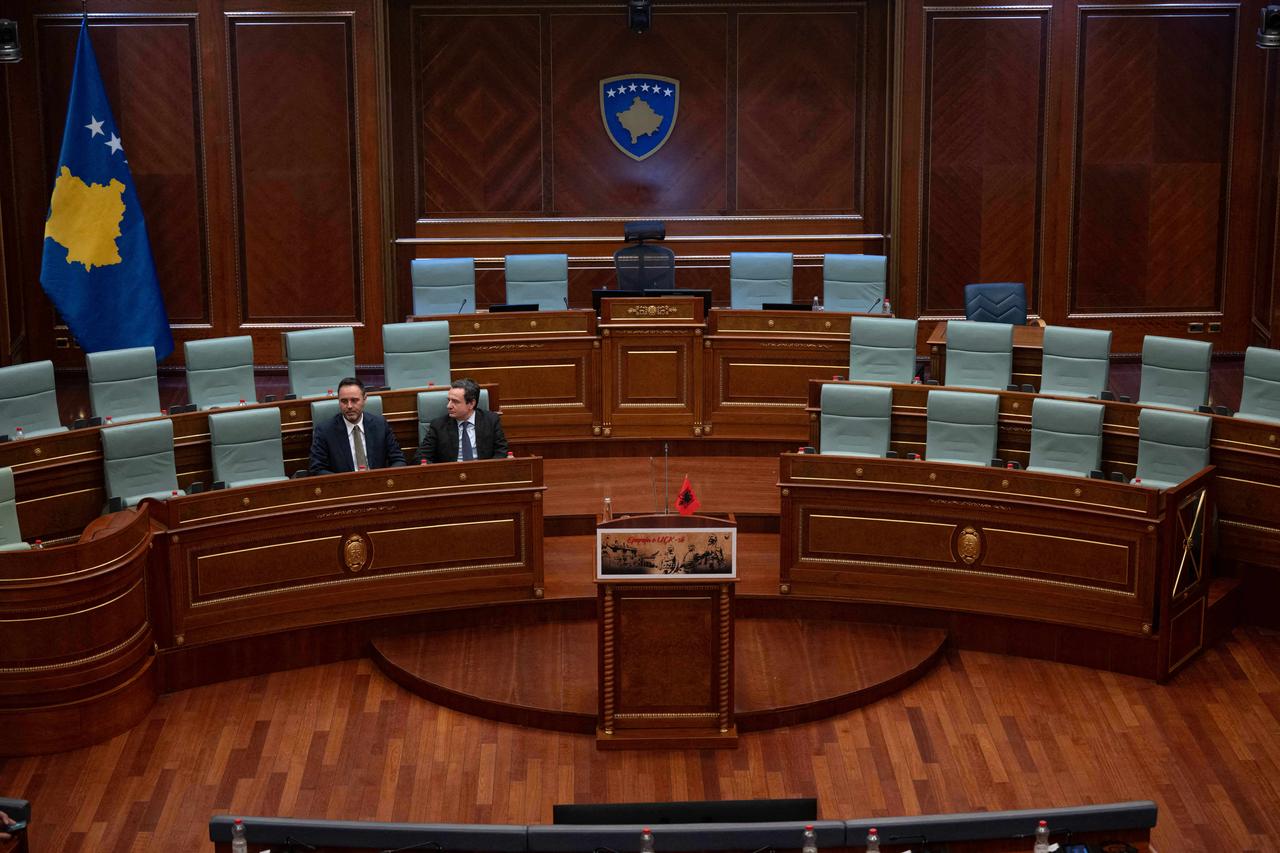

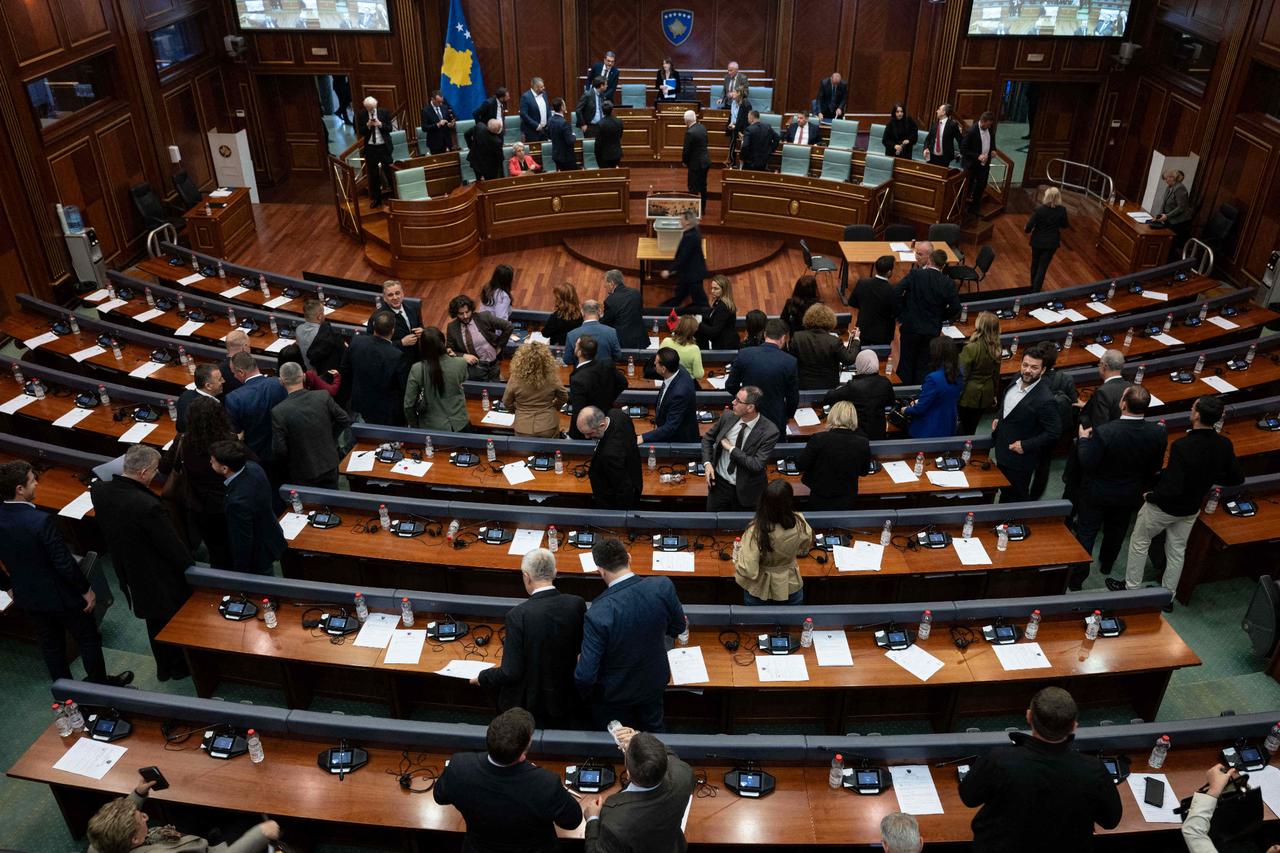
The immediate trigger came when Kosovo’s Assembly failed to elect a new president. Under the constitution, the head of state is chosen by parliament rather than through a direct popular vote. The process requires a two-thirds majority of MPs in the first two rounds and a simple majority in the third. But crucially, a quorum must be present for any vote to take place.
In the latest attempt, opposition MPs boycotted the session, preventing the assembly from reaching the required quorum and effectively blocking the vote. The boycott reflected deeper political tensions. Opposition parties argued the governing majority had failed to consult broadly on a presidential candidate and accused the government of attempting to push through a political choice without consensus. Some opposition leaders also calculated that denying a quorum would increase pressure on the government and force negotiations.
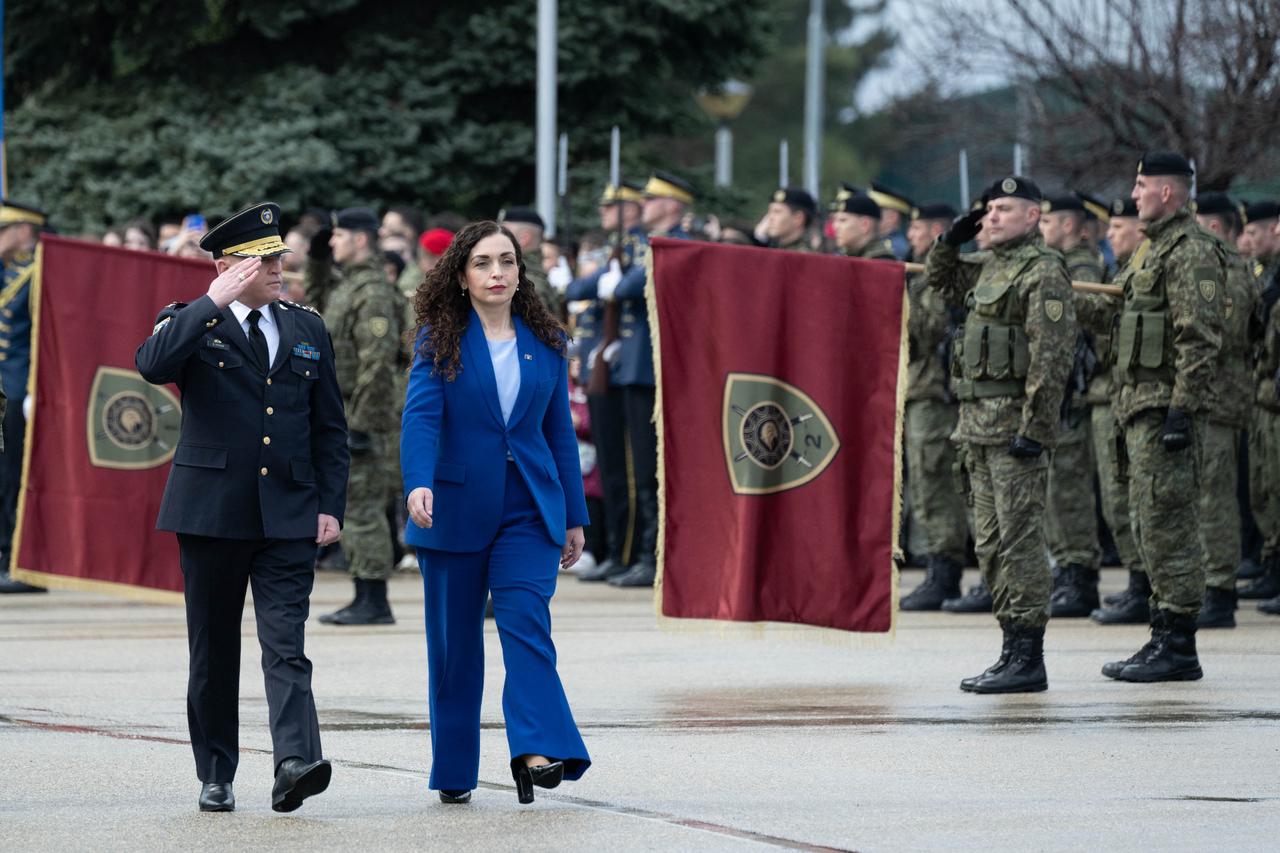
With the process stalled, President Vjosa Osmani took the dramatic step of dissolving parliament and calling snap elections. Her decision immediately sparked controversy. Critics argue that the constitution allows up to 60 days to complete the presidential election process and that dissolving parliament before exhausting all voting rounds was premature. Supporters counter that repeated boycotts meant the process was politically blocked and that new elections were the only way to break the deadlock.
The standoff reflects broader political shifts inside Kosovo’s leadership. Osmani was once closely aligned with Prime Minister Albin Kurti and his reformist Vetevendosje movement. Their alliance reshaped Kosovo politics in 2021, when Kurti’s party won a decisive election and Osmani was elected president with its backing.
But their paths have gradually diverged. As president, Osmani has increasingly positioned herself as an independent institutional figure above party politics. Kurti, meanwhile, remains the dominant political force inside the governing party and one of Kosovo’s most powerful political actors.
Their political styles also differ. Osmani has cultivated strong ties with Western capitals and consistently frames Kosovo’s future within the Euro-Atlantic alliance. She has strongly supported U.S. positions internationally, including backing American strikes on Iranian targets, presenting Kosovo as a loyal Western partner in a turbulent geopolitical environment.
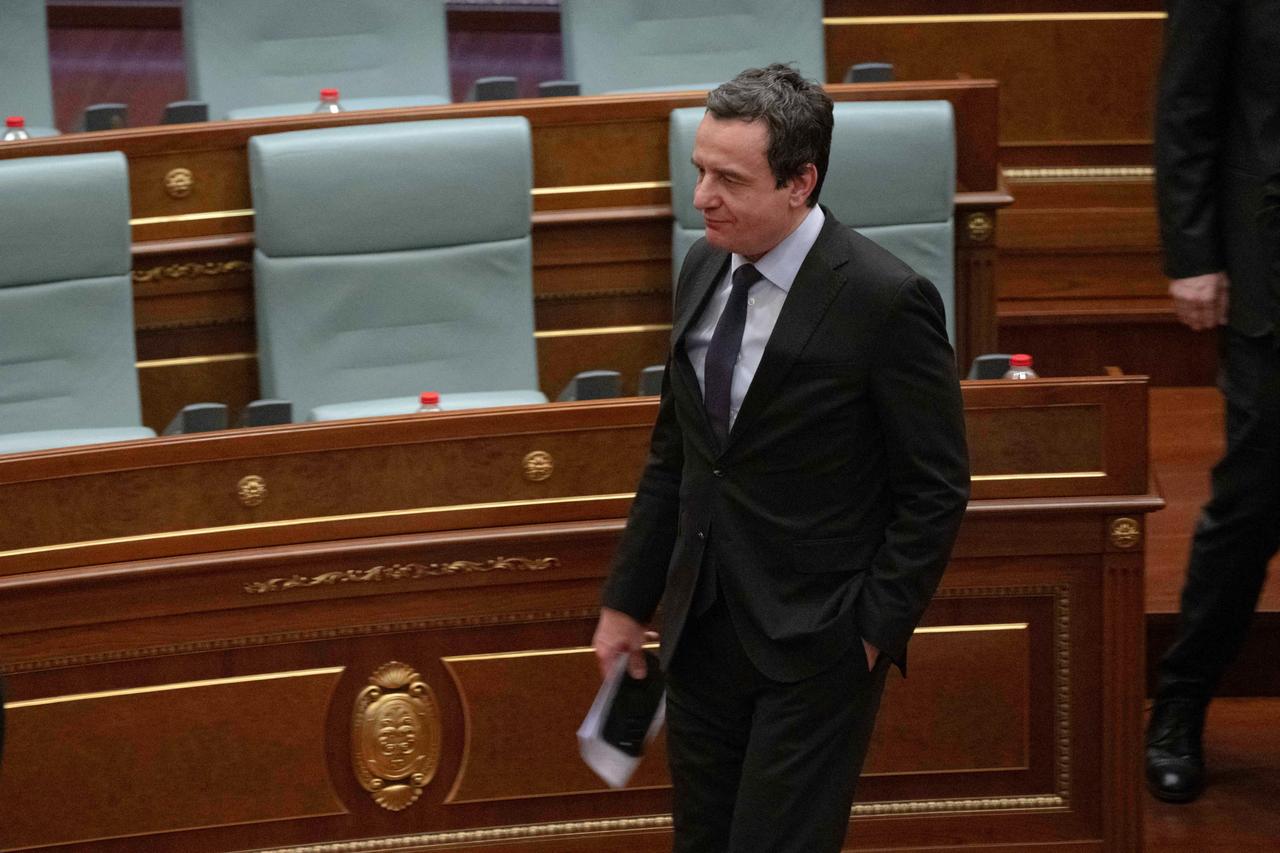
Kurti, by contrast, built his political identity as a hardliner, particularly on relations with Serbia. His confrontational approach during tensions in northern Kosovo has at times strained relations with Washington and Brussels. Yet despite those frictions, Kurti remains one of the most popular politicians in Kosovo. His electoral victory and the formation of his government reflected a strong domestic mandate, even as relations with Western partners occasionally grew rocky.
The broader political context also matters. Kosovo’s political system has been reshaped since the resignation of former president Hashim Thaçi following his indictment by the Kosovo Specialist Chambers in The Hague. Thaci had been one of the central figures of Kosovo’s political establishment for two decades. His departure disrupted the old political balance dominated by former Kosovo Liberation Army figures and opened the door for new leadership forces such as Kurti’s movement. But it also left a more fragmented political landscape where building consensus around institutions such as the presidency has become more difficult.
The current dispute has now taken a legal turn. Kurti’s camp is challenging Osmani’s decision to dissolve parliament, arguing that the constitutional process was cut short. The issue is now with Kosovo’s Constitutional Court.
Snap elections now present two main scenarios.
Kurti’s Vetevendosje movement could benefit politically from the confrontation. If voters blame the opposition for blocking the presidential vote, Kurti could emerge with a stronger mandate and potentially secure an outright parliamentary majority.
Alternatively, Osmani may succeed in convincing voters that dissolving parliament was a necessary move to break a dangerous institutional deadlock. In that case, she could emerge from the crisis as a decisive leader willing to act during uncertain times. Either outcome would reshape Kosovo’s political balance.
Who becomes Kosovo’s next president remains uncertain. Because the president is elected by parliament, any candidate must command cross-party support. One possibility is a compromise figure acceptable to both government and opposition. Another is a candidate closely aligned with the governing majority if one side secures enough seats after new elections. Kosovo has often turned to consensus candidates in moments of political stalemate. It may need to do so again.
For the Balkans, Kosovo’s political stability carries regional implications.
The country remains central to security dynamics in Southeastern Europe, particularly as tensions with Serbia continue and the EU-mediated dialogue struggles to produce lasting breakthroughs. Unlike in several other countries in the region where elections are often criticised as being marred by irregularities or political pressure, Kosovo has long presented itself as a democratic success story. European officials frequently cite the country as an example of competitive elections and peaceful transfers of power in the Balkans. Kosovo’s leaders themselves often stress that their democratic system functions without the flaws seen elsewhere in the region. The current crisis now puts that claim to the test.
At a time when Europe is confronting overlapping crises from Ukraine to the Middle East, prolonged institutional uncertainty in Kosovo risks adding another layer of instability to an already fragile region. The message from Kosovo’s allies is likely to be straightforward. Resolve the crisis, restore institutional stability and demonstrate that Kosovo’s democracy can withstand political pressure. Ultimately, the decision now rests with Kosovo’s voters. Their verdict will determine not only the country’s next political chapter but also how stable Southeastern Europe remains in an increasingly unsettled world.


 Set as preferred source
 Set as preferred source


 1 min read
 1 min read