Newsletters




This article was originally written for Türkiye Today’s bi-weekly Balkans newsletter, BalkanLine, in its March. 6 2026 issue. Please make sure you are subscribed to the newsletter by clicking here.
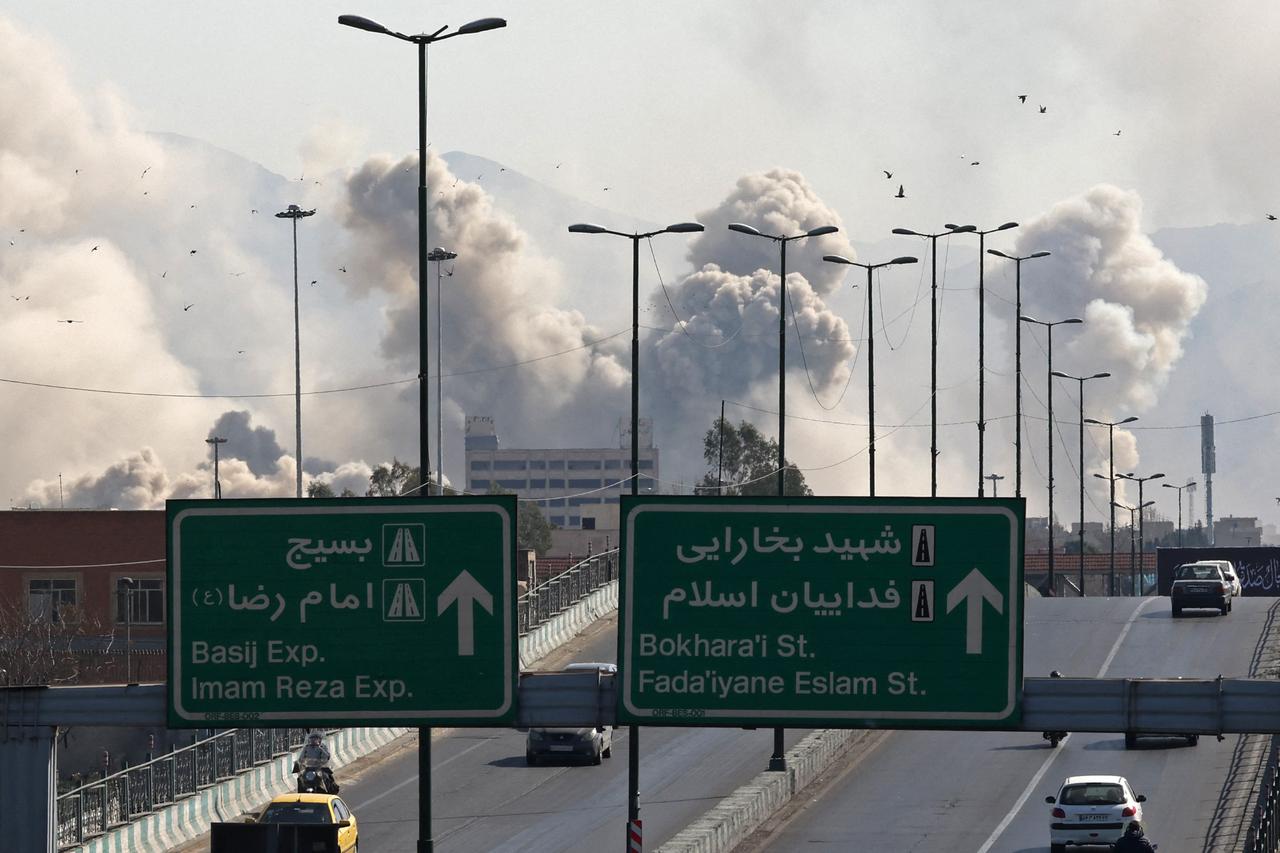
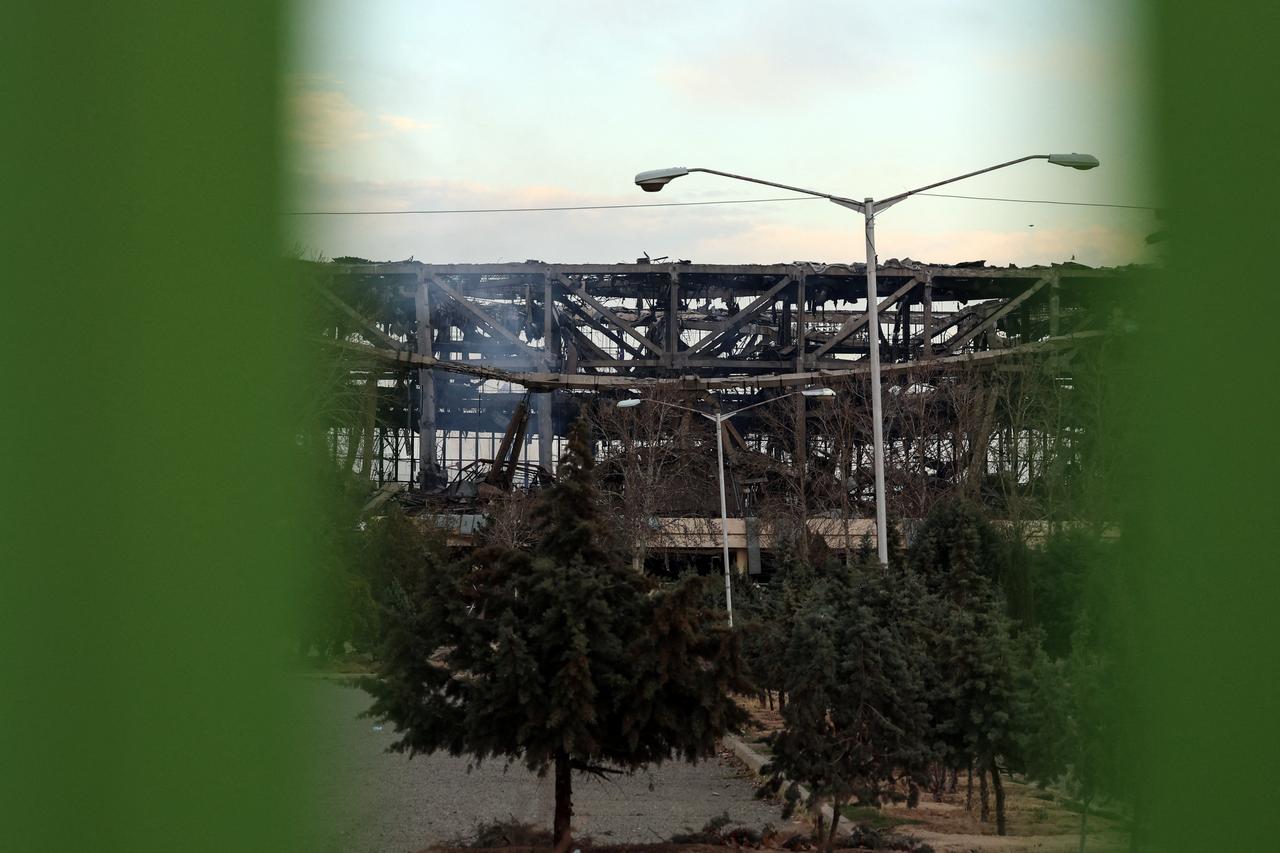
The massive escalation in the Middle East, with U.S. and Israeli strikes on Iran and Tehran’s missile retaliation, is hitting a nerve in the Balkans that goes beyond geopolitics.
As the conflict continues to unfold, the region has produced a range of responses. Serbia’s President Vucic warned that the confrontation had been “long prepared” and would not end quickly, adding that Serbia “must preserve peace while strengthening its defense.”
Slovenia called for immediate de-escalation, while Croatia noted that although the strikes avoided civilian targets, its missions remain on high alert.
North Macedonia, meanwhile, stressed that although diplomacy remains the preferred path, deterrence has now become a necessity.
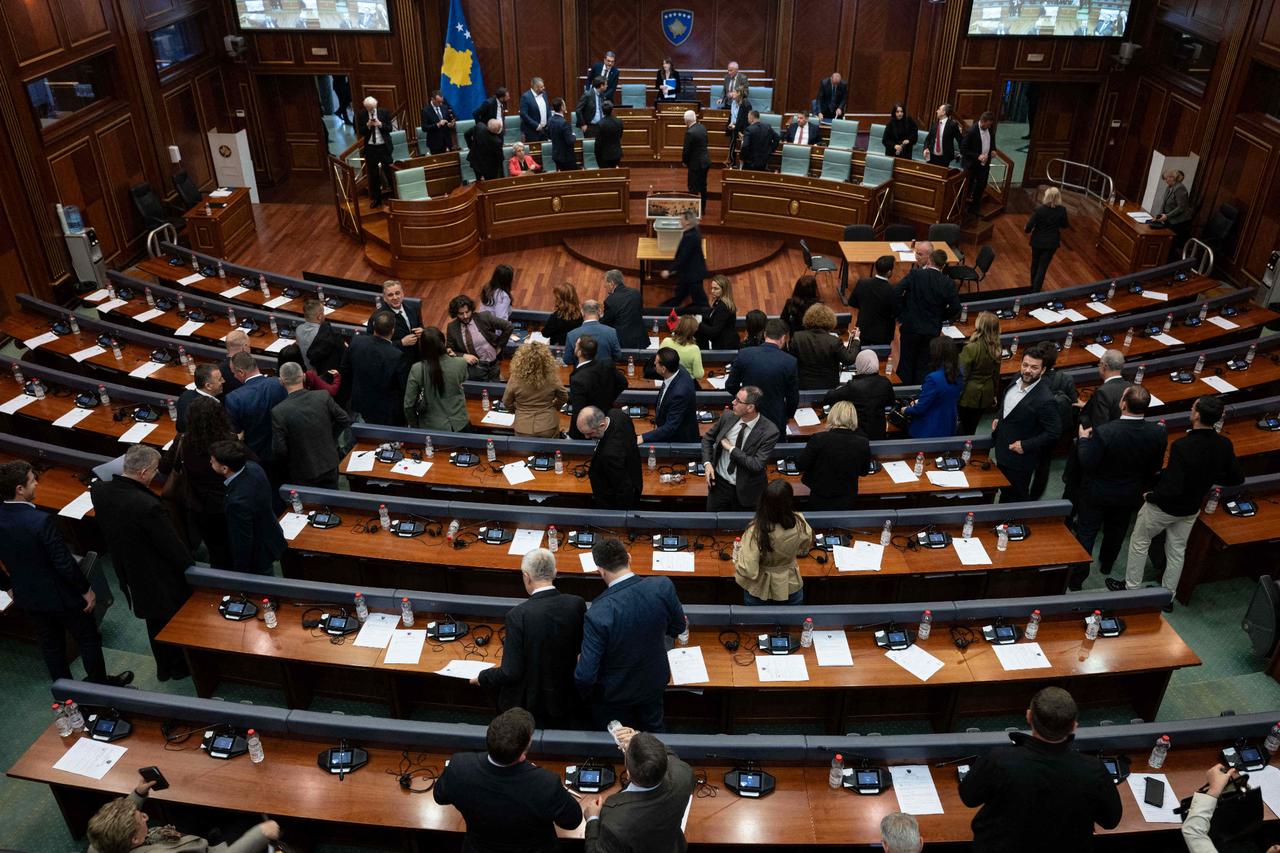
Kosovo signaled its unwavering support for Washington, with President Vjosa Osmani declaring that “the hour of freedom has come for the people of Iran.” Albania similarly called for the official designation of Iran’s Revolutionary Guard Corps as a terrorist organization, standing firmly with Israel and U.S. efforts to prevent Tehran’s military expansion.

During this period, however, one remark drew my particular attention, that of Milorad Dodik. Not the content of the statement, but the fact that he made it.
Despite being formally barred from office, the former Republika Srpska leader continues to operate as the entity’s de facto authority. “Republika Srpska will stand firmly alongside its friends and allies in Israel,” he wrote on X.
Even as Sinisa Karan holds the official title, Dodik’s continued state-like rhetoric and defiance of federal rulings highlight a troubling reality. He has effectively engineered a form of dual leadership that mocks the very judicial system that removed him. Perhaps Bosnia truly ended up with what he once described, “two Dodiks.”
Beyond political statements and diplomatic positioning, the escalation in the Middle East is revealing another reality in the Balkans.
The real risk for the region today is that global polarization may act as a catalyst for its own unresolved tensions. Because outside powers have so often shaped local destinies, a war thousands of kilometers away never truly feels distant.
This is a psychological reality we are seeing play out in real-time. According to our local sources in the region, a quiet but palpable trauma response is emerging. In parts of Bosnia in particular, people have begun stocking basic supplies, flour, oil and fuel, echoing the survival instincts shaped by wartime experience.
For a region that knows exactly what fragile peace looks like, the shadows of distant wars are always taken seriously.
Before we close this issue, I want to leave you with a preview of our upcoming exclusive feature. I recently had the opportunity to speak with Albanian Prime Minister Edi Rama in a wide-ranging interview covering several pressing issues.
From the nuances of bilateral relations with Türkiye to the complexities of Albania’s EU bid and Tirana’s vision for regional security, the conversation offers essential insights into the future of the Balkans.


 Set as preferred source
 Set as preferred source


 1 min read
 1 min read