Newsletters


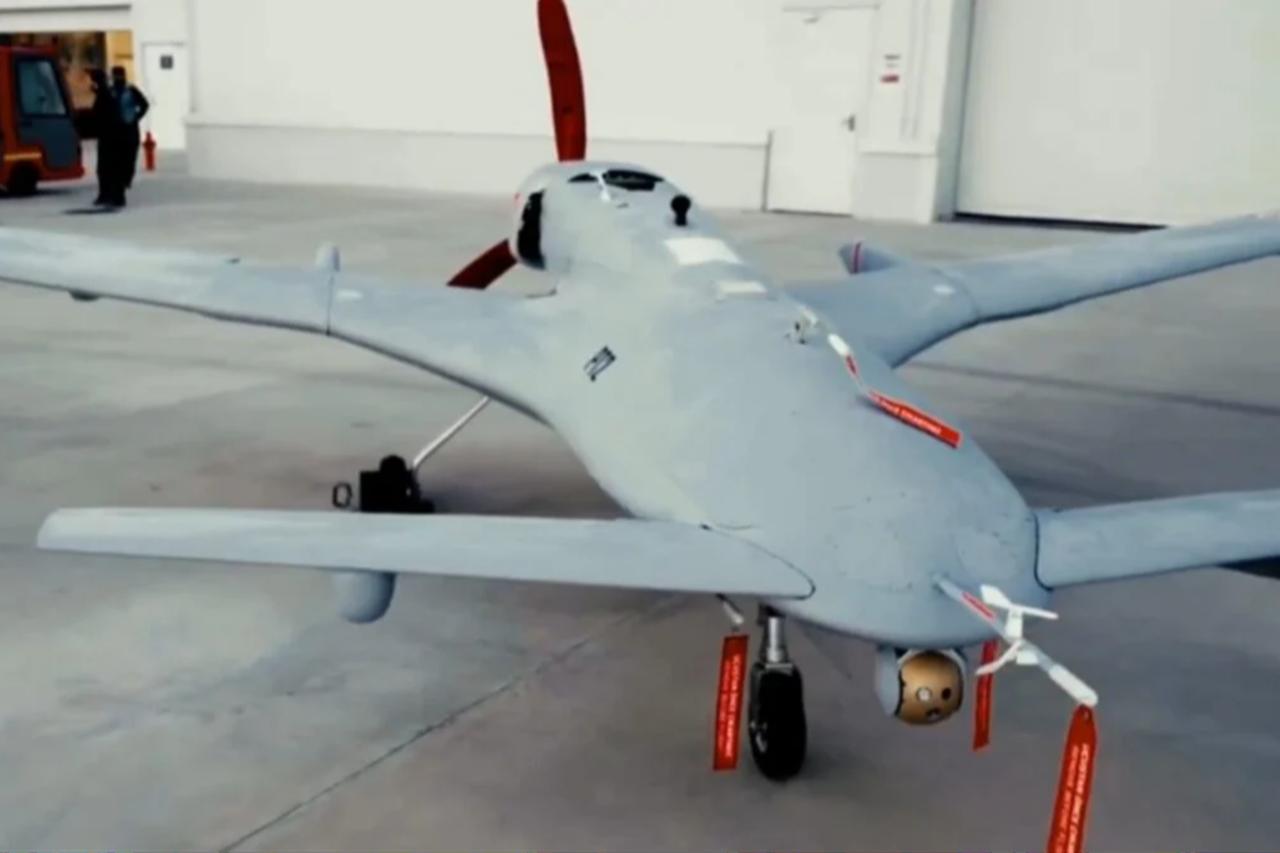


As the war between the U.S., Israel, and Iran rages on and Tehran’s Shahed-136 kamikaze drones are scoring impressive yet unexpected "hits," Türkiye's drone giant Baykar has unveiled its new "kamikaze" drone, K2. These drones might alter unmanned warfare just like the company’s famed Bayraktar TB2 UAVs.
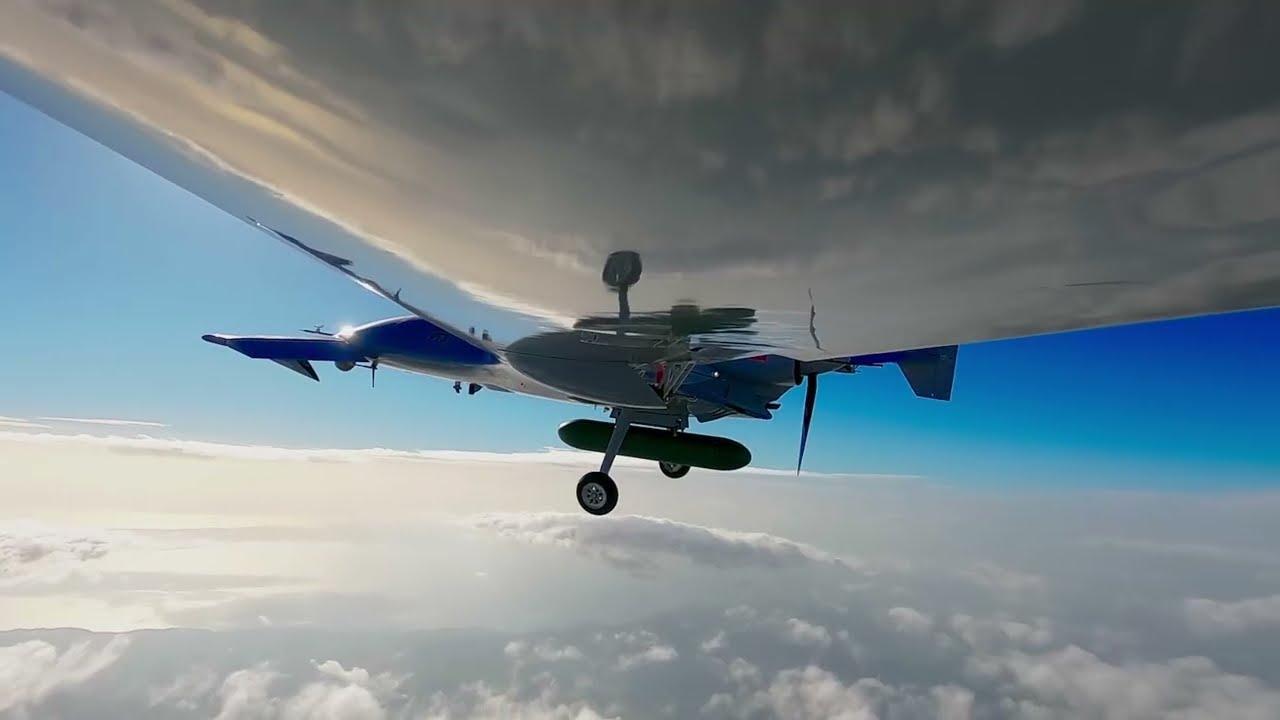
Baykar announced the new kamikaze UAV on Saturday, March 14, with a two-minute video featuring five K2s flying in various swarm formations.
One of the K2s also simulated an attack against an airborne kite over Saros Bay in the northern Aegean Sea.
That the video featured one of the most beautiful pieces of classical music—Soviet Russian composer Dmitri Shostakovich’s "Suite for Jazz Orchestra No. 2" better known as "Waltz No. 2"—makes you almost forget that the aerial vehicles you’re watching are weapons of war.
So, what will Türkiye and allied countries get from K2?
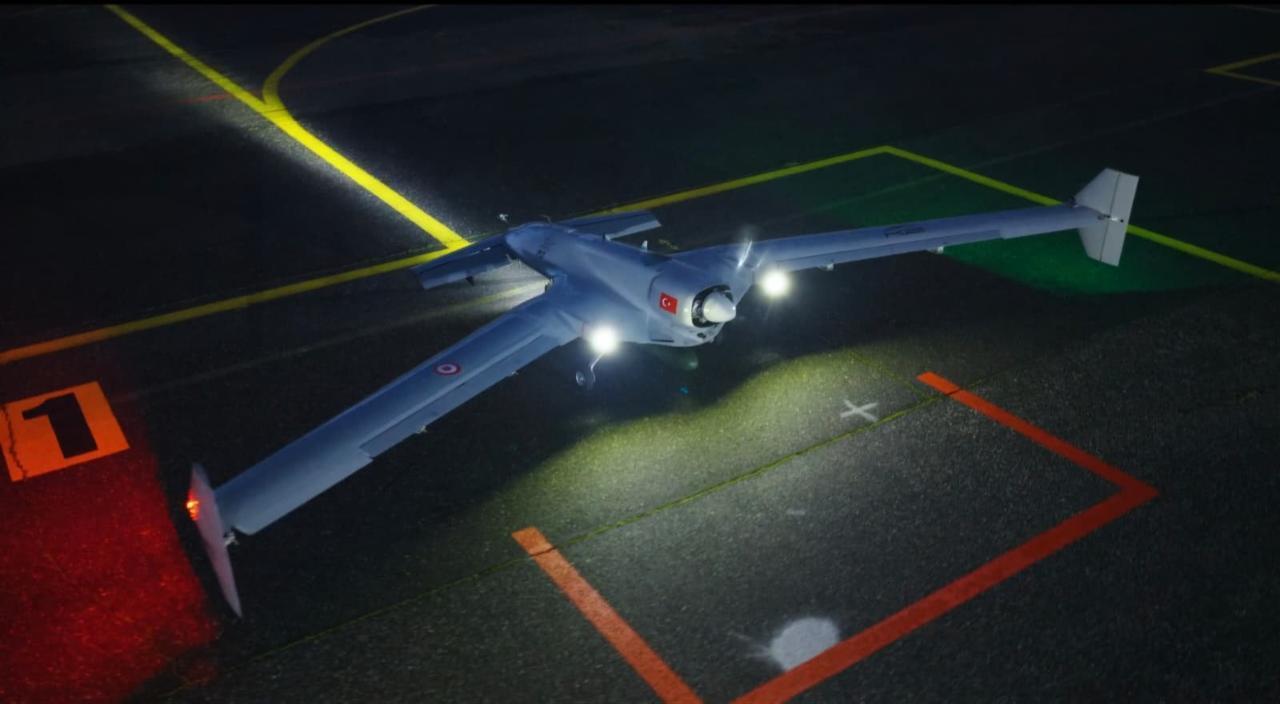

Unlike the "kamikaze" pilots of World War II, K2 is not planned exclusively as a "single-use / one-way" platform—it will carry additional munitions and return to base if it does not engage a target.
K2 can take off from and land on short runways or unprepared roads, making recovery much easier.
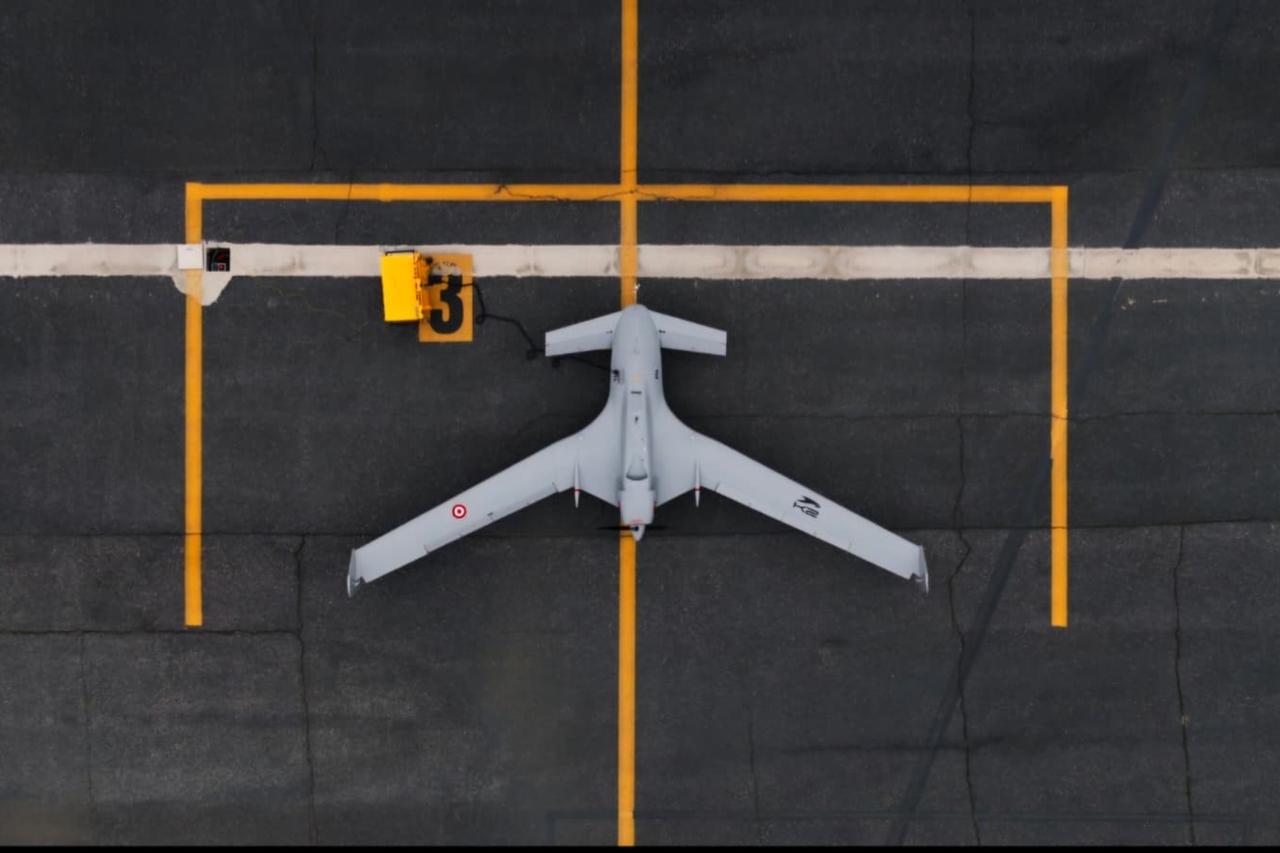
As many defense and aviation experts commented on social media, K2’s fuselage looks identical to Baykar’s legendary Bayraktar TB2 UAV, suggesting that the company made little to no change to its design and machining tools used in the TB2 to produce the K2, which decreases costs. K2 lacks TB2’s triangular tail but comes with a canard on its nose and large winglets for flight control.
K2 sports an impressive range of 2,000 kilometers (1,240 miles), with a warhead of 200 kilograms (440 pounds) and a maximum takeoff weight of 800 kilograms, according to Baykar. It can stay in the air for up to 13 hours.
One of the ironies in the “K2 vs. Shahed-136 / Geran-2” matchup is that the former is called a “kamikaze” drone (a word many defense outlets and analysts avoid due to its historical connections) even though it can return to base, while the latter are called “loitering munitions" even though few of their models can hover over their targets.
K2 is different than Iran’s Shahed-136 and its Russian sibling, Geran-2, in other ways. For one, it is bigger and heavier—the Turkish drone comes with a wingspan of about 10 meters (33 feet) to Shahed-136’s 2.5 meters.
Similarly, K2 is taller and longer than the Shahed / Geran.
K2 is expected to overcome another Shahed disadvantage. It is because the latter is preprogrammed with its target coordinates but lacks onboard sensors to avoid obstacles; especially in Ukraine, it has often hit civilian infrastructure of no military value—including large apartment buildings, killing non-combatants.
That is one reason why the Iranian-made Shahed and Russian-improved Geran have become the object of understandable hatred among Ukrainians.
Baykar seems keen on addressing that problem by equipping the K2 with AI-powered computers for navigation, targeting, and engagement, suggesting increased autonomy.
One possible reason why K2 is being introduced now is that TB2 has become vulnerable to electronic interference by adversaries, especially in Ukraine, or prone to attacks by enemy air defenses when it is on solo missions.
Thus, instead of risking losing a TB2 that costs hundreds of thousands of dollars (a three-unit team of TB2s is believed to cost several million dollars, including the ground control station), it will be financially prudent to deploy the K2, which will cost much less.
According to Baykar CEO Haluk Bayraktar, K2 will cost “1/50th of conventional military munitions.” Turkish commentators took that to pit the K2 against the Raytheon Tomahawk cruise missile, which costs between $2 million and $4 million per unit, making the price of a single K2 about $40,000 to $80,000 and therefore slightly more expensive than the Shahed, although the Baykar drone’s abilities will more than make up for that difference.
In addition, to further cut costs, we can expect that, in a swarm of K2s, some units will come with advanced electro-optical sensors and radars to guide the “dumber” members of their “packs” through enemy territory.
Baykar is likely going to find additional ways to maximize the utility of the K2 and make it more cost-effective. The Turkish company did not go from an unknown in the early 2010s to the global leader in military UAVs with exports of $2.2 billion in 2025 by being oblivious to financial considerations.
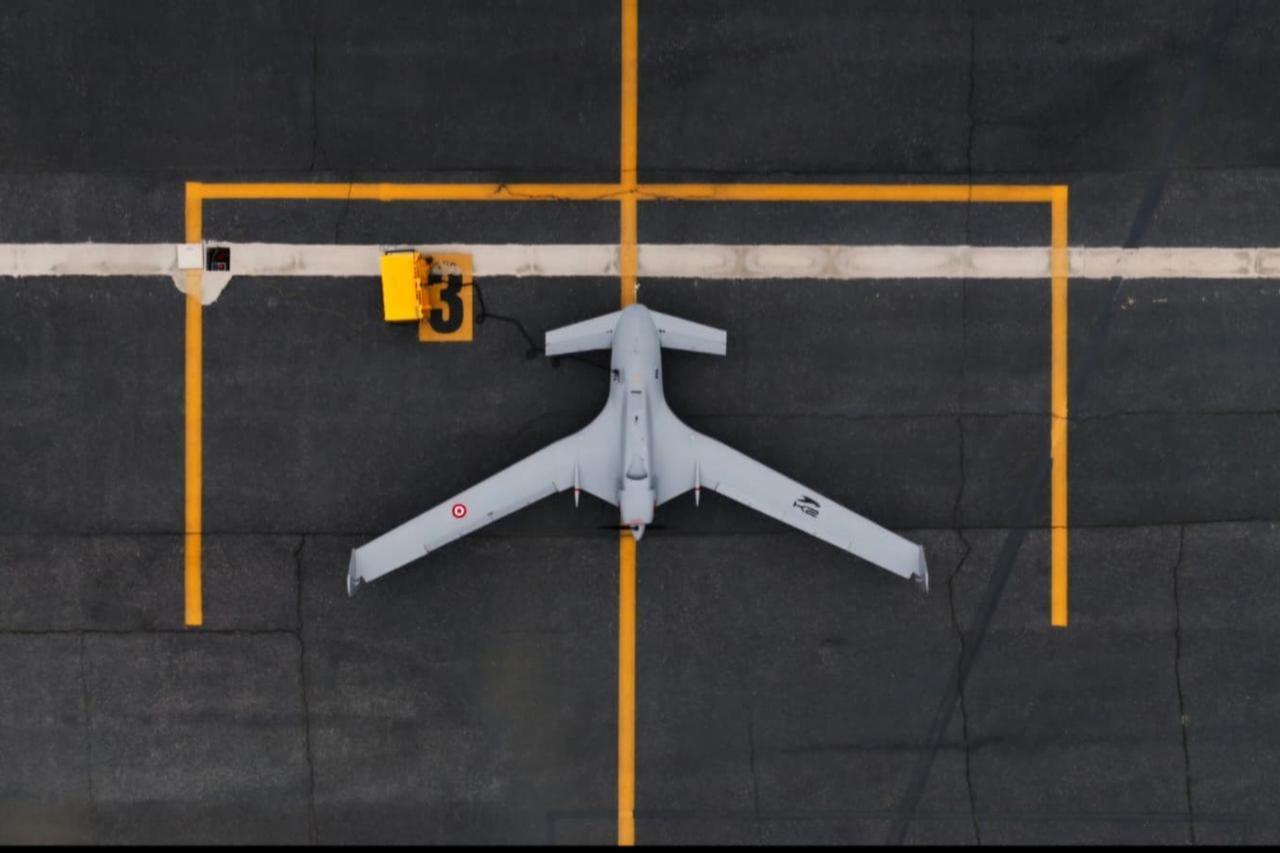
As with every engineering project, K2 comes with tradeoffs. As leading Turkish analyst Kubilay Yildirim told defense journalist Kaner Kurt on the latter’s YouTube channel, K2’s cost-effective propeller engine (most likely the company’s in-house TM100) will increase its radar echo. In a sense, low radar visibility is sacrificed for endurance and flexibility.
Having a retractable landing gear and a small jet engine would give K2 greater speed and better survivability in contested airspace.
Türkiye’s Kale Jet produces the KTJ series of turbojets for the Turkish-made air-launched cruise missile, SOM, and the land- and sea-based Atmaca cruise missile.
What to expect next?
The Turkish Armed Forces (TAF) and allied countries such as Azerbaijan, Poland, and Qatar are likely going to acquire some initial batches of K2s, test them, and give their feedback to Baykar, which will develop the UAV further.
In time, the K2 is likely to become a fixture in the armed forces of countries that are looking for agile, persistent, and cost-effective solutions for their defense.


 Set as preferred source
 Set as preferred source


 1 min read
 1 min read