Newsletters


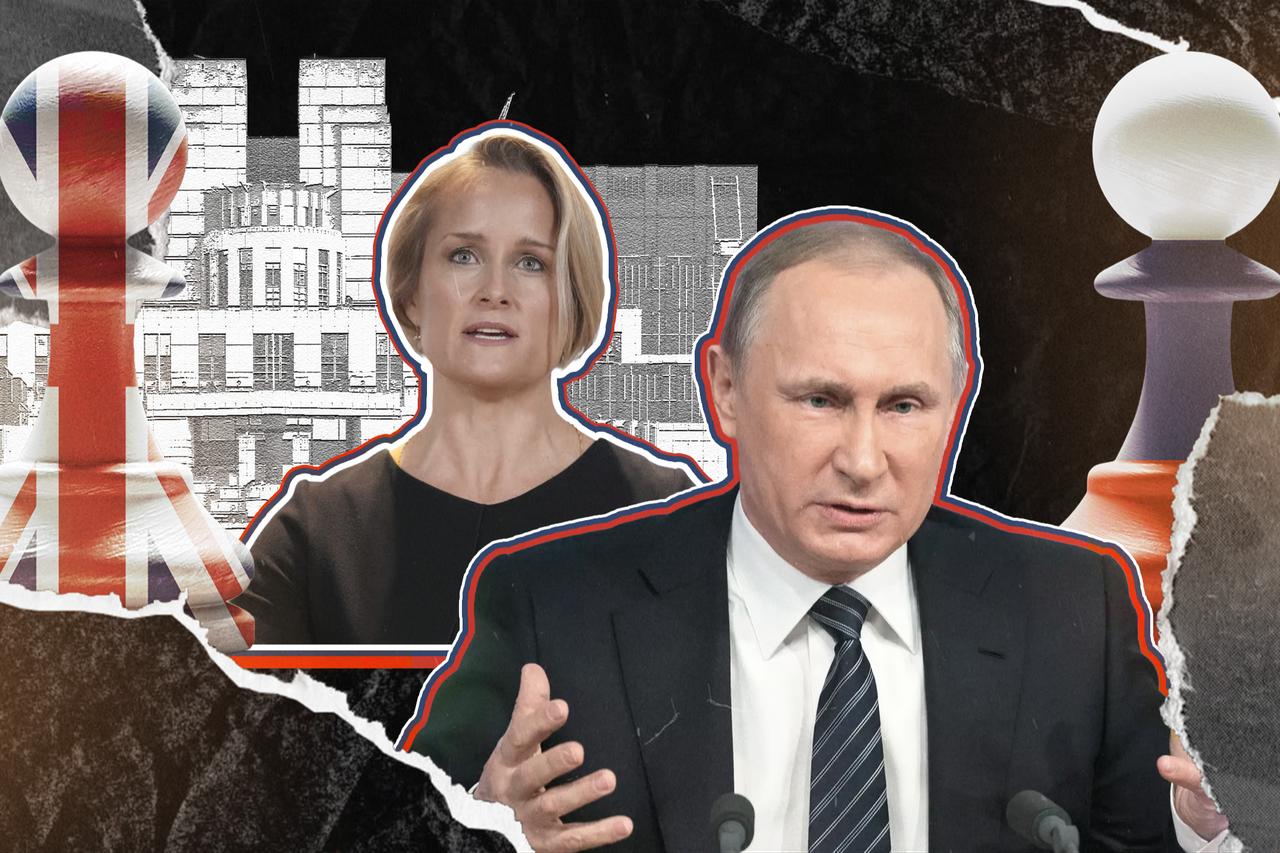


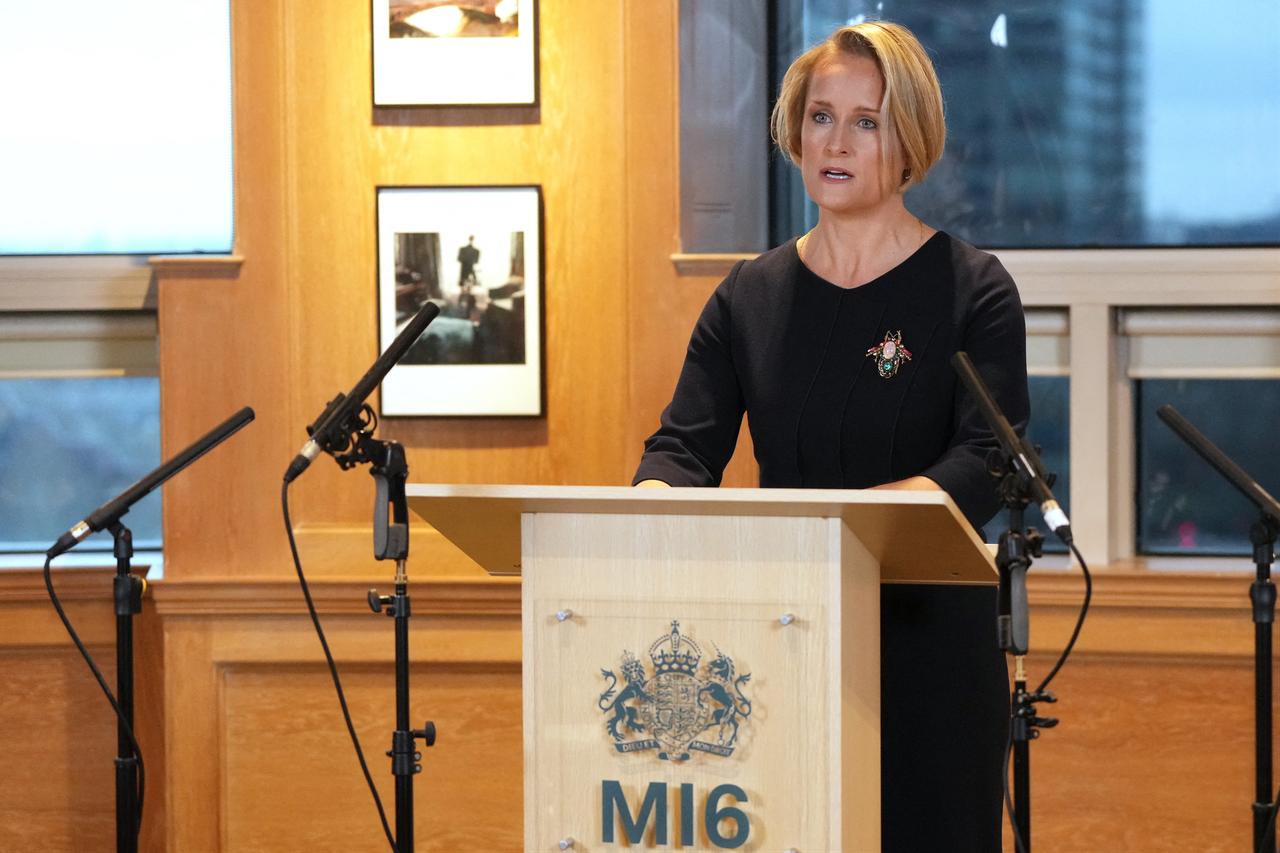
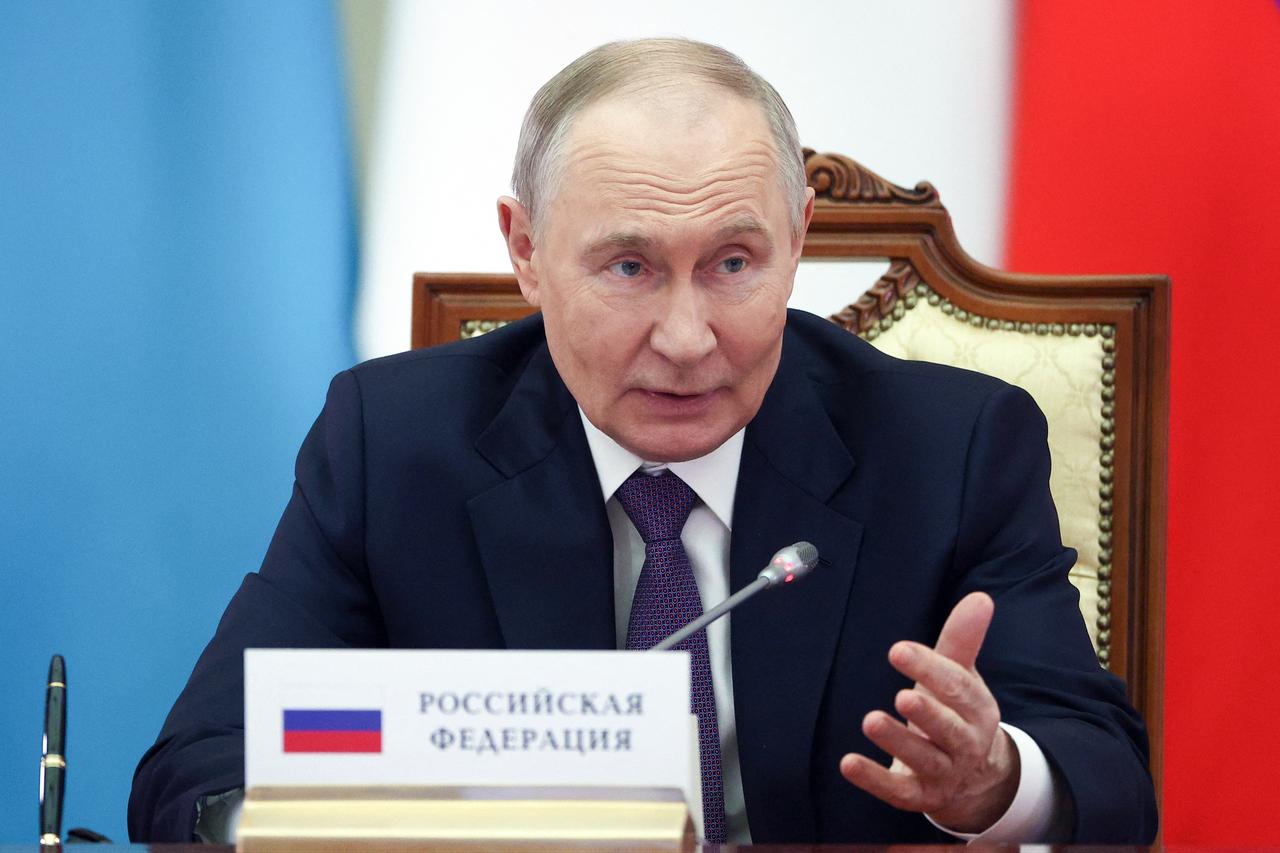
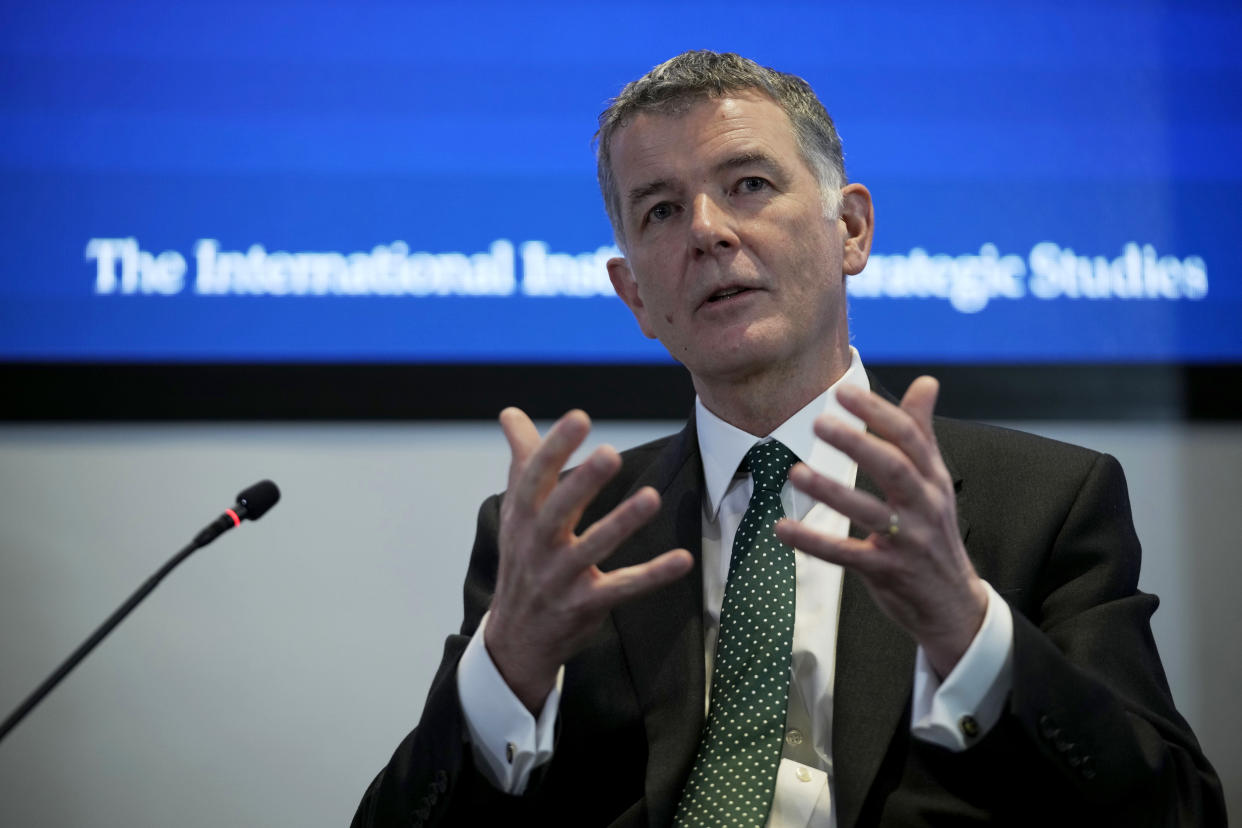
Blaise Metreweli, Chief of the British Secret Intelligence Service MI6, describes Vladimir Putin as a leader who “deliberately disrupts the international order,” “recognizes no rules,” and “uses chaos as a strategic tool.”
Emphasizing that Russia constitutes an “aggressive and expansionist” threat, Metreweli argues that Moscow systematically exploits the “grey zone” between peace and war, and that chaos is not a mistake in Russian foreign policy but a conscious and deliberate choice.
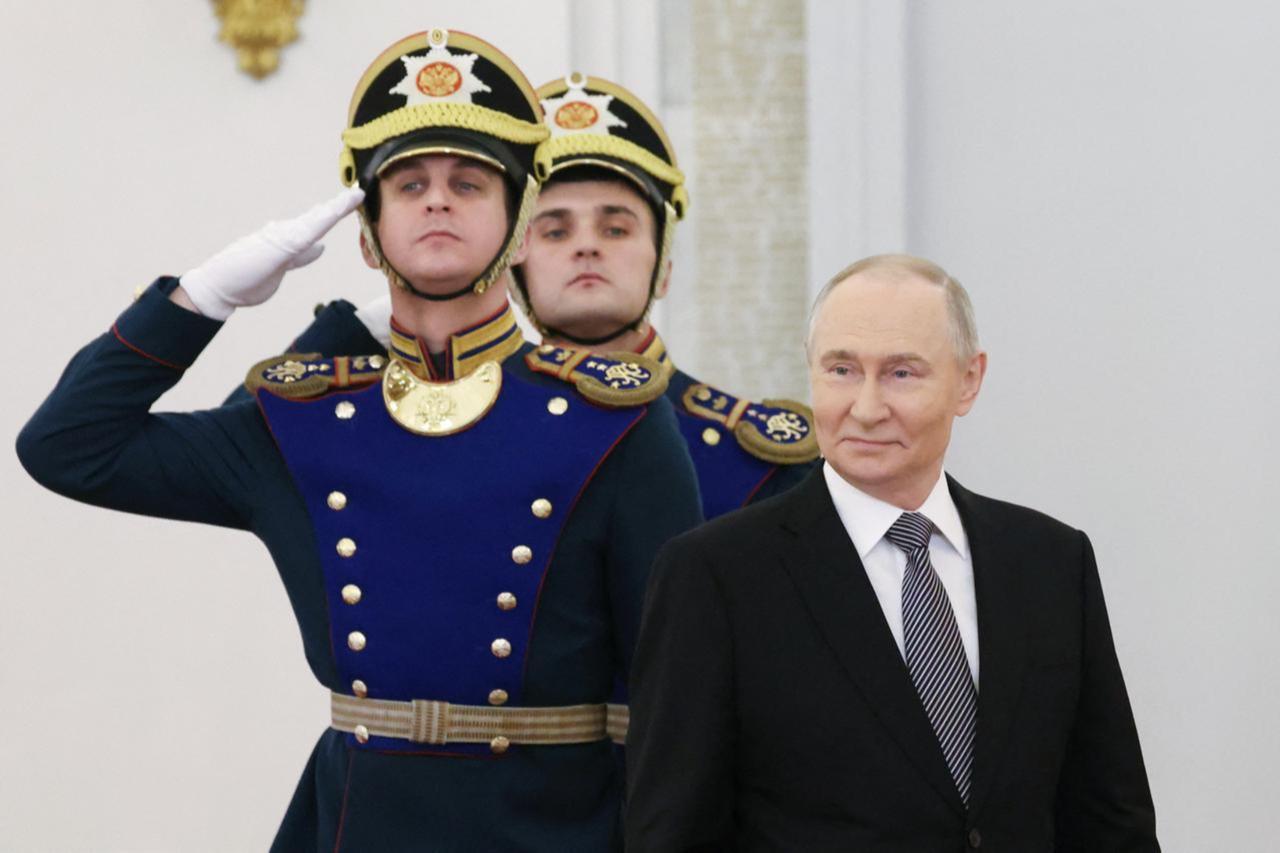
British intelligence tends to read Putin as an ideological actor intent on reshaping the world. Yet Putin does not see himself as a founder, but as a repairman. In his mind, the issue is not constructing a new world order, but restoring, strengthening, and centralizing a state that collapsed, fragmented and lost control in the 1990s, while making it impermeable to external influence. For this reason, Putin’s political understanding is not built upon representation, pluralism, or compromise, but upon control, loyalty, and hierarchy.
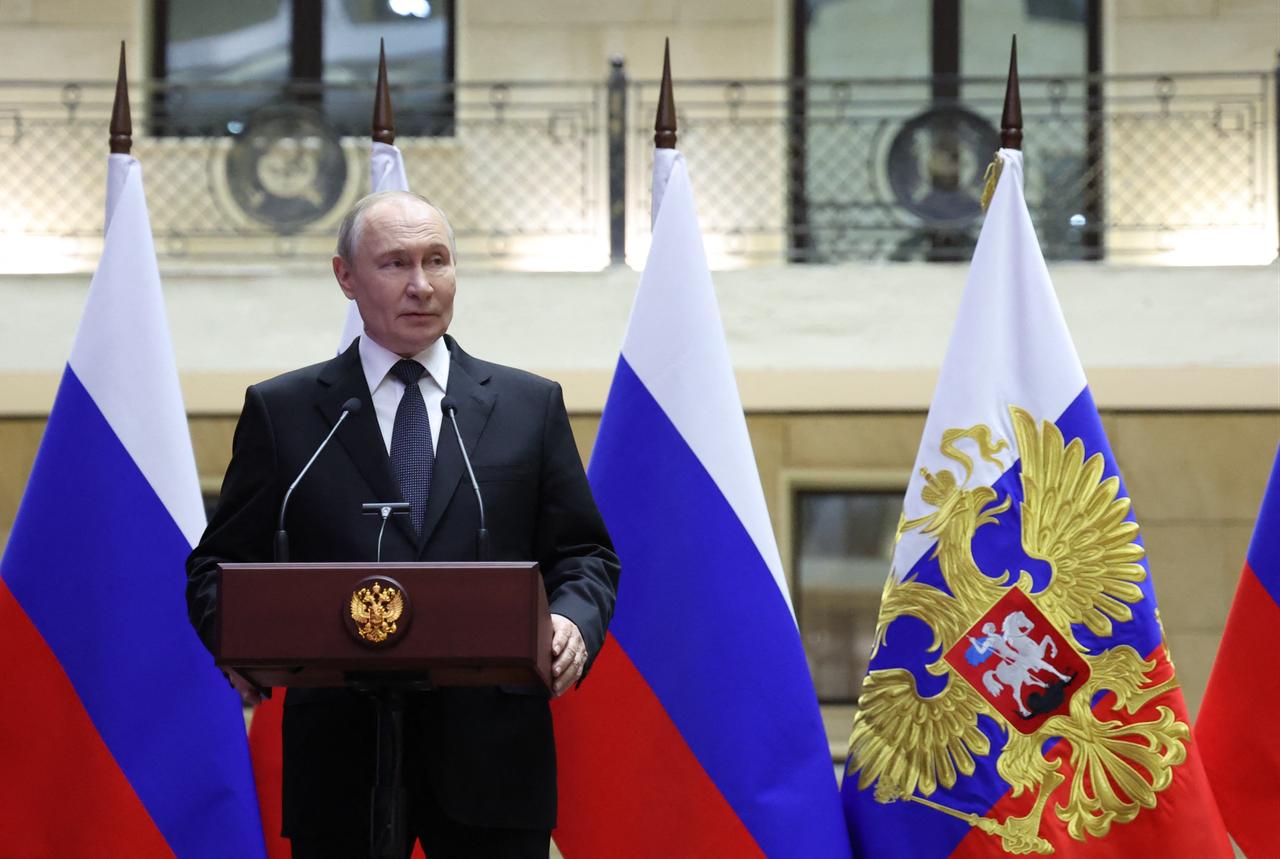

Putin’s rise to power does not conform to conventional narratives of political ascent. He did not emerge as an opposition leader, an ideologue, or a reformist.
His entry into the Kremlin signified more than winning elections; it marked the security-centered reorganization of the state’s internal structure. In Putin’s memory, Russia in the 1990s was not a period of freedom or transition, but a zone of chaos in which the state lost authority, institutions disintegrated, and the center fell silent.
He does not remember this period as a moment when society breathed freely, but as a dangerous vacuum in which the state was abandoned to uncontrolled forces.
For Putin, therefore, power is not a matter of representation, but of control. State institutions, elites, and decision-making mechanisms must be reassembled under a single center.
Fragmented power structures, independent actors, and autonomous spaces do not represent pluralism in his worldview; they are potential points of penetration. From this perspective, the Kremlin is redefined not as an arena of political competition, but as the nerve center of the state.
As Robert Baer emphasizes in The Fourth Man: The Hunt for a KGB Spy at the Top of the CIA and the Rise of Putin’s Russia, Putin’s ascent was the result of the reorganization of security and intelligence elites—known as the siloviki—within the state apparatus.
The siloviki—cadres originating from the former KGB, FSB, the military, and the security bureaucracy—had temporarily retreated from politics during the Yeltsin era and returned to the center once favorable conditions emerged.
Putin was not a politician external to these networks; he emerged from within them and came to represent them.
This approach crystallized in a statement that later became emblematic of the spirit of the Putin era. A former security official from Putin’s inner circle summarized the early years of his rule as follows:
“A group of FSB officers assigned to operate undercover within the Russian government successfully completed their first mission, infiltrating the administration.”
This sentence is not a simple account of bureaucratic success; it is a concise, sharp summary of Putin’s understanding of the state. What is described here is not a coup or a sudden seizure of power, but the re-framing of politics in accordance with the siloviki mindset.
The state is being reconstructed step by step, while the Western influence that became institutionalized during the 1990s—particularly under Yeltsin—is systematically dismantled. Politics is pulled back within the boundaries of security, and decision-making mechanisms are restructured around loyalty, hierarchy, and control.
For the siloviki, the Putin era represents the end of the drift experienced under Yeltsin and the moment when the state returned to itself. Consequently, Putin’s early years were shaped not by public-facing ideological manifestos, but by a quiet, systematic process of centralization and reassertion of control carried out behind the scenes.
In Putin’s mind, “infiltration” is not a technical intelligence term. It is a psychological core that shapes all of his political reflexes.
The Soviet Union, in Putin’s view, did not collapse due to tanks or external attacks; it fell apart through internal decay, elite fragmentation, and the loss of state control mechanisms. For this reason, “infiltration” is not an abstract threat in Putin’s world, but the name of a lived catastrophe.
The Yeltsin era is not remembered by Putin as a time of reform or liberation, but as a traumatic period in which oligarchs captured the state and rendered it ungovernable. The oligarchs’ engagement with the West represented not mere openness, but the internal takeover of state decision-making processes.
Thus, Putin’s purge of Western-linked oligarchs after coming to power should be read not merely as a legal adjustment, but as a psychological act of repair—an effort to prevent the repetition of past disintegration.
For Putin, the problem is not ideological deviation, but administrative collapse. As elites open to the West, the state erodes not ideologically, but managerially. Decisions cease to originate from the center and instead draw upon external reference points.
At this juncture, the concept of “infiltration” expands to encompass all domains. Open attacks are secondary; the real threat is invisible influence. Civil society organizations, independent media, opposition movements, and international norms are not perceived as spaces of freedom, but as potential infiltration channels.
The West’s democratic language is read in the Kremlin not as a call for rights and liberties, but as an operational cover.
The psychodynamic origins of this mindset crystallize in Putin’s experience in Dresden, East Germany, in 1989. Throughout the Cold War, Dresden was one of the most sensitive operational centers where the Soviet Union conducted activities in coordination with East German intelligence (the Stasi), positioned closest to the West.
Putin was stationed there not as a diplomat or political representative, but as a KGB field officer. His formal duty was to protect Soviet interests, coordinate local networks, and make operational decisions when required under instructions from Moscow.
In the autumn of 1989, however, as East Germany collapsed, the KGB headquarters in Dresden was effectively abandoned. While the Berlin Wall fell, Soviet personnel in Dresden received no explicit orders from Moscow.
The state retreated, the chain of command fell silent, and field officers were left alone. What Putin personally witnessed was not a military defeat, but a moment of silence in which the state suspended its own existence. The scene in which Putin, unable to receive instructions from Moscow, attempted on his own initiative to disperse a crowd gathered in front of the KGB building left an indelible mark on his memory.
For Putin, Dresden was not the place where a system was destroyed from the outside; it was a moment of shame in which the state failed to speak, failed to protect, and failed to stand behind its own officer. The state fell silent and ceased to assert its presence.
This experience engraved a single absolute law in Putin’s subconscious: the state must never fall silent.
Today, the Kremlin’s extreme centralization, rapid and harsh decision-making reflexes, constant state of alertness, and resistance to compromise are mechanisms designed to compensate for this Dresden trauma. In Putin’s world, the silence of the state signifies not merely weakness, but the denial of existence itself.
This is why the Kremlin’s responses often appear disproportionate or excessive from the outside. In Putin’s mind, however, these responses are reflexive measures to ensure that Dresden never happens again.
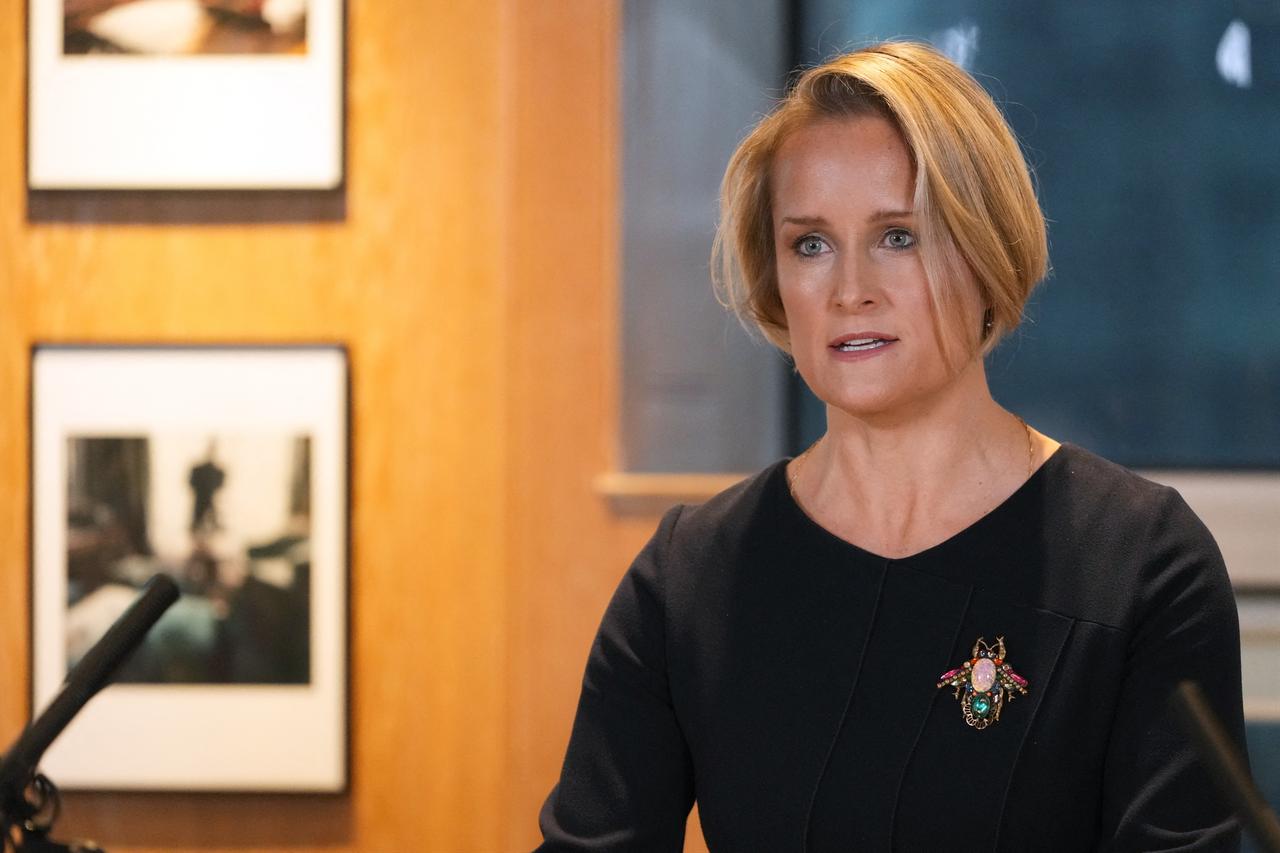
The MI6 chief’s harsh language—depicting Vladimir Putin as an actor who disrupts the global order and spreads chaos—aims to generate clarity and resolve in Western public opinion.
It sharpens threat perceptions in London and Washington and disciplines allies. Yet in the Kremlin, the same rhetoric takes on an entirely different meaning. For Putin, this language does not function as a warning, but as a source of legitimacy.
Putin uses this discourse to convey a single message to his domestic audience: Russia is under siege. In this framework, the MI6 chief’s statements do not constrain Putin’s authoritarian reflexes; they provide a psychological foundation that justifies them.
This is precisely where the West’s fundamental miscalculation begins: the belief that Putin can be restrained through external pressure, harsh rhetoric, and explicit threats.
What truly restrains Putin is not external pressure. Sanctions, threats, and harsh statements do not force him to retreat; on the contrary, they strengthen internal consolidation.
For Putin, street protests or opposition movements are not existential threats; they are manageable and suppressible risks.
The true vulnerability lies not in visible opposition, but in the state’s inability to make decisions from within. Hesitation at the center, institutional paralysis, and the breakdown of hierarchy directly evoke a collapse scenario in Putin’s mind.
Thus, the scenario that genuinely unsettles Putin is the silencing of the state and the internal dissolution of the security architecture. A fracture among the siloviki—the security elites—would shake his psychological foundation.
Putin’s power rests not on personal charisma or popular support, but on the cohesion of these security networks and centralized command. When the center hesitates, institutions falter, and elite cohesion breaks down, Putin’s deepest subconscious fear is triggered: internal state collapse.
In this context, the MI6 chief’s rhetoric portraying Putin as a revisionist actor disrupting the global order may appear resolute and deterrent in Western capitals.
In the Kremlin, however, it is perceived not as a threat, but as confirmation that Putin is reading the world correctly. Harsh rhetoric does not constrain Putin; it legitimizes harshness. It reinforces the “Russia under siege” narrative, reasserts the necessity of centralized control, and fortifies the demand for internal discipline.
Ultimately, misreading Putin does not weaken him—it strengthens him. Portraying him as an ideological enemy or an irrational leader misses the fundamental dynamics driving his behavior.
Constraining Putin requires reading him accurately as both a psychological and structural actor. Because Putin’s true fear is not the West itself; his veritable nightmare is that the Russian state may once again dissolve from within and that the center may fall silent.


 Set as preferred source
 Set as preferred source


 1 min read

 1 min read