

 Newsletters


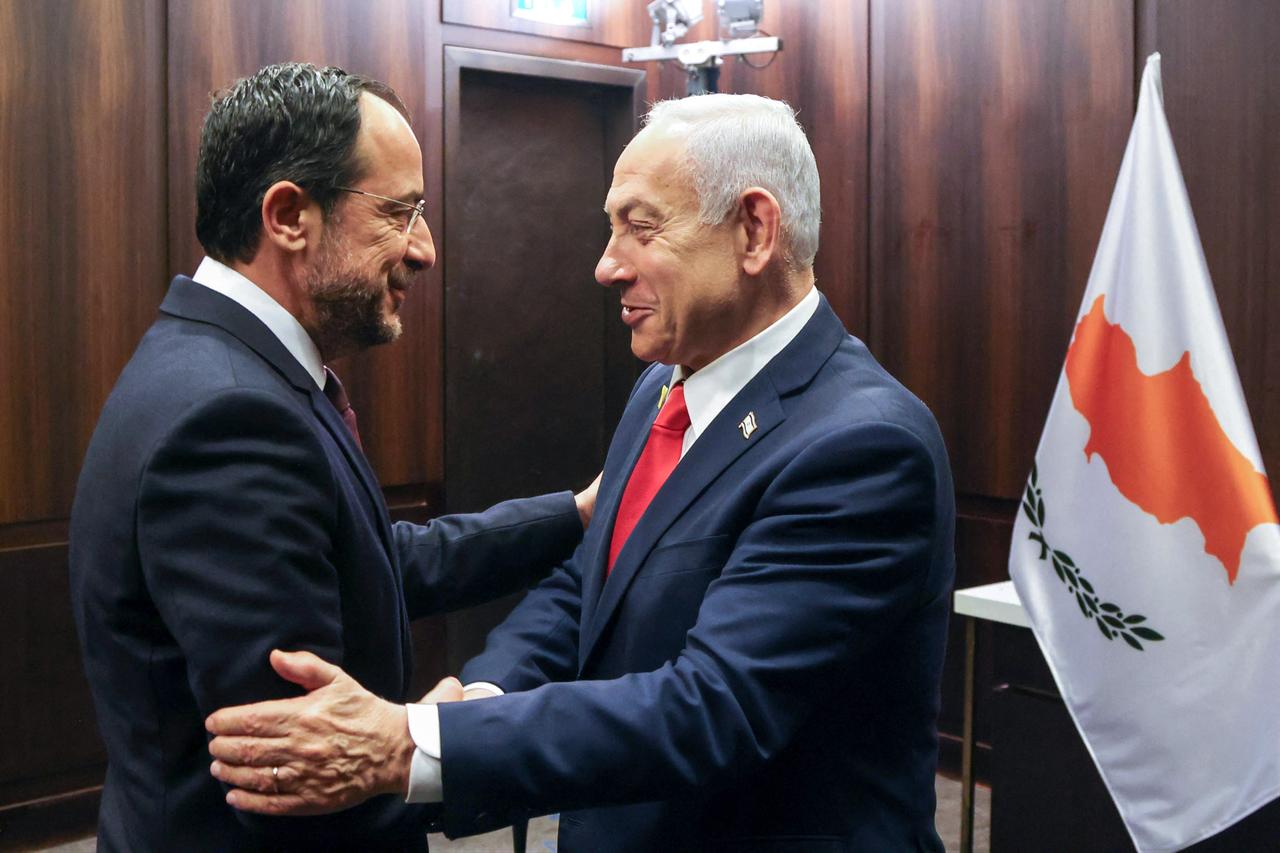


In October 2025, the Trump administration renewed its annual decision to lift the arms embargo on the Greek Cypriot Administration until September 2026. While this step represents the continuation of the significant change we have witnessed in U.S. policy toward Greek Cyprus over the past five years, it is also merely one indication of how the Trump administration may approach its relations with Nicosia going forward.
Traditionally, the United States pursued a policy of neutrality between the Turkish and Greek sides on the divided island. In recent years, however, parallel to its expanding cooperation with Greece and the Israel–Greek Cyprus–Greece rapprochement, Washington has undertaken a series of initiatives benefiting the Greek Cyprus. Türkiye and the Turkish Republic of Northern Cyprus (TRNC) recognize this administration as the Greek Cypriot Administration of Southern Cyprus (GCASC). These steps have come at the expense of the TRNC and efforts toward normalization on the island. U.S. decisions that facilitate the armament of the Greek Cypriot side and enhance its military capacity do not align with the stated objective of supporting stability in the Eastern Mediterranean.
In 2019, during the first Trump term, the Eastern Mediterranean Gas Forum, established with U.S. inspiration and with the support of U.S. Secretary of State Mike Pompeo, aimed to exclude Türkiye from regional energy cooperation and the broader equation.
Subsequently, the U.S. administration partially lifted the Greek Cyprus arms embargo in 2020 and fully lifted it in 2021, extending this decision each year through annual renewals. In 2024, the Biden administration signed a defense cooperation framework with Greek Cypriot Administration. Although the stated objective of the Roadmap for Bilateral Defense Cooperation—guiding defense ties through 2029—is to "enhance stability and security in the Eastern Mediterranean," arming one side of the island at the expense of the other risks increasing militarization and tension. Especially after the Gaza War, turning Cyprus into a forward Western military base is more likely to hinder peace and normalization than to promote stability. One of the final actions taken by the Biden administration before leaving office was a decision enabling the Greek Cypriot Administration to benefit from the U.S. Foreign Military Sales and Excess Defense Articles programs. The General Staff of the Cyprus National Guard is currently evaluating the options presented by Washington, with decisions expected in the coming year.
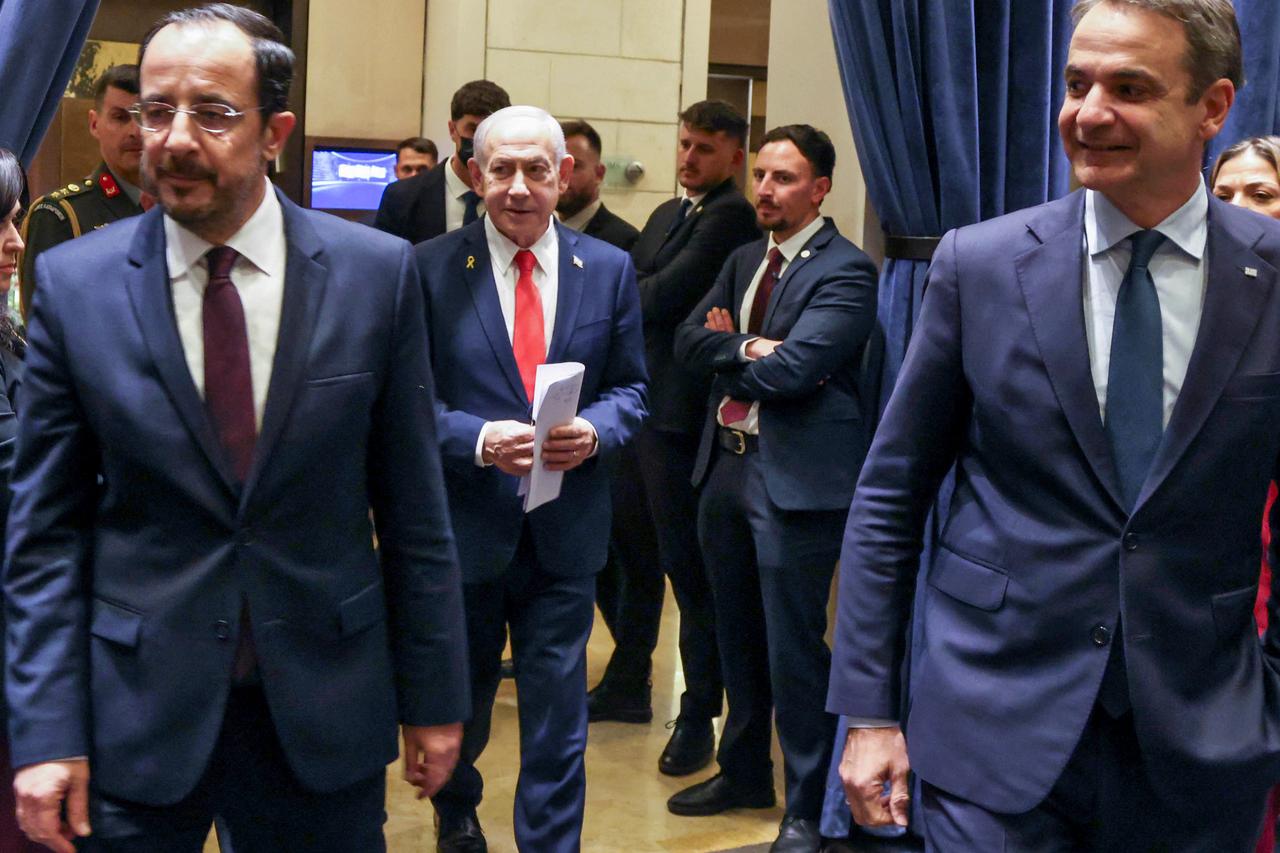
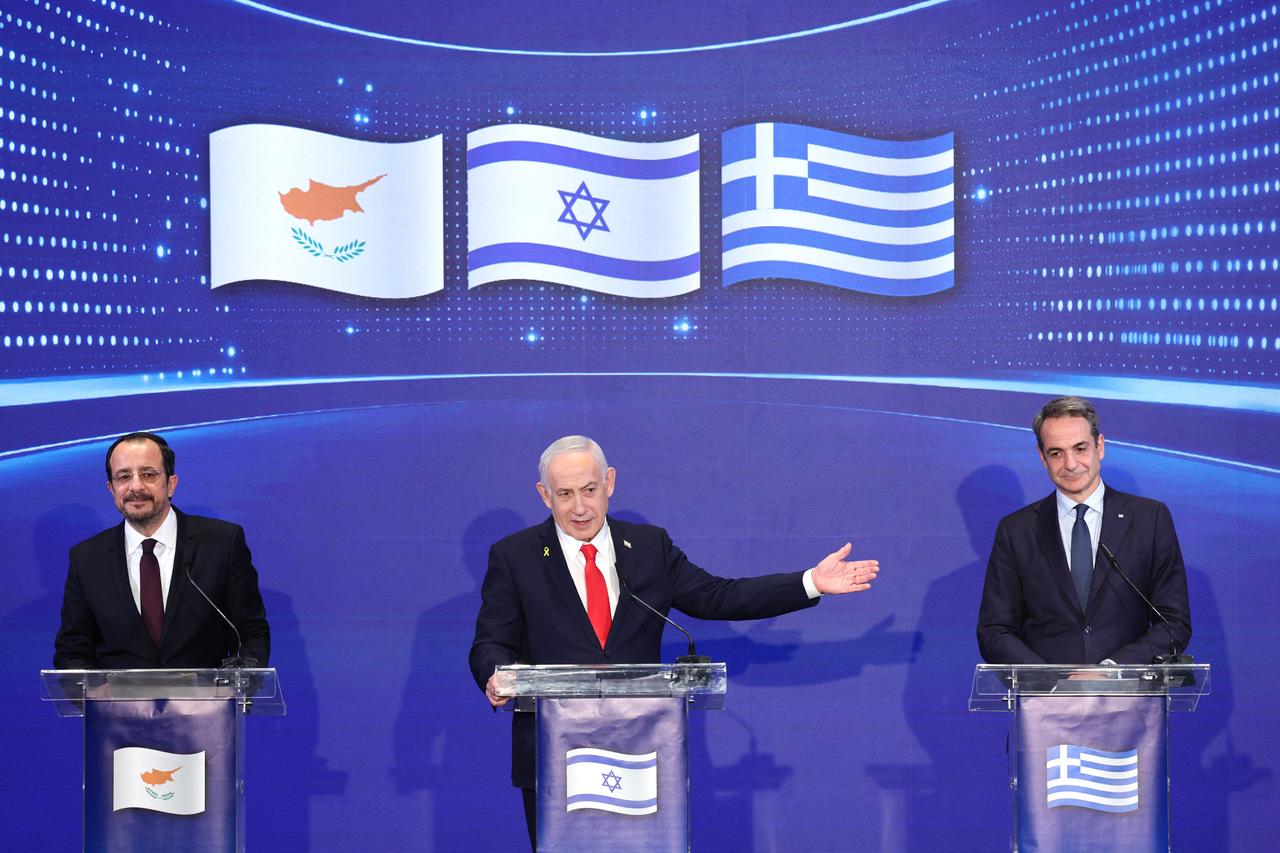
One of the most striking elements of the security architecture shaping the Eastern Mediterranean in recent years is the institutionalized military and strategic cooperation among Greece, the Greek Cyprus and Israel. This week, the 10th biannual trilateral summit talks were held among the three countries. Prior to this, numerous reports appeared in both the Israeli and Greek press regarding the establishment of a joint force among the three countries to ensure security in the Eastern Mediterranean and to intervene in possible crises and natural disasters. It was reported that such a force aims to strengthen the military-strategic cooperation formed among the three countries in response to rising tensions in the Eastern Mediterranean, to protect energy infrastructure, and to enhance maritime security, and that it is a formation envisaged against Türkiye in response to its growing military influence in the region. Although the parties denied the existence of such a force, there is no doubt that opposition to Türkiye has brought these three countries together.
Both the idea of establishing a joint force and that of creating and developing this tripartite cooperation initially emerged when Greece and Greek Cyprus drew closer to Tel Aviv after relations between Türkiye and Israel deteriorated following the Mavi Marmara incident in 2010. As they did in Syria and Libya, Greece and Greek Cypriot Administration also acted here with the approach of “the enemy of my enemy is my friend.”
In response to the rise of Türkiye’s defense industry and its growing influence in the region, Greece and the Greek Cypriot Administration increased arms procurement from Israel, intensified joint exercises, and a “re-containment strategy” targeting Türkiye began to take shape among these three countries. Thus, the power struggle in the Eastern Mediterranean has increasingly acquired a distinctly military character, not merely a diplomatic one.
During this process, Greek Cyprus, on the one hand, turned into a base from which countries supporting Israel’s Gaza war—primarily the United States and the United Kingdom, as well as France and Germany—sent military aid and ammunition. The island became not only a logistical hub but also an integral part of the West’s military engagements in the Middle East.

Throughout the Gaza war, Greek Cyprus, via the U.K.’s military bases at Akrotiri and Dhekelia, was extensively used by Western states, led by the United States, to provide Israel with military support, including the transfer of weapons, ammunition, and intelligence.
According to the reporting in the Israeli newspaper Haaretz, in October alone, when the war began, 40 American and 20 British civilian aircraft carried weapons and armored vehicles from Royal Air Force (RAF) Akrotiri to Tel Aviv, Nevatim Air Base, and Ben Gurion Airport. During the same period, U.S.-made MQ-9 Reaper drones, possibly operated from facilities in Greek Cyprus, carried out reconnaissance and surveillance missions over Gaza.
As the war progressed, although it was known that U.S. arms sales to Israel continued, open-source information regarding the use of the bases gradually declined due to increasing international reactions to the policy of destruction pursued in Gaza. Some reports suggest that these flights increased after U.K. Prime Minister Keir Starmer took office in July 2024. In June 2025, when the war extended to Iran, additional Typhoon FGR4 multirole fighters and Voyager air-to-air refueling aircraft were sent to the Middle East to operate from RAF Akrotiri.
On the other hand, it is also known that the use of these bases was not limited to Gaza; they were used as logistical hubs, surveillance centers, and launch pads for air and intelligence operations targeting Syria, Lebanon, Iraq, Palestine, and Yemen. This situation has effectively made the Greek Cypriot Administration a party to regional conflicts. It may be recalled that, a few months before his killing by Israel, Hezbollah leader Hassan Nasrallah accused the Greek Cypriot Administration of being a party to the war for opening its airports for use in attacks on Lebanon and threatened an attack.
Although Greek Cyprus gained its independence from the U.K. in 1960, under the London–Zurich agreements, the control of the Akrotiri and Dhekelia bases remained with the U.K., and these areas—designated as “sovereign areas”—lie outside Greek Cypriot sovereignty. Military operations conducted from these bases often take place without the knowledge or consent of the island’s population and occasionally lead to local protests.
After the Gaza war, as the strategic importance of Greek Cyprus for Israel increased further, relations between the two countries deepened markedly in the military and security fields. In a statement made in January, Greek Cypriot Minister of Defense Vasilis Palmas said that the Paphos Air Base and the Evangelos Florakis Naval Base under construction, would be open to use by allied countries such as the United States, the European Union, Egypt, and Jordan, and that Israel would have a “privileged status” at these facilities.
After the Gaza war began, the Paphos Base was also used by France, Germany, the Netherlands, and the United States for logistics and intelligence operations. In media statements, Palmas emphasized that the Greek Cypriot Administration relies on Israel rather than Greece for security, and also highlighted that the United States is expanding the Greek Cypriot Administration’s military infrastructure and will modernize the bases.
Having adopted integration into Western security systems as a strategic objective after 2010, the Greek Cypriot Administration accelerated defense cooperation with Israel in order to reduce Russian influence in its military inventory. In this context, it purchased its first offshore patrol vessel, Ioannides, from Israel in 2018; the Greek Cyprus National Guard added Israeli-made Tavor infantry rifles to its inventory; the Barak MX surface-to-air missile system, decided upon in 2021, is being gradually deployed on the island and is expected to become fully operational by the end of the year. In February, the Greek Cypriot Administration transferred the security of Larnaca and Paphos airports to Israeli intelligence.
Greek Cypriot Administration has not limited its relations with Israel to military and intelligence fields; it has also assumed an active role in humanitarian aid projects that are alleged, particularly in the Gaza context, to pave the way for the displacement of Palestinians. The plan announced by President Nikos Christodoulides in Paris on Nov. 1, 2023, aiming to deliver aid directly to Gaza by sea from Larnaca Port, received Israel’s initial approval in December 2023, after which Israeli officials conducted technical and logistical assessments in the Greek Cypriot Administration. The Israeli side claimed that the route would contribute to Gaza’s economic separation and enable aid delivery without the need for land crossings. In contrast, the Palestinians rejected the proposal, emphasizing that this arrangement overlapped with forced displacement policies and broader occupation objectives under the guise of humanitarian aid.
Although the plan could not be implemented due to these objections, as can be seen from the statements made after the 10th Trilateral Summit of Israel, Greece, and Greek Cypriot Administration, an Amalthea maritime corridor was used to send aid to Gaza, and it can be anticipated that Greek Cypriot Administration and Greece will hold an important place in Israel’s plans regarding Gaza in the coming period.
The rapprochement between the two countries has also been reflected in societal relations. Following the expansion of Israel’s war in the Middle East, and especially after the 12-day war, reportedly thousands of Israeli citizens settled in the Greek Cypriot Administration.
 2 min read

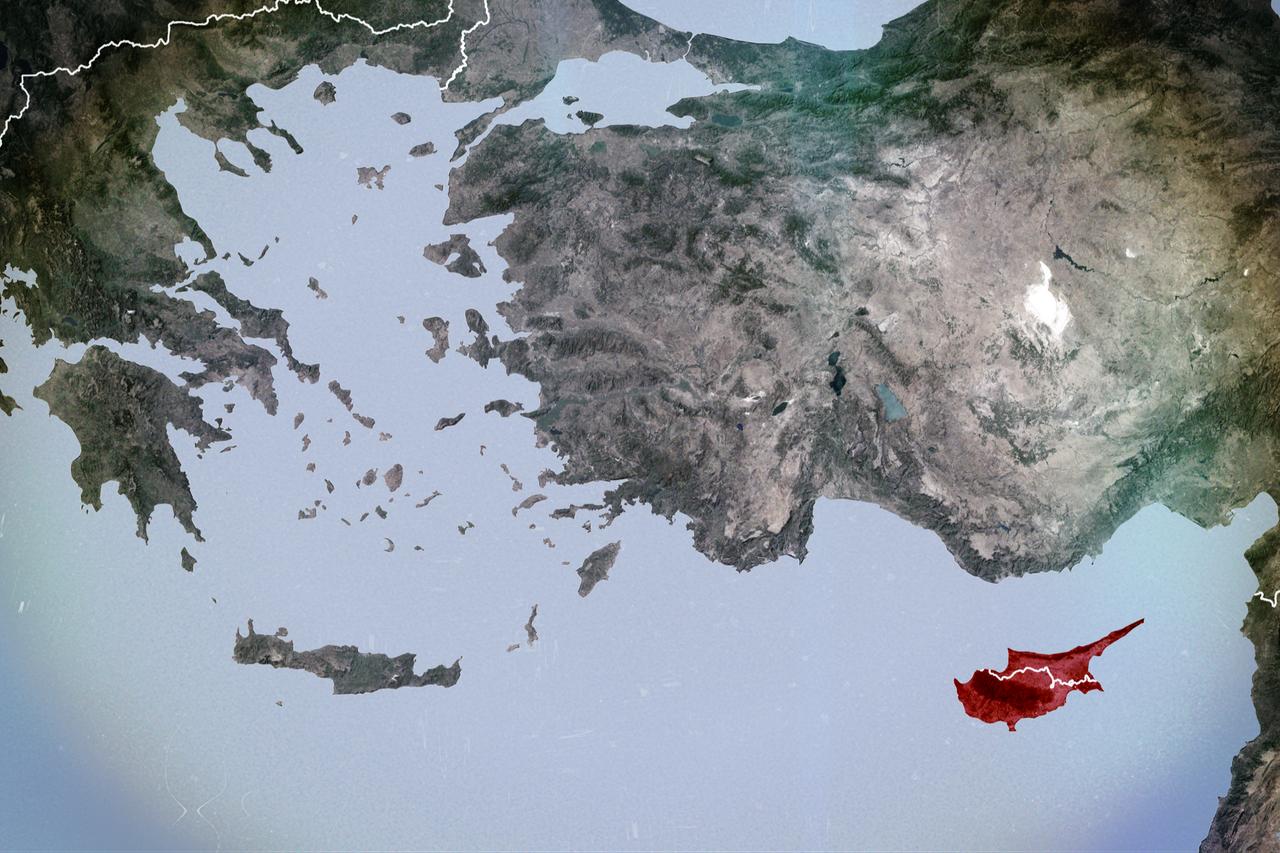
When combined with the military cooperation that the Greek Cypriot Administration has deepened with third countries, U.S. decisions taken in favor of Greek Cyprus are transforming the island of Cyprus from an element of stability in the Eastern Mediterranean into a direct geopolitical target. The increasing militarization of the island and its transformation into a forward military platform of the West, far from enhancing security, are drawing the Greek Cypriot Administration into regional crises and increasing the risk of conflict.
However, all of these initiatives unfolded in an international context marked by a very different United States and a very different Türkiye. While the first Trump administration may have offered early indications of its approach to foreign policy and international relations, it was far from pursuing the clear and consolidated line seen today and lacked sufficient numbers of experienced and effective representatives to do so. The Biden administration also pursued a range of measures that were, on many issues, detrimental to Türkiye. At that time, Türkiye was a country whose relations had been severed with all of America’s regional allies, leaving it isolated in the Middle East and the Eastern Mediterranean.
Considering the second Trump administration’s tendency to produce rapid, results-oriented peace agreements, Washington’s recently voiced prospects of Greek–Turkish normalization and a hastily prepared arrangement on Cyprus issue that ignores the legitimate security concerns and mutual interests of the parties constitute a serious source of concern. Yet the first and indispensable condition for such a process to advance is for the guarantor countries, Türkiye and Greece, to make progress on a realistic and balanced basis on the Cyprus issue.
At this point, Türkiye must mobilize all its capabilities to help open the way to a fair and sustainable solution to the Cyprus issue by leveraging its diplomatic and strategic weight vis-a-vis the Trump administration, given their close cooperation across different regions. Scenarios such as the arming of the Greek Cypriot Administration and Greece to the detriment of the TRNC and Türkiye, including the transfer of advanced platforms like the F-35 to Greece while excluding Türkiye, would further disrupt the fragile balance of power in the Eastern Mediterranean and deepen regional instability.
It should not be forgotten that in the Syria and Libya files, which have become strategic priorities for the United States in the Eastern Mediterranean, Türkiye stands as the strongest and most decisive foreign actor on the ground. Especially at a time when Washington is shaping its Middle East and Eastern Mediterranean policies according to Israel’s security priorities, and when Israel is strengthening cooperation with Greece and the Greek Cypriot Administration aimed at encircling Türkiye and limiting its regional influence, further militarization of Greek Cyprus becomes a choice that will endanger not only Türkiye but also the long-term regional interests of the United States.


 Set as preferred source
 Set as preferred source


 1 min read



