Newsletters




By the time the World War II concluded in 1945, it had not only resulted in catastrophic human casualties but had also compelled many major powers such as the United Kingdom, Germany, France, Italy and Japan to abandon their global ambitions due to the massive destruction caused by the war.
The real victors of the war, the United States and the Soviet Union, divided the world into spheres of influence between themselves in the following years.
In other words, the world evolved from a multipolar system in which numerous regional powers existed into a bipolar system in which the globe became a chessboard dominated by two superpowers.
With the Soviet Union rapidly acquiring nuclear weapons technology developed by the United States, the bipolar system entered a phase known as the “Cold War.”
The reality that any direct confrontation could quickly escalate into a global nuclear war initiated a form of “nuclear peace” between the two superpowers.
Therefore, after the Korean War, no direct conflict occurred between them; however, numerous “special operations,” including the support of different actors to preserve allied regimes or overthrow rival ones, took place.
With the official dissolution of the Soviet Union at the end of 1991, the half-century-long bipolar system came to an end, and the world entered a unipolar “Pax Americana” era in which the United States was the unrivaled power.
Two months before the collapse of the Soviet Union, the American rock band Metallica gave a concert in Moscow attended by hundreds of thousands, symbolically celebrating the fall of the old regime, while long lines stretching hundreds of meters formed in front of the first McDonald’s opened in the Pushkin Square.
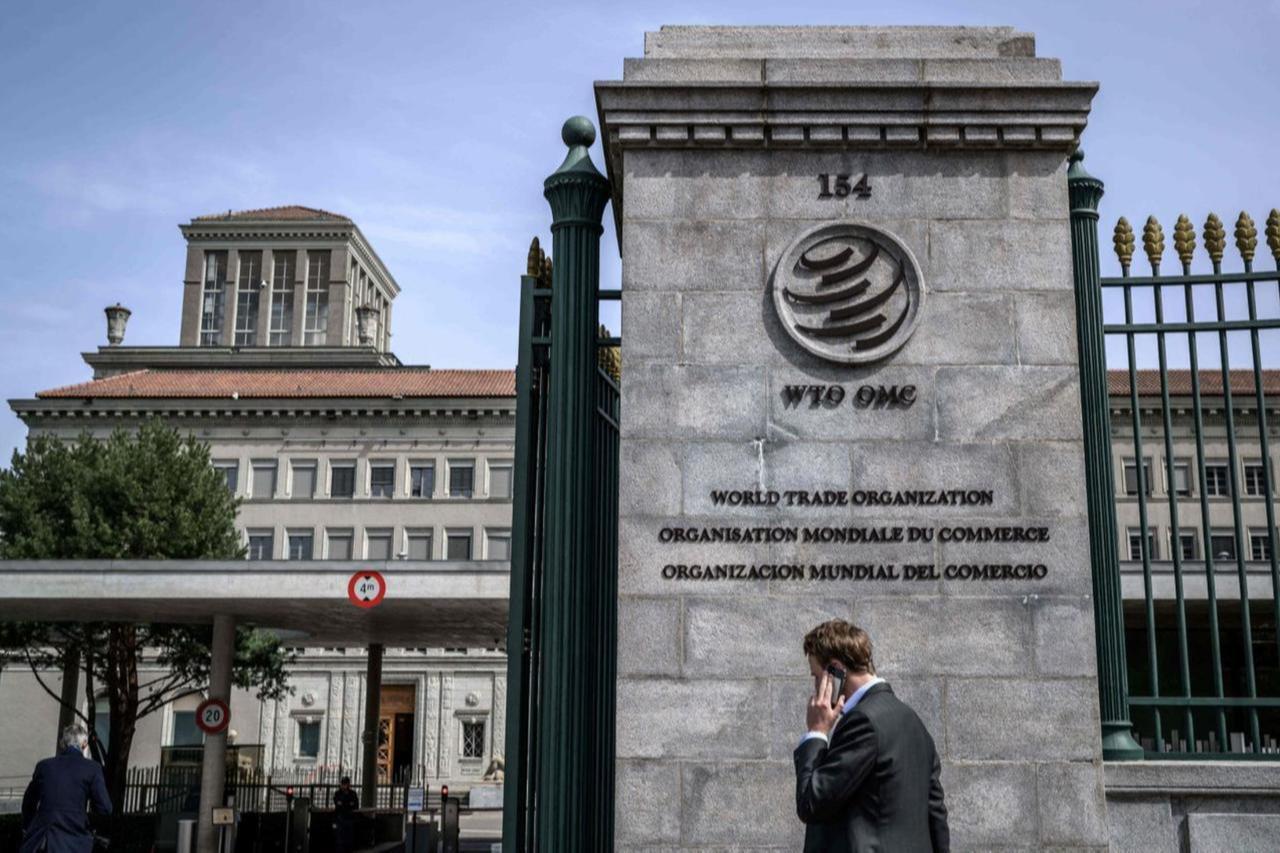
In the following years, the People’s Republic of China was admitted to the World Trade Organization, and NATO expanded eastward in several waves, incorporating former Warsaw Pact countries.
Western capital created new allies across the globe, and new middle classes rapidly adapted to Western consumption patterns that emerged in these countries.
In 1999, Thomas Friedman wrote his famous prediction that “no two countries with McDonald’s would ever go to war with each other.” During this period, many intellectuals such as Francis Fukuyama believed that liberal democracy had achieved an unquestionable victory and that this rupture signified the “end of history.”

However, history proved Fukuyama wrong. Scholars such as Paul Kennedy, John Mearsheimer, and Niall Ferguson debated where U.S. policymakers had gone wrong.
Some pointed to the reconstruction of American security policy around the War on Terror after the Sept. 11 attacks; others to China’s admission to the WTO; and still others to Russia’s failure to be properly integrated into the new system. Although there is no consensus on which was the initial policy failure, it is clear that the unipolar system has been rattled.
As of today, the international system contains numerous actors challenging American hegemony. China, whose population largely lived in absolute poverty when it joined the WTO, has achieved tremendous growth over the past 30 years.
Once regarded as the world’s low-quality manufacturing hub based on cheap labor, China is now highly competitive in areas such as drone technology, electric vehicles, and surveillance technologies.
While it controlled only 1% of the global automobile market in 2000, this share has reportedly risen to 39% by 2024.
China’s expanding industrial capacity has not only enhanced its competitiveness in global markets but has also significantly strengthened its defense technological base and military production capabilities.
After the collapse of the Soviet Union, Russia emerged from a period of chaos and anarchy under the leadership of a strongman figure. It managed to suppress internal separatist movements and, aided by its natural resources, recover economically.
It embarked on ambitious military interventions such as the invasion of Georgia in 2008, Crimea in 2014, and the rest of eastern Ukraine in 2022. When the Syrian civil war began in 2011, Russia was the principal supporter of the Assad regime.
Today, Russia seeks to fill power vacuums even in the Sahel region, where France has lost influence, through proxy groups such as the Wagner Group.
Although the European Union has relatively declined, it remains a significant center of power in the global system. While EU member states may not carry substantial weight individually, as a collective actor, the EU still constitutes a larger economy than China.
Having long pursued a “buck-passing” strategy by shifting defense costs onto the United States, the EU is now confronting the real cost of that decision, highlighted by debates such as Donald Trump’s remarks regarding Greenland.
Despite its relative decline in the global system, it may be more accurate to treat the EU as an actor increasingly independent from the United States. Its growing interest in strengthening cooperation with partners such as India can be seen as an indicator of this shift.
Actors such as India, Brazil, and Indonesia are sometimes described as “swing states.” With their massive populations and significant economic capacities, the long-term decisions of these states could position them as “kingmakers.”
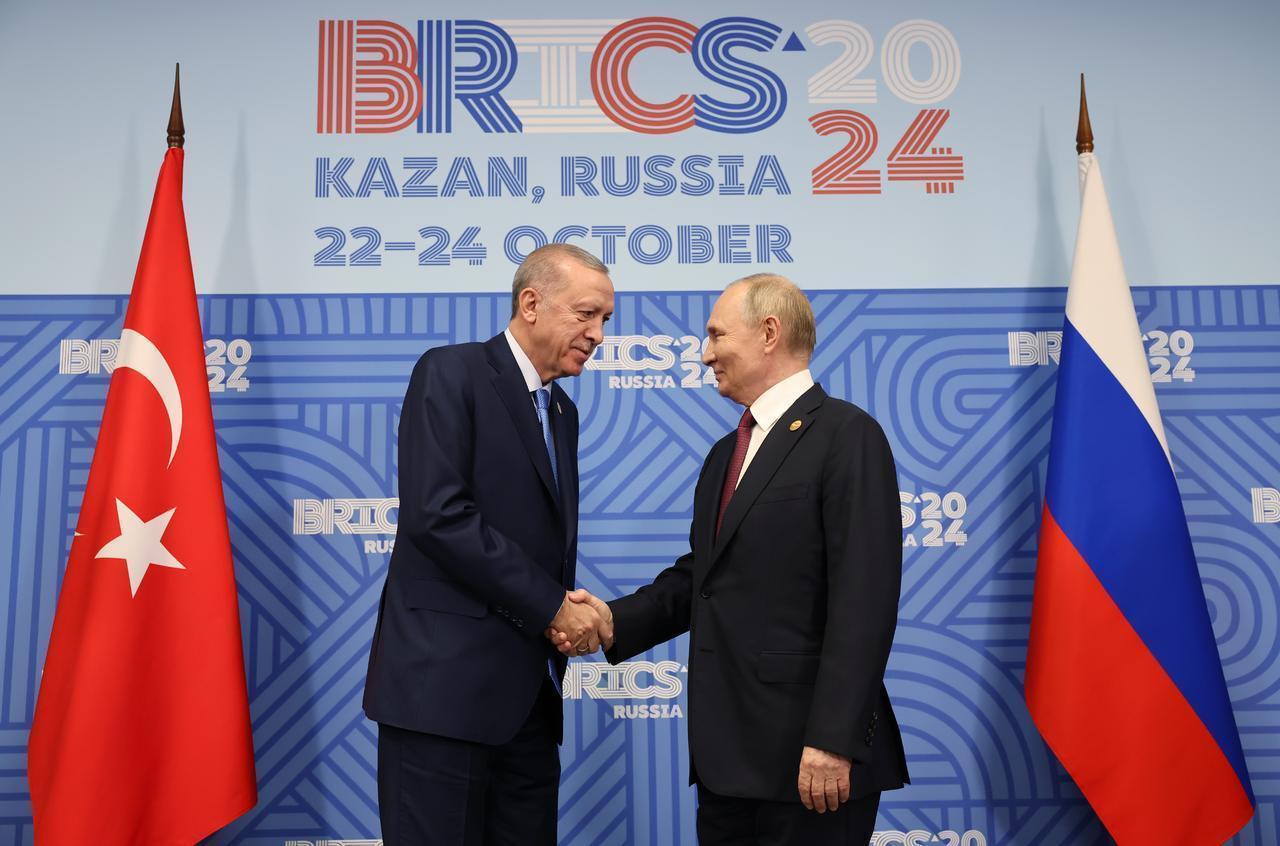
Another key actor in the global system is Türkiye. Türkiye pursued a balancing policy between the Allied and Axis powers during World War II.
Following the economic devastation of the war and under the influence of Soviet revisionism, it aligned with the Western bloc and, with exceptions such as the Cyprus Peace Operation, generally maintained a bandwagoning relationship with the United States.
However, it would be appropriate to argue that over the past decade, Türkiye has acted as a more autonomous actor. This policy has been described in foreign sources as “strategic autonomy.”
Türkiye’s distinct position from other NATO countries in Syria and its maintenance of diplomatic and trade relations with both Russia and Ukraine during their war can be seen as outputs of this strategy.
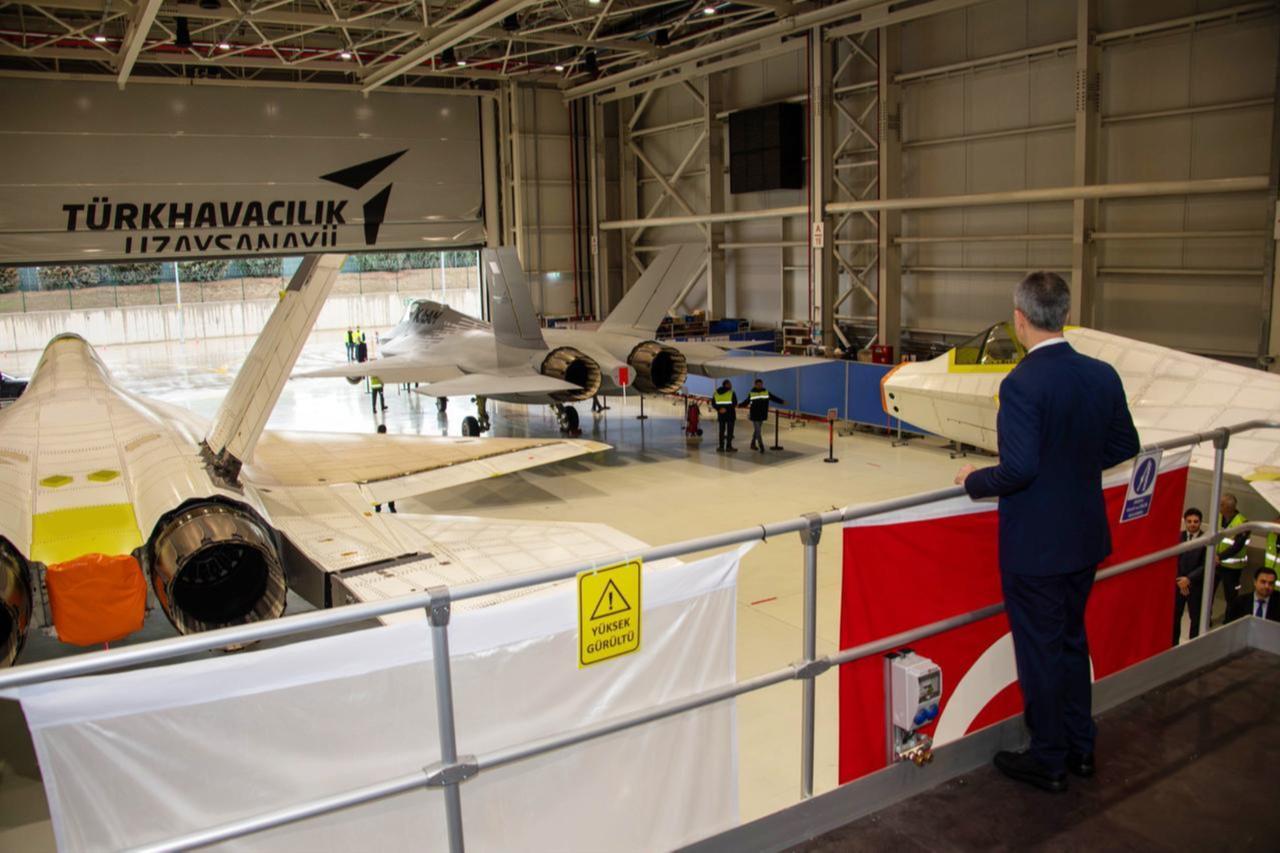
Although India reportedly vetoed its candidacy, Türkiye became the first NATO member state to apply for BRICS last year. With a population approaching 90 million, an economy of approximately $1.4 trillion, dozens of overseas military bases, and a developed defense industry sector, Türkiye is a candidate to become one of the significant power centers of the 21st century.
One of the primary elements supporting this potential is Türkiye’s geopolitical position. While many countries operate primarily within a single region, Türkiye, due to its geography, emerges as either the primary or secondary dominant power in multiple regions.
Excluding Russia, there is no single country capable of balancing Türkiye alone in the Middle East, the Caucasus, the Balkans, or the Eastern Mediterranean.
Moreover, considering Russia’s entanglement in Ukraine and the process that has significantly weakened Iran and its proxies following the Oct. 7 attacks, Türkiye can be said to have gained a relatively advantageous position vis-à-vis these two actors.
The outcome of the Syrian civil war—resulting in the victory of opposition forces supported by Türkiye and the collapse of the Assad regime sustained by Russia and Iran—constitutes a concrete manifestation of this advantage.
Türkiye does not capitalize on its geopolitical position solely through military means. Serving as a bridge between Asia and Europe, the Anatolian peninsula, although not endowed with the abundant underground energy resources of some eastern neighbors, is a crucial transit country for energy and logistics.
Energy projects such as the Trans-Anatolian Natural Gas Pipeline and TurkStream position Türkiye as a candidate to become a significant energy hub. Logistics initiatives such as the Middle Corridor and the Development Road connect Europe with the rising economies of East Asia via Türkiye.
Following the Azerbaijan–Armenia war, the opening of the Zangezur Corridor with Türkiye’s support can be interpreted as Ankara extending its reach into Central Asia by bypassing Iran.
Although the war between Ukraine and Russia has pitted the European Union against Russia for now, in the long term, it increases Türkiye’s importance as a transit country.
Türkiye is active not only in its immediate geography but also in regions with which it shares cultural and historical ties.
Through Turkic-speaking nations, it holds influence in Central Asia; through religious ties and historical heritage, particularly in the Muslim-majority Middle East; and through the Turkish diaspora and local Turkish communities, in Europe.
Today, from Lithuania to Kosovo and from Mongolia to Tunisia, it is quite possible to encounter an aid-financed institutional facility supported by any Turkish public diplomacy institution or individuals who speak some Turkish due to the influence of Turkish television series.
In the context of the transformation of the global system and the end of unipolarity, another significant opportunity before Türkiye is the United States’ “Pivot to Asia” strategy initiated in the early 2010s.
This strategy essentially focuses on containing China—the foremost power capable of challenging U.S. global hegemony—by shifting American attention and presence toward the Asia-Pacific region.
It would not be wrong to say that this policy has accelerated in recent years. The gradual withdrawal of the United States from the Middle East considerably expands the maneuvering space of Türkiye, the sole actor capable of preserving regional stability.
The recent emphasis by the Turkish Ministry of Foreign Affairs on “regional ownership” indicates that Türkiye is positioning itself as a leading candidate to ensure regional stability amid the U.S. retrenchment.
Türkiye’s efforts to enhance its effectiveness in mediation and to take certain steps toward improving relations with other key countries in the region, such as Saudi Arabia and Egypt, can likewise be interpreted within this context.
It should not be forgotten that the transition from a unipolar to a multipolar world presents not only opportunities but also risks for Türkiye.
As many security experts note, the rise of regional powers and the United States’ retreat from its role as the global policeman, shifting its focus to the Asia-Pacific, may reignite frozen conflicts and generate new regional rivalries.
In other words, multipolarity has often been regarded as the system most prone to conflict.
Whether Türkiye will be able to utilize this window of opportunity effectively and emerge as one of the global powers of the new era will be determined in the years to come.


 Set as preferred source
 Set as preferred source


 7 min read