Newsletters


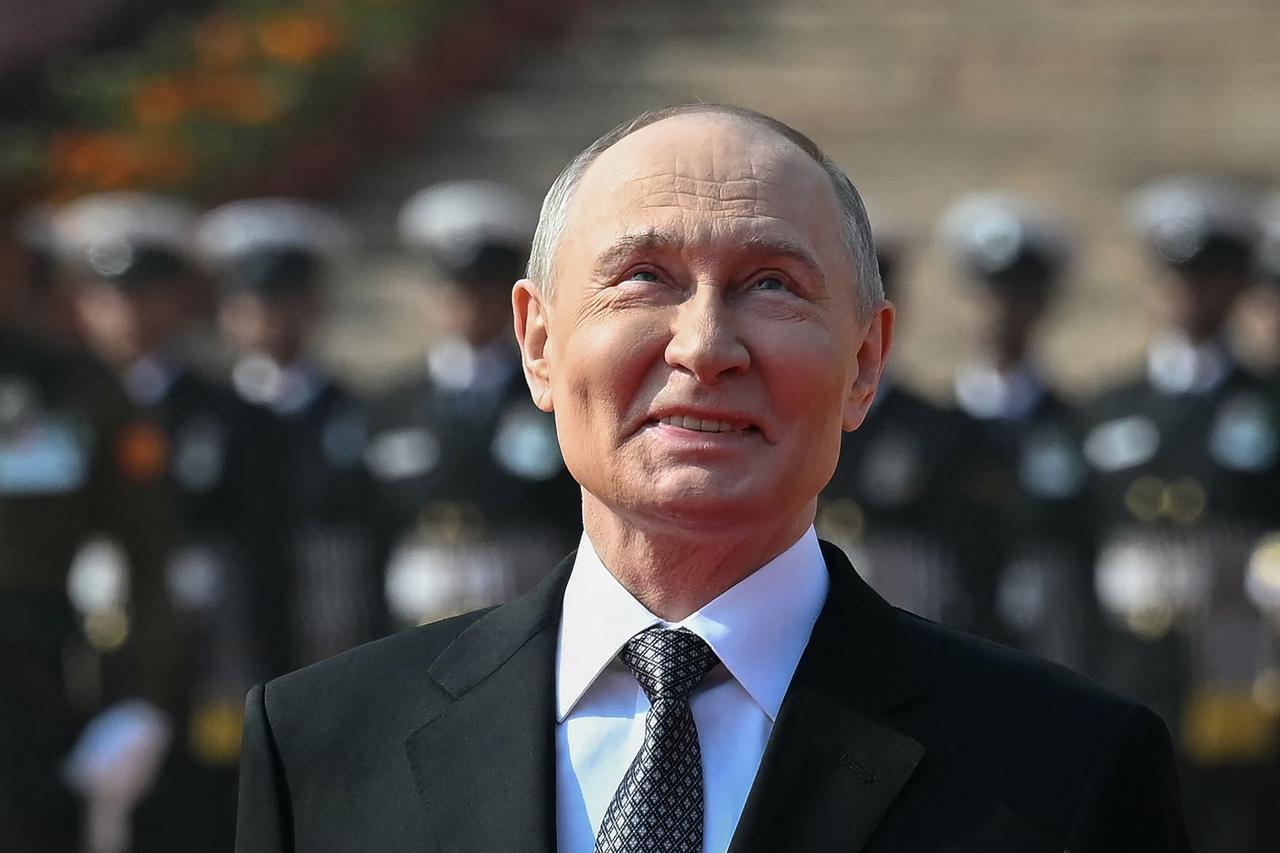


I was very young but still remember the 22 long days the Bosnian delegation spent in Dayton, Ohio, days that would determine whether my country lived or died. Led by President Alija Izetbegovic and Prime Minister Haris Silajdzic, our team negotiated around the clock, with warring sides directly and also navigating a maze of American, French, Russian, and other intermediaries.
Twenty-five years later, when Silajdzic later joined me on my program, he described those sessions as excruciating: endless disputes over territory, political entities, and the very question of whether Bosnia and Herzegovina would exist at all. “Many things we didn’t like but had to accept them and capitalise. In politics, sometimes you need to do that,” he often repeated to us journalists many years after the war ended.
And while they argued behind closed doors, we waited breathlessly for even a whisper of hope that the shelling, the hunger, and the brutal killings might finally end.
The delegations were barred from speaking to the press. Bosnians, the region, and the world held their breath. The fate of an entire nation depended on decisions made inside rooms no one could see.
Silajdzic told the press that one moment nearly broke the talks entirely. Negotiations collapsed over the fate of the Brcko District, a strategic corridor the Bosnian Serb side demanded to keep. Late one night, U.S. envoy Richard Holbrooke delivered an ultimatum to our delegation: accept the Serbian proposal by 11:30 p.m.
After difficult talks, we decided that the answer was no. The Bosnian delegation began packing to return home without a deal, prepared, if necessary, to return to a war that had already taken more than 100,000 lives.
The next day, the U.S. delegation, led by Richard Holbrook, assistant secretary of State for Europe, agreed that the question would be handled later through international arbitration if negotiations resumed and finally produced an agreement.
But Washington issued a final warning: this was the last push. If the sides refused to compromise, U.S. engagement would be scaled back. Europeans echoed the same message. Bosnia’s delegation understood the stakes. Civilians were being brutally killed, women raped, people were leaving in thousands, children were not going to school, and food and basic supplies were in short supply. Without Western support, the country’s chances of surviving as a whole were slim. Thousands of soldiers were killed trying to defend this small country in the heart of Europe while the world watched. They negotiated just a few months after the Srebrenica genocide and the mass killings in several towns of eastern Bosnia that were now discussed to be part of the Republika Srpska entity.
Bosnia entered the Dayton talks with four non-negotiable demands: a unified and sovereign state within its existing borders; an undivided Sarajevo; territorial continuity for the Federation; and a viable solution for Brcko. Three of the four were secured.
The next day, they agreed on the deal and despite painful compromises, Bosnians returned home knowing the vital institutions were kept and that, despite everything the country has been through since the Bosnian Serb aggression, it will continue to exist as a single independent country.
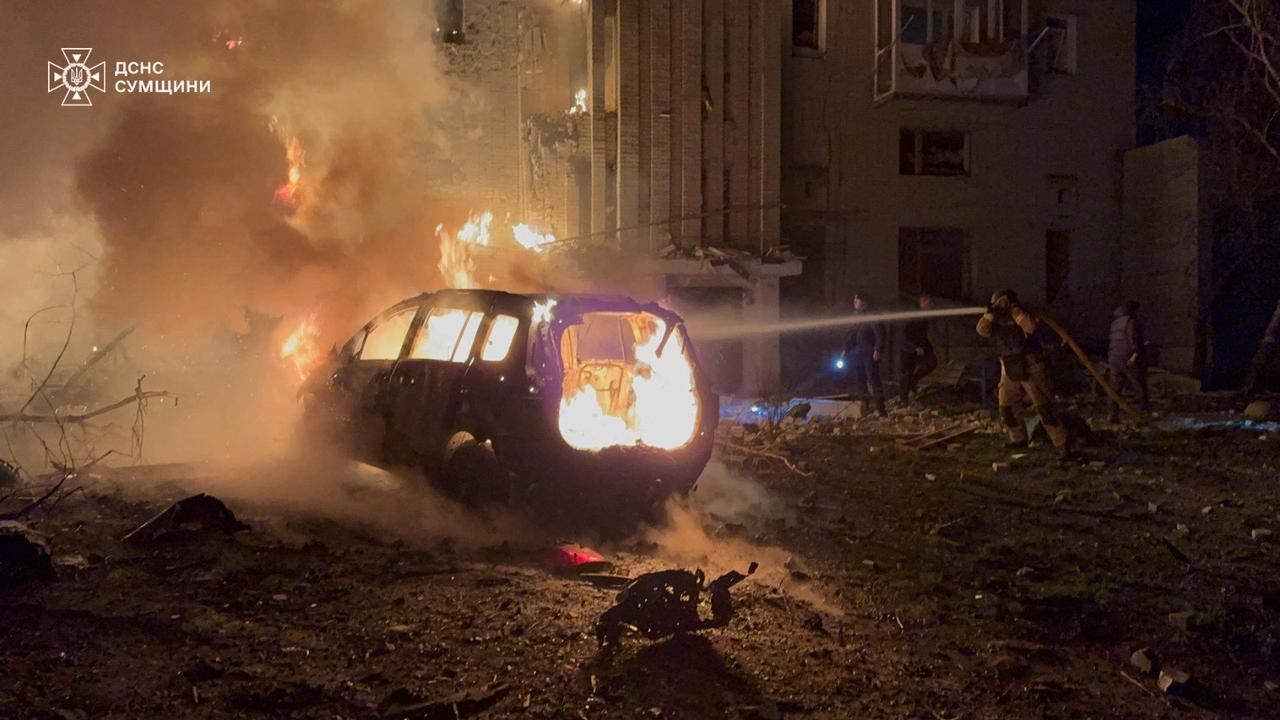

Fast-forward 30 years. There is a different war on European soil, and the world watches another set of high-stakes negotiations, between Russia and Ukraine, again facilitated by the United States.
In recent days, Russian President Vladimir Putin met in the Kremlin with U.S. envoy Steve Witkoff and Trump adviser Jared Kushner for five hours. The meeting was described as “constructive,” but produced no compromise.
As in Dayton, the most contentious issue is territory. Some U.S. proposals were acceptable to Moscow; others were rejected. Ukraine's President Volodymyr Zelenskyy warned that Russia's President Vladimir Putin is stringing along Washington, while Europe fears Moscow is using the talks to buy time and escalate attacks. Another Trump-Putin meeting is now being floated, but it hinges on preparatory work and on whether there is any substance left to negotiate.
Just like the Bosnian position, Ukraine’s position remains firm as well: no territorial concessions, full transparency, and international guarantees. In this, Kyiv echoes Bosnia’s insistence that sovereignty cannot be traded for the illusion of peace.
Many details were floating around of the different U.S.-backed proposals, from a 30-day ceasefire to quiet acceptance of Russian control over occupied Ukrainian territory, and it looked less like assertive peacemaking and more like crisis management designed to freeze the conflict rather than solve it.
But here is the core argument, the lesson America seems to have forgotten.
In Dayton, the U.S. did not flatter the warring sides with polite language.
It did not reward obstruction with more meetings.
It did not describe a deadlock as “constructive.”
Holbrooke gave ultimatums, real ones:
- Reach an agreement, or the United States walks away.
- No more shuttle diplomacy. No more endless talks. No more pretending that both sides carried equal moral weight.
That is why Dayton worked: not because the parties suddenly found common ground, but because the United States demanded seriousness and imposed consequences.
Last week, Trump's special envoy, Steve Witkoff, and son-in-law Jared Kushner arrived in Moscow not with firm red lines, but with accommodating language. They emerged telling the media that talks were “useful” and “productive,” even as Putin simultaneously accused Europe of sabotage and threatened wider war. Instead of applying pressure, Washington projected patience. Instead of an ultimatum, it offered optimism.
But negotiations with those who bomb hospitals and schools daily do not become more productive with softer rhetoric, they become more dangerous.
If the United States truly wants a breakthrough in Ukraine, it must relearn the lesson of Dayton: Strength, clarity, and credible ultimatums end wars. Ambiguity prolongs them.
Witkoff and Kushner should have told the Kremlin exactly what Holbrooke told the parties at Dayton: Either you move toward a deal, or we withdraw from the process and leave you to bear the consequences alone.
Anything less only encourages Moscow to believe that time and American goodwill are on its side.


 Set as preferred source
 Set as preferred source



 7 min read