Newsletters


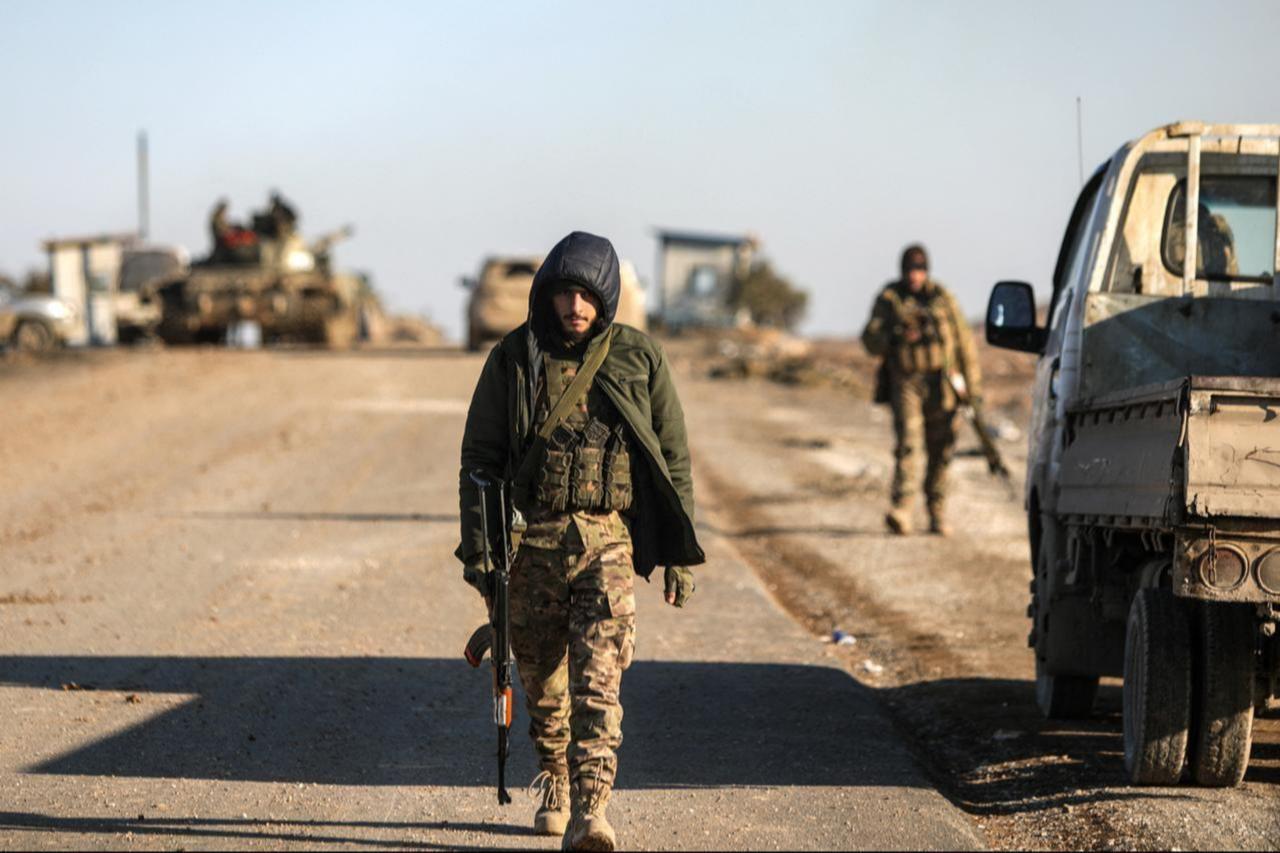


The city of Hasakah saw a large demonstration by locals demanding that the Syrian government take complete control of all institutions in the city and that all elements associated with the now-dissolved SDF be removed.
On the same day, former SDF units now integrated into the Syrian army published a video of soldiers giving military commands in Kurdish.
The demonstration and the video, both emerging from the heart of the integration process between Damascus and the Kurdish-led former SDF, remind us that the meaning of integration is still disputed.
Since January 2026, the integration of northeastern Syria has made significant progress. When Mazloum Abdi declared the dissolution of the SDF, it marked a milestone in the process. Many saw it as a point of no return, and the integration of former SDF-affiliated institutions in the Hasakah-Qamishli region and Ayn al-Arab (Kobane) is expected to proceed. While this assessment is correct, it should not obscure another reality.
The exact meaning of integration is still a matter of debate and negotiation, and these negotiations will likely take place not only at the table but even more in practice.
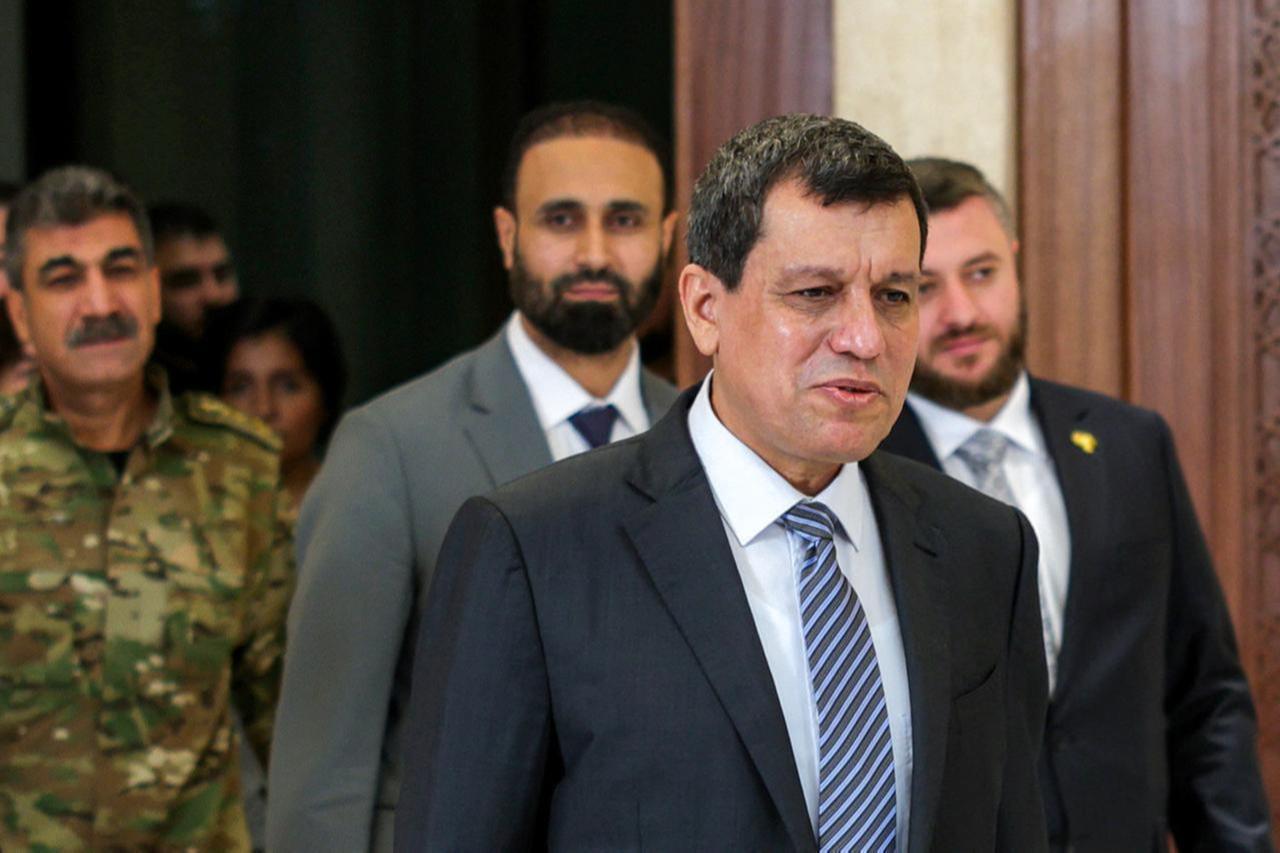

The recent mass mobilization of residents in Hasakah city should therefore be seen as a reminder that the meaning of integration is still contested. Hasakah city is largely Syrian Arab, and Syrian Kurds make up approximately 15 to 25% of the city's population.
Because the governor of Hasakah governorate is based in the city, its fate was seen as a test of what integration means in practice. The governor was selected by the SDF and appointed by Damascus.
However, many Syrian Arab residents demand full control by the Syrian government and want former SDF-affiliated power centers to leave the city. They do so not without reason: the "Revolutionary Youth," a group described as PKK-affiliated, led an arrest campaign by former SDF members against several Arab civilians on suspicion of Daesh membership.
Damascus is likely to use this public sentiment to assert its control over Hasakah city.
 2 min read
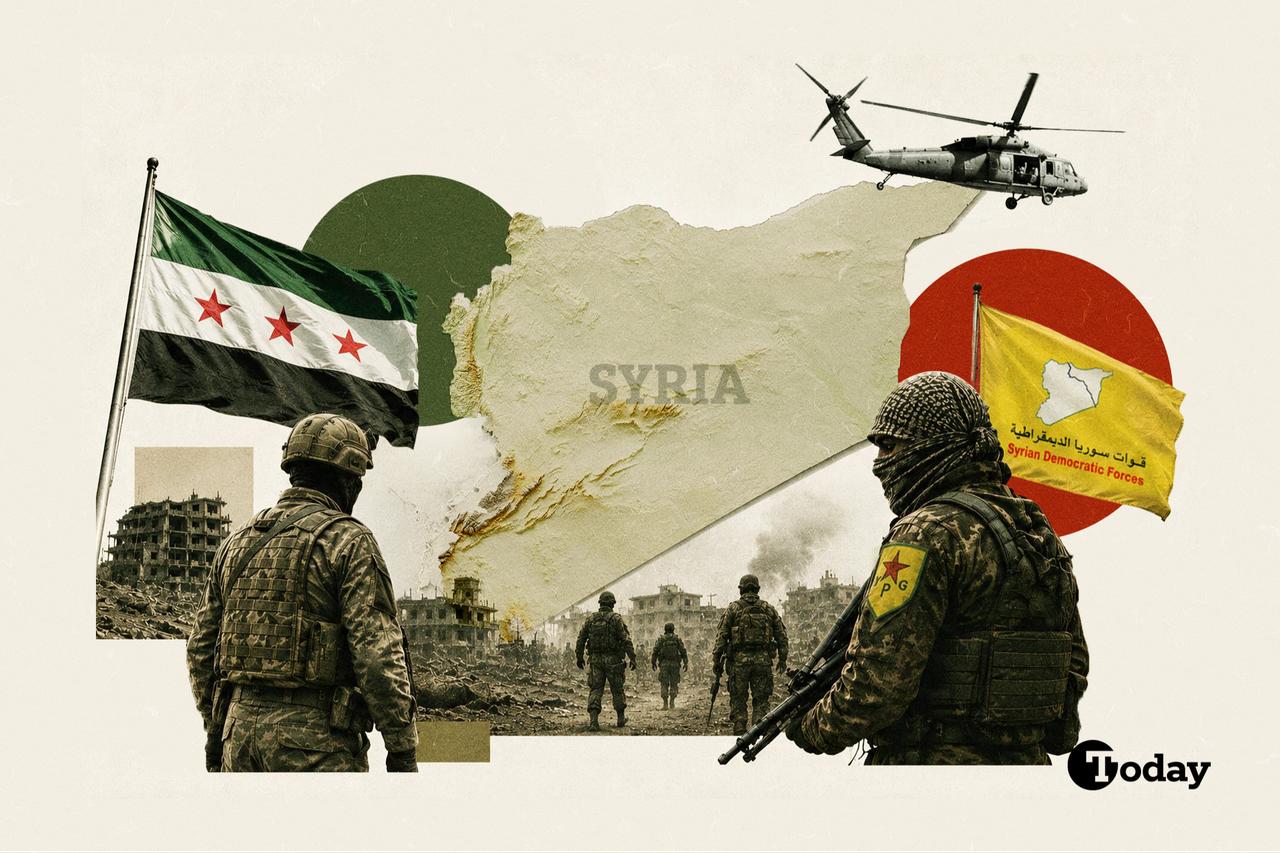
On the other side, former SDF members are trying to create a fait accompli by providing video evidence to Kurdish media outlets that they continue to operate under separate, autonomous chains of command within the legal framework of the Syrian army.
A common language of training and command is normally central to a professional army, and Damascus' vision does not appear to include brigades with their own command vocabulary.
While the big and difficult parts of integration have been finalized or are moving in the right direction, the details and fine-tuning will remain a source of contention for some time. If Ahmad al-Sharaa's record in Idlib is any guide, he shows considerable pragmatism until he manages to assert his control.


 Set as preferred source
 Set as preferred source


 1 min read