Newsletters


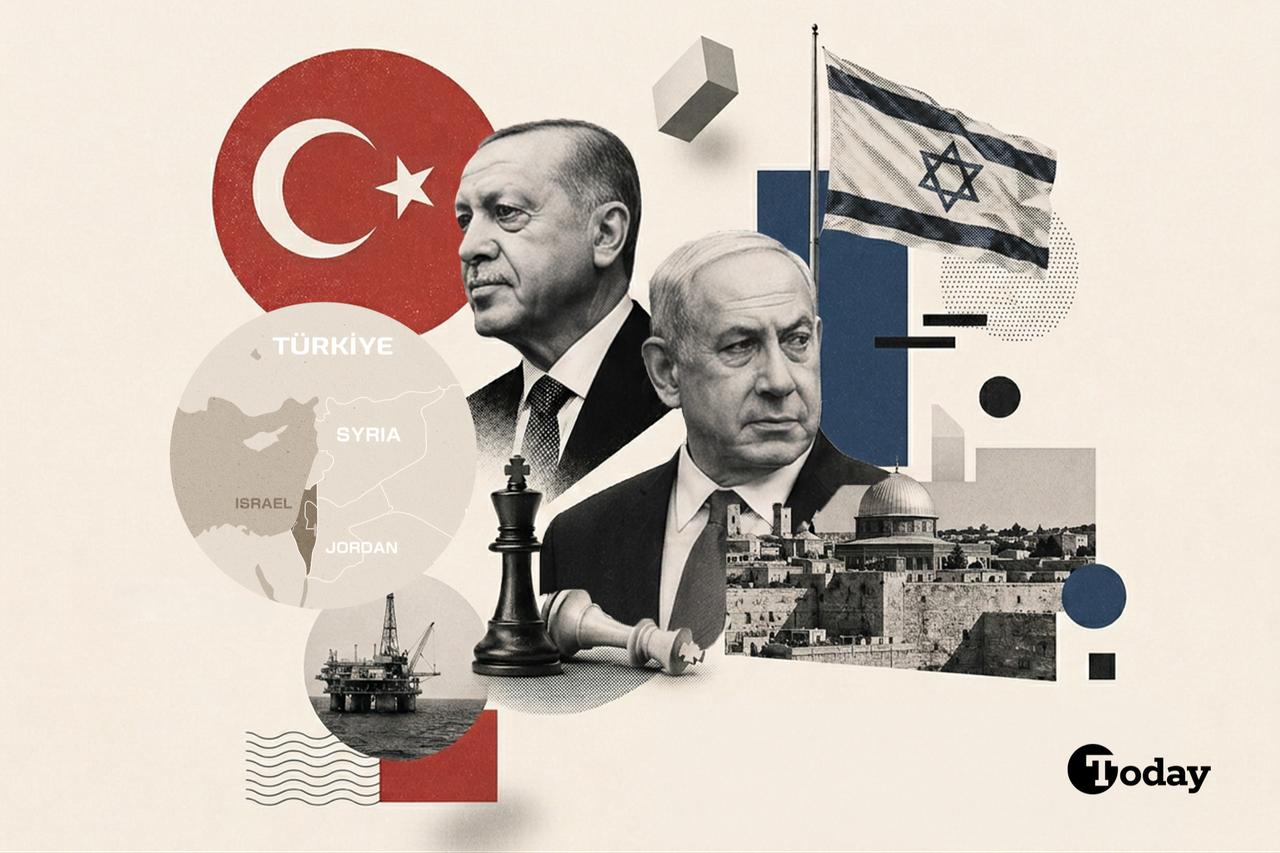


Ahead of the elections scheduled to take place in Israel in October 2026, the country’s domestic politics, regional strategy and the future of its relations with Türkiye have once again become the center of intense debate.
The potential outcomes of the elections, whether they will bring about a shift in Israel’s Middle East policy, and how the tensions along the Ankara–Tel Aviv axis may evolve, are being closely monitored in international security circles.
In this context, Türkiye Today talked to Remi Daniel, a Türkiye expert at the Institute for National Security Studies (INSS) in Israel.
In the current Israel's political climate, do you see Benjamin Netanyahu as more likely to remain in power, or do you think Israeli voters are more inclined this time to reflect a meaningful demand for change at the ballot box?
Daniel: If we are to believe the polls, Netanyahu’s current coalition is in a very difficult position and has little chance of maintaining its majority after the next election. From Netanyahu’s perspective, the situation has worsened in recent weeks.
The government’s inability to point to a clear victory in Gaza, Lebanon, or Iran, combined with growing war fatigue in Israeli society and increasing questioning of the actual impact of the efforts made so far, has weakened it.
This is further compounded by a controversial budget widely seen as favoring the coalition’s base, particularly the ultra-Orthodox, at the expense of the broader population, thereby strengthening the desire for change in Israel.
However, a surprise remains possible. Netanyahu has repeatedly proven himself to be a highly effective campaigner.
Moreover, the opposition still lacks unity and has not succeeded in producing a leader capable of truly competing with him in terms of perceived leadership.
Therefore, while the overall trend is clearly working against Netanyahu, it is still too early to conclude that his rule is over.
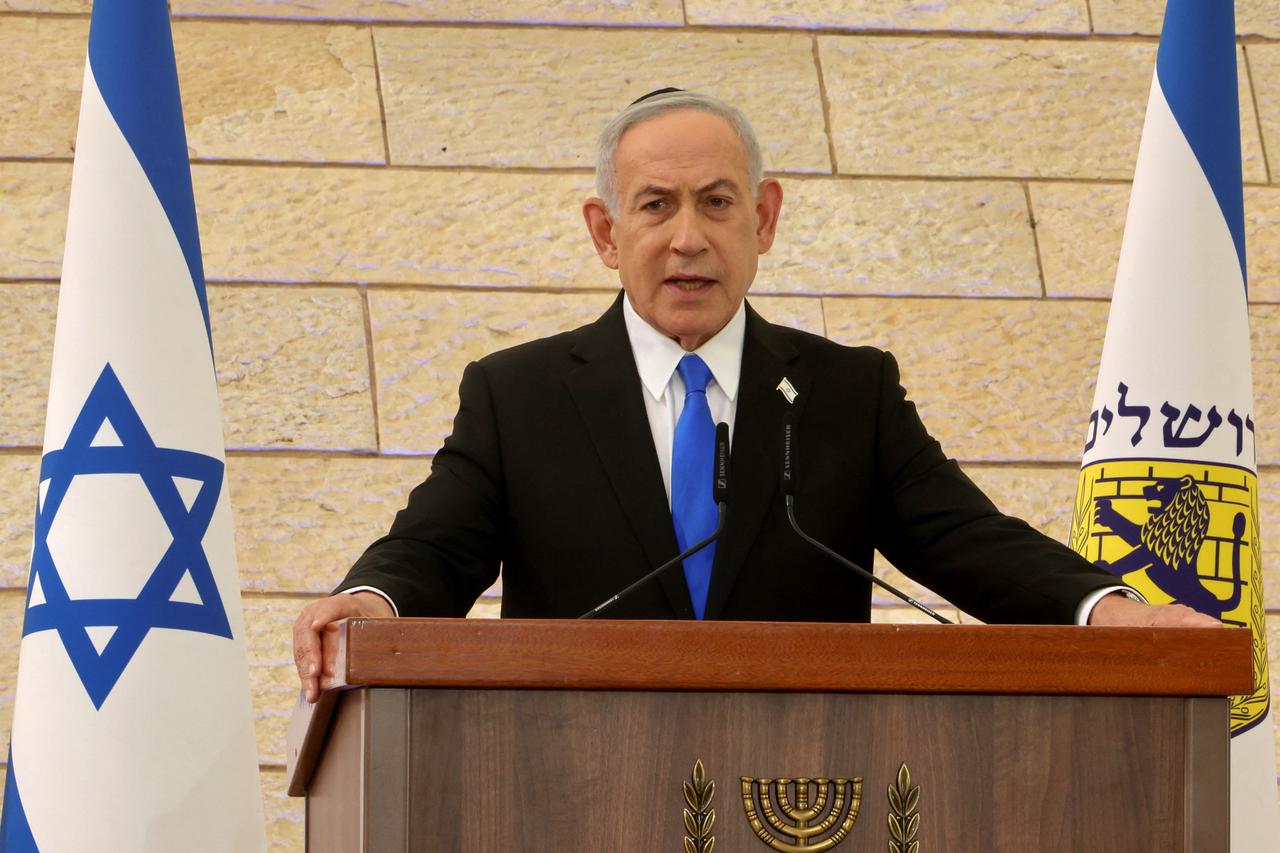

What do you consider to be the primary motivation behind Israeli voting behavior: security concerns, political stability or expectations of regional normalization?
Daniel: Among the three elements you mention, expectations of regional normalization and the need for political stability are, in my view, the least influential.
Regional normalization is consistently seen as valuable and may be highlighted in campaigns, but it is generally secondary to immediate security concerns.
Political stability is also not a decisive issue, as the current government has already demonstrated a strong capacity to remain in power for an extended period.
Security concerns are more decisive, particularly in the current environment. A large part of Israeli society remains dissatisfied with the outcomes of the war, and surveys show limited support for ceasefires due to the perception that strategic objectives have not been achieved.
After years in which security issues benefited Netanyahu politically, they may now be producing the opposite effect.
Domestic issues also play a major role, including ultra-Orthodox conscription, political polarization, and demands for an inquiry commission into the events of Oct. 7.
These issues sharpen the contrast between the governing coalition and the opposition and are likely to strongly influence voter behavior.
If Netanyahu were to lose the elections, should we expect a genuine strategic shift in Israel’s Middle East policy, or merely a rhetorical softening?
Daniel: Israel is a democracy in which the security establishment operates under government authority. During the war, on several key issues, senior military officials have at times expressed views diverging from those of the government and have ultimately been overruled. A change of government could therefore, in theory, have a significant impact on the country’s foreign and security policy.
However, one should not expect a dramatic shift in Israel’s foreign policy if Netanyahu were to lose the 2026 elections.
First, according to current polling, the center of gravity of any alternative coalition would likely remain on the right of the political spectrum.
Moreover, there is a relatively broad consensus on core security issues in Israel. The doctrine of pre-emptively striking emerging threats, shaped in part by the trauma of Oct. 7, is likely to remain a cornerstone of Israeli strategy, regardless of who is in power.
It is also important to recall that Netanyahu has not always embodied this proactive approach. In earlier years, he showed greater caution regarding strikes in Lebanon, Gaza, and Iran, largely due to concerns about escalation.
However, this restraint has gradually eroded, both within political leadership and within Israeli public opinion. As a result, a more proactive security posture is likely to persist even under a different government.
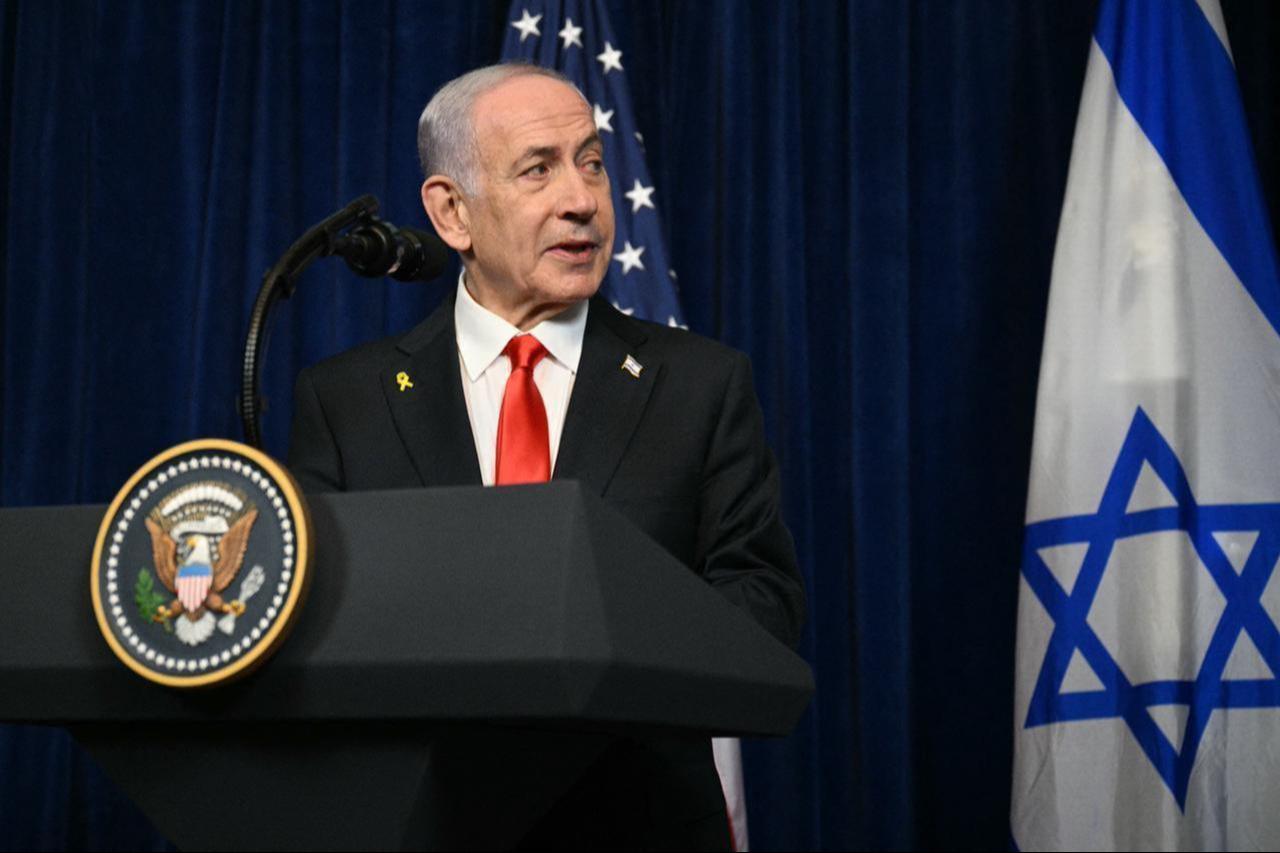
In a post-Netanyahu Israel, can we expect any substantive policy changes in the approach to the Palestinian issue, or is this field one of the “constants” of Israeli politics?
Daniel: The most significant potential change under a new government would be a rationalization of Israel’s approach to the Palestinian arena.
Under Netanyahu, policy has become increasingly shaped by his hardline coalition partners: restricting the return of the Palestinian Authority to Gaza, expanding settlement activity in the West Bank, and responding weakly to settler violence—policies that have generated tensions with regional and Western partners.
A new coalition would not fundamentally transform Israel’s position. It is unlikely, for example, to support the creation of a Palestinian state.
However, it could introduce limited but meaningful adjustments: stronger action against extremist settlers and greater pragmatic engagement with the Palestinian Authority. This would likely reflect a shift toward a more pragmatic center-right orientation.
In terms of regional normalization, it is increasingly clear that no new diplomatic breakthroughs are possible without at least symbolic changes in Israel’s approach to the Palestinian issue.
A new government could therefore open limited diplomatic space and rebalance Israel’s strategy, which currently relies heavily on military tools with relatively constrained diplomatic engagement.
This does not imply a reduced readiness to respond to security threats. However, incorporating a stronger diplomatic dimension could enable more sustainable long-term arrangements and improve Israel’s regional integration.
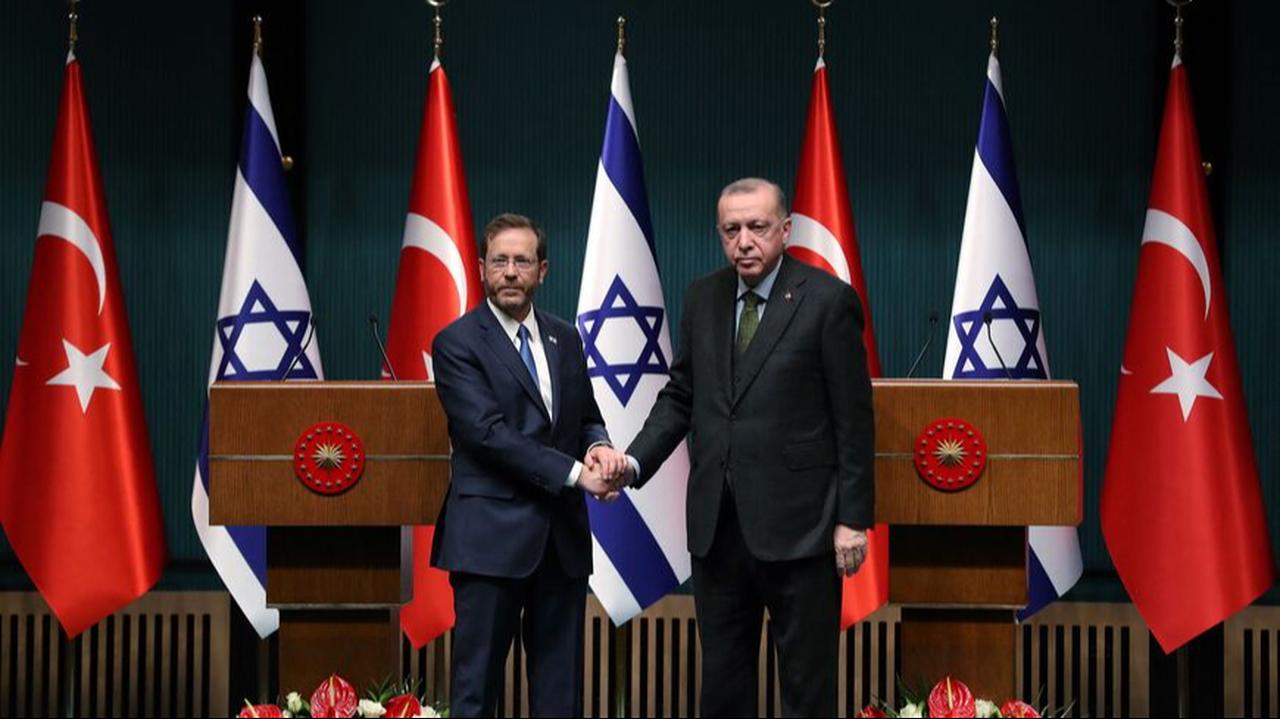
Do you see any realistic possibility of normalization in Türkiye–Israel relations after elections? Would a leadership change lead to rapprochement, or only pragmatic cooperation?
Daniel: Regarding Turkish-Israeli relations, I am rather pessimistic. A change in Israel’s leadership may indeed have a small positive impact. Netanyahu has become such a negative symbol in Turkish public opinion (as in other countries) that little progress is possible while he remains in power. However, other negative factors will continue to play an important role.
First, opposition to Türkiye’s current policy and leadership is widespread in Israel, so a new government would not be composed of politicians with fundamentally different views toward Ankara.
Moreover, the rivalry between Ankara and Jerusalem across various arenas is based on concrete realities that will persist.
Finally, the ties between Türkiye and Israel are weakening. The two societies are more hostile to each other than ever, and trade links, which helped maintain common interests, have been halted due to Türkiye’s embargo.
As a result, we are more likely to see pragmatic cooperation than genuine rapprochement.
This is also linked to the current stance of the Turkish leadership, which has recently escalated its rhetoric toward Israel—not only its government—and shows little willingness to improve relations.


 Set as preferred source
 Set as preferred source


 3 min read