Newsletters




A tube of red lipstick is often the smallest item in a person’s bag, yet it has historically carried the heaviest weight.
It all started in Mesopotamia, traveling through Egypt, Greece, Rome and different eras where red was a symbol of status, ritual, identity and justice. But the modern power of the red lip was truly forged in conflict.


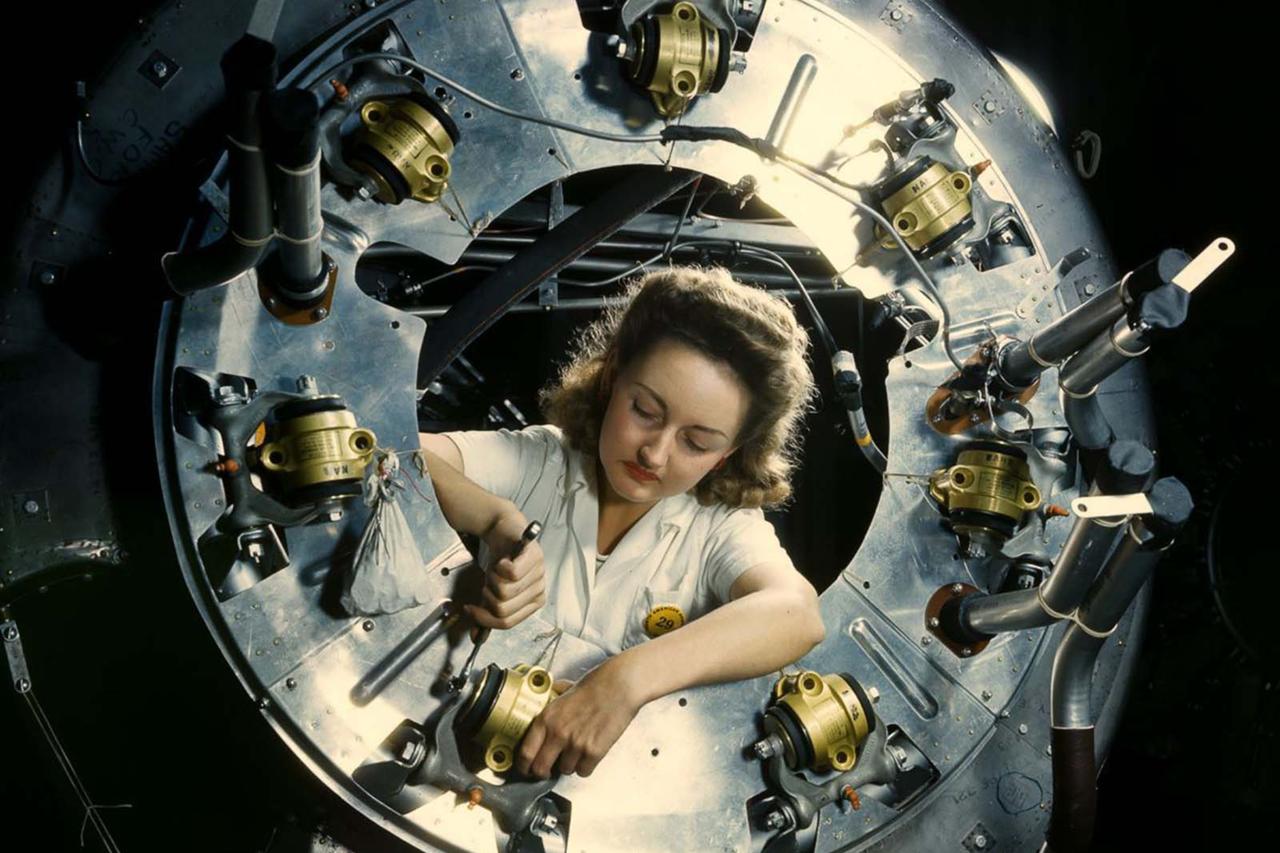
During World War II, while men were at the front, millions of women entered factories and the workforce with red lips, showing resilience as their husbands fought.
Red lipstick was and is not an ordinary cosmetic.
In Nazi Germany, the regime promoted a rigid, "pure," and natural image. Makeup was seen as decadent or morally questionable. But in the Allied countries, the exact opposite happened.
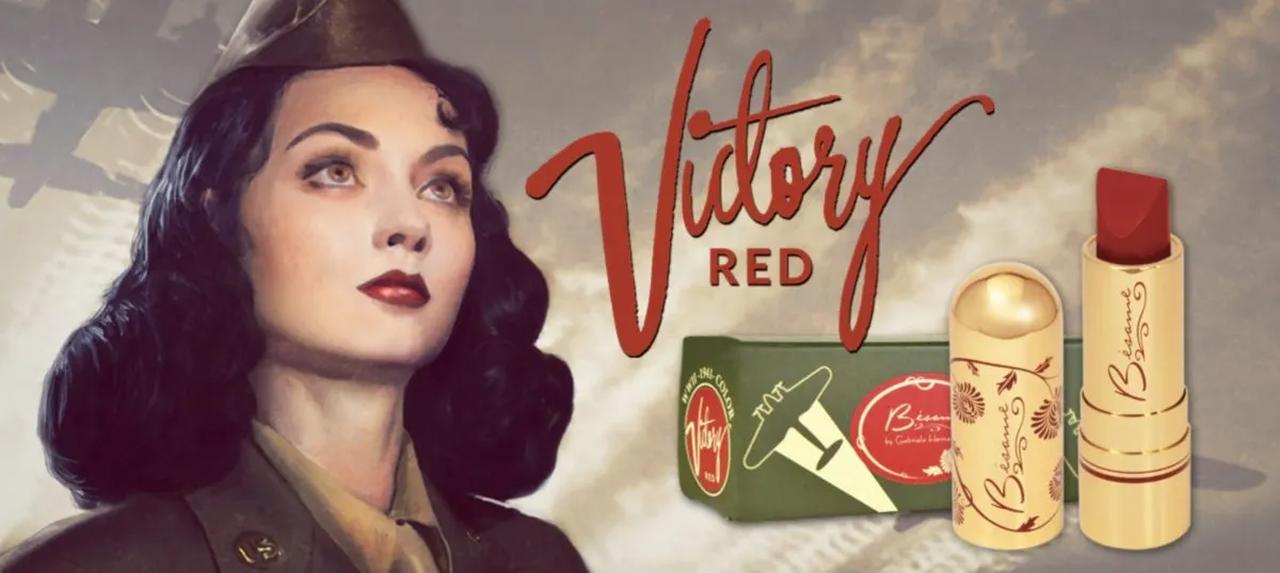
In the United States, Elizabeth Arden formulated "Victory Red" for women serving in the U.S. Army. The message was clear: image was an extension of morale, making it an official part of the military effort.
In the United Kingdom, the government decided not to ration lipstick. Winston Churchill understood that maintaining morale was just as important as manufacturing weapons. A small gesture in front of the mirror could mean dignity in the middle of a war.
In factories, military spaces, concentration camps, and hospitals, millions of women chose to paint their lips as a symbol of resilience. Red lipsticks were promoted as a symbol of optimism, discipline and strength.
To paint one's lips was to choose a side. It signaled a refusal to break: we are here, and we are undeterred. Red lipstick isn't a tool of vanity; it is a signal of intent.
Lipstick is generally used to color, moisturize, or texturize the lips, adding shine.
In short, it is a cosmetic. But it is not only that; it symbolizes the desire to maintain self-esteem even in difficult times.
Amidst economic crises, when buying a luxury item or something expensive stretches an individual's budget, lipstick is often the only premium item that continues to be purchased.
This is the heart of the 'Lipstick Index.' Coined by Leonard Lauder in 2001, the term explains why cosmetic sales often soar during economic downturns when other luxury goods plummet.
Since it’s an affordable luxury, it offers the same little thrill as a much bigger splurge. It’s a small boost of motivation that helps people keep going through a crisis.
Red lipstick remains a small reason to "keep going" even when the economy is tight, and its sales continue to increase. Due to economic realities, some consumers have had to trade in luxurious or premium brands for more affordable, everyday favorites without giving up the ritual itself.
With fluctuating individual budgets, buyers are opting for more affordable alternatives, especially in emerging markets where price becomes a decisive factor. However, the product itself is still consistently purchased.
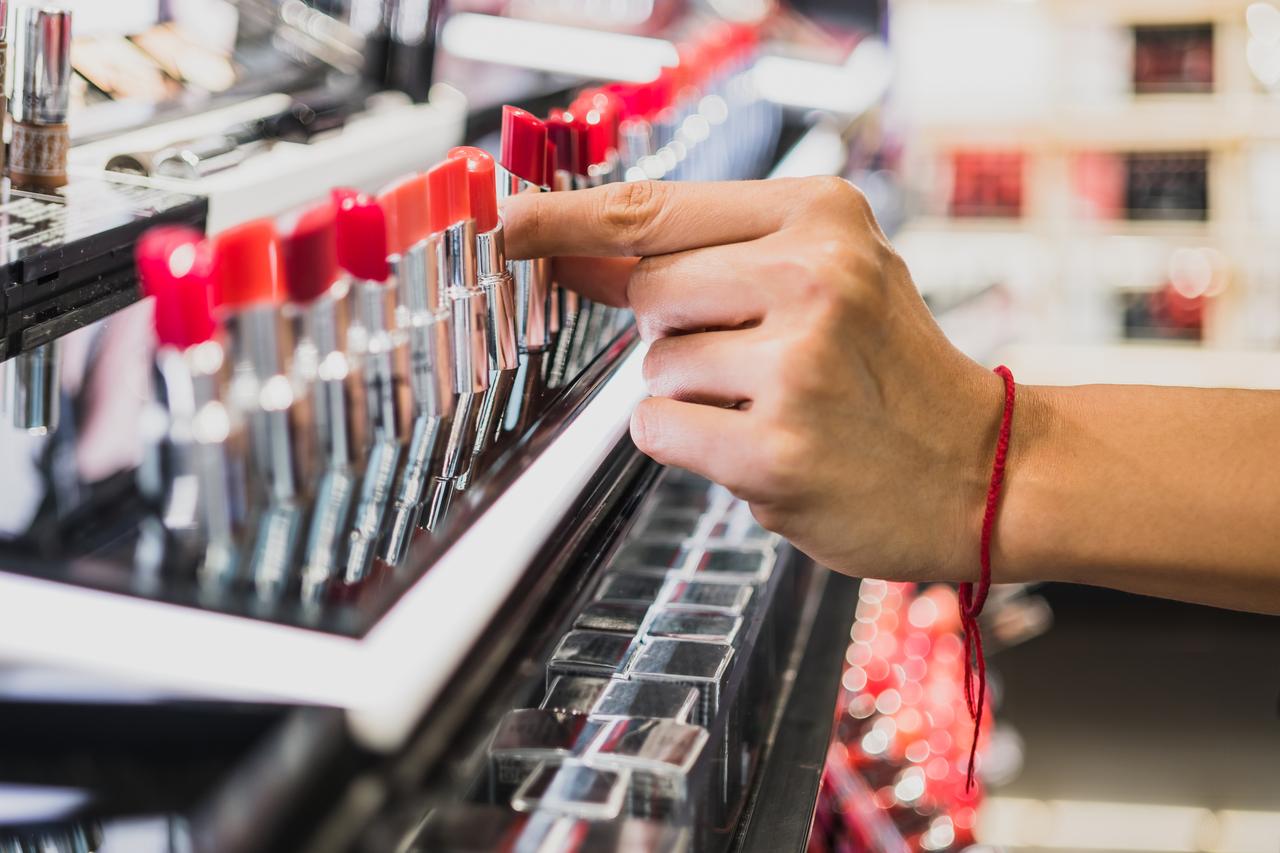
This resilience translates into a massive global footprint.
The global lipstick market size was valued at approximately $11.68 billion in 2025 and will reach $21.24 billion by 2034, growing at a compound annual growth rate (CAGR) of 6.87% from 2025 to 2034.
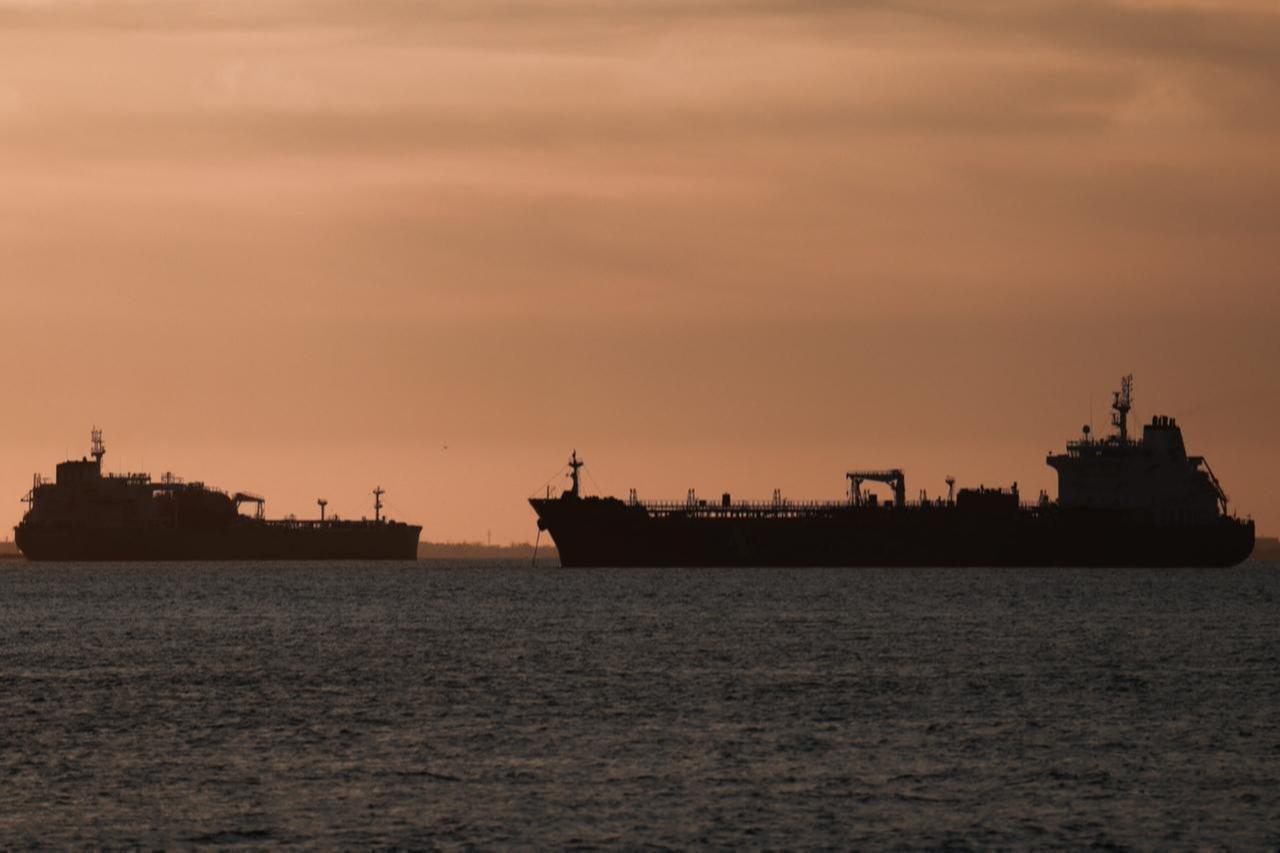
Geopolitical instability has once again turned a cosmetic staple into a barometer for global conflict.
As of April 2026, the war in Iran and the blockade of the Strait of Hormuz have sent ripples through the beauty supply chain.
At the Cosmoprof trade fair in Bologna, Italy, industry leaders warned that the crisis is driving up the cost of everything from plastic tubes to raw chemical components, as reported by Reuters.
With shipping routes forced into lengthy detours and lead times stretching from eight weeks to 14, companies like Kiko Milano are already bracing for millions in additional logistics expenses.
Much like the supply lines of the 1940s, today’s "beauty logistics" are being rerouted at a high cost, with major brands estimating millions in additional expenses due to container shortages and shipping delays.
Simultaneously, the demand for sustainable formulations is no longer a niche preference but a global market force.
The clean beauty sector is projected to grow from $12.4 billion in 2026 to nearly $38 billion by 2034, according to Business Fortune Insights.
This market shift is now being written into law. By Sept. 27, 2026, the European Union’s Directive 2024/825 will be fully enforced, effectively banning vague marketing terms like "eco-friendly" or "natural." Moving forward, every green claim must be backed by verified, science-based data.
The power forged in 20th-century conflict is being tempered again today. While "Victory Red" has evolved into the sustainable formulas of 2026, its message is unchanged. Despite rerouted ships and rising costs, that small tube remains a defiant symbol of resilience, a quiet promise that we are still standing, still working, and still moving forward.


 Set as preferred source
 Set as preferred source



 7 min read