Newsletters




This article was originally written for Türkiye Today’s weekly newsletter, Saturday's Wrap-up, in its Dec. 20, 2025, issue. Please make sure you subscribe to the newsletter by clicking here.
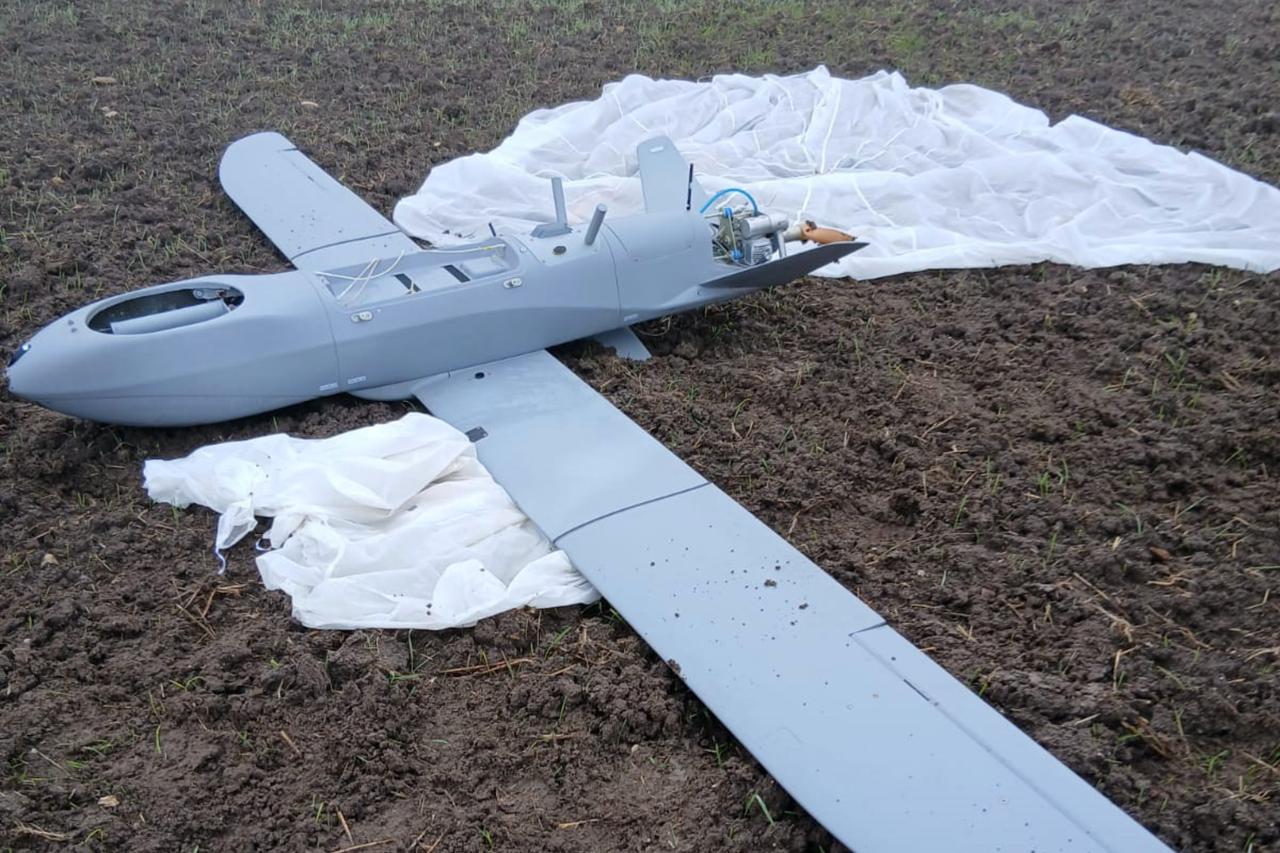
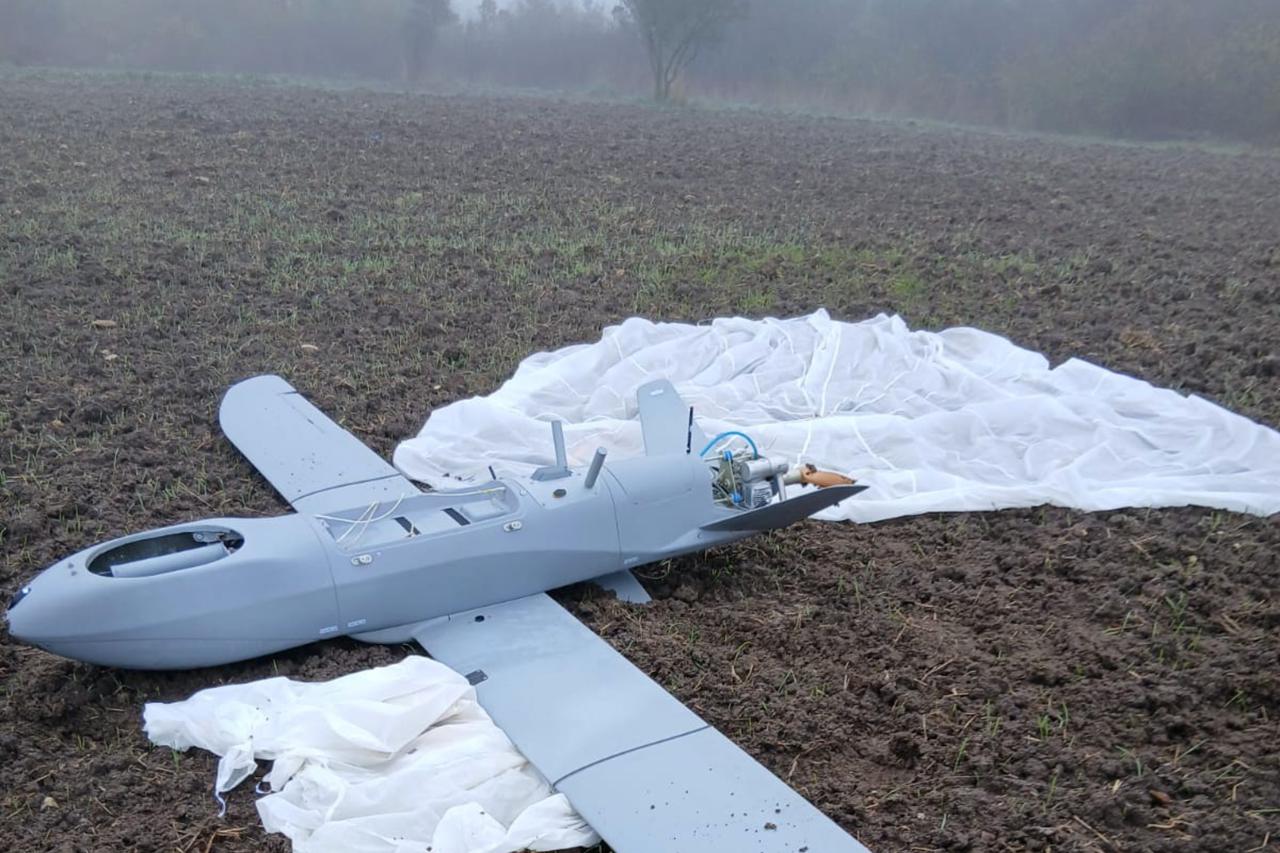
Back in June 2022, villagers from a peaceful coastal town in Türkiye’s Gumushane found a small drone while strolling through their village on a sunny day and immediately alerted authorities. It was an early indication of the spillover effects of the Russia–Ukraine war: A 2-meter-long Russian Orlan-10 drone lying on Turkish soil. From that point, sea mines and the wreckage of downed drones kept drifting toward the Bosphorus as the war escalated.
Before news broke that Turkish F-16s had tracked and shot down an unidentified drone on the evening of Dec. 15 near Ankara, several Turkish tankers had already been hit as the Ukraine–Russia war intensified in the Black Sea in recent weeks. After the drone incident, most media outlets leaned on official statements, as is often the case in sensitive developments. The coverage emphasized that the drone posed no immediate threat to the public, and that investigations were underway.
On television panels and social media timelines, however, the tone was sharper. Commentators questioned how a drone could enter Turkish airspace undetected, whether air defenses had been tested, and, more importantly, whether Türkiye was being sent a message. The defense ministry addressed the issue a few days later, stating that the drone had been detected long before it entered Turkish airspace and that it did not approach Ankara undetected.
The drone was first detected by a long-range early warning radar at a Turkish Air Force Radar Position Command as it approached Turkish airspace over the Black Sea via the Kastamonu corridor, according to ministry sources. Tracking information was transmitted in real-time to the Air Operations Center at the Combat Air Force Command in Eskisehir. However, the radar picture was far from clear.
The drone fragmented into very small pieces after being shot down, complicating efforts to draw definitive technical conclusions from the wreckage. One conspiratorial comment, however, gained traction: The incident was linked to pressure on Türkiye to return its Russian-made S-400 air defense systems.
 1 min read
During the week, reports circulated suggesting that President Recep Tayyip Erdogan had informed Russian President Vladimir Putin of Türkiye’s willingness to hand the S-400 systems back to Russia.
The claim was first voiced by Yildiray Ogur, a journalist and analyst known for his strong contacts within government circles, though not specifically for foreign policy reporting. Ogur, who voiced the claim a day ahead of the Erdogan-Putin summit, suggested that Türkiye would return the S-400s and that Russia would be willing to accept them. He argued that U.S. Ambassador Tom Barrack’s recent confident statements regarding a possible resolution to the F-35 crisis were based on this mere assumption.
However, military sources contacted by Türkiye Today rejected these claims, stating that Ankara is not in contact with any country regarding the transfer or return of the S-400 systems in the near future.
After the drone incident near Ankara, a Russian-made Orlan-10 drone was found in Türkiye’s Izmit province near Istanbul.
It is unlikely that Russian drones were carrying out surveillance operations inside Türkiye. Still, with the tanker incidents in recent weeks, Ankara is increasingly feeling the heat of the Ukraine-Russia war, which can threaten its delicate balancing act.


 Set as preferred source
 Set as preferred source



 1 min read