Newsletters


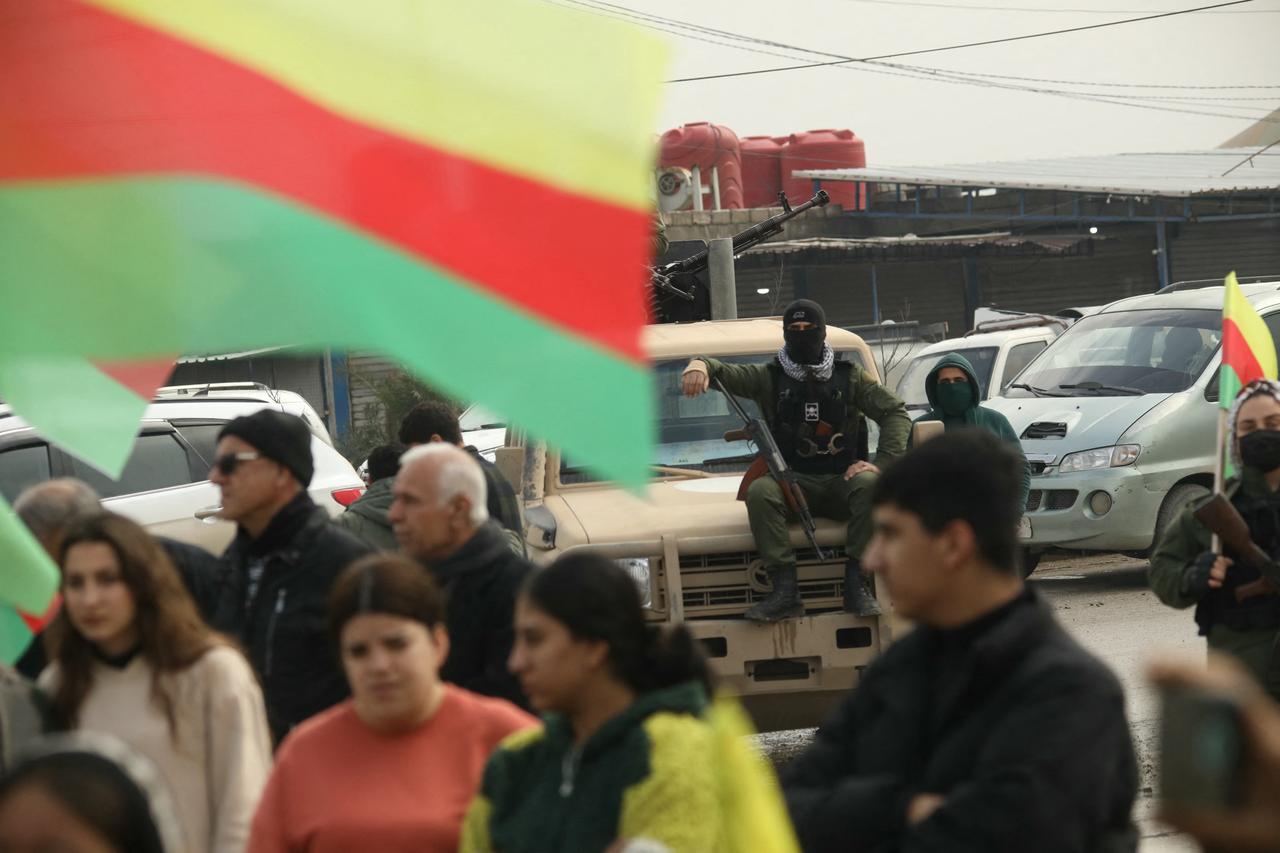


The Syrian government has reached another deal with the YPG in northeastern Syria regarding the group’s integration into the Syrian state.
Following days of violent clashes and decisive gains by Syrian government forces, both sides agreed to a ceasefire and—under American mediation—reached a common understanding on a pathway forward. While this development is positive, the deal also carries the risk of new tensions.
Even if the PKK’s Qandil leadership does not torpedo the implementation phase, several ambiguities are likely to create problems along the way.
Since the fall of the Assad regime, the YPG-dominated Syrian Democratic Forces and the Syrian government have reached multiple agreements. However, all these arrangements ultimately collapsed, either due to rejection by the PKK’s Qandil leadership or because of fundamentally different interpretations of the agreements by Damascus and the YPG.
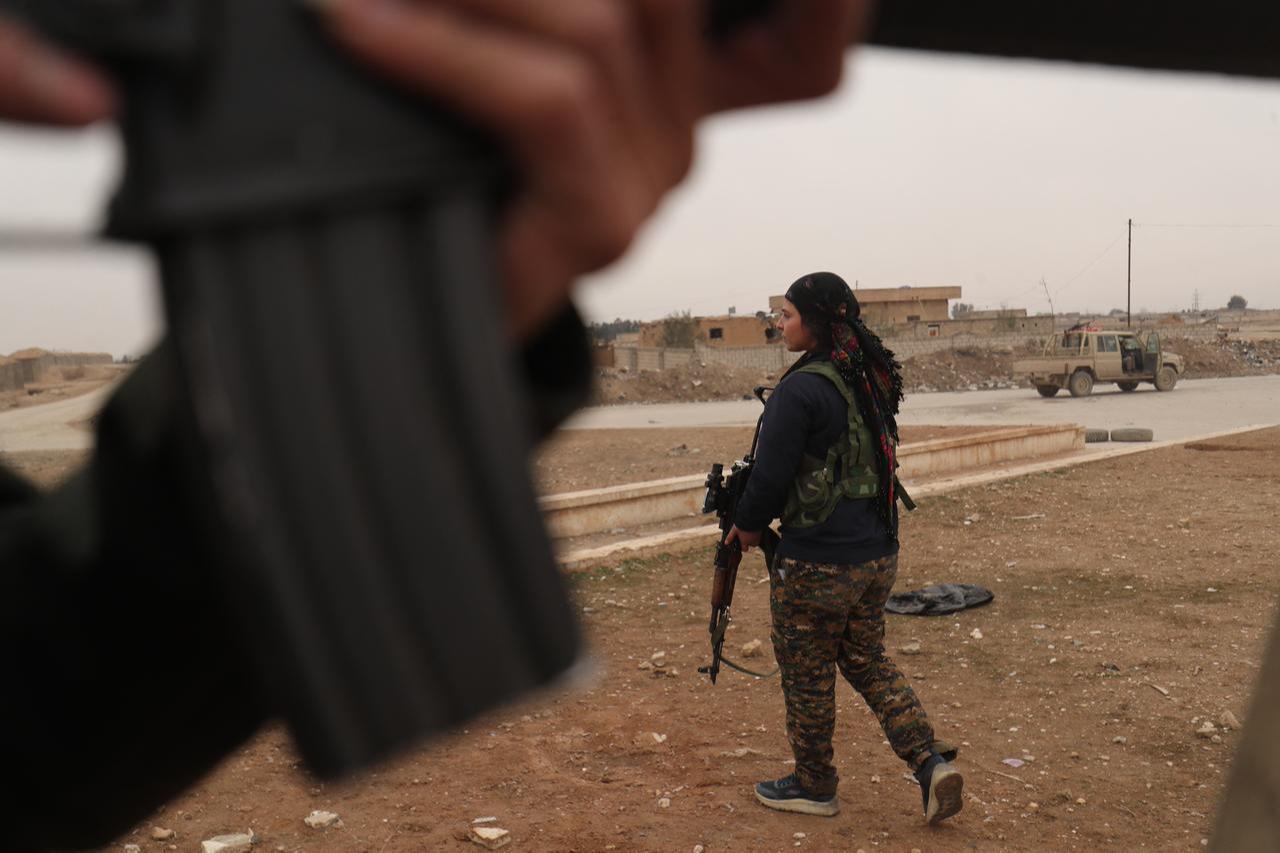

As is well known, the PKK’s ideological doctrine promotes a deeply problematic negotiation strategy. According to PKK teachings, negotiations never truly end. Even after an agreement is signed, its terms are meant to be continuously renegotiated, with the objective of extracting further concessions. This approach was a key reason why Damascus and the SDF leadership failed to implement the March 10 agreement.
A second major issue lies in definitions: many political concepts carry meanings in political science that differ significantly from those used within the PKK’s own ideological lexicon.
Because all senior YPG figures are PKK veterans, they operate within this doctrine and interpret agreements through the PKK’s conceptual framework.
Even if the PKK leadership refrains from sabotaging the implementation of the latest deal, the central ambiguity remains the definition of “integration.”
For Damascus, integration is understood through its experience in northern Syria, where Syrian opposition forces established institutions within the Turkish-protected safe zone. In that context, both civilian and military institutions were incorporated, and Damascus established full and direct control.
For the YPG, however, integration is understood as the de jure recognition by the Syrian state of institutions that already exist. In essence, the YPG expects Damascus to legitimize its structures without altering them. A clear example of this divergence is the statement by Elham Ahmad that the co-presidency system will be maintained.
This practice is alien to Damascus, and there is no agreement to preserve it.
Additional areas of ambiguity exist, including the issue of establishing three brigades. From Damascus’s perspective, these would be brigades composed of Syrian army personnel and former SDF members who join the army on an individual basis, including both Arabs and Kurds. From the YPG’s perspective, however, the expectation is to maintain three brigades exclusively under their own control.


 Set as preferred source
 Set as preferred source


 1 min read
 1 min read