Newsletters


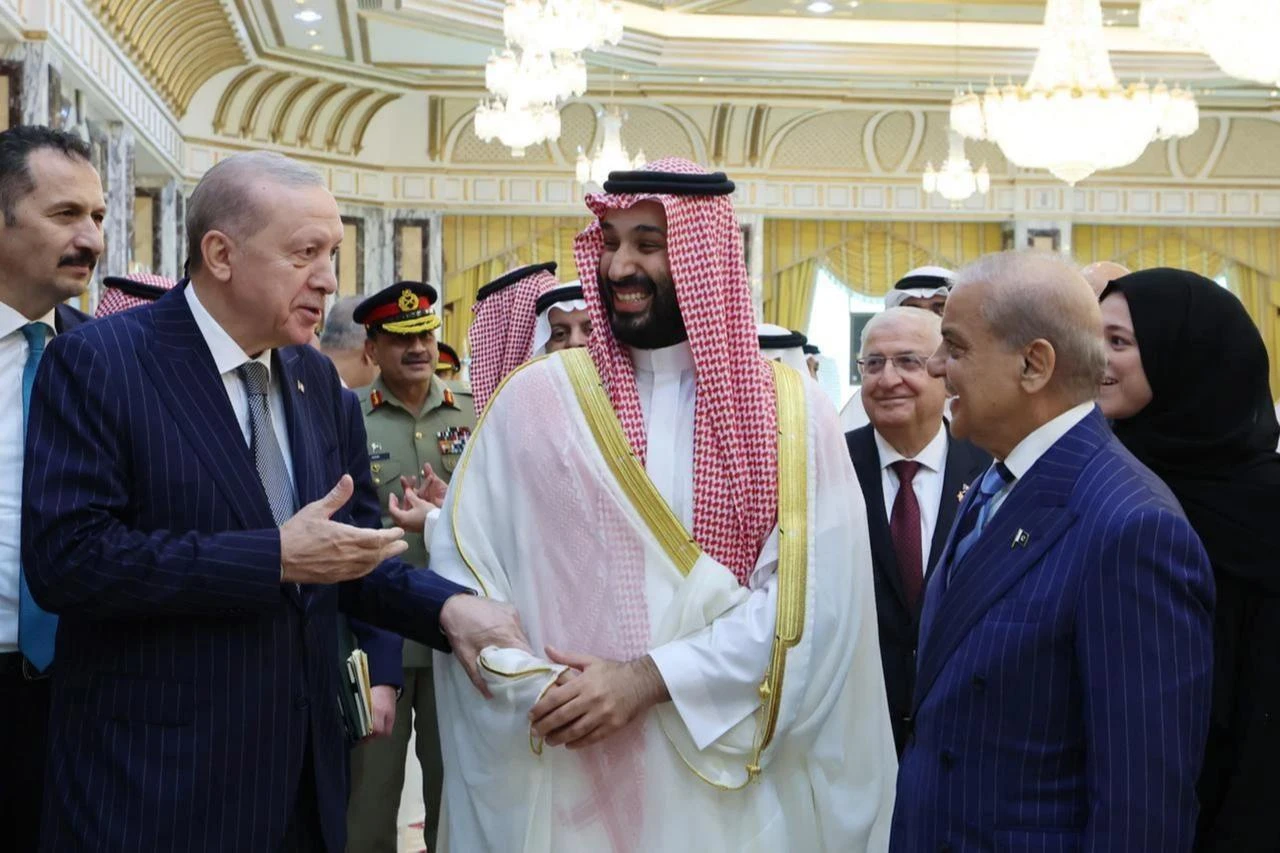


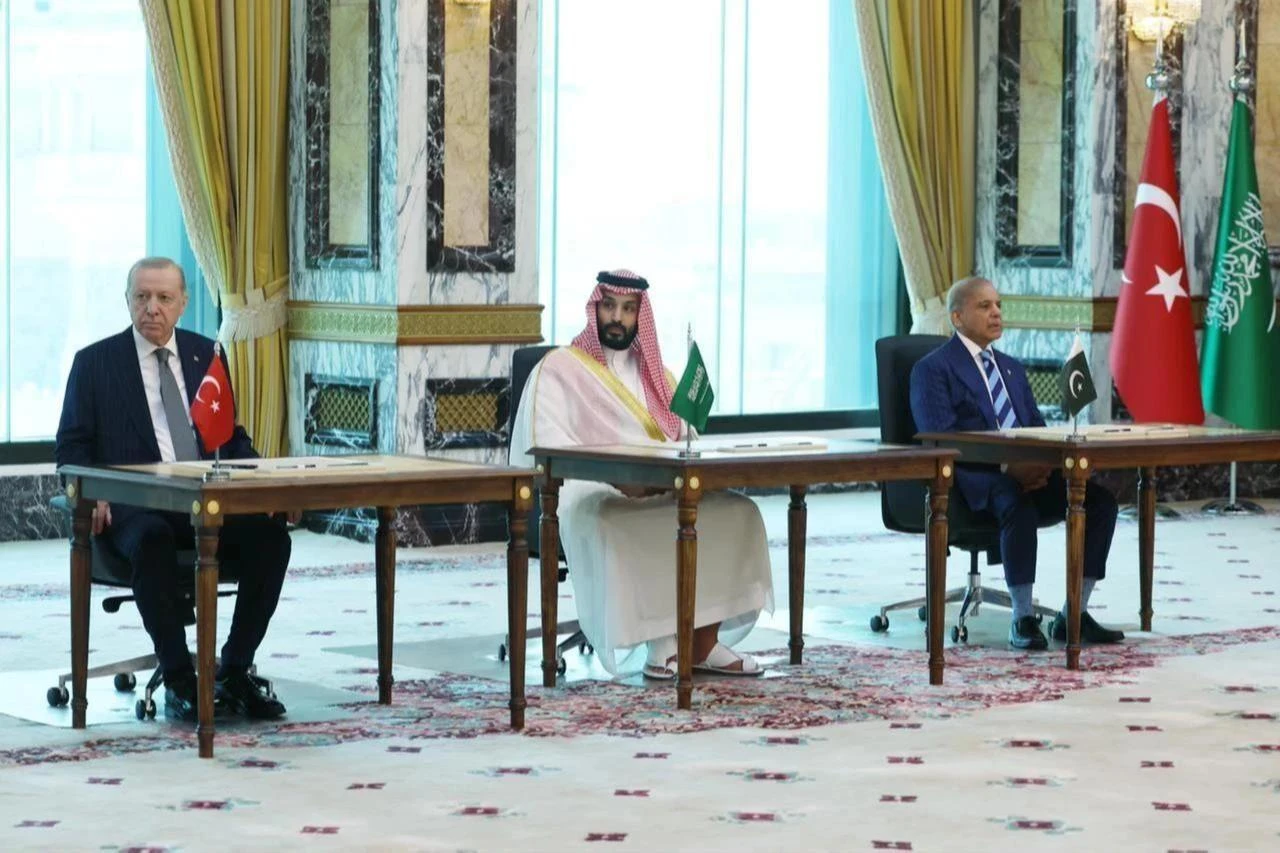
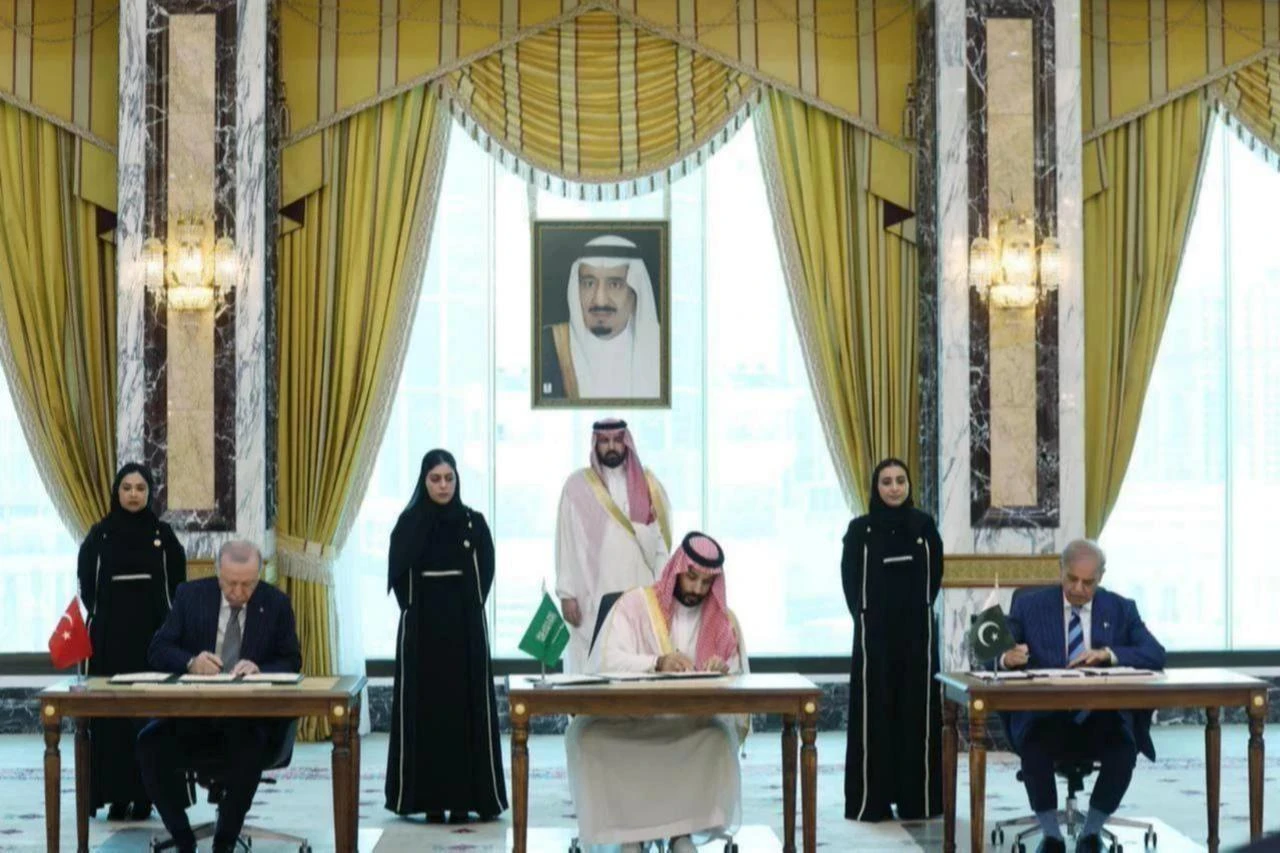
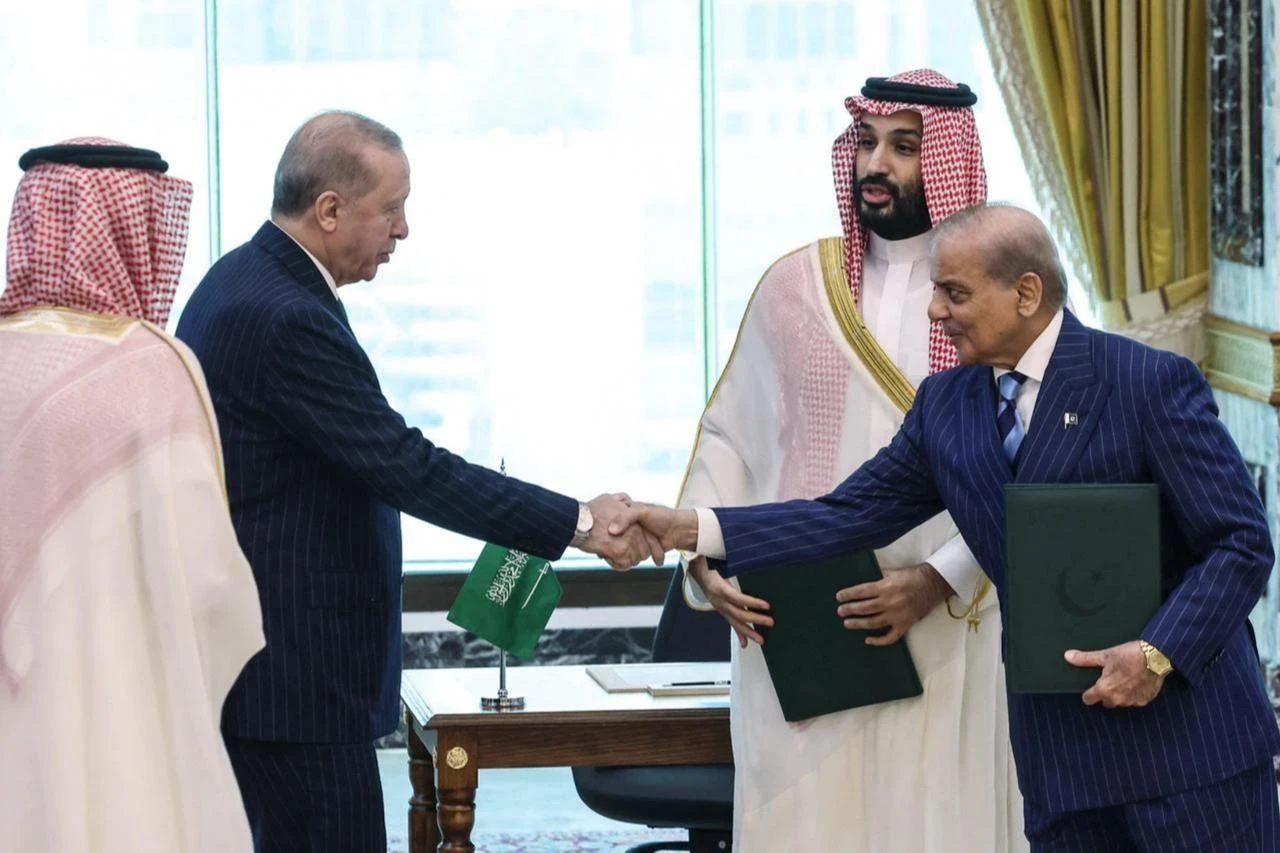
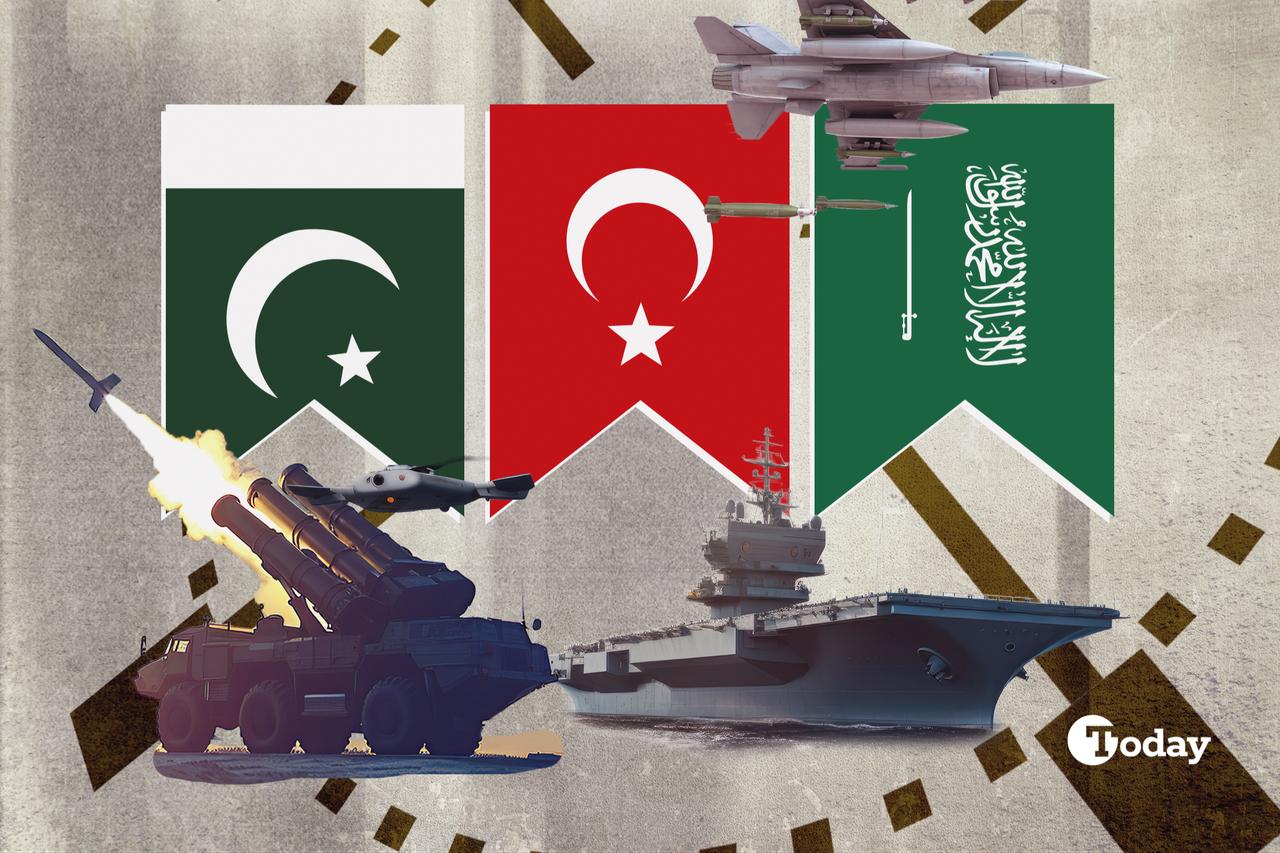
The Mecca Pact between Türkiye, Saudi Arabia and Pakistan is a geopolitical shift in the Middle East that could potentially redefine the entire balance of power in the region.
Many looked at what this defense pact means and against whom it was established, but one actor in the Middle East is among the biggest potential beneficiaries of this defense pact: Syria.
Official statements repeatedly underline that the Mecca Pact is not aimed at any country and that negotiations began before recent geopolitical developments in the Middle East.
However, no one can deny that Israeli hegemonic ambitions and recent Iranian attacks played an important catalytic role. The “Türkiye is next” rhetoric, as well as the assumption that “Saudi Arabia must join the Abraham Accords,” was perceived by Riyadh and Ankara as a geopolitical challenge.
The Iranian attacks, Iran’s aggressive behavior, and Iran closing the Strait of Hormuz were important catalysts. But the most important factor was the changing American role. Like Europeans, regional states understand they must take matters into their own hands.
This new paradigm is music to the ears in Damascus. The Syrian government has three major threat perceptions: Israel, Iran, and Daesh. The Mecca Pact’s geopolitical role fits perfectly with the Syrian situation.
Furthermore, the Mecca Pact brings together Syria’s two most important allies: Türkiye and Saudi Arabia. This will help Syria move away from balancing Saudi Arabia and Türkiye toward a joint and coordinated approach by both in Syria.
Just like when both nations helped to convince Trump to lift sanctions, any progress in Turkish-Saudi ties is beneficial for Syria.

Syria is politically one of the major potential candidates to join the alliance. Its vision of non-interference and acting as a bridge in the heart of the Middle East fits perfectly into the picture. Syria’s relationship with Türkiye and Saudi Arabia is exceptional.
Relations with Pakistan are positive and growing. Syria would not only contribute geostrategically to the alliance, but it could also provide much-needed battle-hardened and motivated manpower that other potential candidates cannot deliver.
However, the Syrian army has yet to improve its professional capabilities; Syria must advance its transition first and finalize the establishment of a functioning state apparatus.
Therefore, I expect Syria to be in line to join the Mecca Pact eventually. But I also suspect that Syria will be an unofficial ally of the Mecca Pact until then.


 Set as preferred source
 Set as preferred source


 2 min read
 1 min read