

 Newsletters


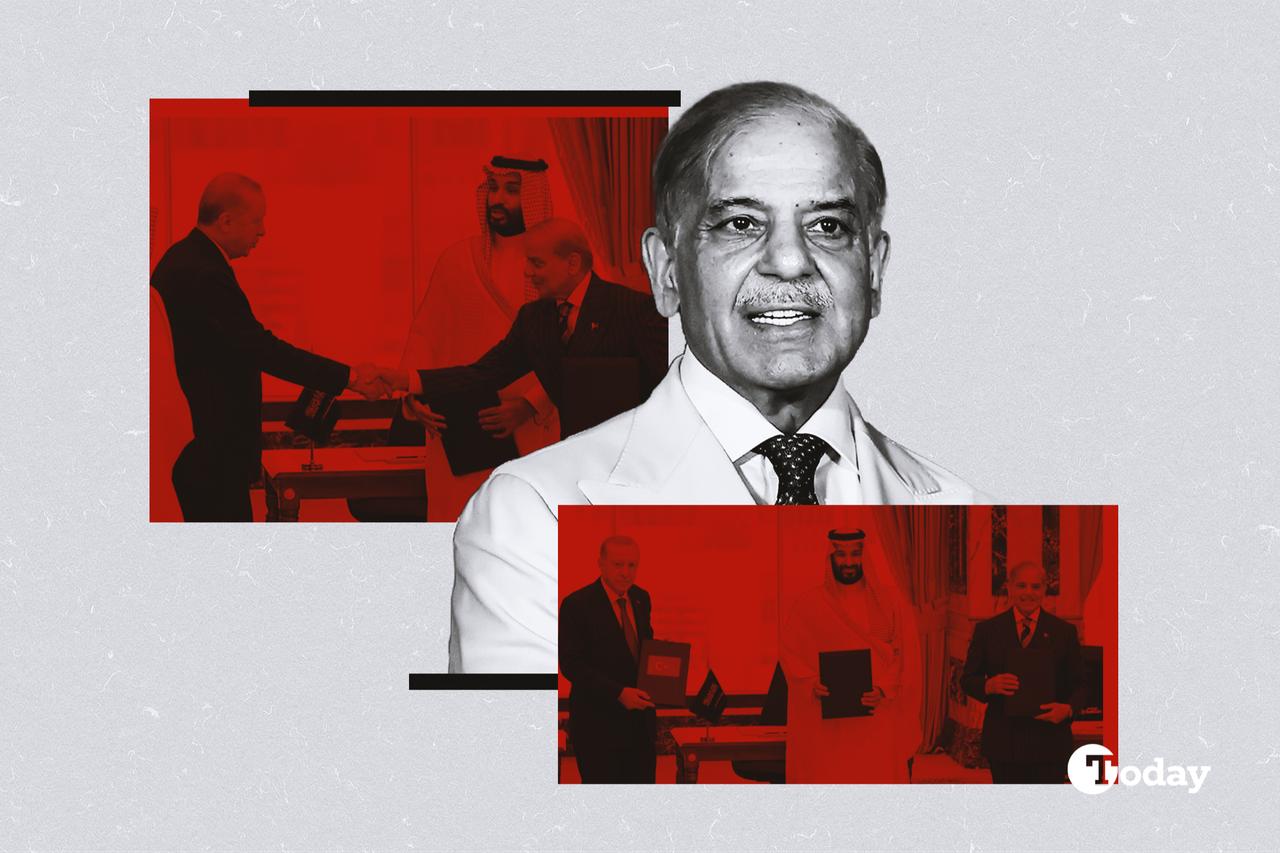


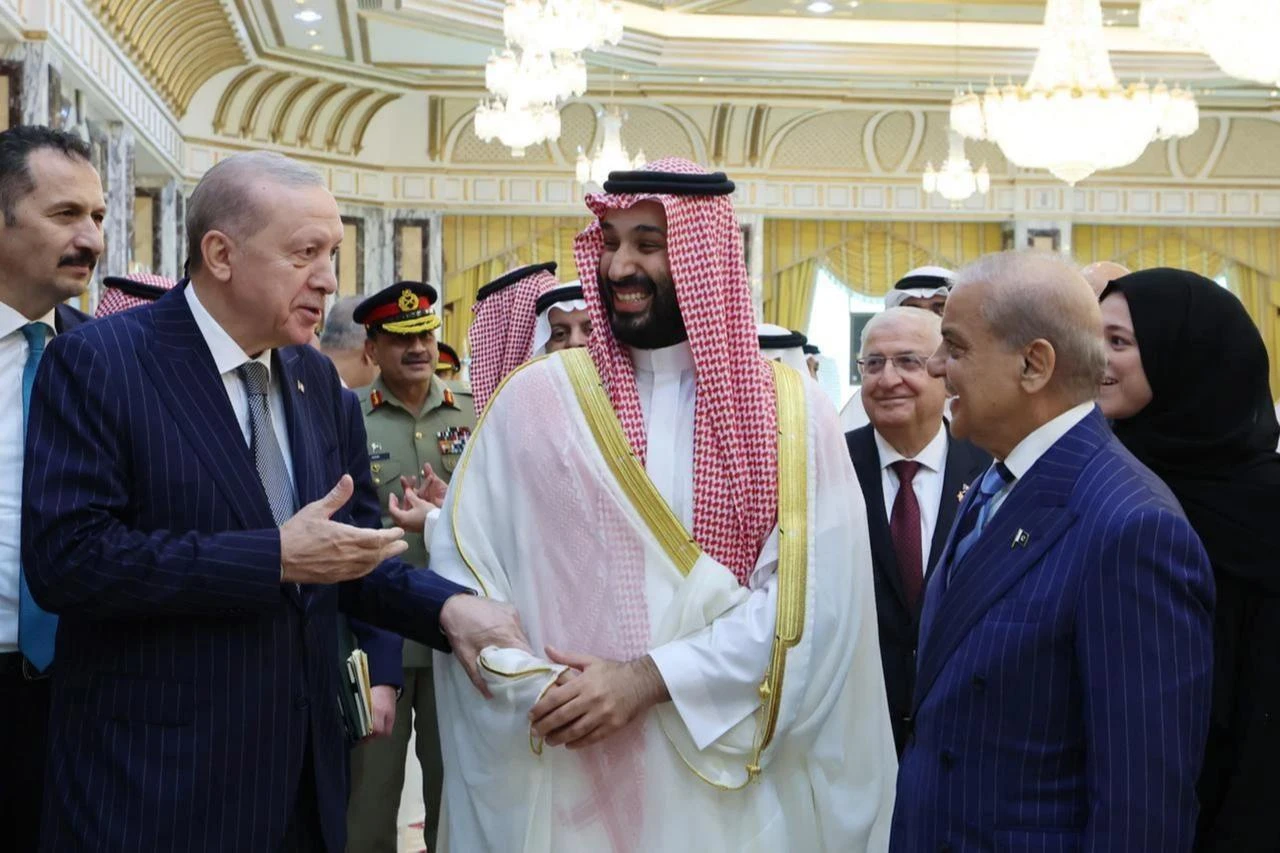
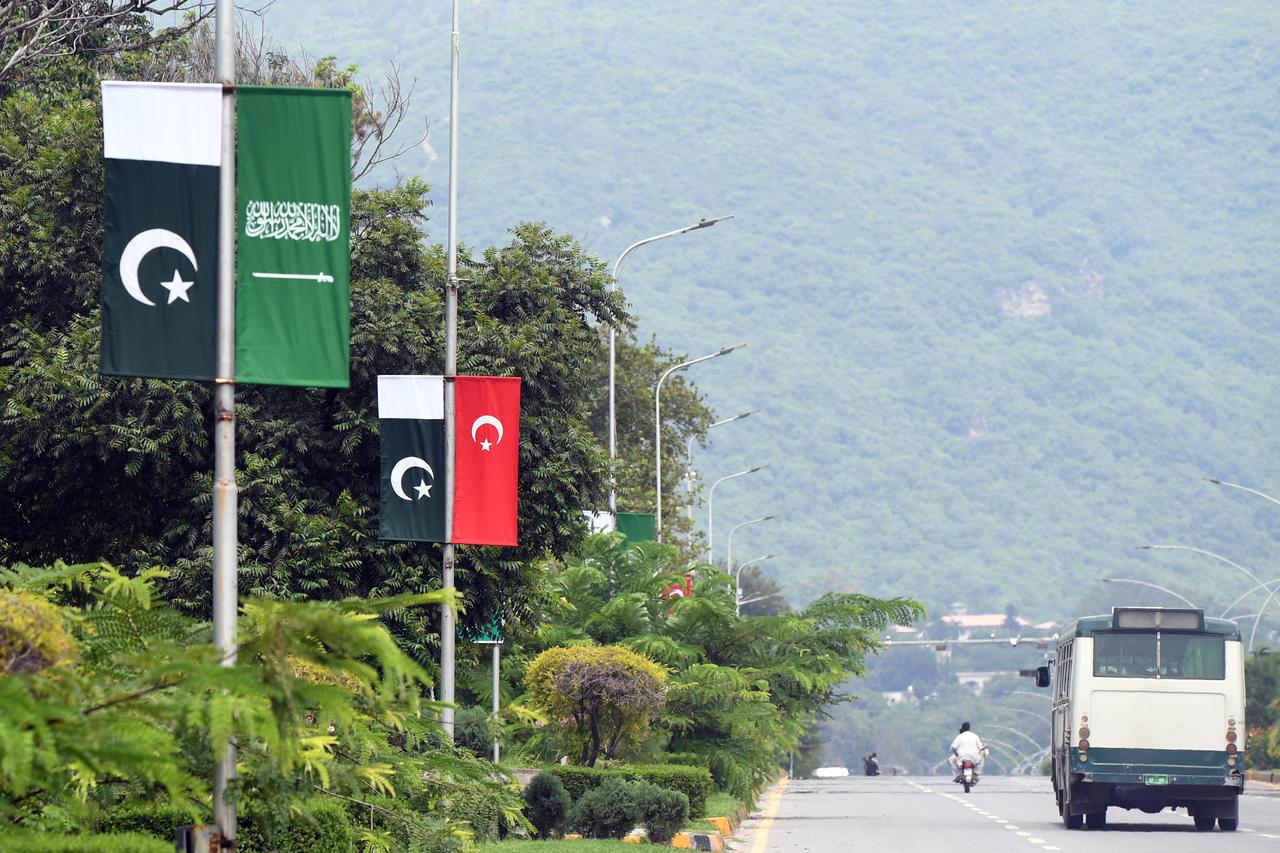
Three nations just promised to defend each other. They may not have long to find out if they meant it.
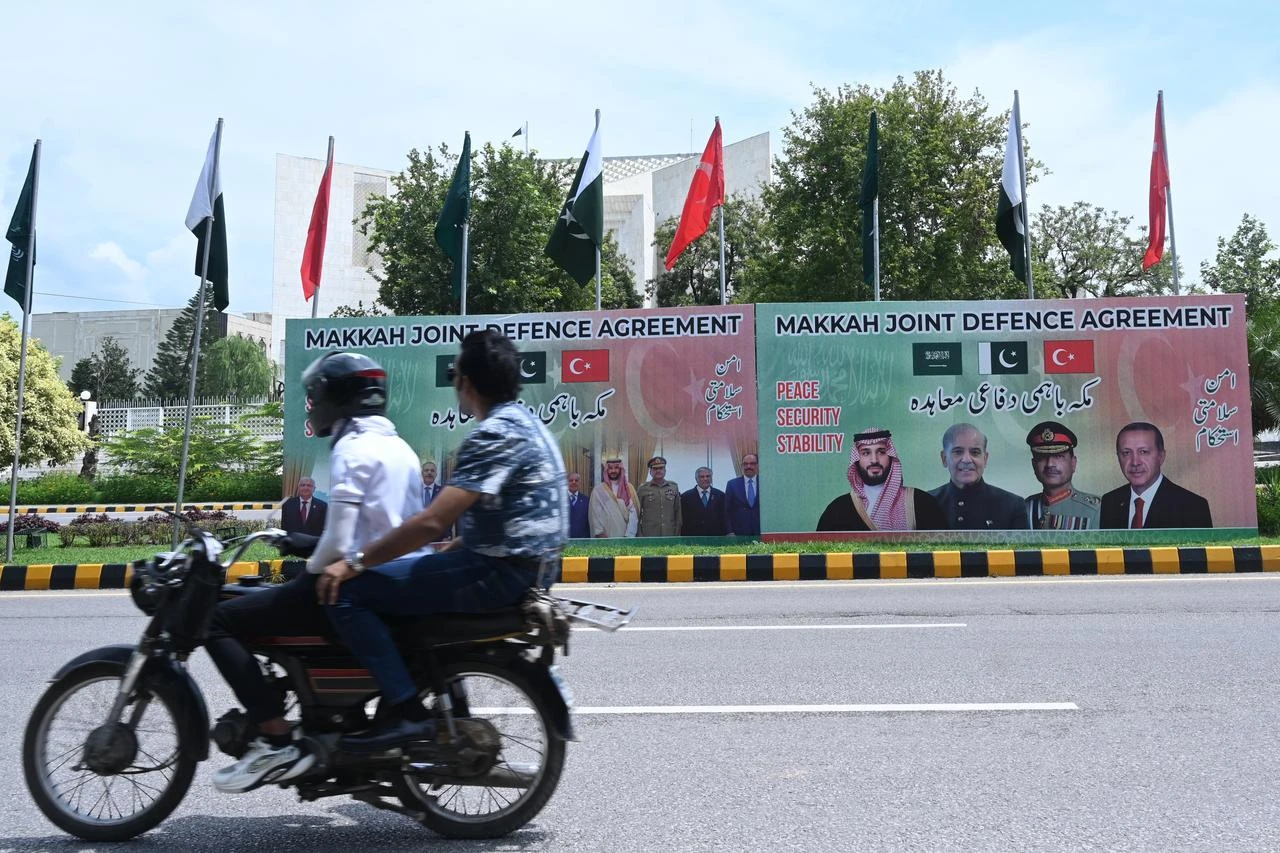
Barely had the ink dried on the Mecca Pact, the mutual defense agreement binding Saudi Arabia, Pakistan, and Türkiye, when Israeli jets struck a Syrian airbase, and a decades-old rivalry over who controls Damascus' skies suddenly looked like it might drag a nuclear power into someone else's fight.
Having signed a mutual defense pact at a time when the Middle East is plunged into perpetual chaos, Saudi Arabia, Pakistan, and Türkiye may have gained greater security and safety.
But with both the Strait of Hormuz and Bab-el-Mandeb oil routes facing blockades, and the Gulf states facing attacks from Iran and its allies, these three nations can potentially get involved in bigger wars and even make new friends and enemies.
The group of three makes up a powerful bloc, with nuclear-armed Pakistan, Türkiye as NATO’s second-largest military, and Saudi Arabia as one of the world’s top oil exporters. Trying to dilute the sheer symbolism and impact, all three sides have taken pains to stress that their unity should be taken as collective deterrence.
It has repeatedly been stressed that the agreement is purely defensive, and as Turkish Vice President Cevdet Yilmaz most recently affirmed, it does not affect any pre-existing agreement. Notably, the pact has yet to be ratified by the Turkish Parliament, leaving its legal and political weight, much like its military commitments, still undefined.
Since this pact was being negotiated much before the U.S.-Iran-Israel war started, no exclusive trilateral framework for joint defense efforts has been planned as yet.
Due to the increasingly aggressive military stance of both Israel and Iran, the Mecca Pact might get put to the test a bit early in the day.
On Aug. 18, Israel struck the Abu al-Duhur airbase in northwestern Syria, saying that it was to prevent a possible Turkish military deployment there.
For a while, Washington has been working on a de-confliction mechanism involving Israel, Türkiye and Syria. But now, this tug of war between Türkiye and Israel over Syria could become a wider issue, as Ankara just signed a mutual defense pact with Riyadh and Islamabad.
Under a similar bilateral mutual defense agreement with Saudi Arabia, Pakistan recently deployed around 8,000 additional troops, air defense systems, and fighter jets to its regular military presence on the ground.
And now, with the ongoing escalations between Ankara and Tel Aviv, the question arises whether Islamabad would have to play the same role as in Saudi Arabia if Israel and Türkiye have an armed face-off?
Air Marshal Saeed Khan, a former vice air chief, Pakistan Air Force, and former ambassador of Pakistan to Syria, told Türkiye Today that there may not be a direct conflict between Türkiye and Israel, but "on Syrian soil, they will continue to compete for influence, as Israel is unnerved by Türkiye's efforts to assist Syria in rebuilding its defense forces, as it currently lacks a regular army, air force, or navy."
Sharing details, he added that though "Türkiye and Israel do not share a border, Israel since 1967 has captured the Golan Heights from Syria, and once the conflict with Iran started, they moved closer to Damascus by crossing Mount Hermon and are now about 15 to 20 kilometers away." This happened because Syria has been militarily weakened since 2000, he said.
Meanwhile, Haider M. Hussain, a defense industry consultant and founder of the firm, Defense Guardian International, told Türkiye Today that Pakistan does not treat a Turkish-Israeli war as a baseline scenario, but the risk is now operational.
He noted that "Pakistan has already signaled its posture through unified diplomatic action with its Mecca partners, condemning the strikes and urging restraint.” Hussain added that Pakistan’s obligations are deliberately undefined; “the ambiguity is not weakness: it is operational flexibility that enhances Pakistan’s deterrent value and strategic autonomy.”
However, by ruling out the probability of a full-scale Türkiye-Israel war, Junaid Javeed, a security and risk management expert, told Türkiye Today that there still was a credible risk of localized confrontation.
In his opinion, Ankara and Tel Aviv have “interwoven interests to avoid war.” And Türkiye’s NATO membership and its strong ties with Washington are a constraint, yet competing interests in post-Assad Syria create “a clear escalation pathway, and Pakistan needs to remain prepared without treating war as inevitable.”
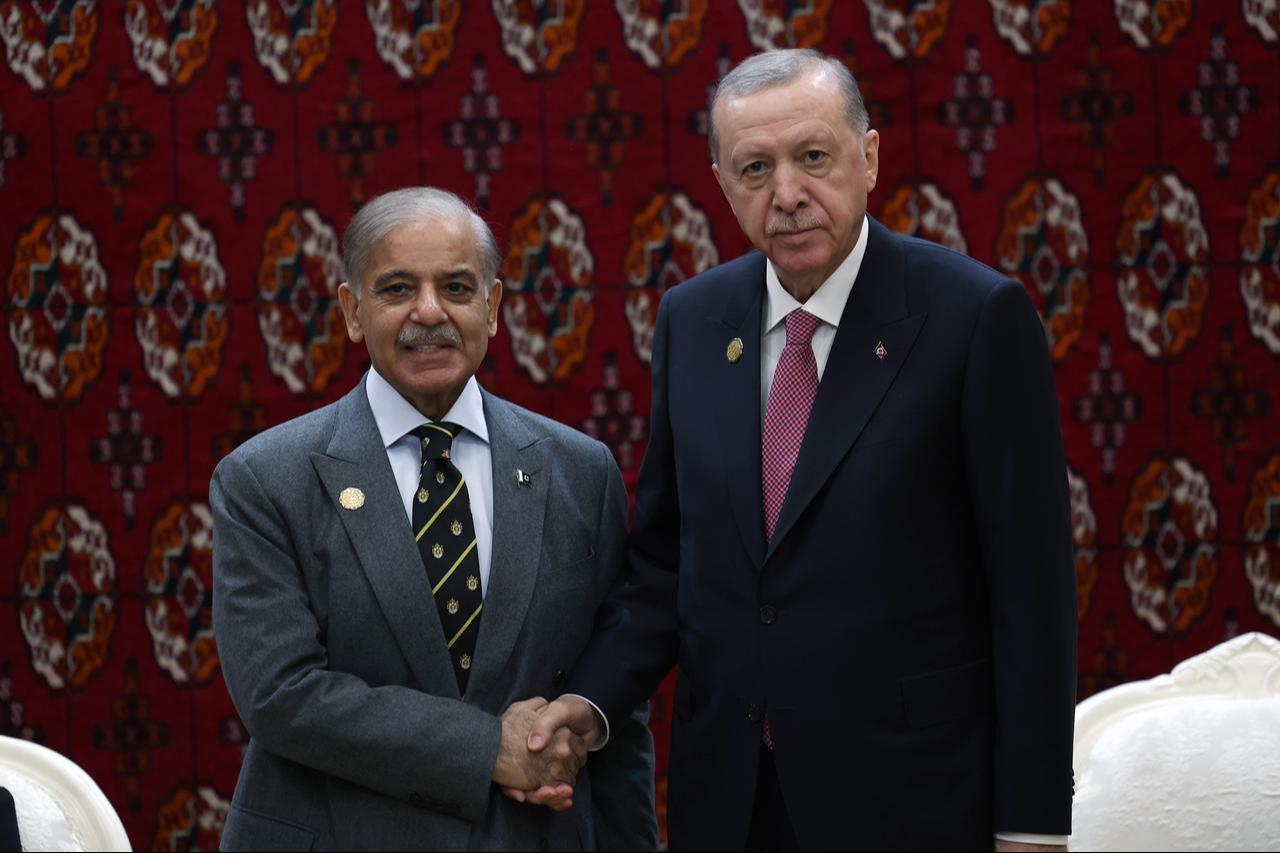

Politically, the pact's language is deliberately elastic, broad enough to leave room for diplomacy. While it obliges all three states to treat an attack on one as an attack on all, it stops short of specifying what that support would actually look like. Each member, meanwhile, has been careful to frame the agreement as purely defensive.
That ambiguity gives Islamabad considerable room to maneuver. But Türkiye is one of Pakistan's closest strategic allies, bound to it through extensive defense cooperation, so sidestepping firm commitments may not be sustainable for long. Support could take the form of logistics, air-defense assets, or other military assistance. And crucially, the calculus would shift dramatically depending on whether Türkiye itself comes under direct attack, as opposed to its interests in Syria.
And this distinction would prove to be decisive, even though Pakistan has positioned itself as a state seeking de-escalation in the Middle East, with its Foreign Office highlighting that diplomacy and dialogue are central to its regional policy.
At the same time, with a new role in Middle Eastern security, Islamabad could import strategic risks from that region into Pakistan’s foreign policy. Before the Mecca pact, Islamabad could have supported Ankara without calculating the need for getting involved in an Israeli-Turkish spat.
Considering Islamabad’s role as a lead mediator in the U.S,-Iran war, it is most likely to play a preventive role and request Washington to help with negotiations, as it does not have diplomatic ties with Tel Aviv.
Even though a direct Turkish-Israeli war remains a remote scenario, as both countries have powerful militaries, proactive efforts would be needed to stave off any future incident in Syria that spins out of control.
Türkiye has emerged as a staunch supporter of Syria’s post-Assad government, and this is exactly what Israel would like to prevent. Therefore, no matter what the future holds, this issue has the potential to become the first test for the Mecca pact.
Discussing Pakistan’s options under the defense deal, A.M. Khan observed that the agreement could “deter Israel from aggression in this region, as it believes first in collective deterrence and, if that fails, collective defense.”
“If Israel attacks Türkiye, collective defense will be invoked, and it will be very difficult for Pakistan and Saudi Arabia to refuse military help.” And if “more countries like Syria, Jordan, and Lebanon join, Israel will face the combined military capability of many Muslim countries,” he said.
Mentioning that the Syrian Foreign Minister Asaad al-Shaibani was in Islamabad recently, Hussain noted that if Syria joined the Mecca Agreement, it could be a “significant shift” that would bring Syria into direct alignment with Türkiye in the Syrian theater.
But as per Hussain, though Pakistan’s strategic value is its nuclear credibility, it does “not need to commit to every scenario”, as the pact’s “primary value is political alignment and deterrence, not automatic military execution.”
According to Javeed, as the Mecca pact does not automatically require Pakistan to enter direct combat, it could “calibrate its response as per the nature, scale and location of the attack”.
Noting that collective defense is ultimately judged by how quickly and consistently members can act in a crisis, Javeed said that the challenge would be to preserve the credibility of the pact without turning a limited regional confrontation into a wider Pakistani war.
As Pakistan’s primary security priorities remain within South Asia, particularly within India and Afghanistan, Islamabad would have to give “a graduated response, and a conventional Türkiye-Israel conflict does not involve nuclear confrontation with Pakistan, Javeed added.
As per Javeed, the most immediate question for Pakistan is under what circumstances the Mecca Accord would require Islamabad to move from political solidarity to tangible military support.
The pact could lose impact if it becomes an instrument for widening conflicts instead of containing them. Keeping it as a credible deterrent, while stopping its members from stepping into larger, non-ending wars, is the best way forward.
On Aug. 23, Syrian and Israeli officials sat down for U.S.-mediated talks aimed at keeping the Israeli-Turkish rivalry from tearing Syria apart. Negotiations succeeding would be the best outcome anyone could ask for.
But pacts like this one are rarely judged by the wars they fight. They're judged by the wars they prevent.
How Riyadh, Islamabad, and Ankara navigate the next crisis will decide whether the Mecca Pact becomes a genuine collective security mechanism, or just another signature on paper.


 Set as preferred source
 Set as preferred source


 2 min read
 1 min read


