Newsletters


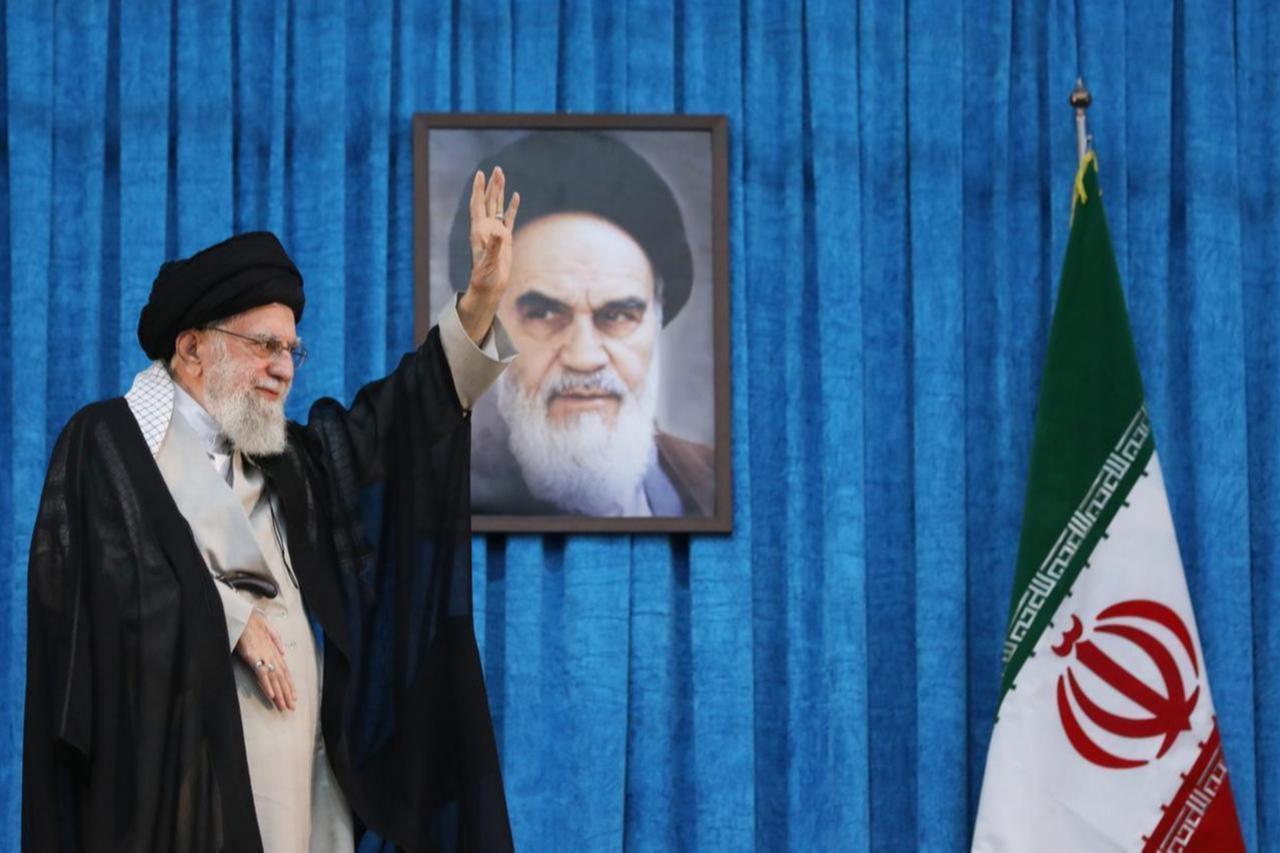


When Tom Barrack, the U.S. ambassador to Türkiye, remarked in an October 2026 interview with Mario Nawfal that Washington had “installed the Shah,” “installed Khomeini in 1979,” and “taken out the Shah,” he reopened one of the most controversial chapters in modern Middle Eastern history.
His words were striking because they seemed to confirm something long alleged by critics of U.S. policy in Iran and long denied by Washington: that the United States had a hand in the revolution. But did America really bring Ayatollah Ruhollah Khomeini to power?
The answer requires looking beyond Barrack’s provocative formulation and examining the documentary record of the final weeks of the Pahlavi monarchy.
Declassified American documents and accounts of senior Iranian officials reveal that the Carter administration maintained direct channels of communication with Khomeini’s representatives while trying to prevent the Iranian military from intervening decisively in the revolutionary crisis.
This does not prove that Washington engineered the Islamic Revolution. It does, however, demonstrate that the United States was prepared to negotiate with the emerging revolutionary leadership and to accommodate a political order without the Shah.
The historical background is important. The United States did not originally install Mohammad Reza Pahlavi as Shah. He succeeded his father in 1941. However, the CIA-backed coup of August 1953, organized with British involvement, overthrew Prime Minister Mohammad Mosaddegh and helped restore the Shah’s authority.
From that point onward, Washington became the monarchy’s principal external supporter. Under the Nixon and Ford administrations, Iran was a central pillar of American strategy in the Persian Gulf. Alongside Saudi Arabia, the Shah’s Iran was expected to protect Western interests, secure energy supplies and contain Soviet influence.
By 1978, however, the monarchy was facing a profound domestic crisis. Mass demonstrations, strikes and growing opposition had weakened the regime, while the Carter administration was divided over how to respond.
President Jimmy Carter’s emphasis on human rights had complicated Washington’s relationship with an authoritarian ally whose security services, particularly SAVAK, were associated with repression and torture. At the same time, the Soviet-backed coup in Afghanistan in April 1978 intensified American concerns about the regional balance of power.
One of the most revealing episodes was the mission of General Robert E. Huyser, a senior American military officer sent to Tehran in January 1979. His assignment was to maintain contact with the Iranian armed forces, assess the position of senior commanders and prevent the military from disintegrating during the political transition. The Shah left Iran on Jan. 16. Khomeini returned from exile on Feb. 1.
The memoirs of General Abbas Karabaghi, the Shah’s last chief of staff, offer a particularly controversial account of this period. Karabaghi described meetings with Huyser and other American military advisers, claiming that they discouraged senior Iranian commanders from staging a coup and encouraged them to accept a transitional government under Shapour Bakhtiar.
He also recalled suggestions that the military should make contact with Khomeini’s representatives, including Mehdi Bazargan and Mohammad Beheshti. These recollections are important, but they should be read alongside American records rather than treated as conclusive evidence of a coordinated plan to install a new regime.
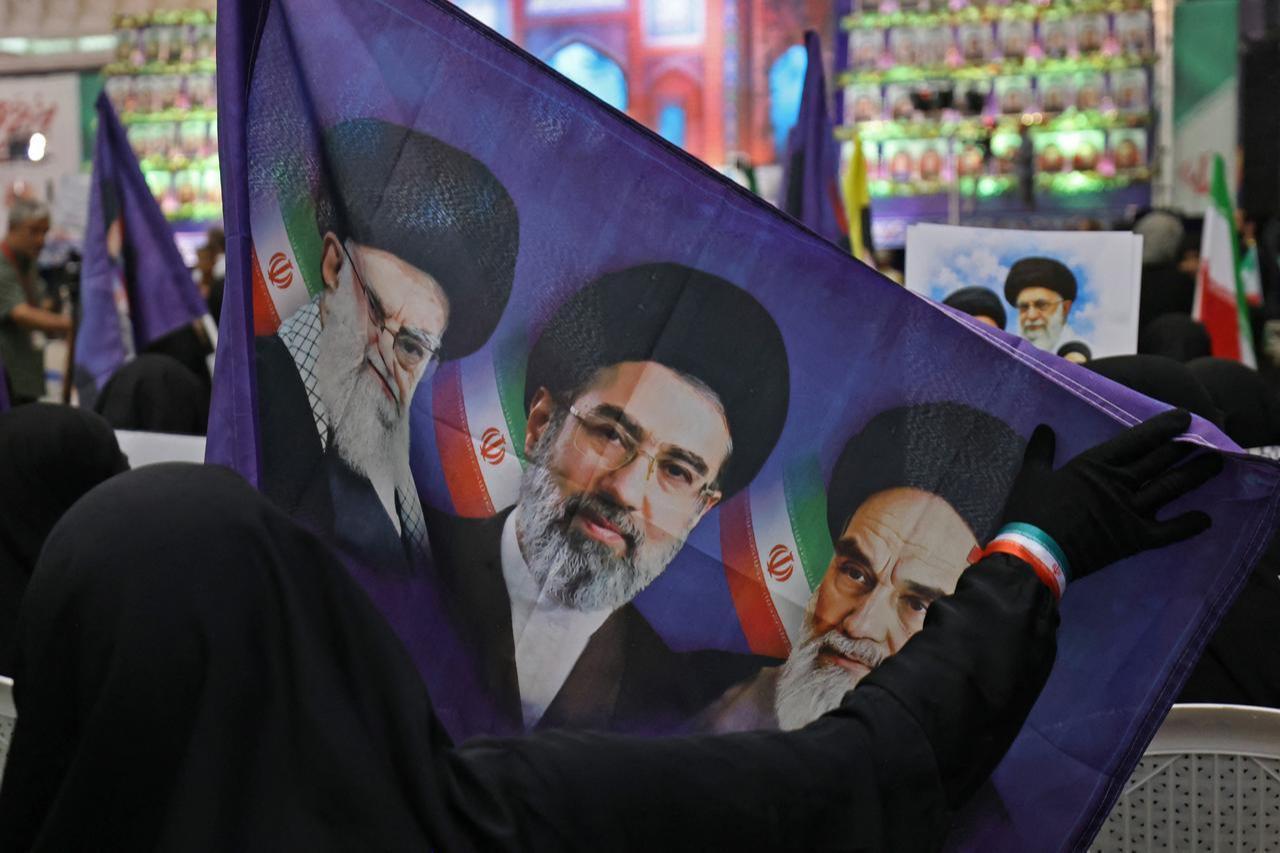

The declassified American documents provide further context. Records of a White House meeting on Jan. 3, 1979 show that Carter’s advisers were deeply divided over the Shah’s future. Some feared that his departure would produce instability or a communist takeover; others considered his position increasingly untenable.
Huyser’s mission was intended to preserve the cohesion of the Iranian military and keep it from acting independently. His presence, therefore, was not simply a military advisory visit. It was part of Washington’s attempt to influence the outcome of a rapidly unfolding political crisis.
Perhaps more significant was the establishment of direct communication between Washington and Khomeini’s circle. On Jan. 14, Secretary of State Cyrus Vance instructed American diplomatic missions in Paris and Tehran to open a direct channel to the revolutionary leader’s entourage.
American diplomat Warren Zimmermann subsequently met Ebrahim Yazdi, one of Khomeini’s closest advisers, in France. The discussions explored the possibility of an accommodation between the revolutionary movement and the Iranian military.
Khomeini’s representatives sought to reassure Washington that American interests and personnel would not necessarily be threatened by the establishment of a new political order.
This is the central point that makes Barrack’s statement politically significant. Washington was not merely watching the revolution from a distance. It was communicating with the forces that were preparing to replace its longstanding ally.
Yet there is a crucial distinction between accepting the inevitability of regime change, negotiating with an emerging political movement and deliberately bringing that movement to power. The available evidence supports the first two propositions much more clearly than the third.
 2 min read
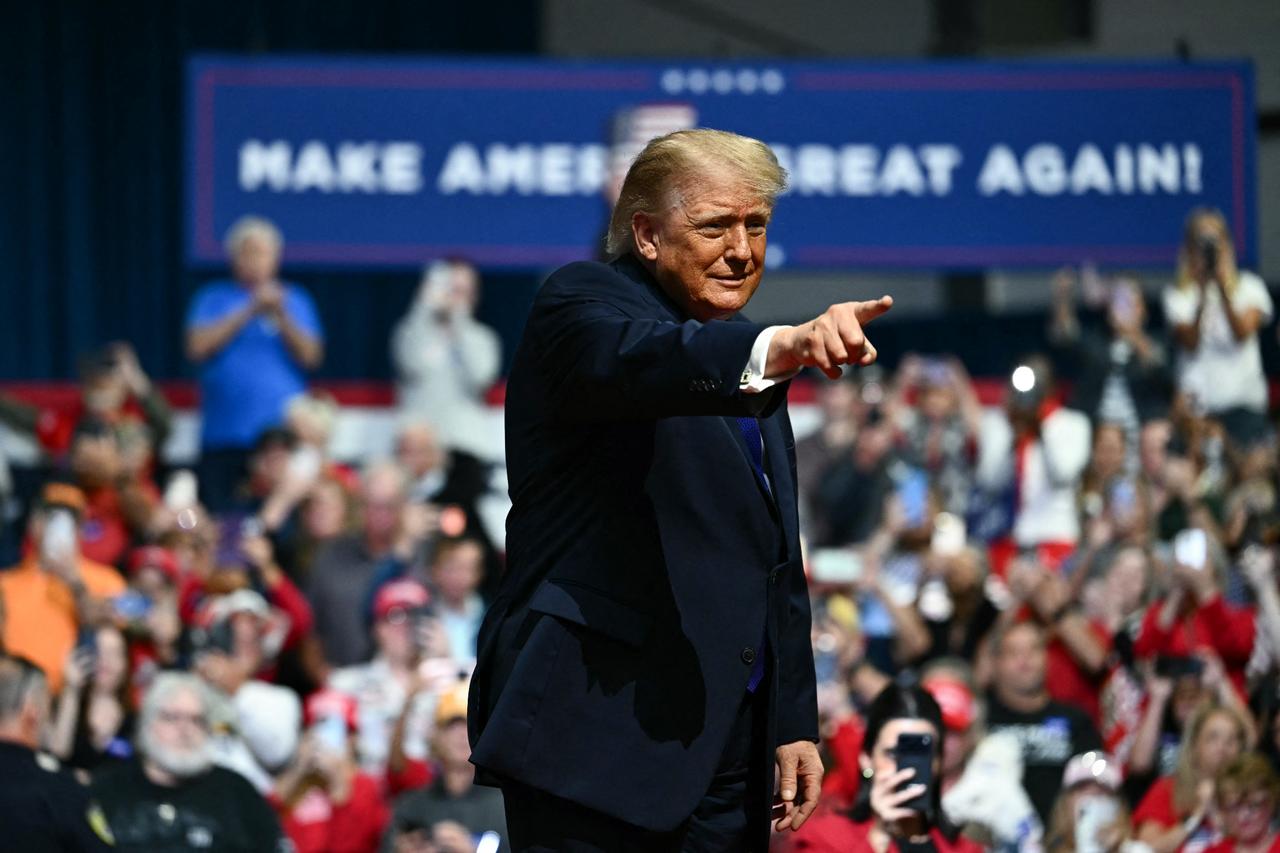
The Carter administration may have believed that an accommodation with Khomeini’s movement offered the least dangerous way out of the crisis. A military coup could have triggered civil war, undermined the Iranian armed forces and potentially created opportunities for Soviet intervention.
Preserving the military as an institution while avoiding a direct confrontation with the revolutionary movement appeared to offer a more manageable outcome. In the event, however, Washington badly underestimated Khomeini’s political ambitions. The new regime would soon dismantle much of the old state structure, execute senior military officers and turn against the United States, culminating in the hostage crisis of November 1979.
Nor should subsequent episodes of U.S.-Iranian contact be taken as proof that the two countries shared a continuous strategic partnership. The Iran-Contra affair of the 1980s demonstrated that even bitter adversaries could maintain secret channels and pursue limited transactions when their interests temporarily converged.
Later cooperation and parallel interests in Afghanistan and Iraq likewise illustrate the complexity of the relationship, rather than establishing that Tehran was consistently acting in Washington’s interests.
The question is whether the experience of 1979 offers lessons for understanding Iran today. The Islamic Republic is undergoing significant internal and external pressures. The Islamic Revolutionary Guard Corps has acquired an increasingly prominent position in the country’s political, economic and security structures.
At the same time, the influence of traditional religious institutions and civilian political actors has been subject to change. This raises the possibility that Iran’s political system could evolve towards a more explicitly military-centred form of governance.
It would be premature, however, to conclude that such a transformation is the intended outcome of American policy. Nor should every sign of diplomatic contact or pragmatic behavior be interpreted as evidence of a secret agreement.
Nevertheless, the history of 1979 reminds us that Washington has, at critical moments, been willing to communicate with actors whose public rhetoric and ideological positions appeared fundamentally hostile to American interests.
Barrack’s remarks should therefore be understood less as a definitive historical revelation than as an invitation to revisit the relationship between American power and revolutionary change in Iran.
The United States did not simply lose the Shah; it tried to manage his departure while establishing channels to the movement that would replace him. Its greatest miscalculation was not necessarily that it helped Khomeini reach power, but that it believed it could influence the political order that would follow.
The lesson of 1979 may be that Washington can help shape the circumstances of a regime’s collapse, but it cannot necessarily control what emerges from the ruins.


 Set as preferred source
 Set as preferred source


 1 min read