Newsletters


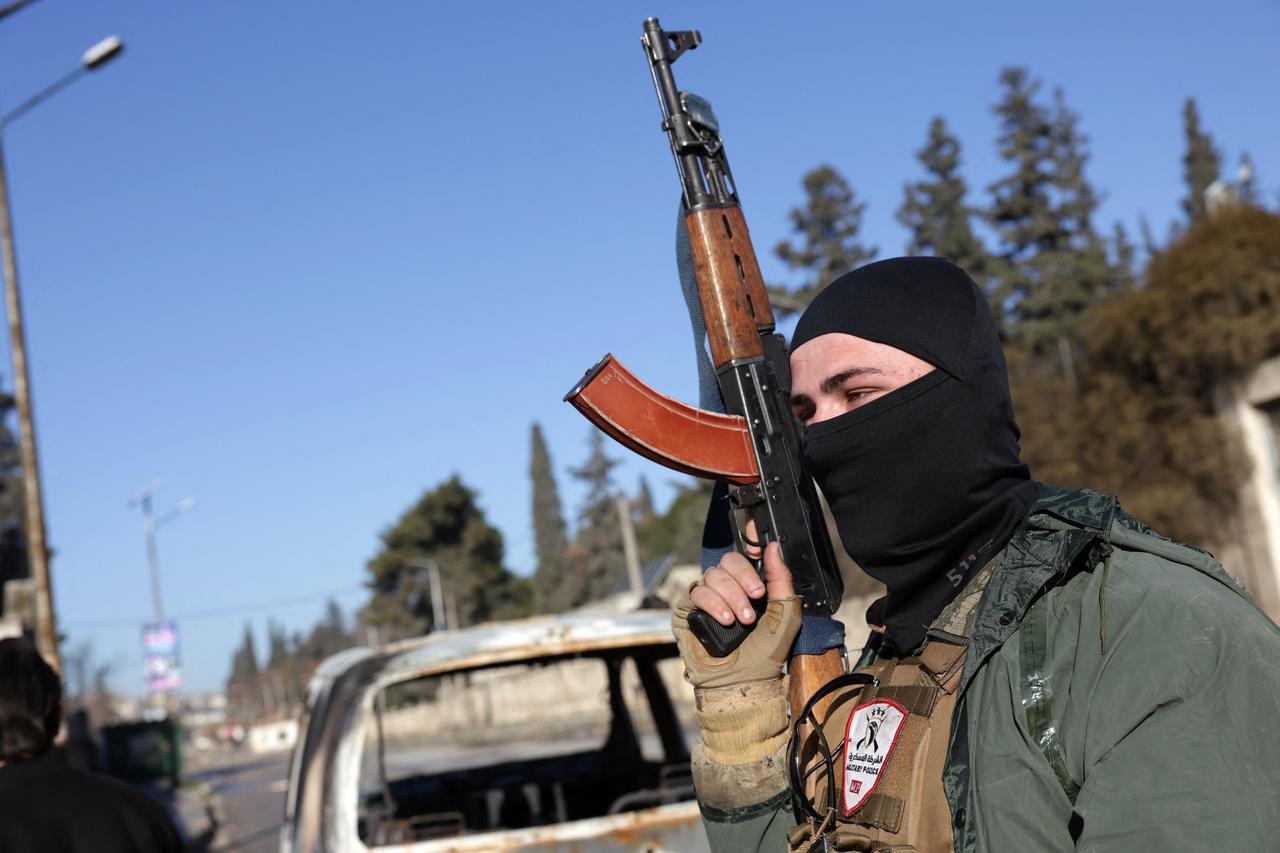


The Syrian army’s swift takeover of the last two Aleppo neighborhoods held by SDF-affiliated Asayish forces marks more than the end of a long-running anomaly in Syria’s economic capital. It exposes a deeper reality about the Syrian Democratic Forces (SDF) themselves—and the fragile foundations of their control in northeastern Syria.
For months, Aleppo had seen a stalled experiment. The April 1 agreement, designed as a limited pilot for integrating SDF-held areas into the Syrian state, was supposed to demonstrate coexistence and integration.
Instead, SDF-affiliated Asayish forces refused to integrate into Aleppo’s Internal Security Forces and repeatedly disrupted civilian life, turning a technical arrangement into a political standoff.
The Layramoun roundabout became the symbol of this dysfunction. As Aleppo's main commercial artery to Türkiye's Gaziantep, it is indispensable to the city's economy.
Each blockade by the Asayish forces halted trade, discouraged investment, and reinforced the perception that Aleppo remained unsafe for business. In a country where economic recovery is already precarious, undermining Aleppo’s revival was not a localized problem—it was a national one.
Damascus initially responded with restraint. Ceasefires were repeatedly offered, partly to preserve the broader March 10 framework with the SDF and partly to avoid escalation. That restraint was misread. SDF-aligned narratives portrayed each pause as a victory, reinforcing the belief that the Asayish presence in Aleppo was sustainable.
When the Syrian army finally moved, the operation revealed something striking: the SDF presence collapsed from within.
After more than a decade of control over Sheikh Maqsoud and Ashrafiyah—areas well suited for prolonged urban defense—most fighters fled or refused to fight. Only a small hardline core resisted before surrendering. This was not the behavior of a force confident in its social base.
The lesson extends far beyond Aleppo. Despite years of propaganda, the SDF failed to build durable popular support, even among the Kurdish communities it claims to represent. Many fighters apparently joined for a salary rather than ideological conviction.
This reality presents the SDF with two choices in northeastern Syria, where roughly 80% of the population is Arab and forced conscripts make up half of the SDF.
One option is pragmatic accommodation: transferring Arab-majority areas to Damascus while negotiating meaningful local governance and Kurdish rights where Kurds are the majority.
The other is to cling to inflated assumptions of strength—only to lose territory rapidly and with no leverage left to negotiate with Damascus.
Whether the SDF absorbs the lesson of Aleppo or not will shape the fate of northeastern Syria.


 Set as preferred source
 Set as preferred source



 7 min read