Newsletters


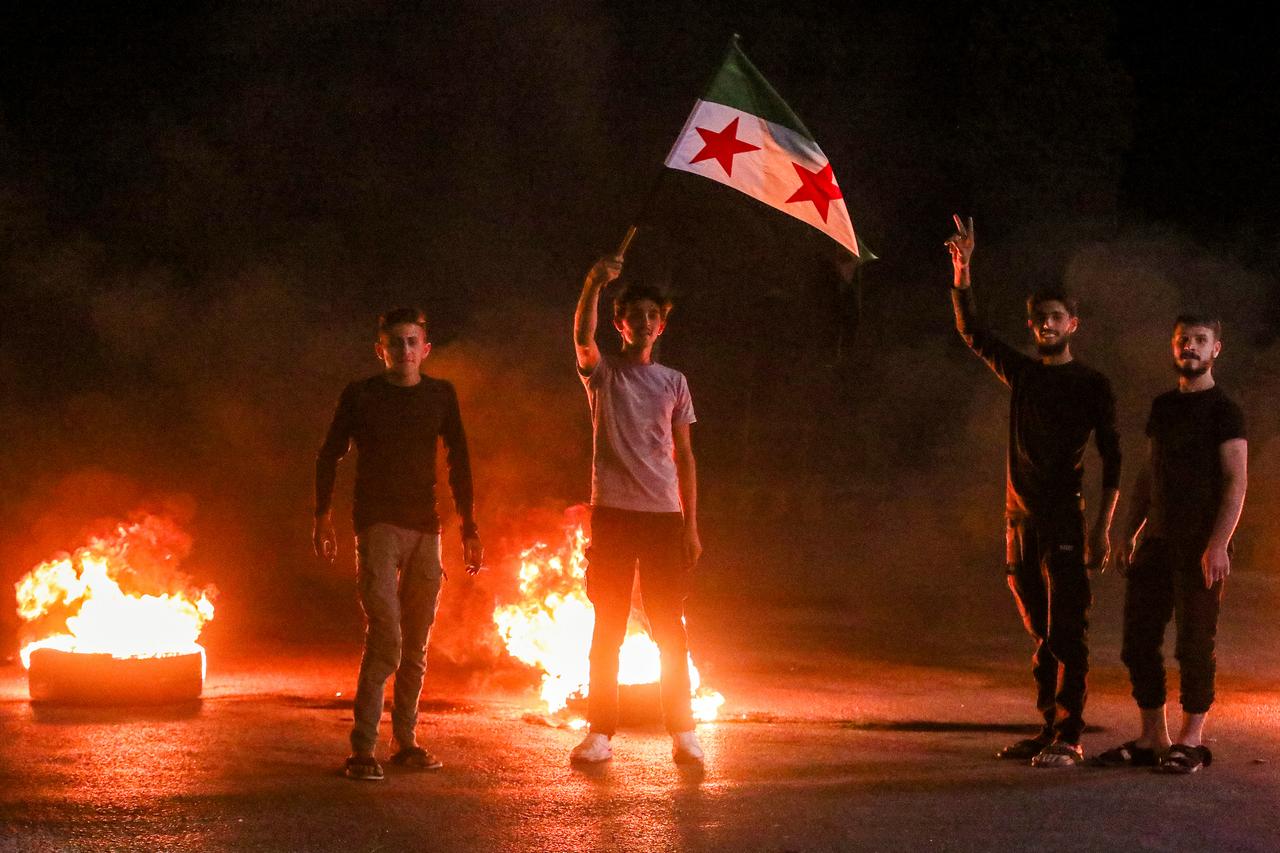


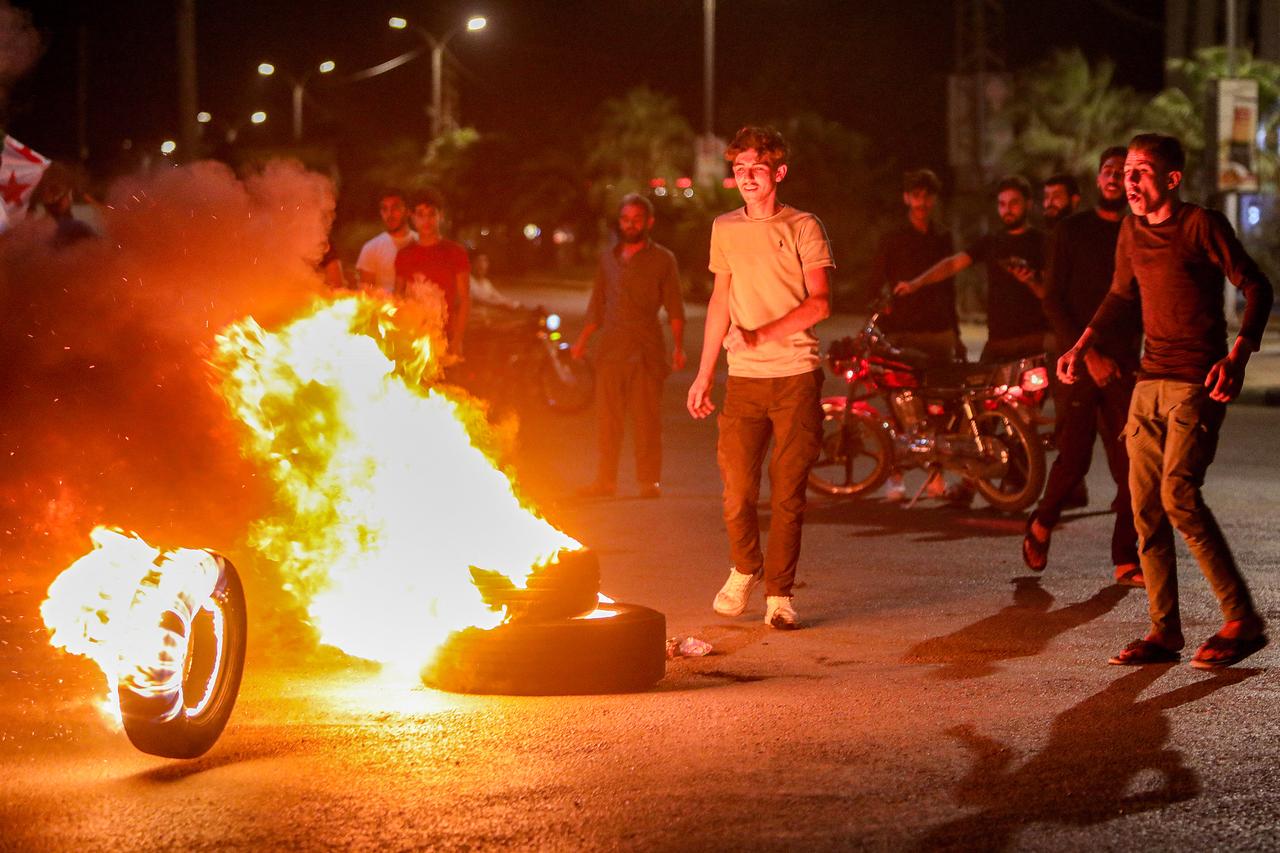
Fire met fuel on the streets of Syria this week—literally. The sudden spike in fuel prices didn't just ignite tires burning in protest; it lit the fuse on the first real survival test for the country's new government.
As over 90% of Syrians live below the poverty line, rising energy prices hit them far harder than most. In response to the price hikes, Syrians took to the streets, protesting against the government and blocking roads.
While this wave of protest and public anger will likely subside, the episode marks the first genuine test of the Syrian government's relationship with its core support base. It is also the result of a failed communication strategy and a reminder of Ahmad al-Sharaa's Achilles' heel: legitimacy.
Many vulnerable Syrians simply cannot afford their daily needs. Yet under the Assad regime, many basic goods were subsidized—subsidies partly financed by the regime's drug revenues.
To give credit where it's due, that drug money didn't entirely end up in the pockets of the regime's inner circle.

The new Syrian government regards subsidies as part of Syria's failed economic model. It believes in neo-liberal economic policies and argues that subsidies hurt the economy and the people, while creating a patron-client relationship between the government and its citizens.
Furthermore, the government doesn't have the resources, as drug production has been dismantled.
The Syrian government's strategy was to attract investment and hope that economic growth would help mitigate poverty. Even though Damascus delivered on its part by enabling sanctions relief and updating investment laws, structural obstacles in Syria, the war in Ukraine, the Iran war and the global economic outlook limited the amount and pace of investment. The expected economic growth failed to materialize.
Secondly, Syria is part of the world, and it is affected by global energy prices. The wars in Iran and Ukraine have put pressure on the Syrian economy. There is little the Syrian government can do about global energy prices either way.
But what led to the frustration in Syria was the lack of a communication strategy. The government presented an illusion of prosperity too soon.
Damascus didn't explain the effects of global energy prices to Syrians. Furthermore, until yesterday, the government hadn't given any insight into the limits of Syria's oil production.
For many Syrians, the fuel price hikes seem like a decision made by the Syrian government. Many speak of corruption, not understanding that this is a bill they have to pay for the wars of others and the 13-year war in Syria.
Lastly, but most importantly, this popular unrest should be a strong reminder to Sharaa: he cannot establish a benevolent regime in Syria like the Gulf States. He cannot establish a regime maintained by authoritarian means.
If he truly wants to stabilize the Syrian government, he must establish legitimacy. Only legitimacy granted by the Syrian people can provide stability.
Therefore, the Syrian government should look into ways to accelerate the elections Sharaa promised.


 Set as preferred source
 Set as preferred source


 1 min read
 1 min read