Newsletters


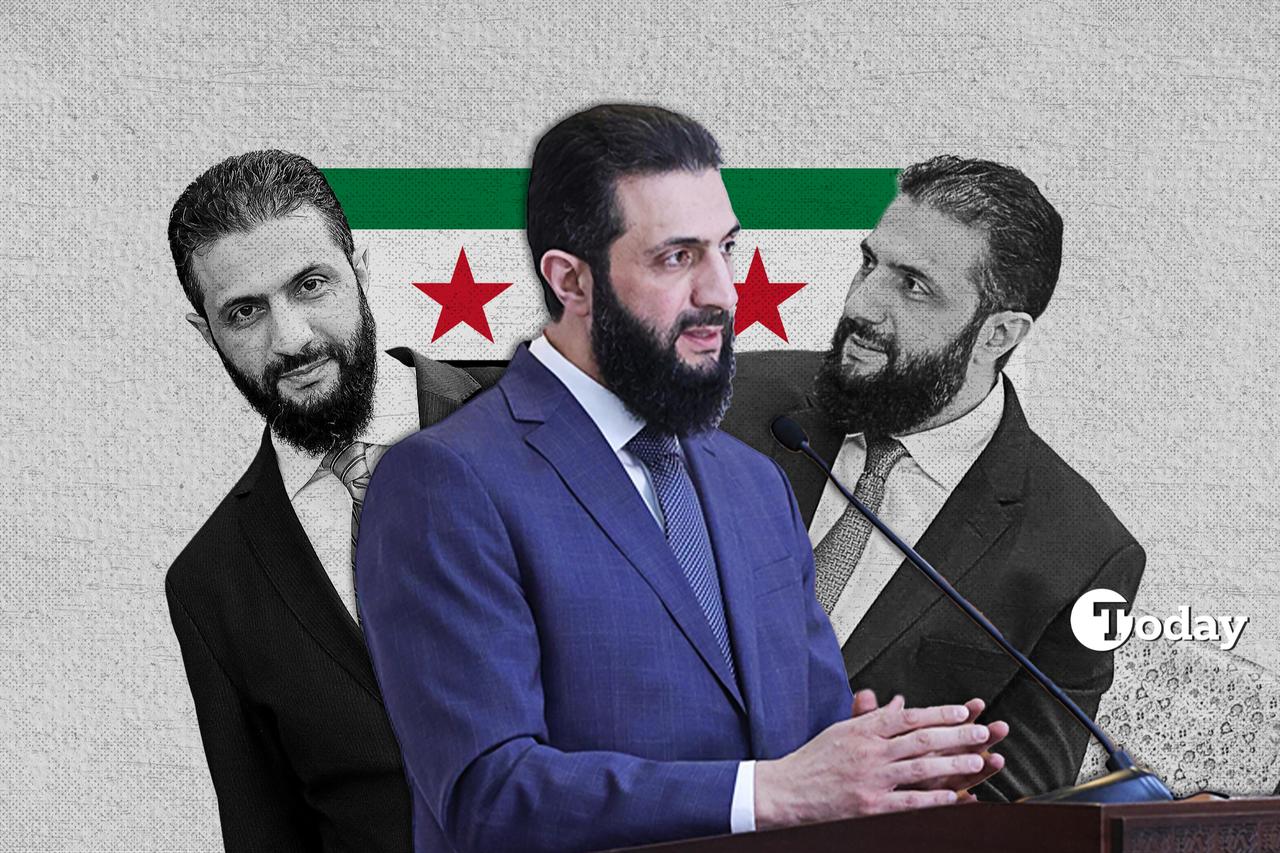


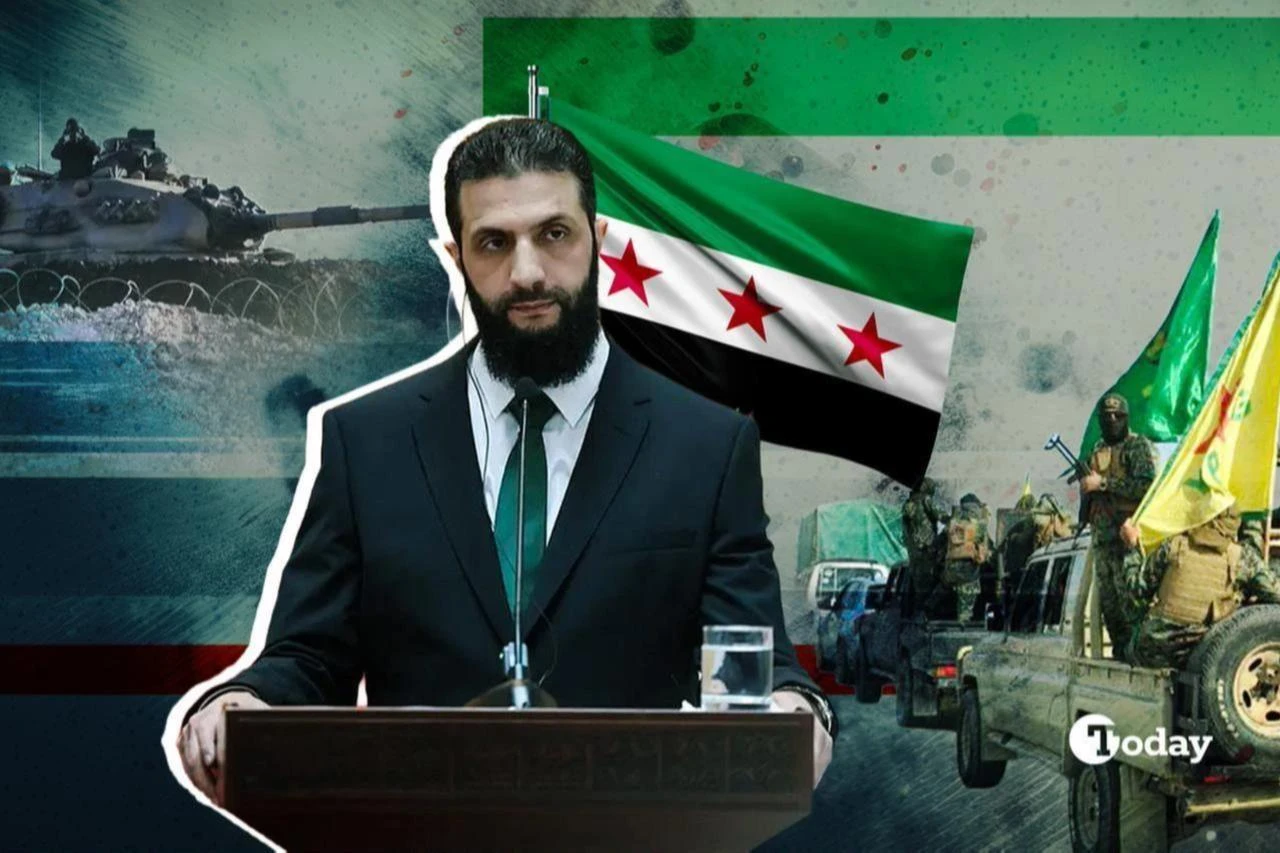
In the swamp of post-Assad nation-building, while regional rivals and domestic actors were still scrambling to calculate their next moves, Ahmad al-Sharaa quietly orchestrated a masterclass in political consolidation.
The official dissolution of the YPG-dominated Syrian Democratic Forces (SDF)—announced by Mazloum Abdi and swiftly welcomed by both the United States and Türkiye—marks a monumental milestone in Syria's transition.
More importantly, it cements a decisive political victory for Sharaa. By neutralizing alternative trajectories and outmaneuvering his opponents, he has fought off and won the defining political battle for Syria's future. Gaining the trust of an ethnic political group with a long history of distrust toward the central government was no easy feat, yet Sharaa delivered.
For followers of the Syrian war, Sharaa was always a known figure, but he was never widely popular.
Had a Syria-wide poll been conducted in November 2024, Sharaa's popularity—then known as Muhammad al-Jolani—would have registered only a few percentage points. His leading role in toppling the Assad regime is what fundamentally changed public perception and brought him to prominence among Syrians. After the revolution, his support rose to over two-thirds of the country. He became the champion of Syria's Sunnis and, in the process, managed to win the trust of other Syrian communities as well.
More significantly, he is rapidly attaining a status similar to that of the founding fathers of the United States.
Long-time revolutionaries who were once far more prominent than Sharaa have since been co-opted into his expanding state apparatus or sidelined entirely. He and his close associates now single-handedly dictate the political direction of the country. More than a year and a half after Assad's fall, Syria continues to follow the exact trajectory Sharaa laid out for Syrians in the earliest days of victory.
When Assad was toppled, many speculated that Syria was destined for partition. The SDF, along with outside actors like France and Israel, later tried to use it as leverage to reshape Syria's political trajectory and carve out independent spheres of influence.
But as things stand today, Sharaa has won decisively. The SDF ultimately proved incapable of altering Syria's transitional process, crumbling under the weight of sustained political pressure and shifting regional dynamics.
The dismantling of alternative political trajectories is starkly evident in the fate of key SDF figures.
Abdi, long rumored to become Syria's deputy president, was instead recently appointed merely as an adviser to the president. Similarly, Elham Ahmad was widely expected to become deputy foreign minister, but she became a parliament member instead.
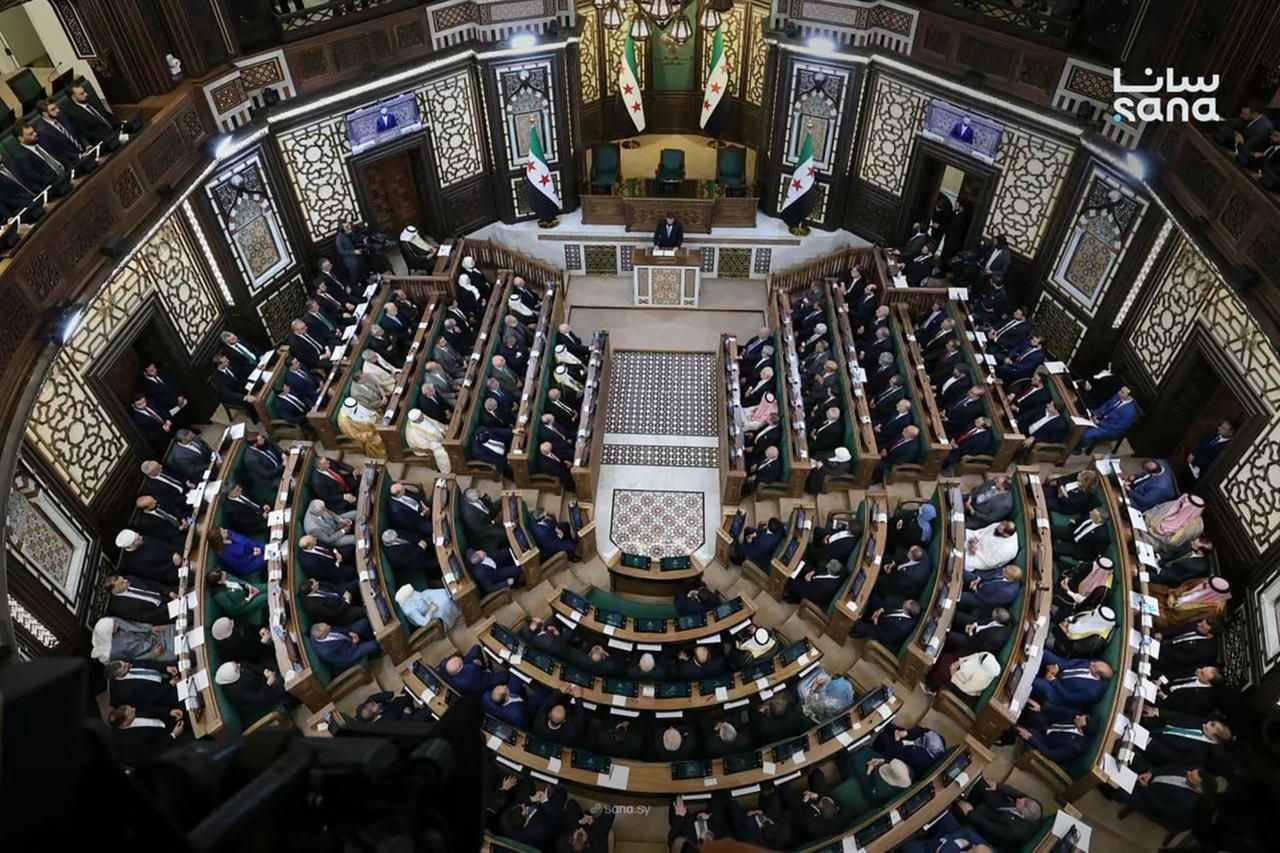
With her late appointment, Ahmad is now the only defunct SDF-affiliated figure in the entire 210-person parliament. Crucially, Kurds in parliament are now primarily represented by the SDF's historical Kurdish rivals—exactly as Sharaa had envisioned.
Long story short, Sharaa continues to amaze, consolidate power, and push forward his vision of what the New Syria should look like.
That said, his vision of a functioning and representative parliament appears to be the biggest challenge he will face in shaping Syria's long-term future. It remains to be seen how much the parliament will be able to truly emancipate itself from Sharaa's overpowering gravity, or whether the legislature's independence will be systematically weakened to serve executive dominance.


 Set as preferred source
 Set as preferred source


 1 min read
 1 min read