Newsletters




As the rain dries on the summit communiques in The Hague, a diplomatic theater cheerfully bankrolled by lofty promises and decade-long timelines, a skepticism radiates from a White House that has long ceased to believe in the pieties of old alliances.
Don't let the polite smiles in the group photo drown out the real story. For decades, the transatlantic relationship has operated like a tired marriage on a comfortable script: Washington provides the ultimate security umbrella, Western Europe occasionally promises to chip in by the next decade, and the establishment laments the cracks in the foundation.
Yet, as the dust settles on the latest strategic rounds, the traditional bastions of the West find themselves permanently stranded on Washington’s "naughty list," while a fiercely independent actor on NATO’s southeastern flank enjoys unprecedented warmth.
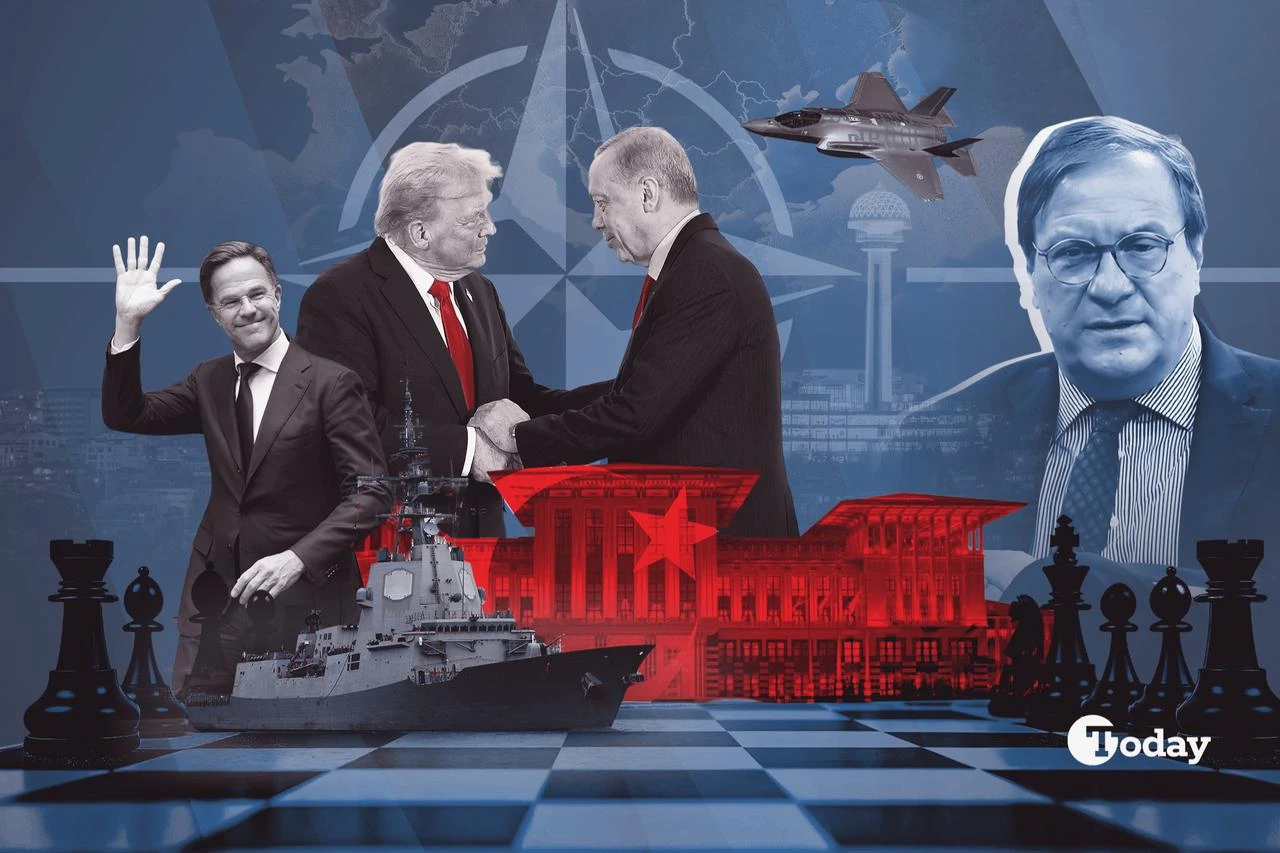
The strange beauty of this spectacle is that just recently, NATO Secretary-General Mark Rutte insisted that the Eastern coast of the Atlantic fulfilled its duty, with between 4,000 and 5,000 flights taking off from European bases in support of Operation Epic Fury. Yet President Trump handed the laurel to Erdogan only for "staying out of the conflict."
Though many have a hard time understanding, the reality is that Trump’s foreign policy operates on a matrix of transactional realism, immediate tangible output, and direct bilateral relationships.
By contrasting Western Europe’s hesitation with Türkiye’s immediate hard capabilities and strategic autonomy, it becomes clear why the Trump administration remains deeply disappointed by Europe while fundamentally content with Ankara.
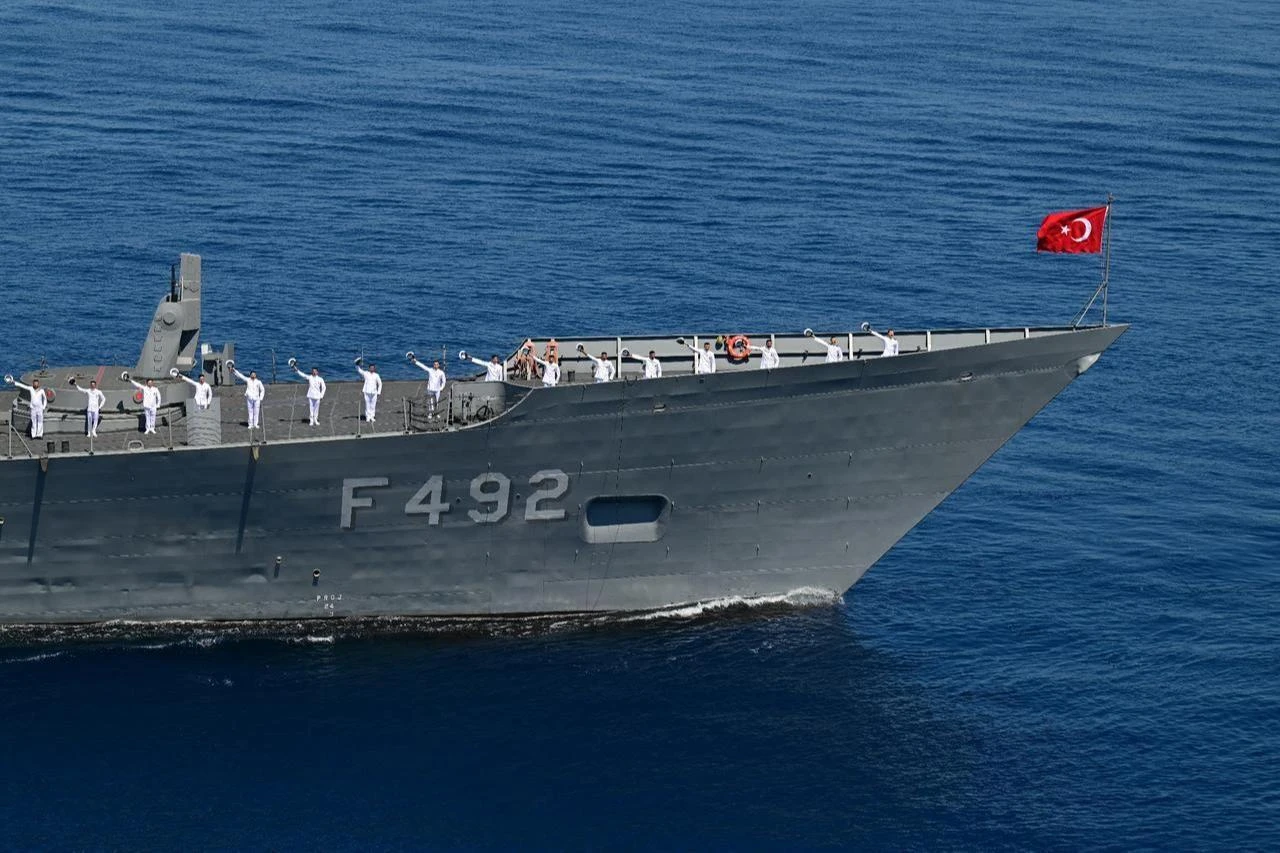

Consider the stark irony written across the continent's military geography to understand the difference between the allies.
The United States continues to station tens of thousands of forward-deployed American troops in Western Europe, effectively subsidizing the defense budgets of capitals that require constant, exhausting diplomatic pressure just to align with Washington's core strategic objectives.
Europeans treat American troop presence like a permanent entitlement, an invisible shield that frees up cash for continental social spending while leaving Washington to hold the bag. Across the Black Sea, the script flips entirely.
Türkiye hosts a bare fraction of that American military footprint, yet operates as an agile, highly collaborative partner on the frontlines of the world’s most volatile flashpoints. While the European governments act hesitantly before the American push, Ankara does not ask Washington to hold its hand, nor does it demand that American taxpayers foot the bill for its domestic security.
Instead, it acts autonomously, leveraging its brutal geography to advance operations that structurally stabilize regional interests without draining a single drop of American blood or treasure.
Hence, with great responsibility comes autonomy, at least on a strategic level. That’s also the reason why on Thursday, U.S. Ambassador to NATO Matthew Whitaker said "Türkiye’s defense industry should serve as a model for allied countries" ahead of next week’s NATO summit in Ankara.
This friction between dependence and self-reliance is precisely why European defense pledges are met with such deep skepticism in Washington. While Western European leaders spent the 2025 Hague summit patting themselves on the back for committing to a historic 5% gross domestic product (GDP) defense target by 2035, the Trump administration views a ten-year timeline not as a strategy, but as a political stalling tactic designed to dodge immediate accountability.
To Trump, a promise that matures in a decade is just a bad investment nobody wants to admit they bought. Türkiye, by contrast, represents what Atlantic Council's Fred Kempe calls "Exhibit A" of the ideal modern ally because it already possesses the exact framework Trump demands from the rest of the alliance.
Command of NATO’s second-largest standing military offers immediate, ready-now deterrence today rather than the vague promise of an armored division tomorrow.
More importantly, instead of clinging to legacy platforms or relying on American defense loans, Türkiye has built a booming, high-tech domestic defense industry. Its game-changing advancements in unmanned aerial vehicles and electronic warfare deliver the exact kind of tangible, self-reliant output Trump believes every ally should emulate.
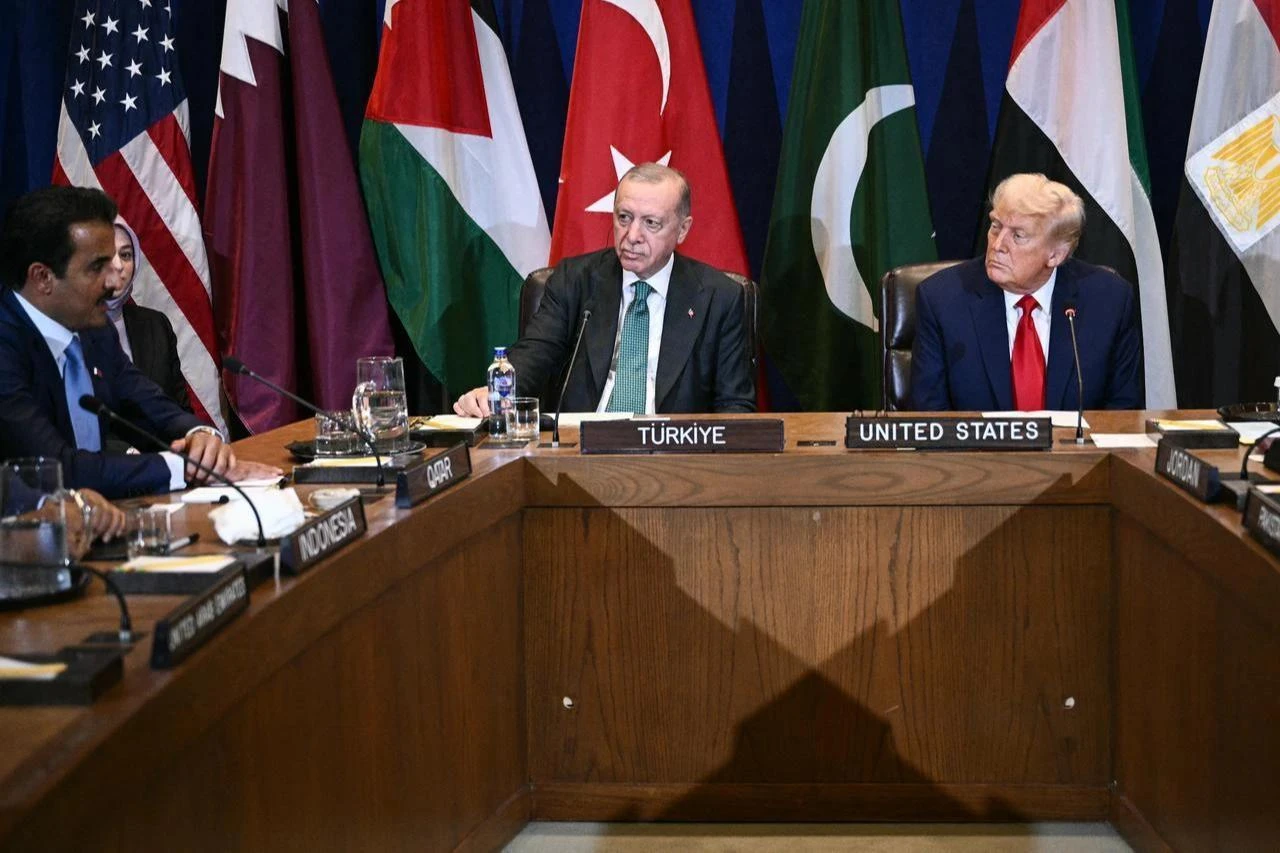
Where the traditional Washington establishment once viewed Türkiye's independent foreign policy as a liability, the current administration recognizes it as a powerful diplomatic asset.
Western Europe’s institutional alignment often locks it out of critical conversations, leaving it unable or unwilling to engage with hedging states or adversarial regimes. They stay home and sometimes issue joint statements that people make fun of.
Türkiye’s fluid, multi-lateral diplomacy allows it to maintain open channels of communication with non-allies and regional wildcards from Moscow to the Middle East. Rather than viewing this strategic autonomy as a betrayal of the transatlantic pact, Trump’s team is convinced that Ankara’s ability to talk to everyone provides the alliance with an invaluable diplomatic bridge.
In a way, that’s also the reason Türkiye can sit at the table on the Board of Peace, where Israel also has a say. This foreign policy approach offers the United States indirect leverage and a vital backchannel where Western doors are firmly shut, as it was seen in many deals, along with the Black Sea Grain Initiative.
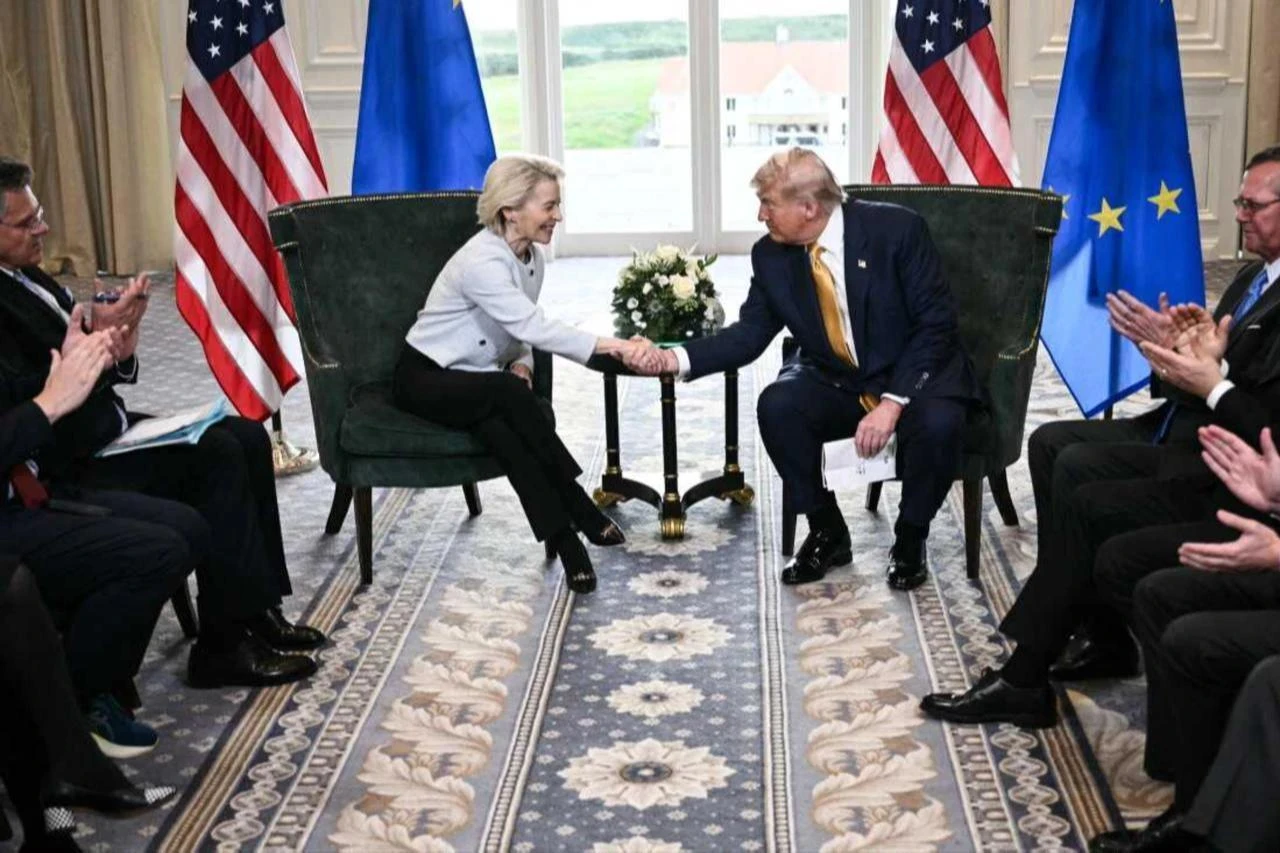
In the new era of world diplomacy, the entire geopolitical calculus is anchored by the highly personalized, leader-to-leader diplomacy that defines the current White House.
Trump’s interactions with European leaders like Italy's Giorgia Meloni or Germany's Friedrich Merz, beyond the ideology, are marred by institutional rigidity and public rifts, leaving Western Europe trapped in a predictable cycle of diplomatic reward and punishment.
His rapport with President Erdogan, however, is driven by a genuine, pragmatic chemistry that operates entirely outside the standard bureaucratic channels.
When Trump openly stated he would attend the Ankara summit "for my friend President Erdogan," he signaled to the world that personal trust can gracefully bypass deep structural disagreements.
Türkiye is not lucky. It was on the suffering side of this matter in the first Trump era, now just taking advantage of the lessons.
Safe from the standard penalties applied to lagging allies, Türkiye uses its immense military mass and sovereign geopolitical weight to act as a crucial strategic pressure valve. It keeps an otherwise fracturing multilateral alliance functional precisely because its leader knows how to speak the language of transactional realism.


 Set as preferred source
 Set as preferred source


 1 min read
 1 min read