Newsletters




Mark Rutte does not do modesty, and he certainly doesn't do it on an Atlantic Council stage in Washington. Last week, the NATO secretary-general reached for the line he's been road-testing all spring: "This is NATO 3.0," and I caught every word of the conversation.
Past the hour mark, Rutte turns to Rheinmetall's new plant in Lower Saxony: ground broken to a running production line in 15 months, on track for 350,000 artillery shells a year by 2027. "Strong and successful," he calls it.
A few minutes later, he mentions the young engineers he met that spring at ASELSAN's base outside Ankara. Two visits, two speeches, one paragraph apart in his own retelling. That gap is the story Ankara is not quite telling itself this week.
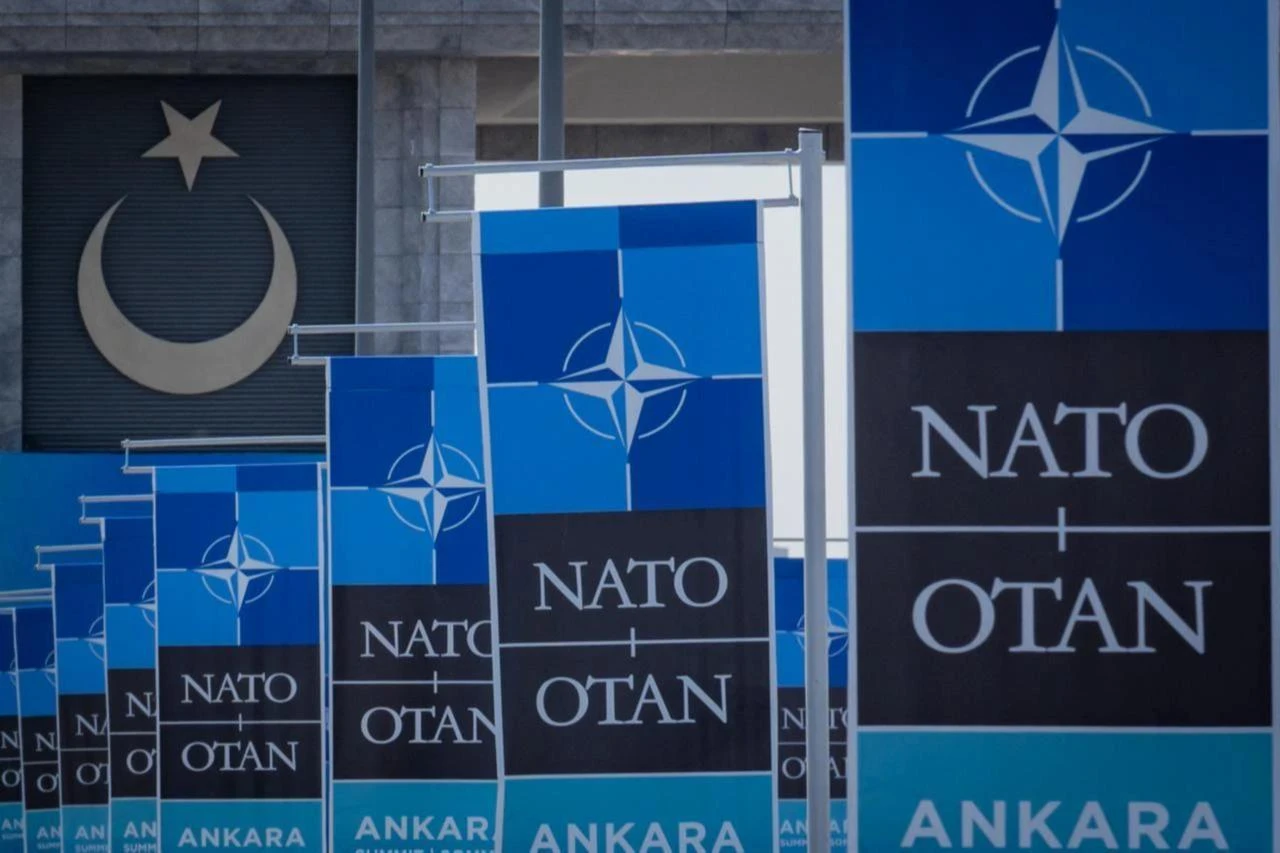
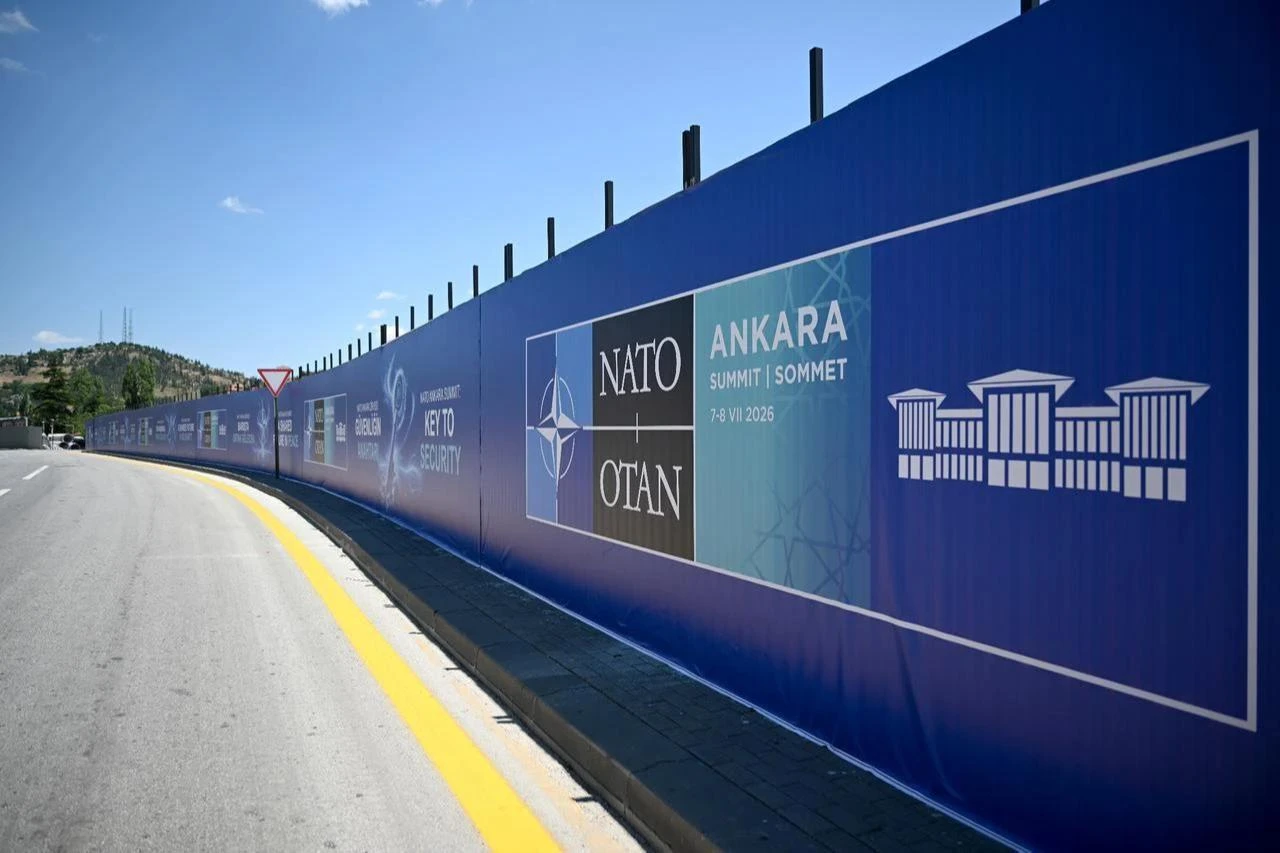
Probably because Ankara is busy dressing up for the upcoming July 7–8 summit, treating its hosting duties with the kind of performative grandeur usually reserved for existential triumphs. The local press and official channels are awash in a carefully manufactured hype, celebrating the event as a monumental diplomatic leverage point and taking the honor at face value, maybe somewhat rightfully.
After all, this is the first NATO leaders' summit on Turkish soil since Istanbul in 2004. And this time, Erdogan is not just attending, he is hosting the unveiling of what Rutte calls NATO 3.0.
Yet, away from the television cameras and the sanitized briefings, the strategic roadmap being quietly accelerated beneath the summit’s banner presents a cold, structural calculation that points in a far less celebratory direction, at least for Türkiye.

The envisioned roadmap for the near future of the alliance has an unspoken fault line running through it: the gap between what allies have pledged and what their factories can actually produce. Rutte has been blunt about it on his pre-summit circuit. Europe and Canada added $1.2 trillion in defence spending over the past decade, a figure he now calls "the Trump Trillion." However, while capital remains a prerequisite, it doesn't single-handedly provide security. Capability does.
Rheinmetall is his proof of concept: a single Lower Saxony plant that was stood up in 15 months, backed by a €500 million outlay the company could write without blinking, part of a continental effort that has taken Europe's annual shell-making capacity to six times what it was two years ago.
Türkiye has nothing on that scale to point to, not because its engineers are behind—ASELSAN's Steel Dome and its export order book say otherwise—but because Turkish defense firms are building capability against a currency that has spent years losing value, credit that costs more than it does in Dusseldorf, and Western export controls on components that never quite get called an embargo but function like one.
Türkiye is genuinely fast on drones and electronics, and nobody in Brussels disputes that. But the European side of the Atlantic has moved past the incremental defense-industrial growth into something closer to capitalist consolidation at scale—Rheinmetall-style, multi-billion-euro single-line financing that multiplies production capacity rather than merely nudging it upward.
Ankara is technologically aligned with the NATO 3.0 spirit. Yet, it is not capitalized for it. And a capital bottleneck, over a long enough timeline, is how you lose a lever you didn't realize was load-bearing.
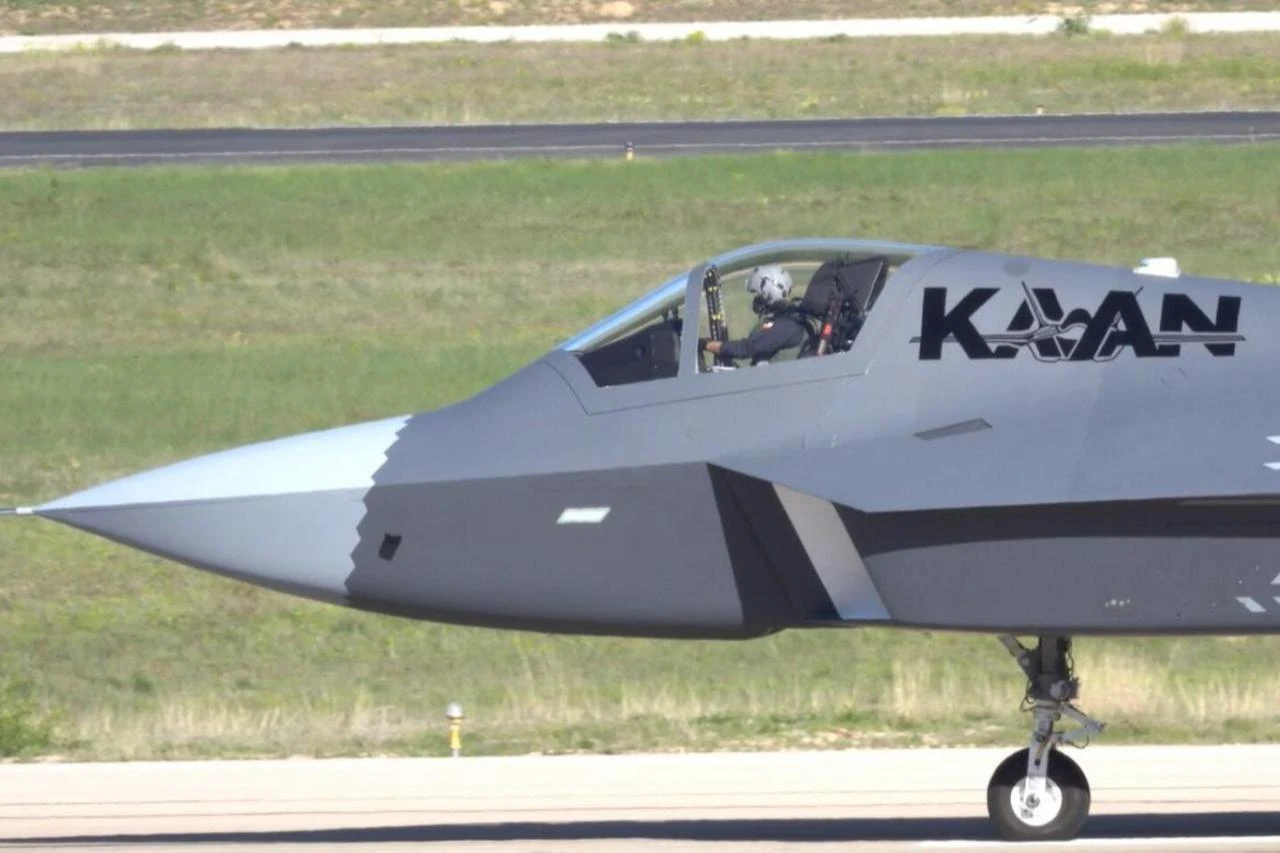
Here is what Rutte's ASELSAN compliments are actually doing: they complement the layer of NATO 3.0 that Türkiye is welcome to occupy—sub-assemblies, electronic-warfare components, drone airframes—while the systems carrying the real margin and the real strategic leverage, Patriot batteries, F-35s, whatever comes after them in hypersonics, stay parked with American and Western European primes.
Türkiye supplies high-tech pieces. The West keeps the platform and the invoice. That's a coherent industrial hierarchy, and Türkiye is being offered a lower rung on it.
Ankara should decline to let that rung become the whole agenda. The summit is in no form a defeat, and it is not the trophy certain circles of Turkish media are currently polishing either. It has to be treated as an early warning: unless financial depth and sovereign component supply become urgent policy rather than a talking point for the next fair, the leverage Türkiye has spent two decades building through its national programs gets absorbed into someone else's production schedule.
Rutte will keep visiting ASELSAN and keep smiling for the cameras.
Beyond celebrating the opportunity to sit at the same table and exchange experiences with long-standing allies, Türkiye must be aware of the risks that NATO’s envisioned short-term form will pose to it, even if its realization depends on many factors.
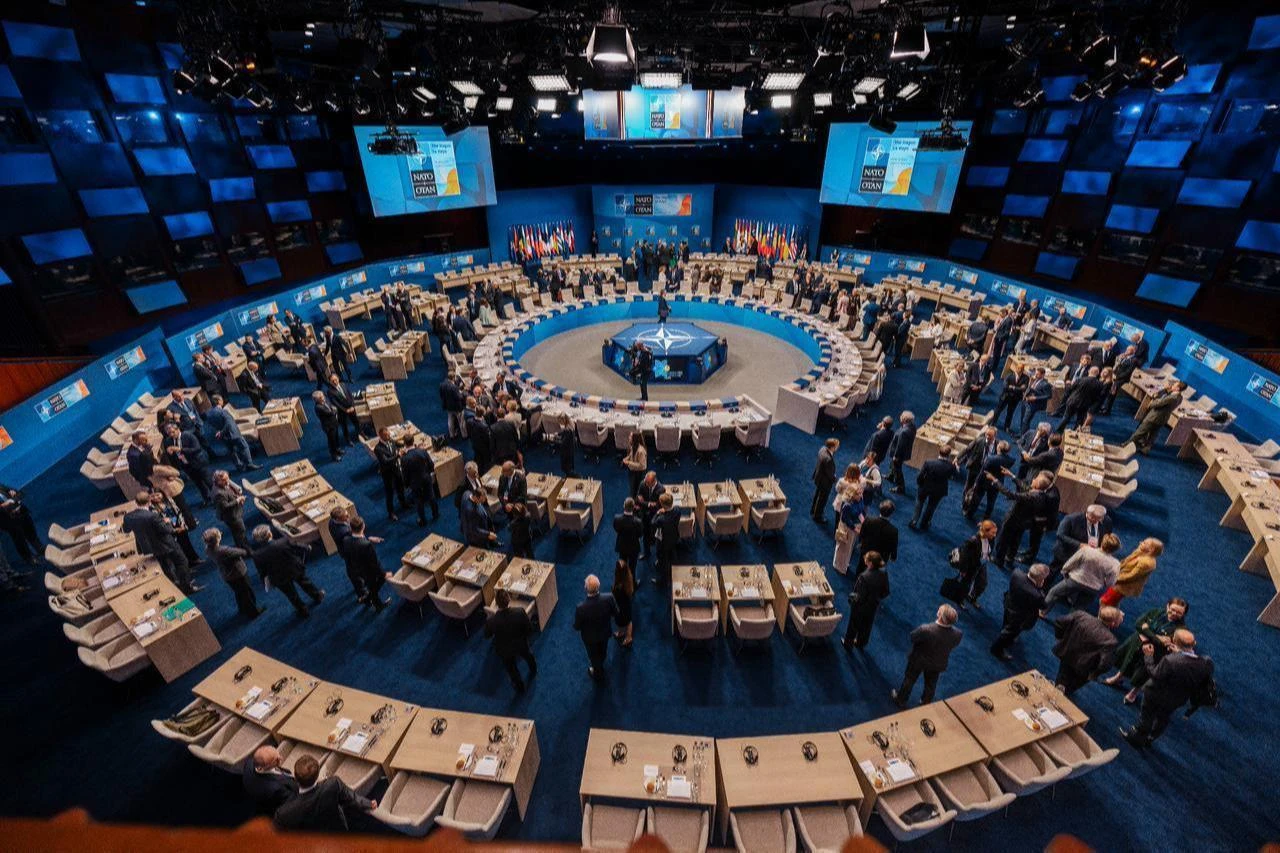
Defending Europe's contribution to the Iran campaign this month, Rutte told his Atlantic Council audience that between 4,000 and 5,000 flights took off from European bases in support of Operation Epic Fury, the campaign against Iran.
He framed it as proof that Europe was pulling its weight. The summit, in that sense, is also arriving with an anticipation of a resolution of this point of friction in transatlantic relations.
Yet, Türkiye and some other major European allies have spent the last few months drawing a different line: bases are for NATO's collective defense, not for routing American unilateral action on the way to a third country, especially somewhere in the Middle East that is desperate for stability.
If what Rutte calls “NATO 3.0” means turning European bases into logistical machines for the U.S.’ unilateral initiatives in the Middle East, then Türkiye actually faces the danger of legitimizing a framework where its neighborhood is instrumentalized as a disposable operational asset for Washington's broader posture. Europe’s alignment with the U.S. on this issue is not in the interest of Türkiye nor the Middle East.
Surely, there are details regarding the risks mentioned here. Arda Mevlutoglu, an aerospace and defense analyst with over 20 years of industry experience, observes that Europe's military ambitions face steep internal roadblocks.
"It appears difficult for the EU to establish a shared vision and industrial strategy in the near future," Mevlutoglu notes, pointing out the immense challenge of convincing European populations to accept the erosion of the welfare state in favor of ballooning military budgets. He emphasizes that European societies have not yet felt the real social friction of remilitarization, even as their industrial base has lost its competitive edge.
When asked whether this reality will inevitably lock Türkiye into a permanent subcontractor status, Mevlutoglu suggests that while European institutions and major capitals certainly view Türkiye through that lens, Ankara has options. "This may not entirely disturb Türkiye," he argues, given Ankara's proven ability to build and manage defense relationships across different geographies with alternative global actors.
Mevlutoglu views Europe as currently caught in a geopolitical squeeze between Washington and Beijing. While logic dictates that Brussels should cultivate deep industrial and military ties with its immediate periphery, European leaders have consistently avoided a meaningful partnership with Türkiye for a mix of valid and manufactured political reasons. Instead, Europe has turned to more distant partners like Morocco and India—though whether these arrangements can satisfy European industrial needs remains highly debatable.


 Set as preferred source
 Set as preferred source


 7 min read