Newsletters


The Atlantic Council, one of the world's leading think tanks headquartered in Washington, D.C., is an organization dedicated to strengthening transatlantic relations. But lately, as those relationships have been going through a serious crisis, Frederick Kempe, the organization's president and CEO, has been exceptionally busy navigating the challenges.
Not long ago, he led an Atlantic Council defense-industry delegation through Brussels, sitting across the table from the alliance's defense ministers and the Supreme Allied Commander Europe.
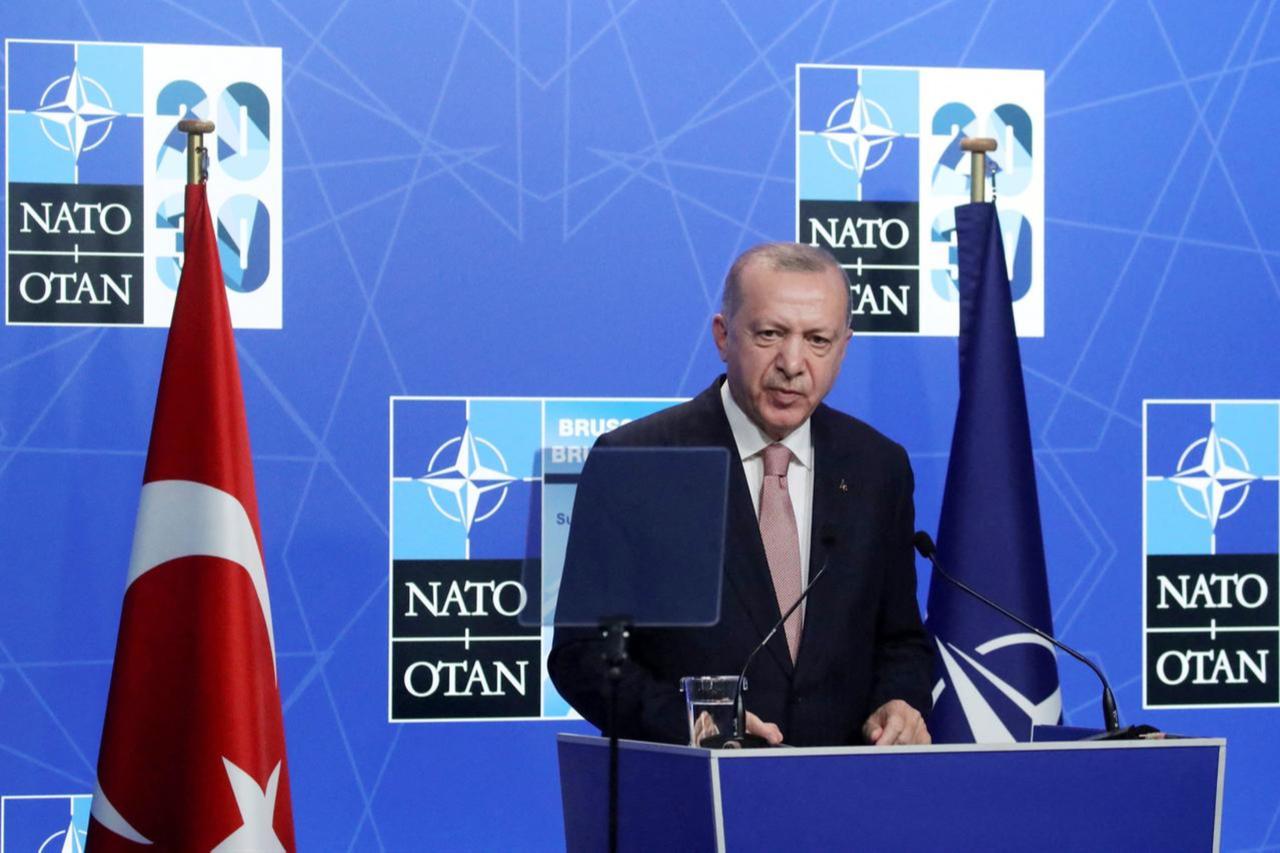
A week ago, he had Mark Rutte, NATO's secretary general, on the Atlantic Council's own stage in Washington, fresh off meetings with President Trump and barely 10 days from the Ankara summit Rutte would co-host.
By the time Fred Kempe sat down for an interview with Türkiye Today, the question was whether Ankara, of all places, might be where the strain finally breaks the right way.
"I had never felt tensions as great as they were then across the Atlantic," Kempe said, recalling the recent gathering in Brussels.
Trump, he said, was "deeply disappointed" with the Europeans over what he considered their insufficient help regarding Iran. Europeans, meanwhile, were just as alarmed over Greenland, tariffs, and force reductions; nobody flagged ahead of time.
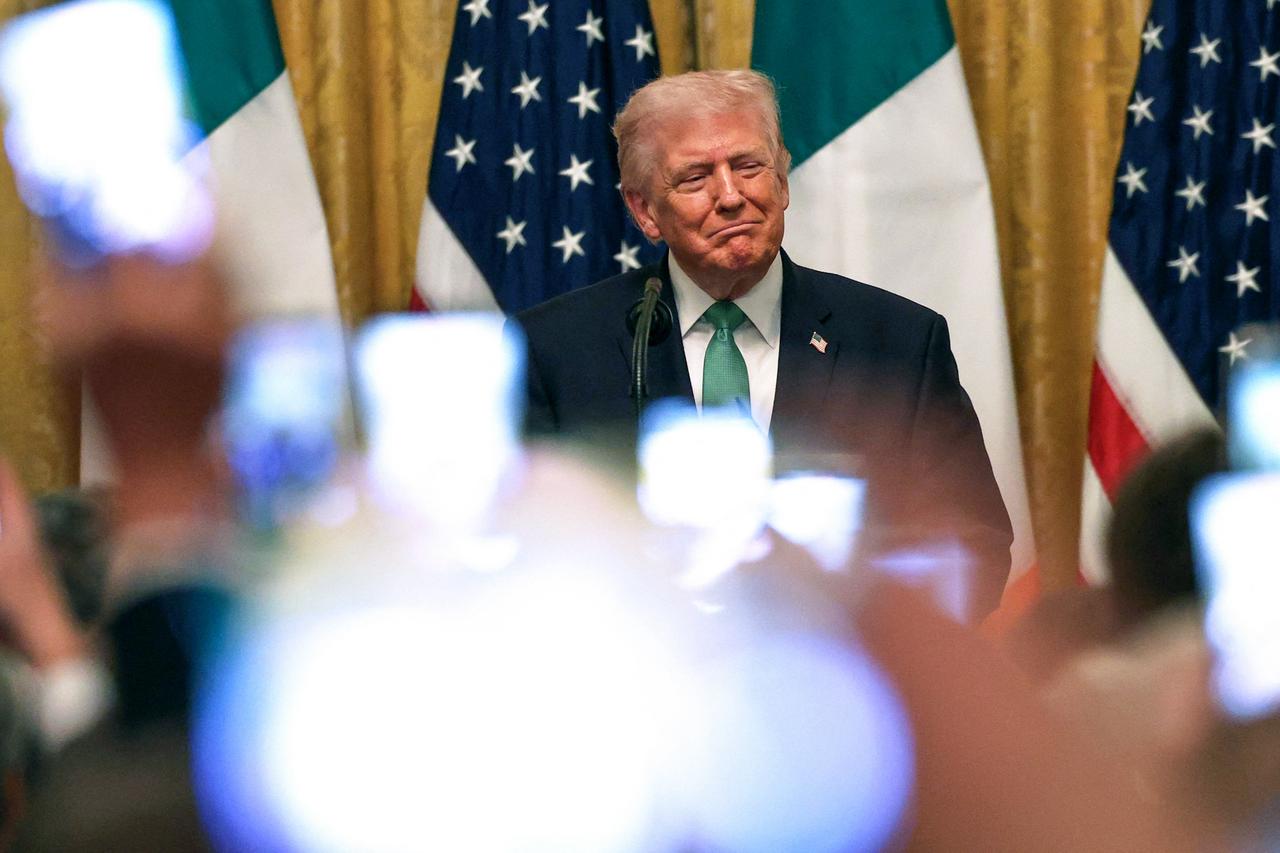
And yet Trump is coming to Ankara anyway, and saying he’s doing so in no small part because of his bilateral meeting with Turkish President Recep Tayyip Erdogan before the summit. "I think part of the reason why you see President Trump saying, 'I'm coming for my friend President Erdogan,' is that he doesn't have any of the disagreement with him that he has with some of the European leaders.”
It is, in other words, a summit built on a relationship the rest of the alliance currently lacks, which makes Türkiye less a host nation than a pressure valve.
The Hague summit in 2025 produced numbers that would have been unthinkable a decade ago: NATO members committing to 3.5% of gross domestic product (GDP) on core defense spending, plus another 1.5% on defense-related spending—five points of GDP, in aggregate, redirected toward hard power.
Kempe sees that as dramatic progress, but that President Trump is now watching to see if Europeans deliver on these promises.
"The real question, and that's the question the White House is asking, is whether this is going to be turned into capability," he said. "I think the Ankara summit could be a historic summit if the allies can actually show that they are turning the Hague commitments into Ankara capabilities."
Money pledged is not hardware delivered, and Washington's patience for the gap between the two has visibly thinned.
Türkiye, to him, is Exhibit A. "If you're talking about an army with capabilities, this is the second largest military in NATO," Kempe said. "It has the kind of capabilities that Trump would like to see with other militaries."
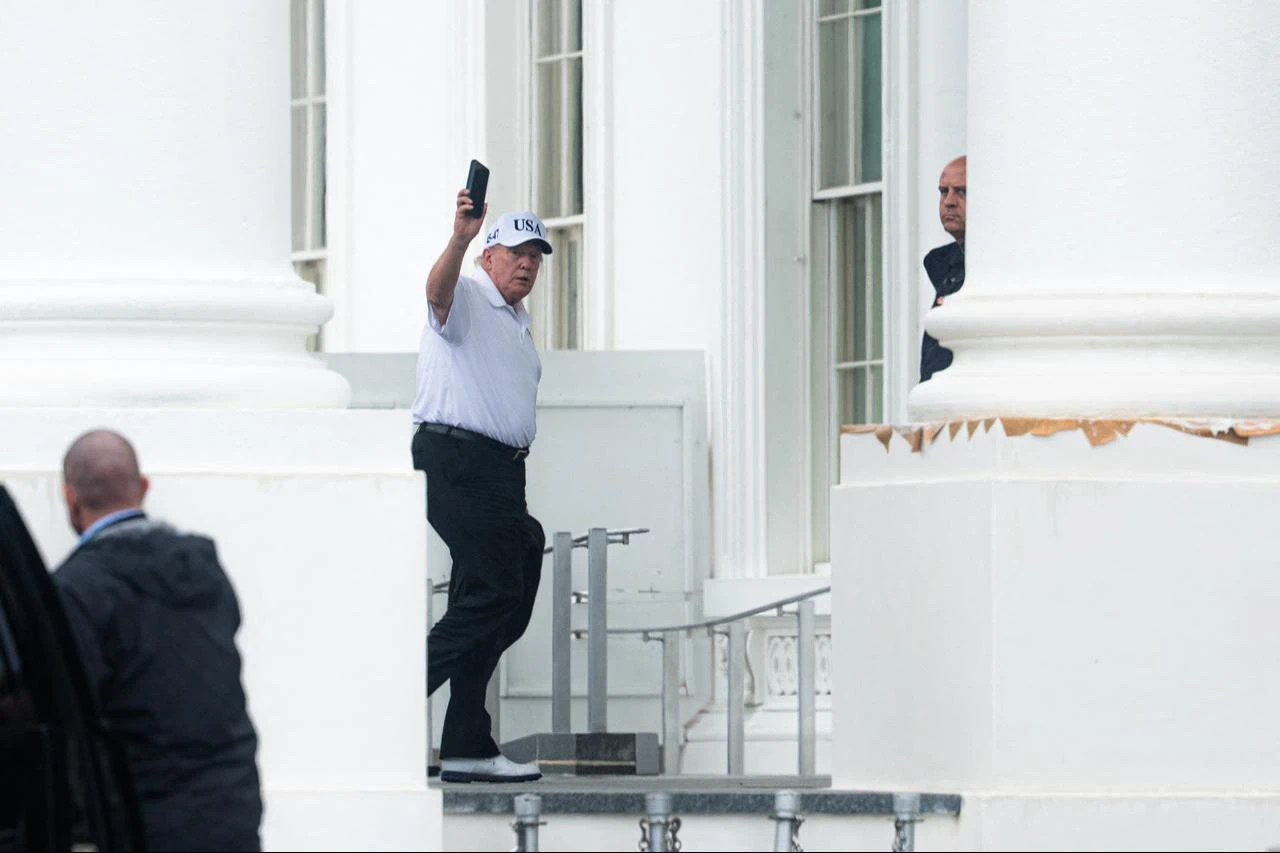

Much of that thinned patience traces back to the Iran conflict, where Trump publicly criticized allies for falling short in the aftermath of Operation Epic Fury.
Kempe pushes back on the bluntest version of that narrative: there were, he noted, 4,000 to 5,000 allied flights supporting the operation from European air bases, and Rutte was right to tell Trump that most allies delivered what was asked, even if one or two said "the wrong thing" publicly.
"Most of what the U.S. wanted from its allies, it got," Kempe said. "I just want to make that crystal clear."
What remains less clear is what comes next. With the ceasefire holding only tenuously and the Strait of Hormuz reopened, Kempe expects deeper involvement in demining efforts from allies—France in particular—though on a bilateral basis rather than under NATO's banner.
The real question, as he put it, is what role allies play "if this situation turns hot again."
On the Ankara agenda itself, the uncertainty is more diplomatic than military: "I think we should all be biting our nails a little bit about how Trump will respond to his meetings with other allies."
The bilateral leg—Türkiye and the United States—he expects to go smoothly, while the multilateral leg is the wildcard.
If Iran supplies the tension, Ukraine supplies the opening, according to the President and CEO of the Atlantic Council. American weapons no longer flow as direct aid but through the NATO PURL (Prioritised Ukraine Requirements List) mechanism, which has been supplying urgently needed air defense, such as the Patriot systems, and a range of other weaponry unavailable from other allies.
Kempe says Russian battlefield losses are running as high as 1,000 men a day, a pace Kempe calls unsustainable for Moscow to replace.
Meanwhile, Ukrainian strikes on Russian energy infrastructure have grown more effective, and European financial support, he noted, has "never been greater."
"What makes this Ankara summit historic is this coming together of transatlantic tensions and Ukrainian opportunity," Kempe said. "This is really a time for the alliance to seize the initiative."
His worry isn't Europe. It's whether Washington treats Ukraine as the priority it should be for what he calls Trump's "historic legacy," and whether the G7's Ukraine commitment carries through into Ankara's communique.
"There is no other country in the world that is central to the issues of the Middle East, of Central Asia, of Europe, of the Caucasus," Kempe said. "It all comes together in Türkiye." That centrality also translates into hardware.
Kempe expects a jet-engine agreement to be announced at the summit, alongside continued, if unresolved, efforts to chart a path back to F-35 access, complicated since the late Trump era of his first term. Whether that gets fully sorted by next week, he won't predict. What he's confident of is the intent: a Trump administration that "particularly sees the strategic importance of Türkiye" and is working, mostly out of view, to deliver as much as possible by summit week.
The same logic extends outward to the Gulf. Kempe sees deepening Gulf partnerships as the next-best architecture as someone self-described as one of the "lonely voices" who'd extend NATO membership to partners like Japan, Australia, or the UAE, while acknowledging that's not happening anytime soon.
"Never let a crisis go to waste," he said. "It's terrible that there's a crisis, but you can actually move things more quickly to address problems you've had in the past."
The summit's least resolved thread is also its most structural: the EU's SAFE loan instrument, which largely excludes Turkish and American defense firms from a €150 billion European-purchases-only slice of a roughly €800 billion package, though Kempe notes the remaining €650 billion can still flow toward U.S. suppliers. However, he has "mixed views" on the issue.
Spending European taxpayer money on European capability has a logic to it, he allows, except in categories such as long-range fires and ballistic missile defense, where Europe simply doesn't yet produce at the necessary quality or scale.
But the deeper issue, in his telling, isn't procurement rules at all. It's trust. "There's actually no evidence whatsoever that Lockheed or General Dynamics or any U.S. partner would deliver equipment to Europeans and then, for whatever reason, restrict its usage for political reasons," he said.
And yet he heard exactly those doubts voiced in Brussels. His prescription is structural: a genuine transatlantic defense-industrial system built on joint operating agreements and joint production, so allies stop wondering whether American-made systems will actually be theirs to use when it matters.
Ultimately, Kempe believes the Ankara Summit could be a historic one if it produces stronger U.S-Türkiye defense ties and converts NATO defense spending commitments into capabilities. In unlocking this potential, leveraging the positive momentum generated in Ukraine may well serve as the most critical catalyst.


 Set as preferred source
 Set as preferred source


 2 min read
 1 min read