Newsletters


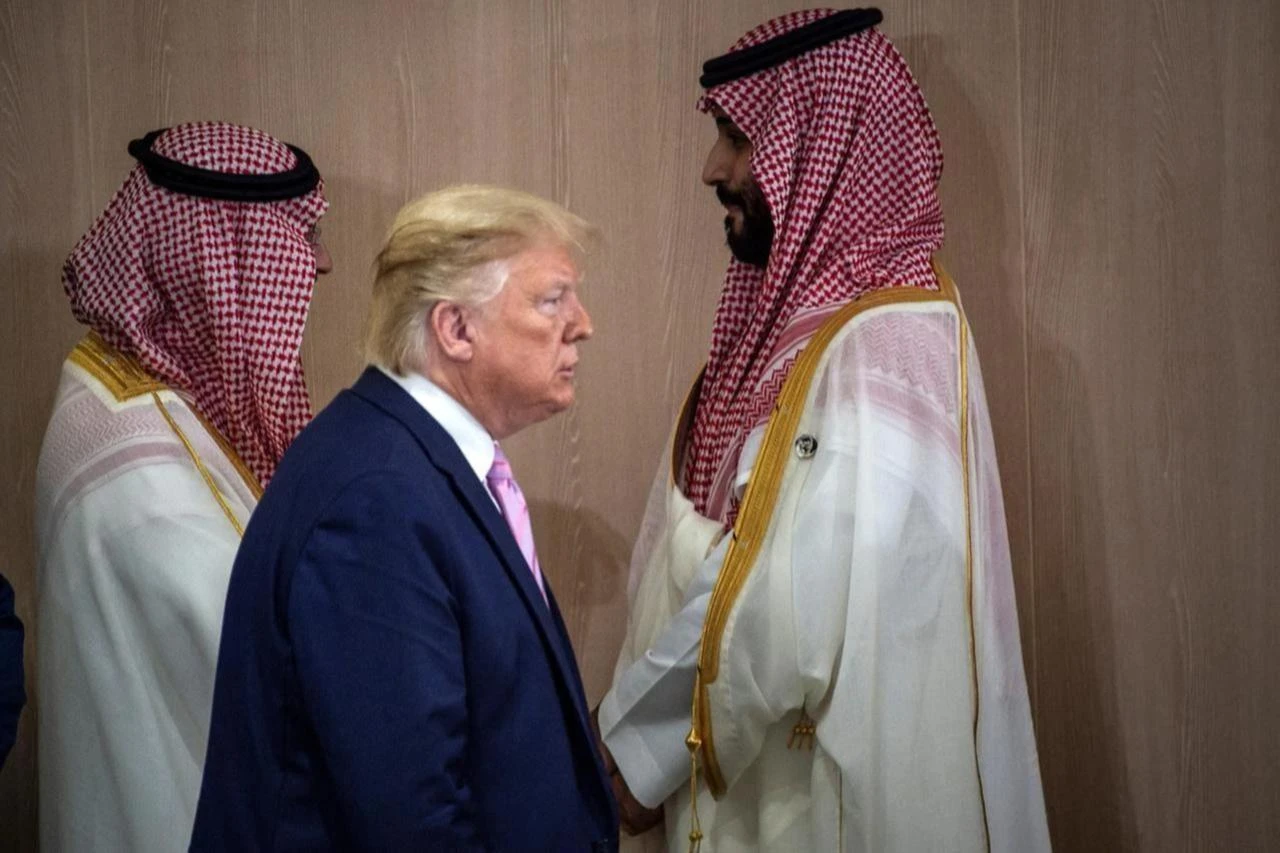


The Ministry of Investment in Riyadh ran its Vision 2030 briefings on schedule this week. Gigaproject timelines, debt calendars, the usual.
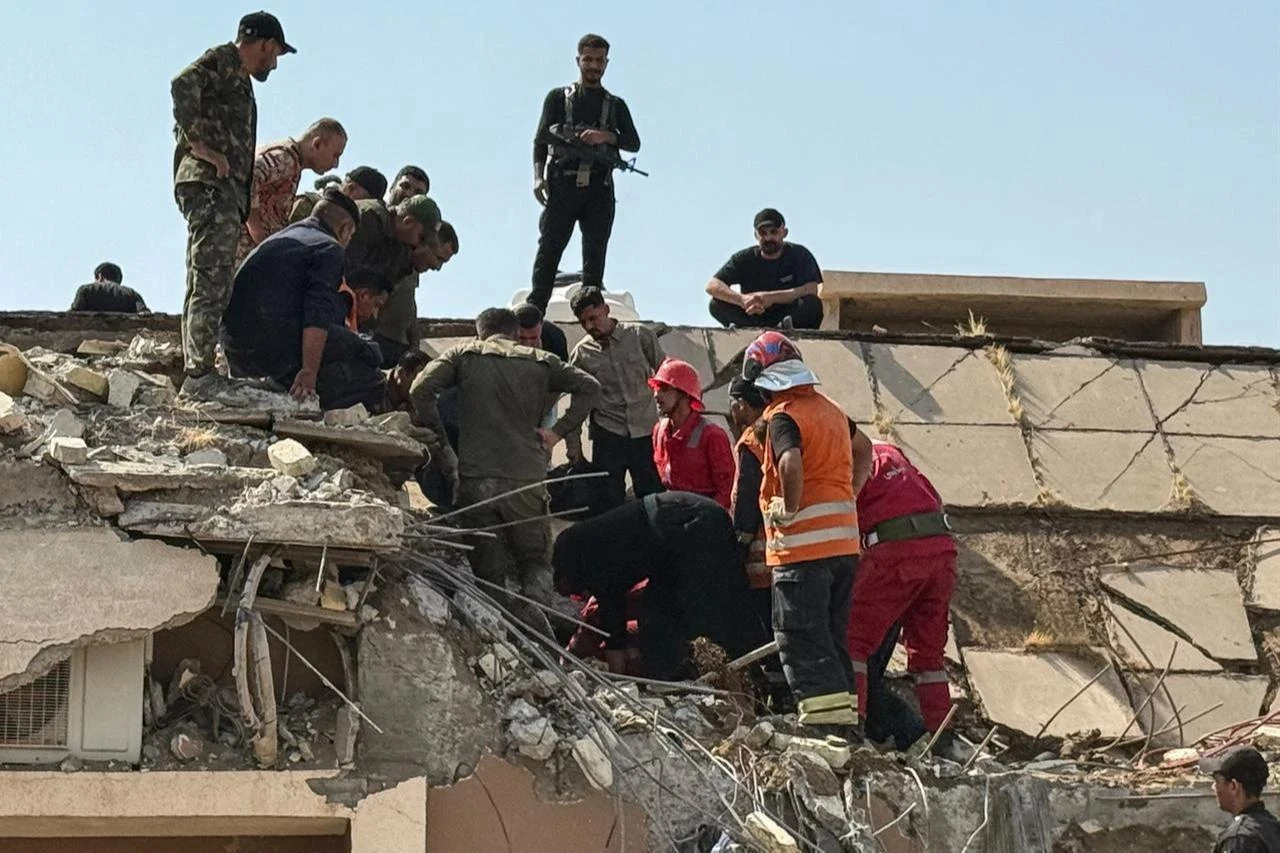
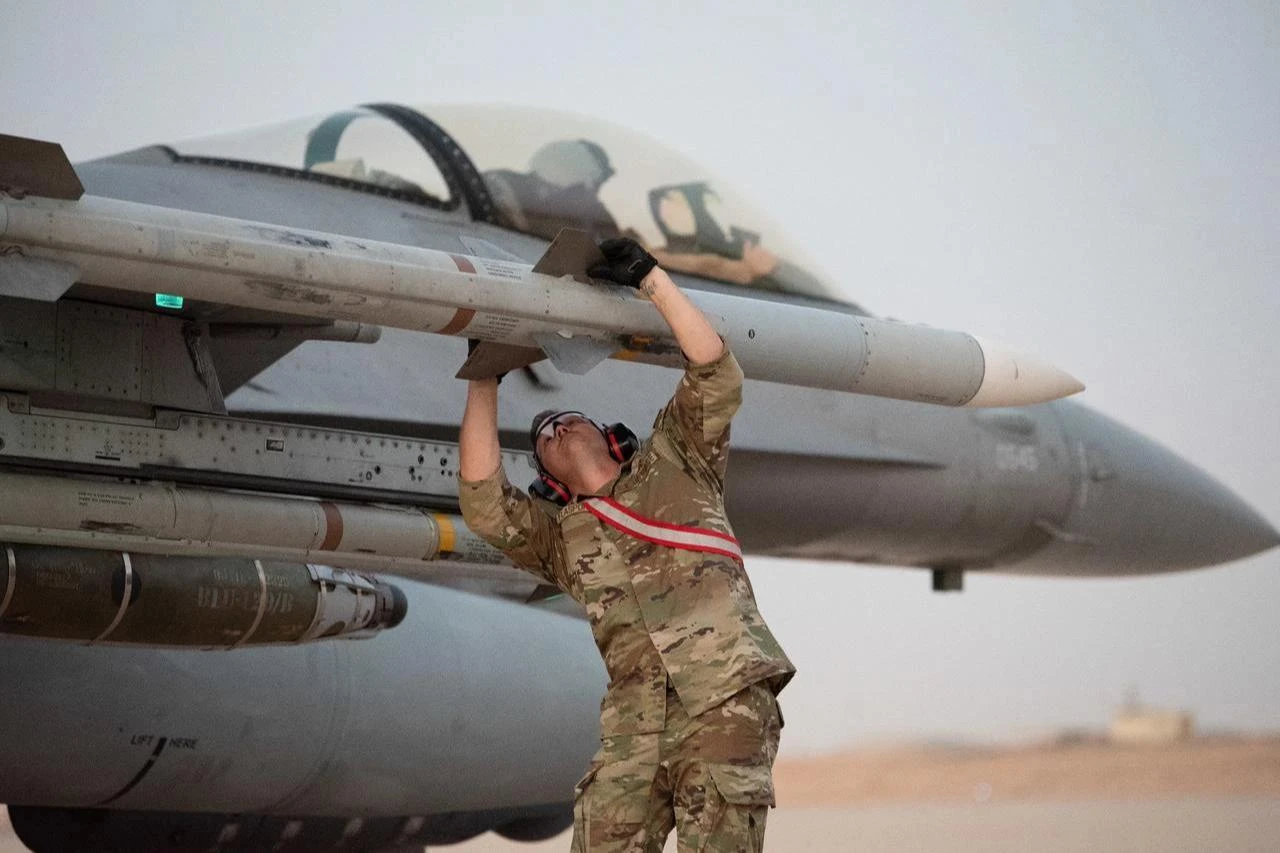
Four hundred miles northeast, in Baghdad, mourners carried coffins through the street for 20 Popular Mobilization Forces fighters killed in a joint U.S.-Saudi strike, and a PMF faction gave Prime Minister Ali al-Zaydi's government until Aug. 6 to prove it can defend Iraqi sovereignty, or else.
Both scenes are happening this week, and both involve the same government. A kingdom that spent three years engineering its own distance from regional war just dropped bombs inside a neighbor's territory, and the real deal isn't whether that was justified. It's how it happened at all.
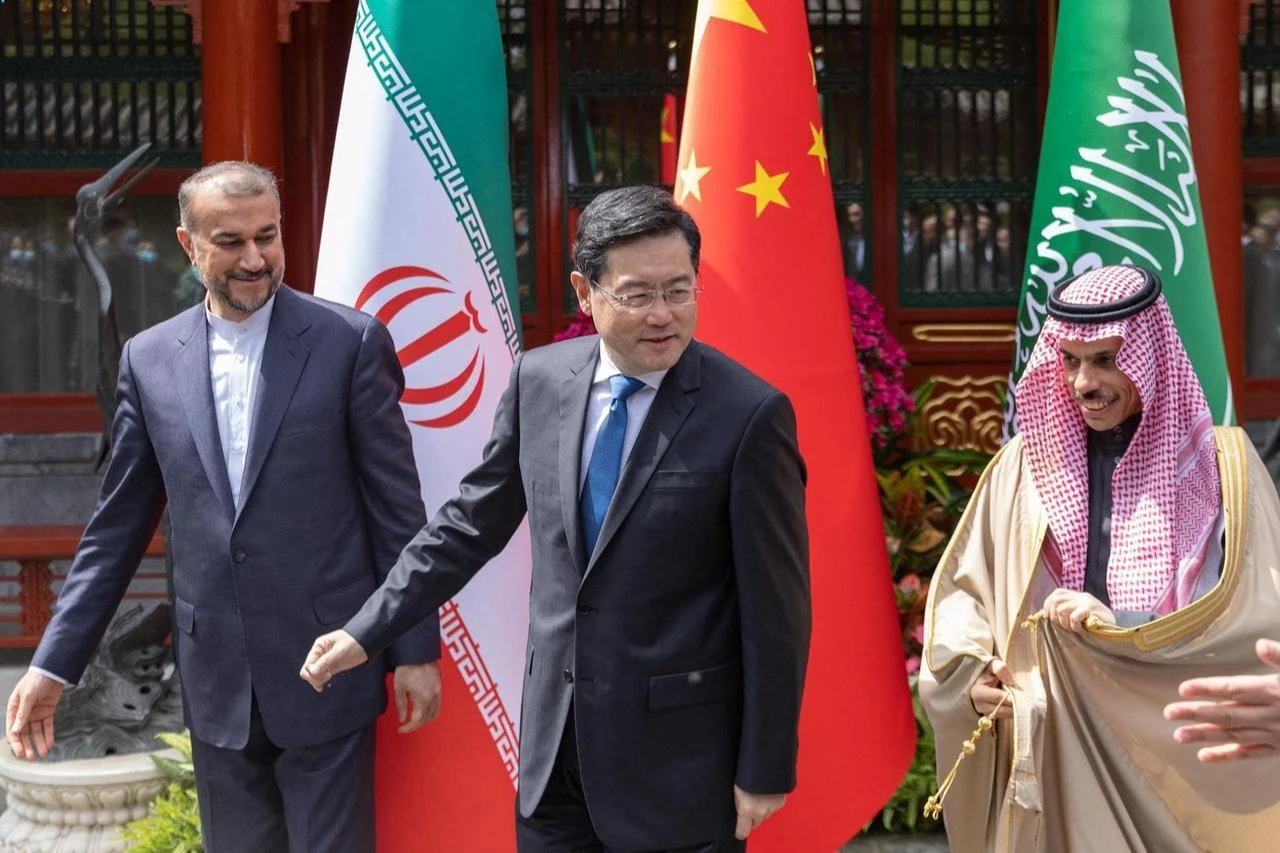

Saudi Arabia's post-2023 posture was built on a specific bet: that Chinese-brokered normalization with Tehran, formalized in Beijing that March, could function as a firewall even while the American security umbrella stayed overhead.
Meanwhile, keep Tehran calm through Beijing's good offices, and let both relationships run in parallel without either side forcing a decision. It could hold both so long as neither side forced the issue.
But the U.S.-Iran war forced the issue.
Once Washington and Israel began striking Iranian targets directly, the fiction of Saudi non-alignment became harder to sustain, not because Riyadh changed its position, but because Iran needed it to. Tehran cannot answer American airpower with American airpower.
What it can do is make the war expensive for everyone standing near it. That is the logic behind routing pressure through Iraqi militias and Yemen's Houthis toward Saudi oil infrastructure: not a bid to defeat the kingdom, but a bid to make Washington's allies calculate that this war costs more than it's worth.
Riyadh's response followed a clean, conventional logic. Strike the groups responsible, establish a red line, and force Baghdad to rein in its militias. Ahmed al-Mimouni, a retired Saudi major general now heading research at the Rashana International Institute of Iranian Studies, described the strikes as a message rather than an opening: "There has to be a price to be paid."
The problem is structural since the PMF functions as a legal umbrella that individual militias join for cover and funding, while some of those same factions answer directly to Tehran.
When Baghdad moves against them, they invoke their status as an "official body of the Iraqi security apparatus" that parliament itself approved.
You cannot deter an actor that is simultaneously inside the state budget and outside the state's command structure.
Riyadh struck at Iraq's sovereignty in the name of defending its own and hit a target that isn't actually accountable to the government it embarrassed.
That government is al-Zaydi's, and it was already close to ungovernable before the strikes. He arrived in office in May as a businessman with no prior post in government, promised Washington a full militia disarmament by September, and now faces an internal ultimatum demanding retaliation against the country that just bombed his own citizens.
Ahmed Rushi, head of the House of Iraqi Expertise Foundation in Baghdad, was blunt about the arithmetic on air: "I don't think Zaidi will stay as prime minister until September." Iraq hasn't paid July's public-sector salaries yet.
The IMF rates its economic contraction worse than Iran's. A prime minister without political experience, without cash, and without control over the armed groups operating under his own flag is being asked to referee a war he didn't start.
What the Saudi strikes actually did was remove the one buffer that made the Iran-Saudi rivalry survivable: a nominally sovereign Iraqi state absorbing the friction between them. Strike inside Iraq, and there's no longer a third party to blame for the militias' behavior. There's only Riyadh, Tehran, and the rubble between them.
All of this sits inside a narrower deadline: the 60-day memorandum of understanding meant to open a negotiating track between Washington and Tehran, with roughly two weeks left on it.
The two sides aren't negotiating from the same premise.
The Trump administration has spent months treating Iran's battlefield losses as grounds for something close to capitulation. Tehran, having absorbed the damage and kept the Strait of Hormuz functionally under contest, believes it has demonstrated the opposite: that it can outlast the pressure and extract terms rather than accept them.
That gap is why the militia attacks matter beyond Iraq. Tehran cannot win a vertical escalation against American and Israeli airpower, so it is running a horizontal one, pushing pressure sideways into Iraq, the Red Sea, and now directly at Saudi energy infrastructure, to make the point that no actor in the region gets to sit out this war comfortably.
Riyadh's strikes, framed at home as an act of self-defense, read in Tehran as confirmation that the strategy is working: Saudi Arabia is now expending its own military capital enforcing an American war's side effects, with no diplomatic exit built into the arrangement it's enforcing.
That is Riyadh's actual exposure. Not a decision to join Washington's war, which the kingdom has avoided making, but a slower drift into becoming the enforcement arm for a conflict whose diplomatic resolution nobody in Washington or Tehran has agreed on yet.
Saudi Arabia struck Iraq to stay out of a war, not to enter one. But tactical strikes don't produce strategic immunity, and the deterrence Riyadh reached for isn't available against an adversary with no unified chain of command.
In trying to force Baghdad to answer for territory it doesn't fully control, Riyadh has instead dismantled the buffer that let it avoid answering for the war next door. The kingdom spent three years building distance from exactly this position. It may have just spent a week closing it.


 Set as preferred source
 Set as preferred source


 1 min read
 1 min read