Newsletters


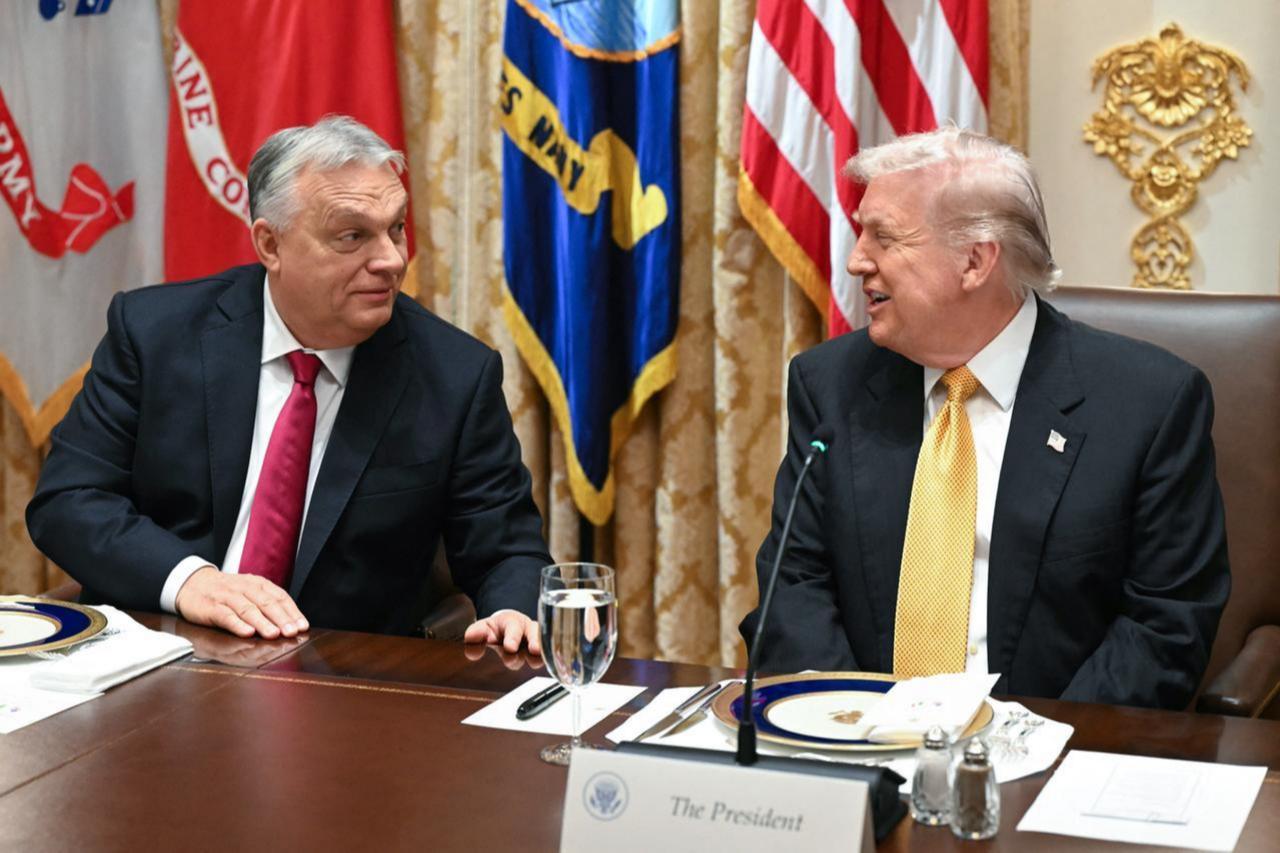


As the world held its breath on April 7th, awaiting the expiration of the deadline set by U.S. President Donald Trump—who had threatened to “wipe Iran off the map” and return it to the Stone Age if no agreement was reached—his Vice President, JD Vance, was in Hungary on a high-profile visit.
The timing was no coincidence. Vance’s trip came amid intense preparations for Hungary’s parliamentary elections, in which the United States had openly backed the right-wing Prime Minister Viktor Orban.
Trump had already demonstrated his support by sending Secretary of State Marco Rubio to Budapest and releasing a personal video message praising Orban as “a strong leader who has shown the world what is possible when you defend your borders, your culture, your heritage, your sovereignty and your values.”
Vance, long known for his criticism of liberal European governments for allowing mass immigration and multiculturalism to erode national identity, has consistently been one of Orban’s most vocal admirers in Washington.
Orban, who has governed Hungary for 16 years and was seeking a fifth consecutive term, maintained warm relations not only with Trump but also with Russian President Vladimir Putin.
The Kremlin saw him as a crucial ally capable of weakening European unity and undermining the united Western front against Russia since the outbreak of the war in Ukraine.
This network of alliances with right-wing leaders and regimes, viewed skeptically by Brussels, prompted many European officials to quietly hope for Orban’s defeat. In their view, he had become a major obstacle to European integration and coordinated policymaking.
While Orban never sought to take Hungary out of the European Union, he repeatedly showed contempt for its institutions and openly defied its policies—especially on migration and asylum.
Because of their strategic importance to Russia, Europe, and the United States, the Hungarian elections were marred by mutual accusations of foreign interference.
Orban was accused of receiving Russian support and allowing Moscow to manipulate public opinion through intensive online campaigns. His supporters, in turn, accused European governments of running disinformation operations to damage his image.
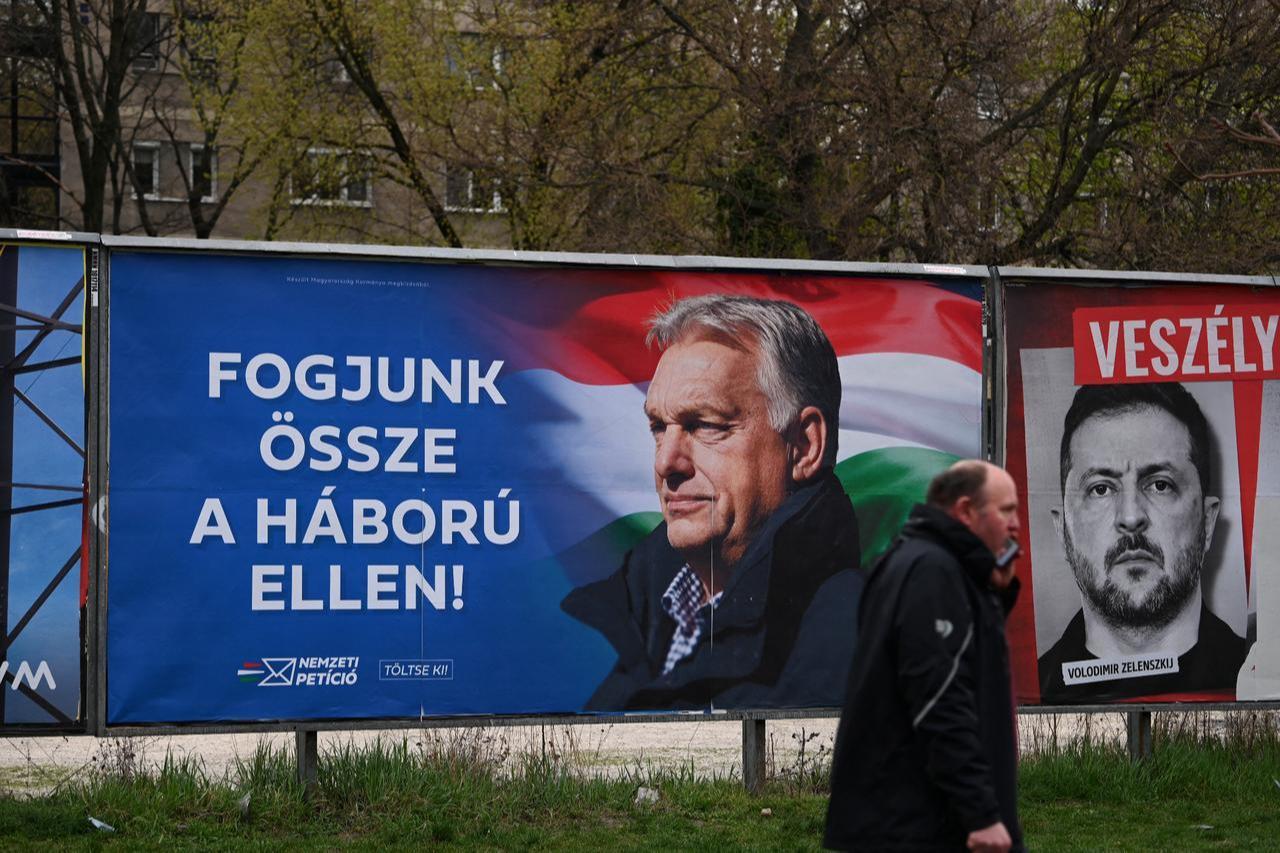

For the American MAGA movement, Orban had become a powerful symbol of conservative success—a leader who successfully combined nationalism, Christian values and traditional family principles in an environment hostile to all three.
Right-wing commentators often argued that if Orban could triumph over liberal-left dominance in Europe and revive national and cultural narratives, then American nationalists could defeat the Democrats, whom many Trump supporters regard as active contributors to national decline.
The American right admired Orban for another key reason: his mastery of what academic Lucan Way calls “competitive authoritarianism”—a system that maintains the appearance of democracy while ensuring the perpetual victory of the ruling party.
Orban had achieved what many right-wing movements only dream of: long-term dominance through control of the media, the judiciary, the public sphere, and the electoral system itself.
During his first year in office, Trump attempted to emulate this model by trying to reshape election laws, impose a nationalist narrative, and bring independent institutions under greater control. However, the vast differences between the two countries made this far more difficult.
Imposing a vision of America as a white Christian ethno-state proved challenging, and penetrating the deeply rooted independence of the judiciary and media was even harder.
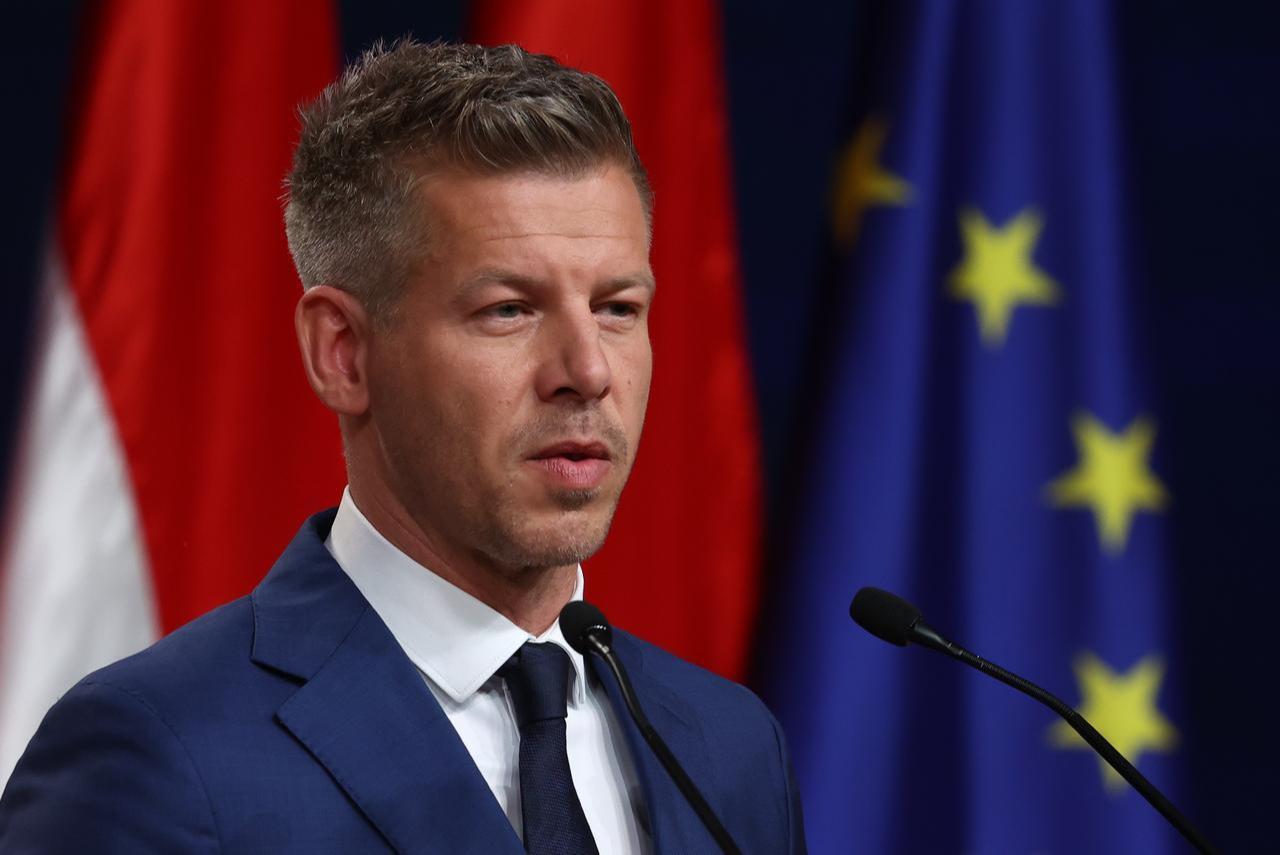
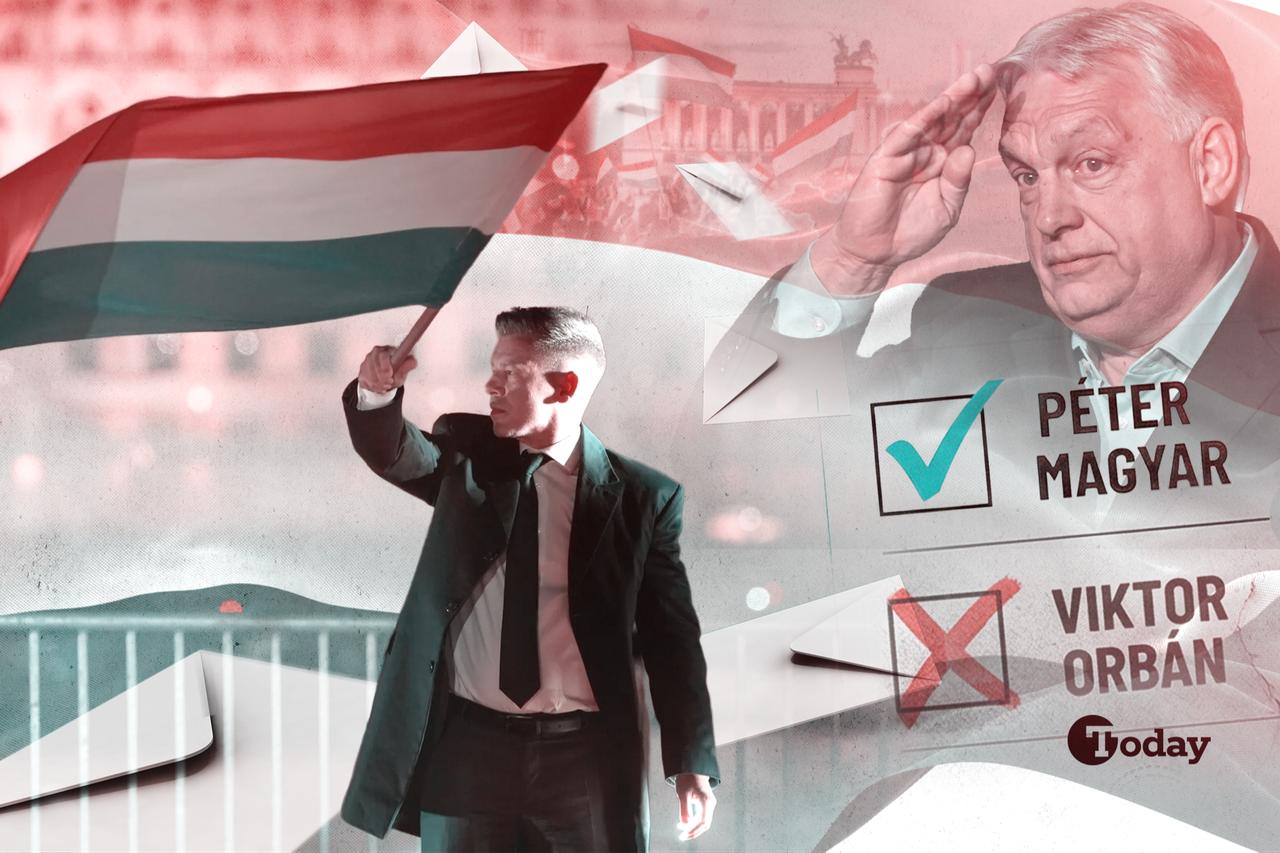
The results of Hungary’s parliamentary elections, announced on the evening of Sunday, April 12, delivered a clear defeat for Viktor Orban and a victory for his main rival, Peter Magyar, leader of the opposition TISZA party.
The outcome was significant not only for Hungary but also for President Trump, who had counted Orban among his closest European allies.
In these elections, the machinery of “competitive authoritarianism” finally reached its limits. Despite its many structural advantages, the system could no longer guarantee victory for the veteran leader.
Peter Magyar, who broke away from Orban’s party in 2024, citing rampant corruption, proved to be a charismatic and formidable challenger.
European media had increasingly predicted in the preceding weeks that he had the best chance of winning.
Magyar’s campaign offered hope to those exhausted by Orban’s long rule. By focusing on practical issues—health care, public services, and the fight against corruption—rather than heavy ideological rhetoric, he managed to unite a broad coalition that included voters from both right and left.
 1 min read
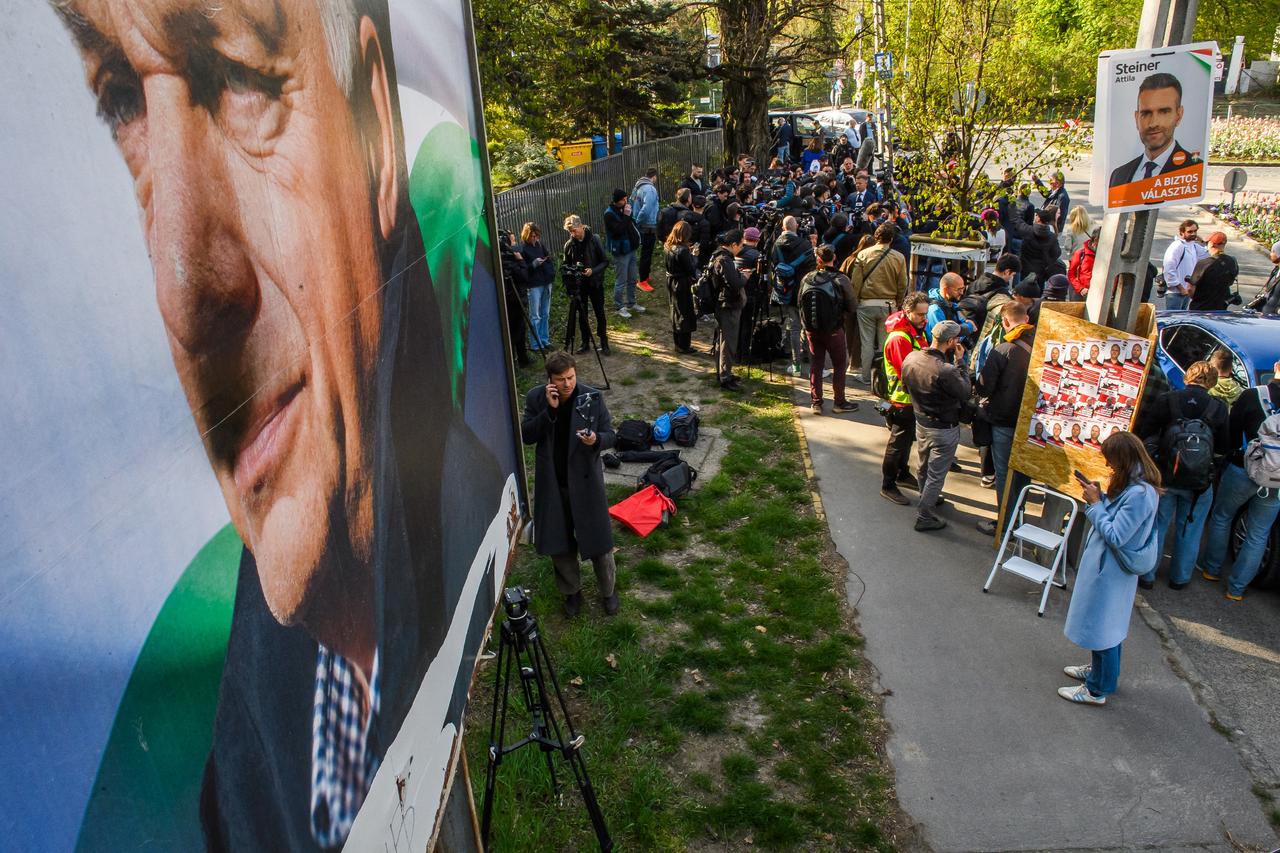
Under Orban, Hungary had become a major bone of contention between the Trump administration and European leaders, who had frozen EU funds to Budapest over allegations of misuse and systemic corruption.
While Trump continued to hail Orban as a strong leader, European officials and media portrayed his regime as a textbook case of authoritarian cronyism that had institutionalized corruption and damaged the country’s economy.
Hungary’s economic performance had fallen far behind its neighbors, turning a once-favored recipient of cheap Russian energy and Chinese investment into a stagnant economy increasingly dependent on external support.
For Western liberals, Orban’s fall represents the failure of the nationalist-right model when it becomes entangled with authoritarian practices and corruption.
For Donald Trump, the defeat delivered a harsh lesson: his personal endorsements and wishes do not always determine political outcomes.
This was already evident in the Iran file, where events unfolded contrary to his expectations and entangled the United States in unnecessary complications.
The era of Viktor Orban, one of the longest-serving leaders in modern Europe, has come to an end—and with it, a symbolic blow to the global populist right.


 Set as preferred source
 Set as preferred source


 1 min read