Newsletters




This article was originally written for Türkiye Today’s weekly newsletter, Saturday's Wrap-up, in its April 25, 2026, issue. Please make sure you subscribe to the newsletter by clicking here.
"It is clear that Türkiye can’t make it into the European Union; this is exactly what the EU says. The reason is that the EU is a Christian union."
When Abdullah Gul uttered those words in 1995, he was a junior MP under the wing of the conservative Necmettin Erbakan. Over the following decades, Gul’s trajectory shifted—he became prime minister in 2002, foreign minister in 2003, and president in 2007—and his public stance on Türkiye’s EU prospects evolved toward optimism.
Yet, while the man changed, the reality of Türkiye-EU relations remained stagnant. Many Turks quite naively feared that being an EU member would lead to a ban on kokorec, a beloved street food made of sheep's intestines, while, on the other side, EU fears overshadowed them.
The prevailing European anxiety was of a Turkish invasion of Europe, a bitter irony considering it was the same Turks who had helped rebuild Germany after World War II.
Eventually, Türkiye accepted that the EU was a distant dream over the decades, even as Brussels continued to operate under the assumption that Ankara still desperately craved a seat at the table. Much like the United Kingdom, Türkiye began to chase its own strategic autonomy, losing interest in Europe's slow and cumbersome decision-making mechanisms. The EU decision-making process is not designed for uncertain times where everyone fears a World War III.
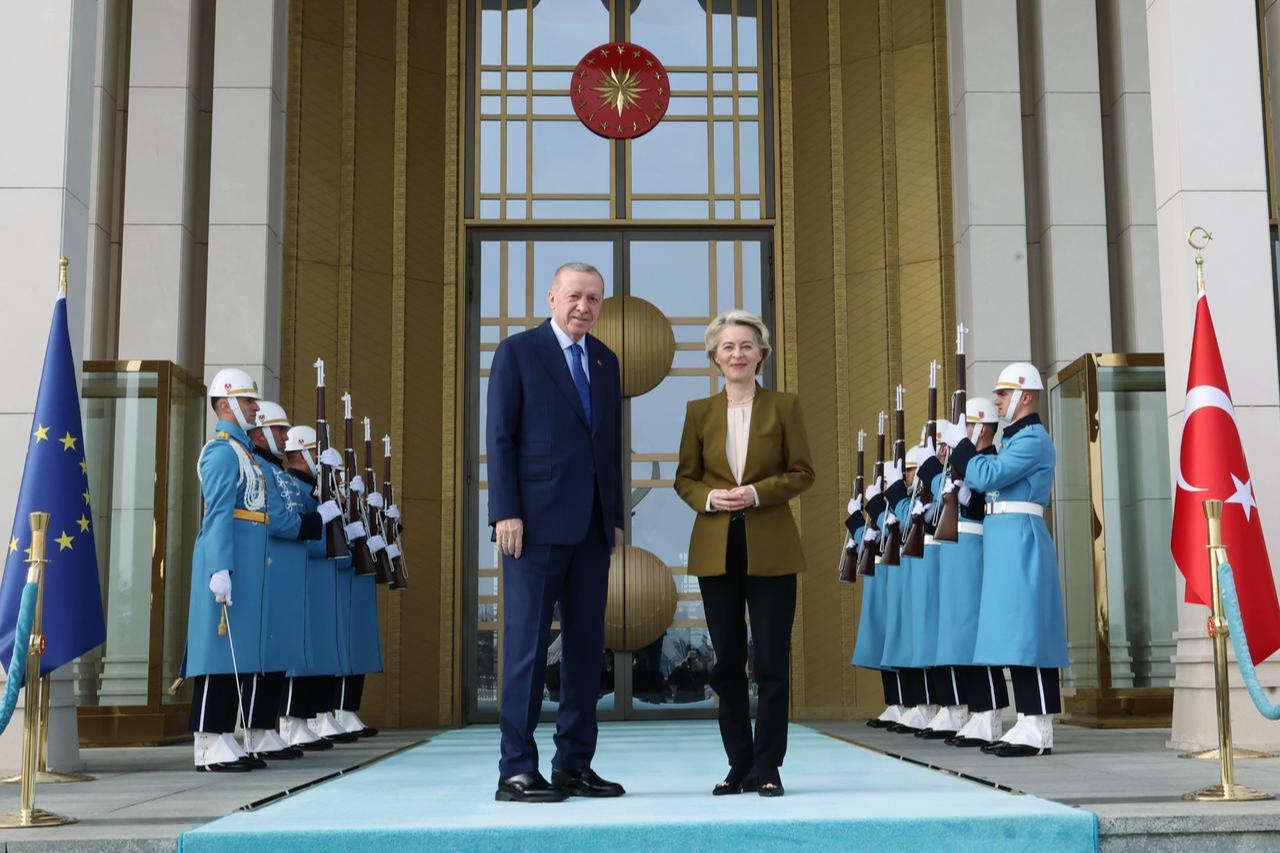

Back in 1995, Türkiye’s political landscape was surprisingly less polarized and more hopeful; secularists believed the path to Brussels was paved with reform and that religious identity was irrelevant. Fast forward to today, and that optimism has evaporated.
A unique brand of Turkish Euro-skepticism has taken root within the government, fueled by the perception that while "corrupt Christian nations" were integrated into the union year after year, Türkiye was pushed away for being a "corrupt Muslim nation."
The dream didn't die suddenly; it faded through decades of perceived double standards. In the meantime, Türkiye faced Gezi protests, a coup attempt, and many social and political crises.
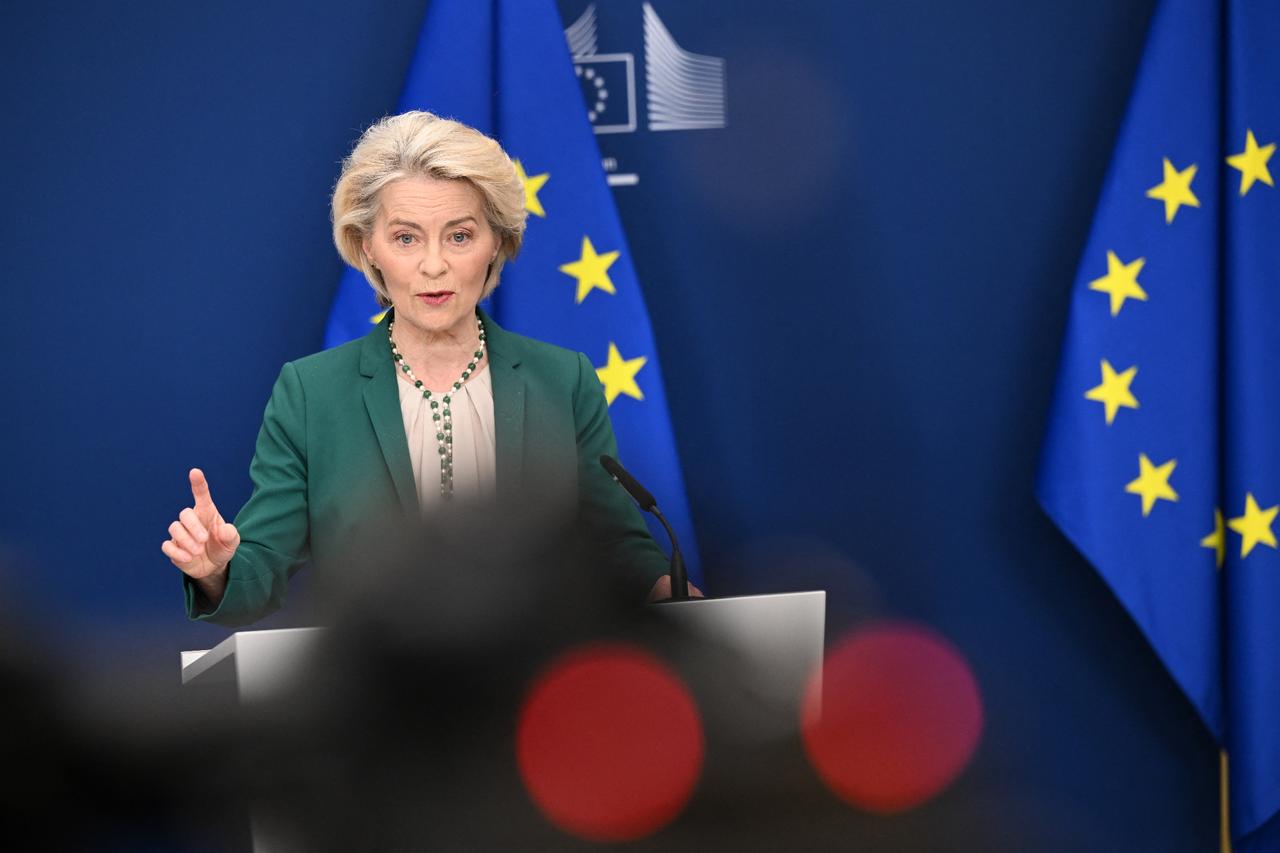
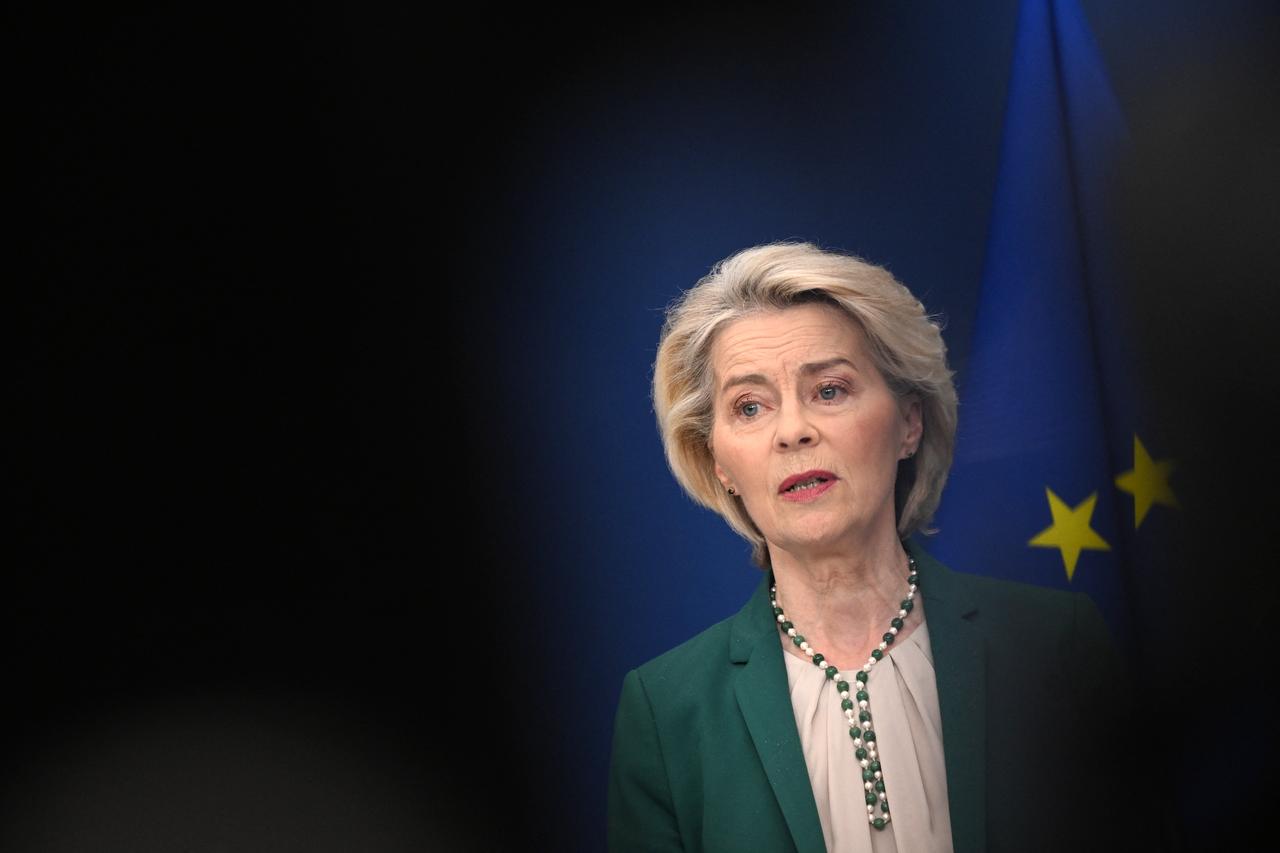
This history makes European Commission President Ursula von der Leyen’s recent comments particularly jarring. On April 19, she told the German daily Die Zeit: "We must succeed in completing the European continent so that it does not fall under Russian, Turkish, or Chinese influence. We must think bigger and more geopolitically."
The statement suggests a confusion about the current era and a potential lapse in diplomatic competence. If we take her Freudian slip seriously, by grouping Türkiye—a NATO ally and a candidate for accession—with global adversaries like Russia and China, von der Leyen effectively said the quiet part out loud: the EU views Türkiye as an "other" to be contained rather than a partner to be integrated.
Interestingly, the Turkish Foreign Ministry has not issued a formal public response.
This silence may be a sign of indifference rather than oversight.
 2 min read
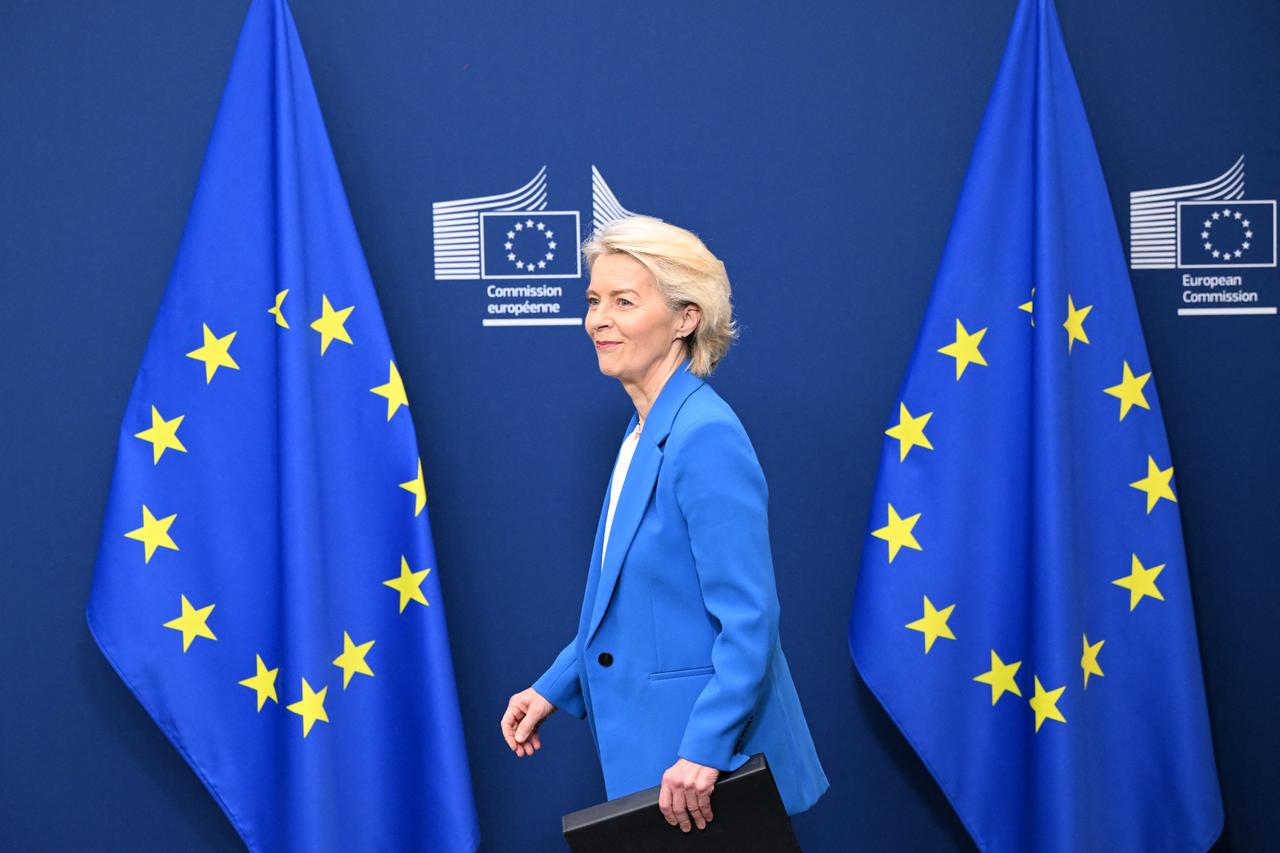
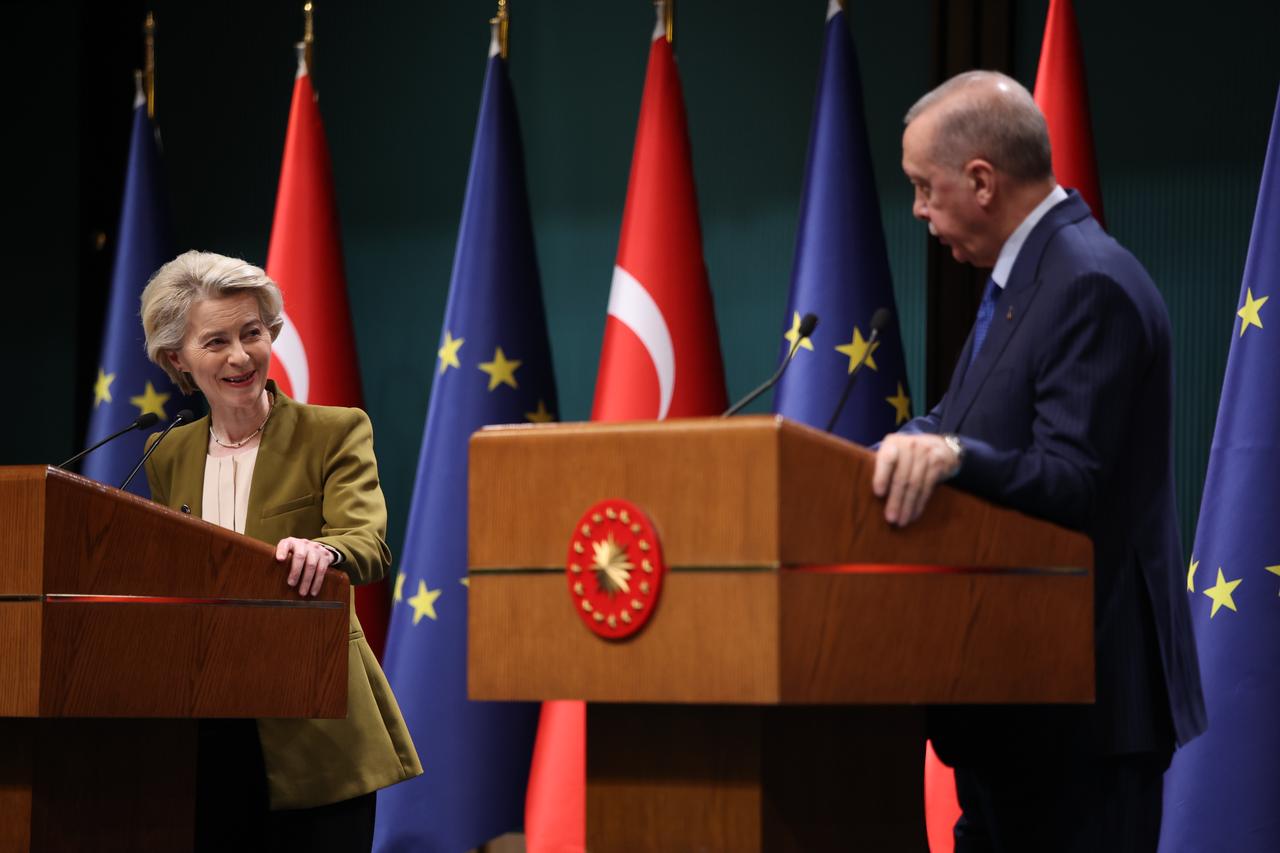
Today’s Türkiye is no longer ambitious about the emotional or ideological quality of its relationship with Europe; the bond has become purely transactional, centered on trade and security rather than shared policy paths. In addition, it would have been a peculiar statement to say, “Türkiye does not want to be grouped with China and Russia,” given that Türkiye maintains healthy relations with both. An interesting coincidence is that the government’s ally, Nationalist Movement Party (MHP), recently urged the Turkish government toward a Türkiye-Russia-China alliance.
However, the internal backlash within the EU was swift. European Commissioner for Neighbourhood and Enlargement Marta Kos was quick to emphasize Türkiye’s vital role, noting that the country is the EU’s fifth-largest trading partner with a volume twice that of Mercosur or India.
The criticism didn't stop there. Nacho Sanchez Amor, the European Parliament's rapporteur for Türkiye, labeled von der Leyen’s grouping "geopolitically flawed." Meanwhile, Charles Michel, the former European Council president and von der Leyen’s political rival, offered a sharp correction. He reminded the Commission that Türkiye remains "a core NATO ally, a key migration partner, an energy corridor, and a major defense actor on Europe’s flank."
Von der Leyen’s rhetoric revealed a deep-seated identity crisis within the EU leadership.
While the technocrats and security hawks recognize Türkiye as a vital organ of European stability, the political leadership occasionally reverts to a "civilizational" view of the continent.


 Set as preferred source
 Set as preferred source


 1 min read