Newsletters




Environmental degradation is increasingly reshaping the global security landscape. From the Middle East to Central Asia, climate change, water stress, and ecosystem decline are becoming strategic challenges with profound political and economic consequences.
South Asia is no exception. Yet the greatest threat facing the Indus Basin today is not simply declining water availability. It is the growing uncertainty surrounding the institutions responsible for managing that scarcity.
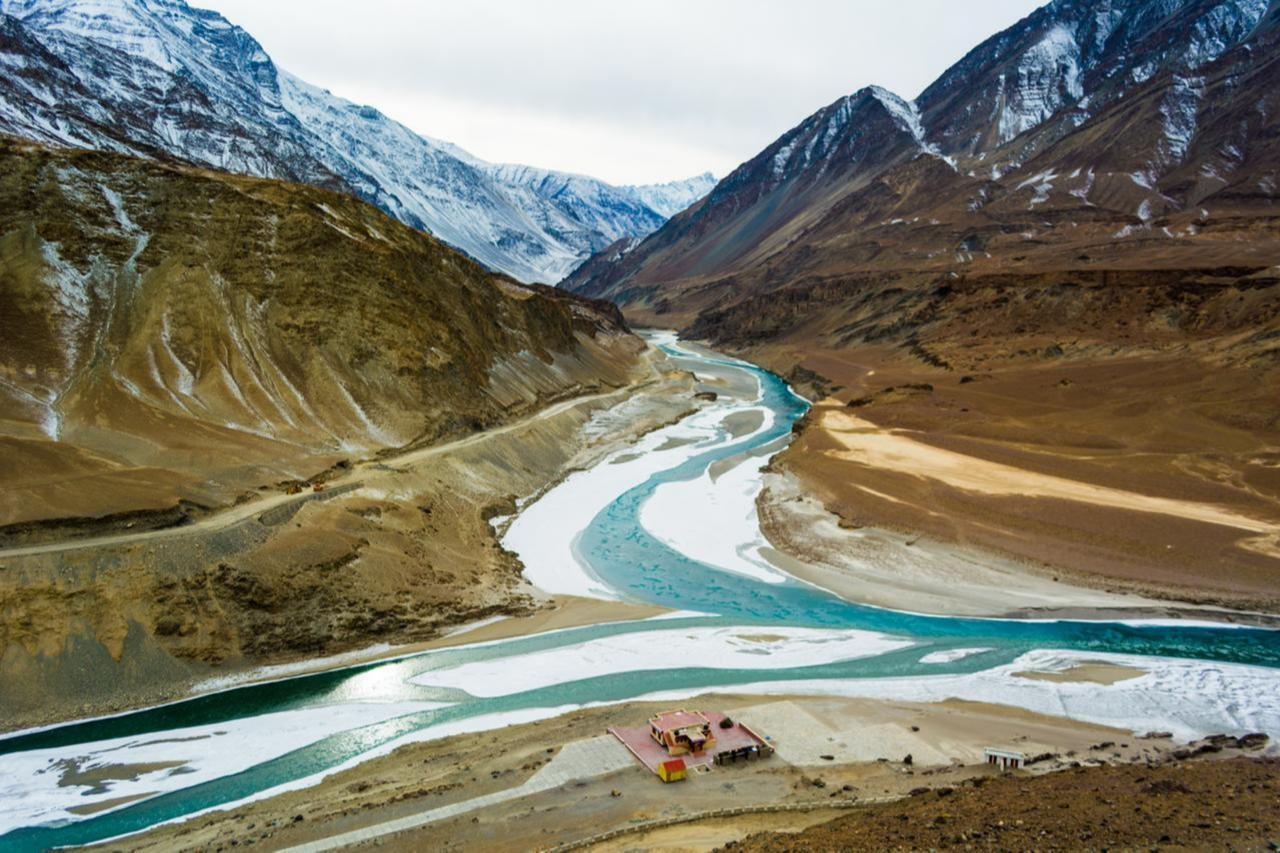
The Indus River system supports roughly 300 million people across India and Pakistan and sustains one of the world's largest irrigation networks. For Pakistan, the stakes are particularly high.
The Indus Basin provides approximately 80% of the country's freshwater resources and supports more than 90% of its irrigated agriculture.
Agriculture contributes roughly one-fifth of Pakistan's gross domestic product (GDP) and remains a major source of employment and rural livelihoods. Any disruption to the basin's stability, therefore, carries implications that extend far beyond water management.
At the same time, the basin is already under pressure from accelerating glacier retreat, erratic rainfall patterns, groundwater depletion, land degradation, biodiversity loss, and increasingly frequent extreme weather events.
Scientific studies warn that climate change is altering the hydrological foundations upon which regional economies and ecosystems depend.
Against this backdrop, India's decision to place the Indus Waters Treaty (IWT) in abeyance has introduced a new layer of uncertainty into one of the world's most important transboundary river systems.
The resulting challenge extends beyond questions of water allocation. It raises broader concerns about food security, environmental sustainability, public health, economic resilience, and regional stability in a region that remains home to two nuclear-armed states.

For more than six decades, the Indus Waters Treaty has stood as one of the world's most successful examples of transboundary water diplomacy. Signed in 1960 with World Bank mediation, the agreement survived wars, military crises, and prolonged periods of hostility between India and Pakistan.
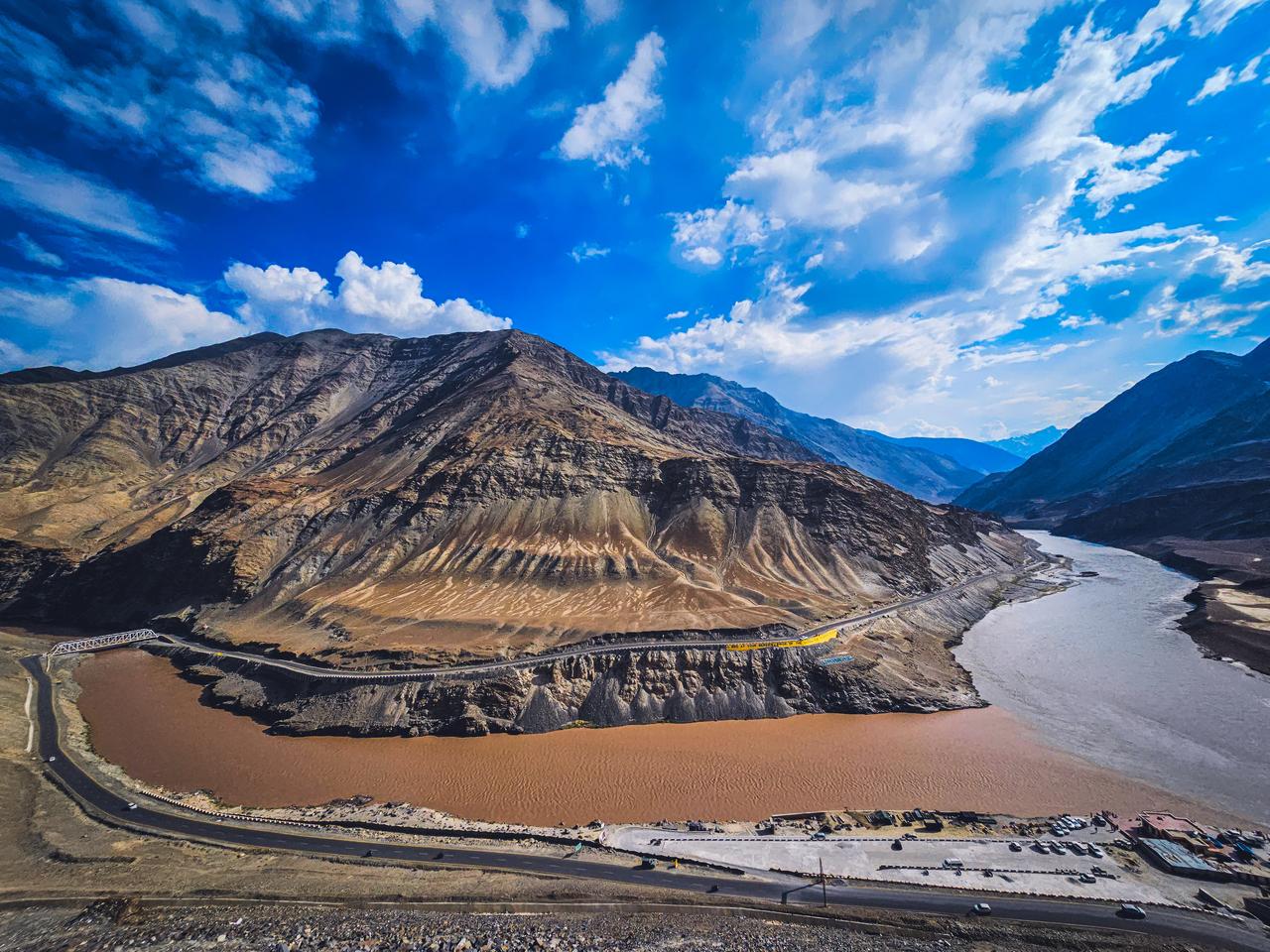
Under the treaty, the eastern rivers-Ravi, Beas, and Sutlej were allocated to India, while the western rivers—Indus, Jhelum, and Chenab—were reserved primarily for Pakistan, subject to limited Indian uses.
The agreement established a predictable framework for managing shared water resources and created institutional mechanisms for communication, technical cooperation, and dispute resolution.
Its significance extended far beyond river management. The treaty demonstrated that even amid geopolitical rivalry, cooperation over essential resources remained possible.
The environmental conditions under which the treaty was negotiated no longer exist.
Across the Himalayan and Karakoram regions, glaciers are retreating at varying rates, while rising temperatures and changing precipitation patterns are increasing hydrological uncertainty.
Scientists project that climate change will continue to alter river flows throughout the century, increasing the likelihood of both severe floods and prolonged droughts.
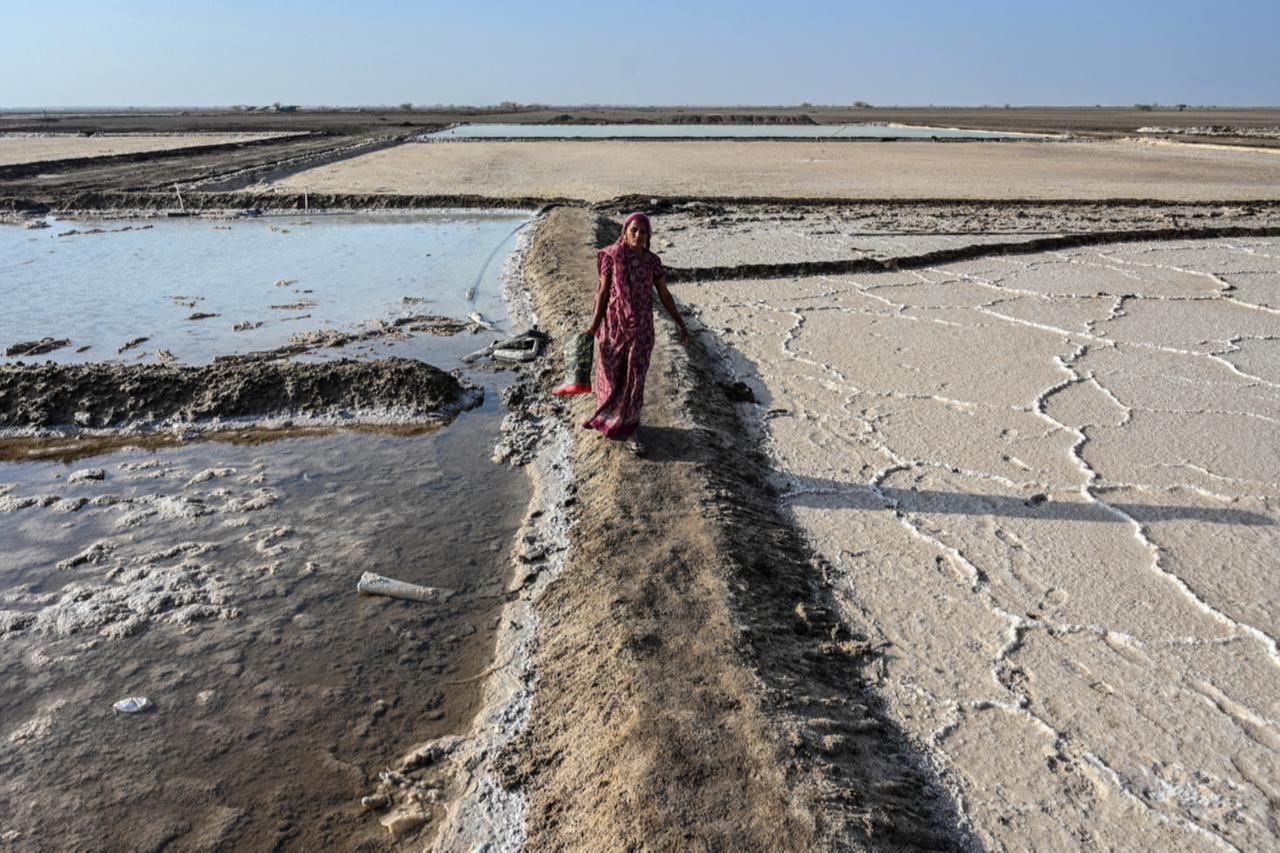
The basin is simultaneously confronting groundwater depletion, ecosystem degradation, desertification, and biodiversity loss.
Wetlands and riverine ecosystems that depend upon stable water regimes are becoming increasingly vulnerable to environmental disruption.
Initially, glacier melt may increase river flows in some areas. Over the longer term, however, shrinking ice reserves threaten the reliability of water supplies that sustain agriculture, hydropower generation, and freshwater ecosystems across the basin.
For Pakistan, where more than 90% of irrigated agriculture depends upon the Indus system, these developments represent a direct challenge to food security and economic stability. Climate change is therefore not merely an environmental issue. It is becoming a central question of national resilience.
Climate change alone presents a formidable challenge. Combined with uncertainty surrounding the future of the treaty, the risks become considerably more serious.
The real danger is not simply that the basin may face water stress. Water-stressed regions exist throughout the world. The greater risk emerges when institutions designed to manage scarcity begin to weaken.
In transboundary river systems, predictability is often as important as water volume. Farmers make planting decisions based on expected flows. Governments rely on hydrological information to prepare for droughts and floods. Energy planners require confidence in future water availability for hydropower generation.
When institutional certainty declines, environmental and economic vulnerabilities increase. Concerns regarding future water availability can encourage greater reliance on groundwater extraction, accelerating aquifer depletion and increasing long-term environmental stress.
Reduced confidence in river governance can also discourage investments in climate adaptation, irrigation modernization, and sustainable water-management practices.
For Pakistan, uncertainty surrounding future river management may complicate agricultural planning, increase pressure on already stressed groundwater reserves, and heighten concerns regarding food security.
Freshwater scarcity could also place additional strain on drinking-water systems, sanitation infrastructure, and public health services.
The Indus Waters Treaty functioned not only as a water-sharing arrangement but also as a confidence-building mechanism between two nuclear-armed states.
Its survival through the wars of 1965 and 1971, the Kargil conflict, and numerous military crises demonstrated the value of preserving institutional cooperation even when broader political relations deteriorated.
Today, climate stress, population growth, urbanization, and environmental degradation are placing unprecedented demands on water resources throughout South Asia.
Under such conditions, effective governance mechanisms become increasingly important for managing competition and preventing disputes from escalating.
History suggests that water scarcity alone rarely causes conflict. However, resource insecurity can magnify existing political grievances, intensify economic pressures, and contribute to broader instability. In politically sensitive regions, these dynamics can increase tensions both between states and within societies.
The weakening of one of the few remaining institutional links between India and Pakistan therefore, carries significance far beyond water management itself.
Preserving the treaty's long-term relevance requires adaptation rather than abandonment.
Future water-governance arrangements should incorporate climate-resilience measures capable of responding to increasingly variable river flows.
Enhanced flood forecasting, drought-management protocols, ecological monitoring, and transparent data-sharing mechanisms would strengthen the basin's ability to cope with environmental change.
The treaty's institutional architecture also requires modernization. Greater scientific cooperation, more frequent technical consultations, and improved transparency could reduce mistrust and improve decision-making.
There is also a growing need to connect water governance with broader sustainable-development objectives. Cooperation on irrigation efficiency, climate-resilient agriculture, ecosystem restoration, and renewable energy development could help transform the basin from a source of strategic anxiety into a platform for practical collaboration.
The future of the Indus Waters Treaty will reveal whether South Asia's two nuclear powers can adapt a successful 20th-century diplomatic framework to 21st-century environmental realities.
If climate pressures continue to intensify while cooperative water governance erodes, the consequences will extend beyond bilateral relations. Food security, energy production, environmental sustainability, public health, and regional stability could all come under greater strain.
More than 60 years after its signing, the treaty remains one of the few enduring examples of successful India-Pakistan cooperation.
In an era defined by climate uncertainty and growing resource competition, preserving effective institutions for managing shared rivers is not simply an environmental objective.
It is a prerequisite for long-term regional stability.


 Set as preferred source
 Set as preferred source


 1 min read
 1 min read