Newsletters




This article was originally written for Türkiye Today’s bi-weekly Balkans newsletter, BalkanLine, in its Jan. 30, 2026 issue. Please make sure you are subscribed to the newsletter by clicking here.
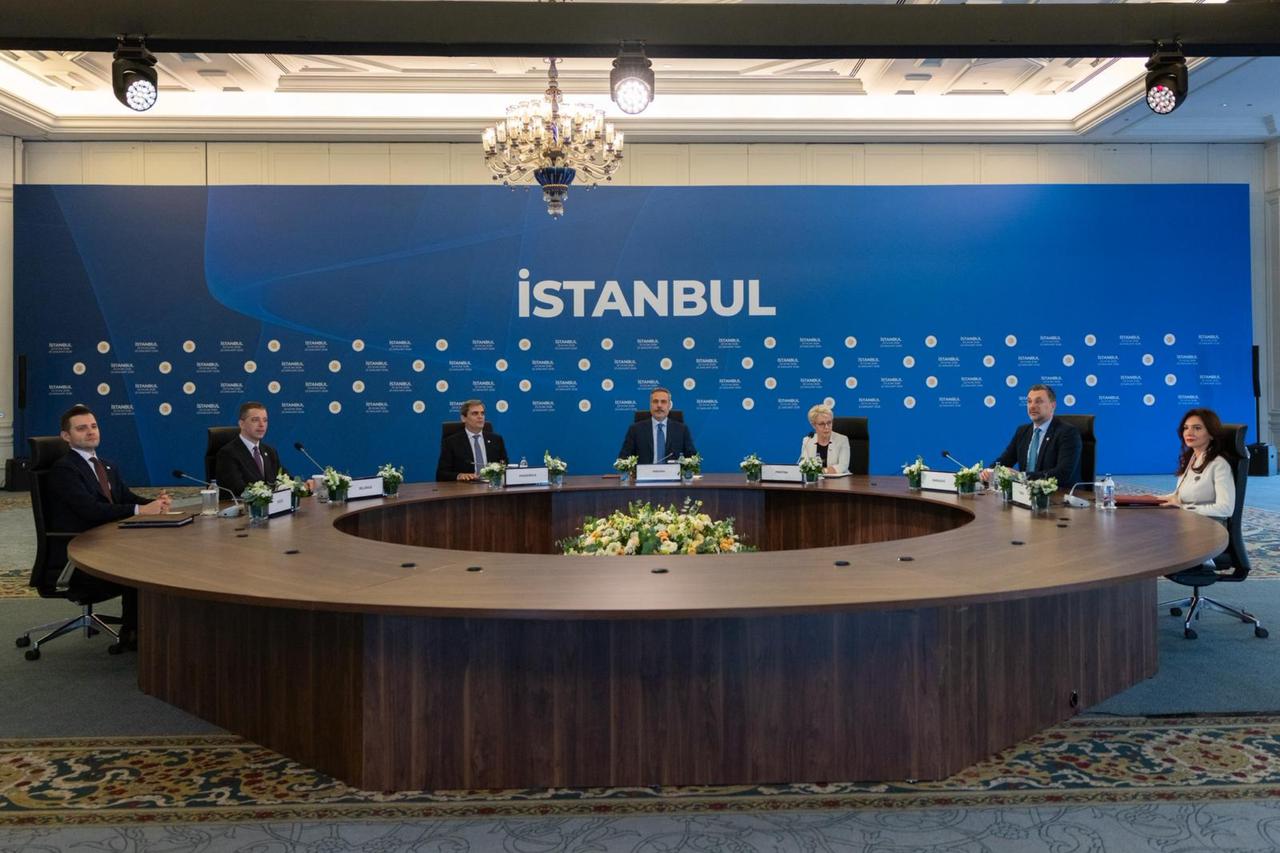
It’s rare to see Albania, Serbia, Kosovo, and Bosnia in the same room without a European mediator hovering nearby. But on Jan. 23, Türkiye pulled it off once again. While the rest of the world looked elsewhere, Turkish Foreign Minister Hakan Fidan was busy playing host to a high-stakes family reunion. The second Balkan Peace Platform wasn’t just a meeting; it was a statement. President Erdogan’s message was unmistakable: regional ownership.
Türkiye is positioning itself as a stabilizer, a forum where Albania, Serbia, Kosovo and Bosnia can sit down to discuss connectivity and energy without waiting for a chaperone from the European Union. It was a projection of Ankara’s smart power, emphasizing that Balkan problems should be solved within the Balkans.
For more on this dynamic, I recommend Türkiye Today contributor Nafisa Latic’s piece on how Ankara is becoming the Western Balkans’ “most useful partner.” It is well worth a read.
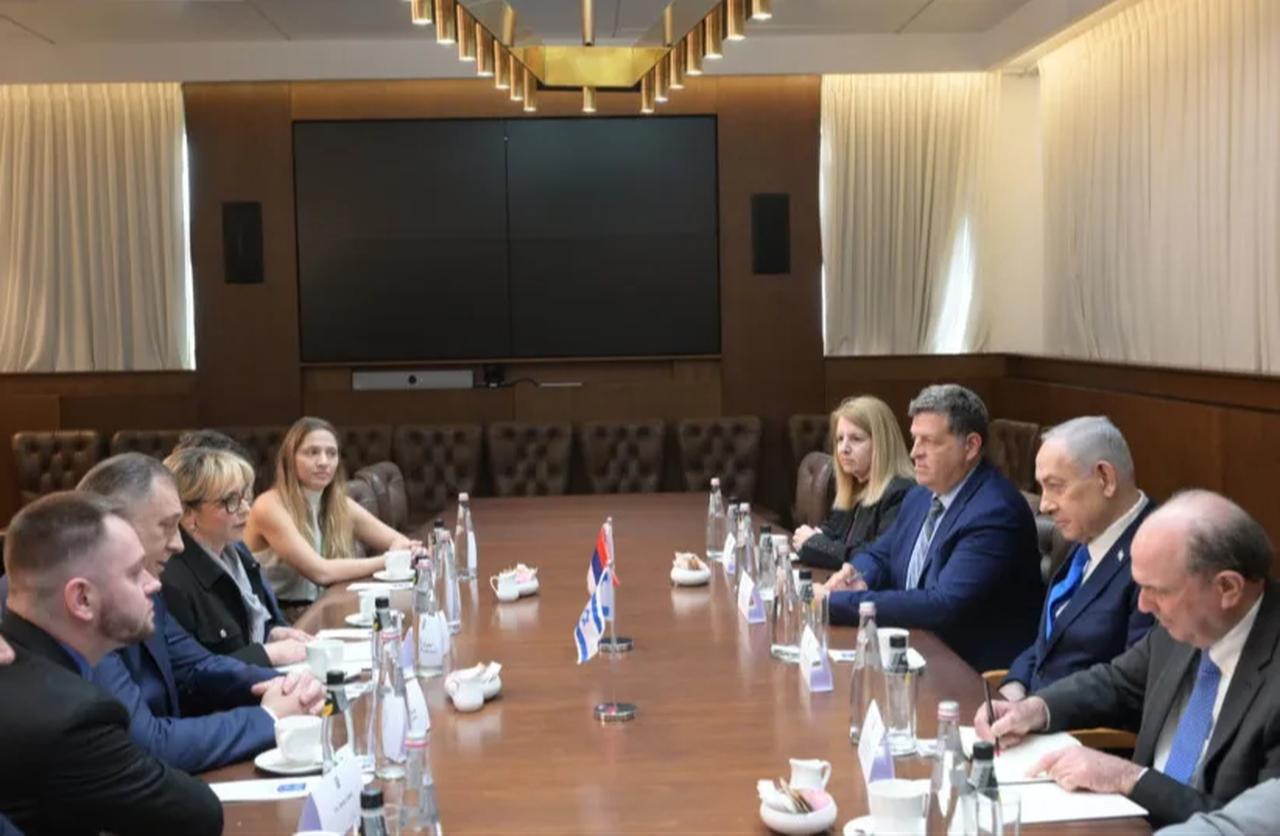

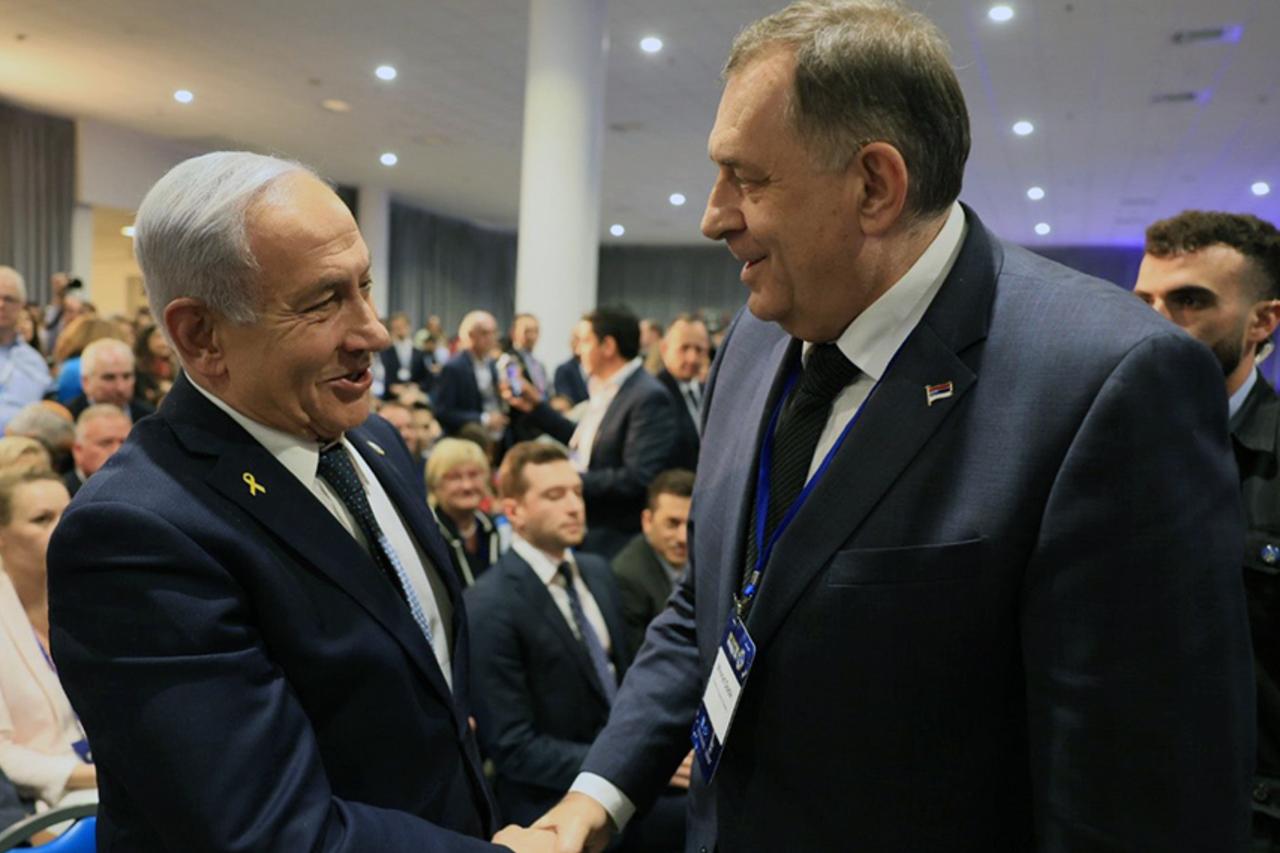
Just a few days later, however, the region witnessed a very different spectacle. Milorad Dodik, the ousted Bosnian Serb leader, appeared in Jerusalem to meet Israeli Prime Minister Benjamin Netanyahu. This was not a routine visit but a calculated maneuver to regain relevance. By positioning himself as Israel’s “partner against radical Islam,” Dodik is seeking a new source of external legitimacy to bypass his political isolation.
What deserves particular attention, however, is Israel’s role in the Balkans and what this episode reveals. By hosting Dodik alongside the Serb entity’s acting president, Ana Trisic-Babic, in a meeting where Bosnia’s state flag was notably absent, Netanyahu was not merely engaging a controversial figure. He was enabling a separatist narrative and, in effect, undermining Bosnia’s sovereignty.
Meanwhile, developments in Bulgaria have added another layer of complexity. In our previous edition, we discussed recent political shifts in Sofia. Since then, the situation has become even more consequential. President Rumen Radev has officially resigned, a historic move that marks the first time a Bulgarian head of state has stepped down since the end of communism.
This is not a retirement; it appears to be a tactical entry into the parliamentary arena. Radev has stepped down specifically to lead a new political movement in the upcoming snap elections, likely to be held in late March or April (though no date is set).
This fundamentally changes the math in Sofia. Radev remains a heavyweight figure, and his potential direct entry into the legislative race suggests he intends to break the political deadlock personally. We will see if his gamble pays off.
Finally, the long-awaited decoupling of Serbia’s energy sector from Moscow has begun. Following the expiration of U.S. sanctions waivers, a deal has been struck for Hungary’s MOL Group to acquire the Russian majority stake in NIS, Serbia’s oil giant. MOL agreed to pay up to $1.19 billion to buy the stake from Russian owners, Serbian President Vucic said this week.
Notably, the deal also brings in the UAE’s ADNOC as a minority partner. This is a textbook geopolitical swap. Belgrade is trading its dependence on Russia for strategic reliance on Hungary and the Gulf. The move shields NIS from U.S. sanctions, but it also pulls Serbia more tightly into the orbit of Hungarian Prime Minister Viktor Orban.


 Set as preferred source
 Set as preferred source


 1 min read
 1 min read