Newsletters


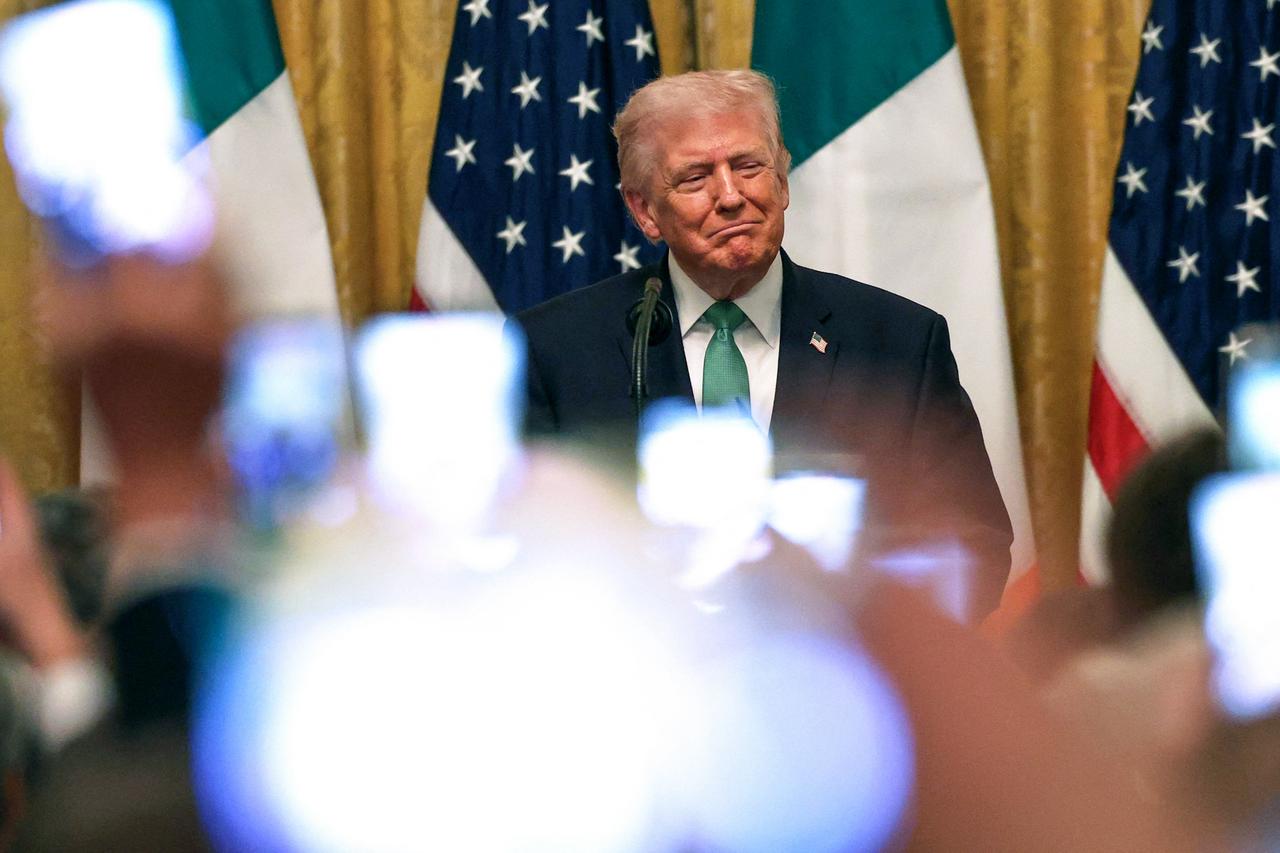


Donald Trump has been the 45th President of the United States from January 20, 2025. Over 14 months, he has played the roles of peacemaker, dealmaker, and warmaker with a series of diplomatic initiatives, trade and tariff deals, and military operations abroad.
He has pressed U.S. allies to share security burdens directly (by pressuring them to increase defense budgets) and indirectly (by hinting that no one should take American protection for granted). He has done these things while tightening immigration enforcement, slashing government budgets, and battling progressive social experiments within the U.S. government and the broader culture.
He has become, in a brief time, the most consequential U.S. president since the end of the Cold War. Events have come fast and furious, leaving domestic and global audiences little time to interpret and consider the long-term implications.
To what does this flurry of activity—the Trump barrage—lead, and is there a plan? Fair questions, but difficult to answer.
There is a plan, but it is defined less by where it leads and more by what it dismantles. Trumpian statecraft focuses on one overarching goal: to destroy the edifice of commitments, assumptions, pieties, and power dynamics that defined the post-Cold War era.
In Trump’s view, this paradigm saddled the U.S. with restrictions that allowed other nations to benefit disproportionately from American power. U.S. consumers and companies subsidized China's rise, while taxpayers and soldiers subsidized the security of Europe and the Middle East. Meanwhile, U.S. cities offshored jobs and onshored millions of immigrants.
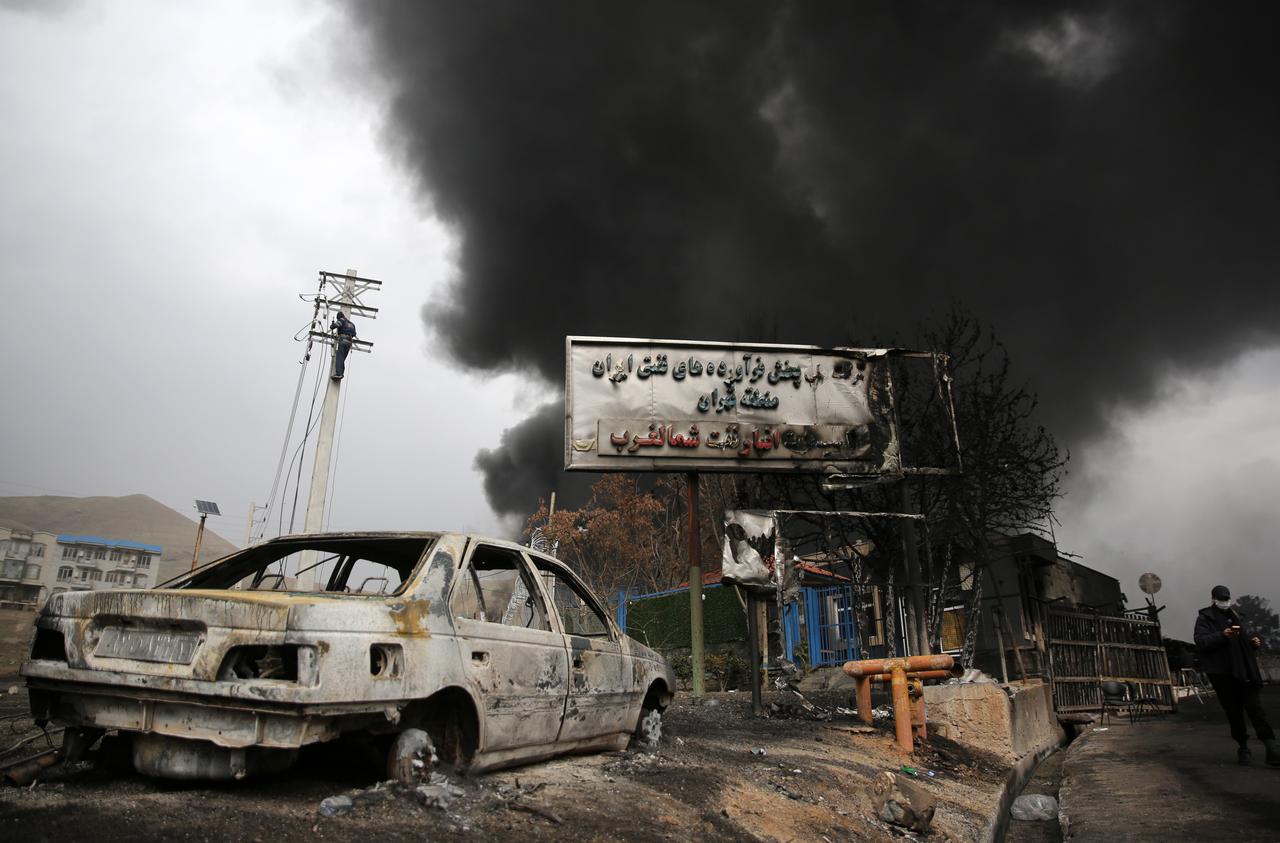

According to this framing, the U.S. has for 35 years been run by fools and fooled by knaves. The knaves include China, Russia, progressive bureaucrats in the U.S. and U.N., certain European allies…and Iran has a particularly odious role.
The Islamic Republic has multiplied the cost of Washington’s regional security architecture through its multifaceted proxy struggles against U.S. allies in the Gulf. It has thwarted Arab-Israeli peace efforts by drawing the Palestinians into its “axis of resistance” and arming Hamas and Hezbollah to keep mutual antagonism high and making peace advocacy almost impossible.
Iran’s quest for nuclear weapons—an enrichment program clearly excessive for energy—together with a bitterly anti-American state ideology, puts it in a special category.
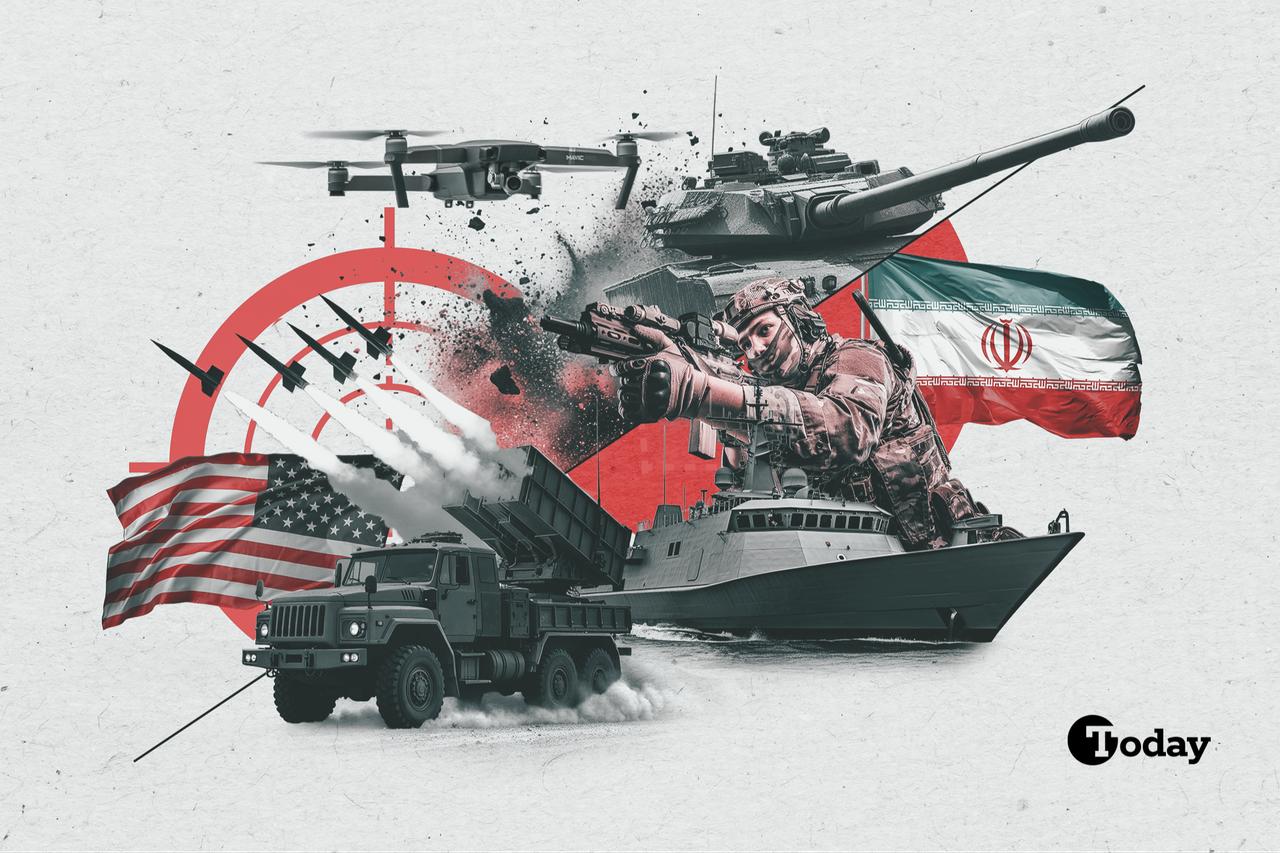
Restoring credible deterrence of Iran has long been central to the Trumpian worldview. But the imminence of the threat, international legal justification, and end state of this war tell us little about “why now” and “to what end.”
It’s about the nuclear program but more about restoring U.S. credibility in the face of a systemic antagonist who has not responded to the gentle inducements of the “liberal international order.” Trump’s war on Iran—and the rest of the Trump barrage—is the primary test case to demonstrate that the Trumpian world order is a transactional, brute-force, no-illusions system driven, though not choreographed in detail, from Washington.
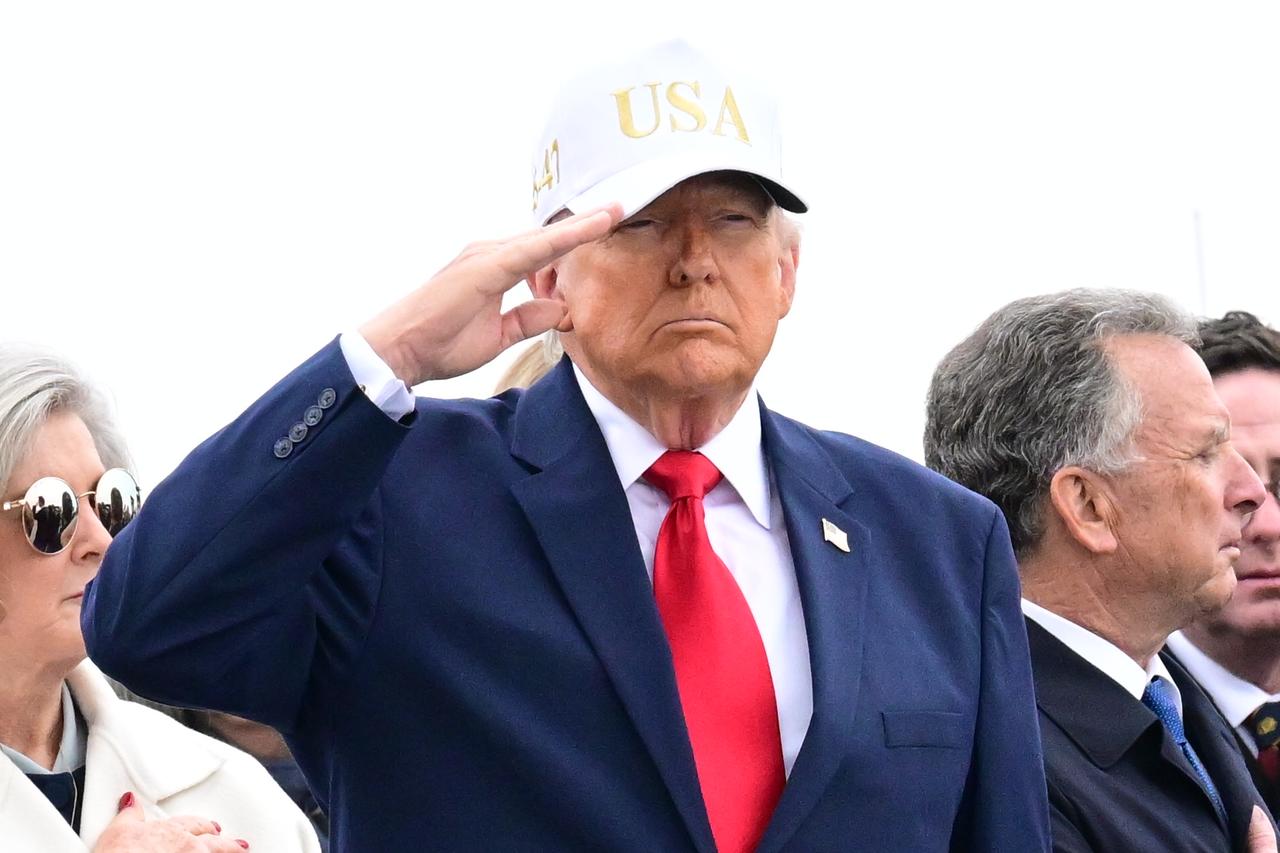
The Trump administration has had tactical successes in reshaping the global order and may have already achieved its overarching goal.
Trump has gotten positive results—partial in some cases—on trade deals, energy access, NATO defense spending, immigration enforcement, the South Caucasus, Venezuela, and Syria. Iran remains a muddled proposition, but another anti-American regime, Cuba, is struggling mightily.
The domestic political cost to Trump of playing hardball has thus far been manageable—voter approval levels and consumer prices have remained fairly steady. Just over a year of Trumpian initiatives at his preferred pace, scope, and tone have fundamentally altered global expectations of what comes next—and to this president, ending the predictability of U.S. actions elevates U.S. leverage.
 2 min read
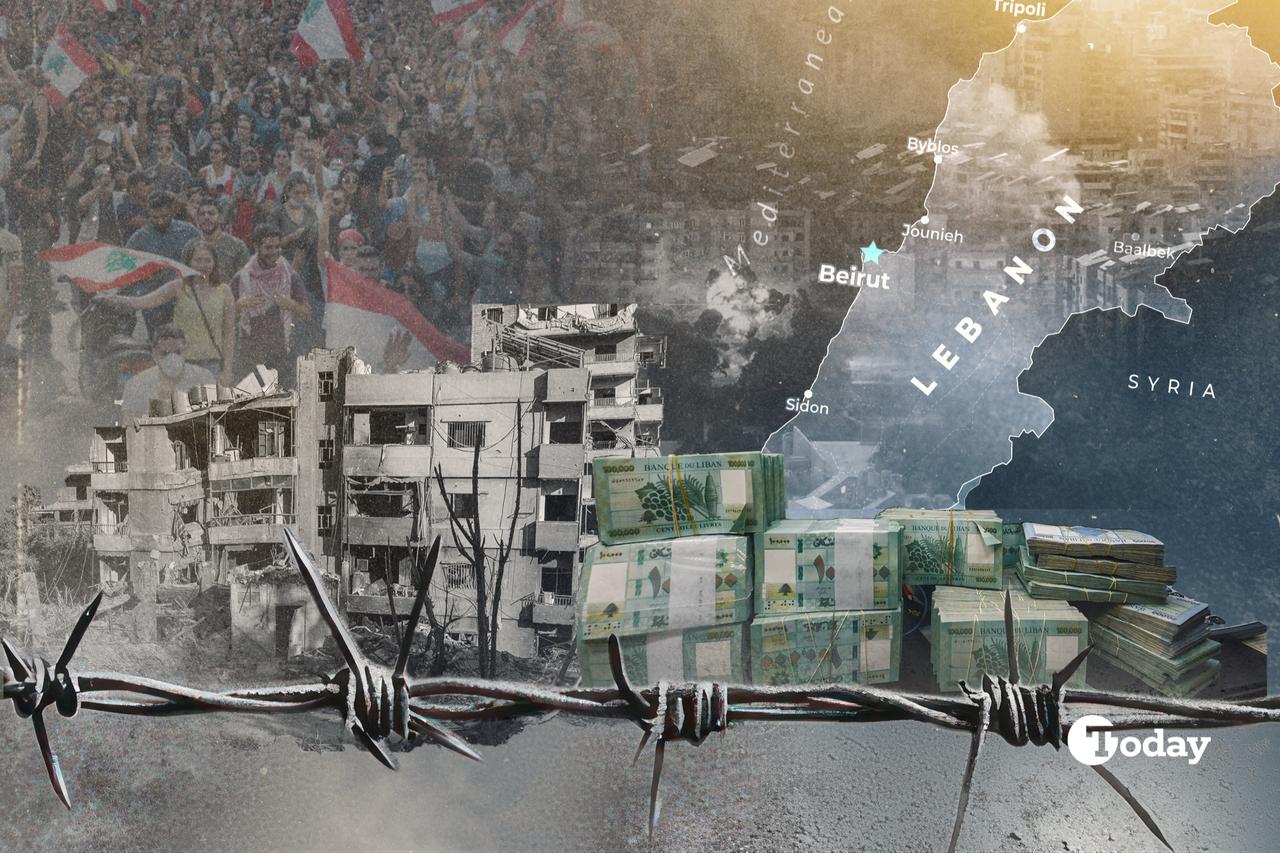
The costs of imposing a new paradigm have been lower than expected, at least for now, and at least for Trump. Hardball trade negotiations have not led to a global recession or wholesale rerouting of trade away from the U.S. or American companies. Higher tariffs have not caused inflation rates to soar.
Harsh words for allies have not actually prompted any to realign with adversaries. U.S. casualties across several military operations have been painful but relatively few.
Whether history ultimately views Trump as a villain, a failure, or a shrewd geopolitical practitioner depends on the contours of the new paradigm. That uncertainty is the primary risk. Trump cannot dictate outcomes through the exercise of power, though he can disrupt trajectories.
Pounded and militarily outmatched, will Iran head toward conciliation, disarray, or even deeper radicalism? Will allies in Europe, the Middle East, and Asia decouple from the U.S. strategically into one or more non-aligned blocs? Will Trump policies get repudiated at the ballot box with his hands tied by an anti-Trump Congress after the upcoming midterm election?
In a transactional age, all outcomes are contingent and transitory, so we may not know for years whether the Trump barrage started a virtuous cycle as it sought to destroy the old.
There is a reasonable sense of disorientation and dismay among U.S. and allied publics over the Trump barrage.
Why press forcefully on so many fronts so quickly? Why not leave room for the patient work of diplomacy, compromise, and evolutionary change? What is the sign at the end of the road? Is there no limit to the risk-taking?
To ask these questions is to misunderstand the man’s premise: incrementalism was an assurance of slow but accelerating American decline. Things will slow down when Trump determines that a new set of global rules has been accepted, or when domestic dynamics constrain him. Which of these is to be preferred will vary by observer, but let none expect him to state in advance when that will be.


 Set as preferred source
 Set as preferred source


 1 min read