Newsletters


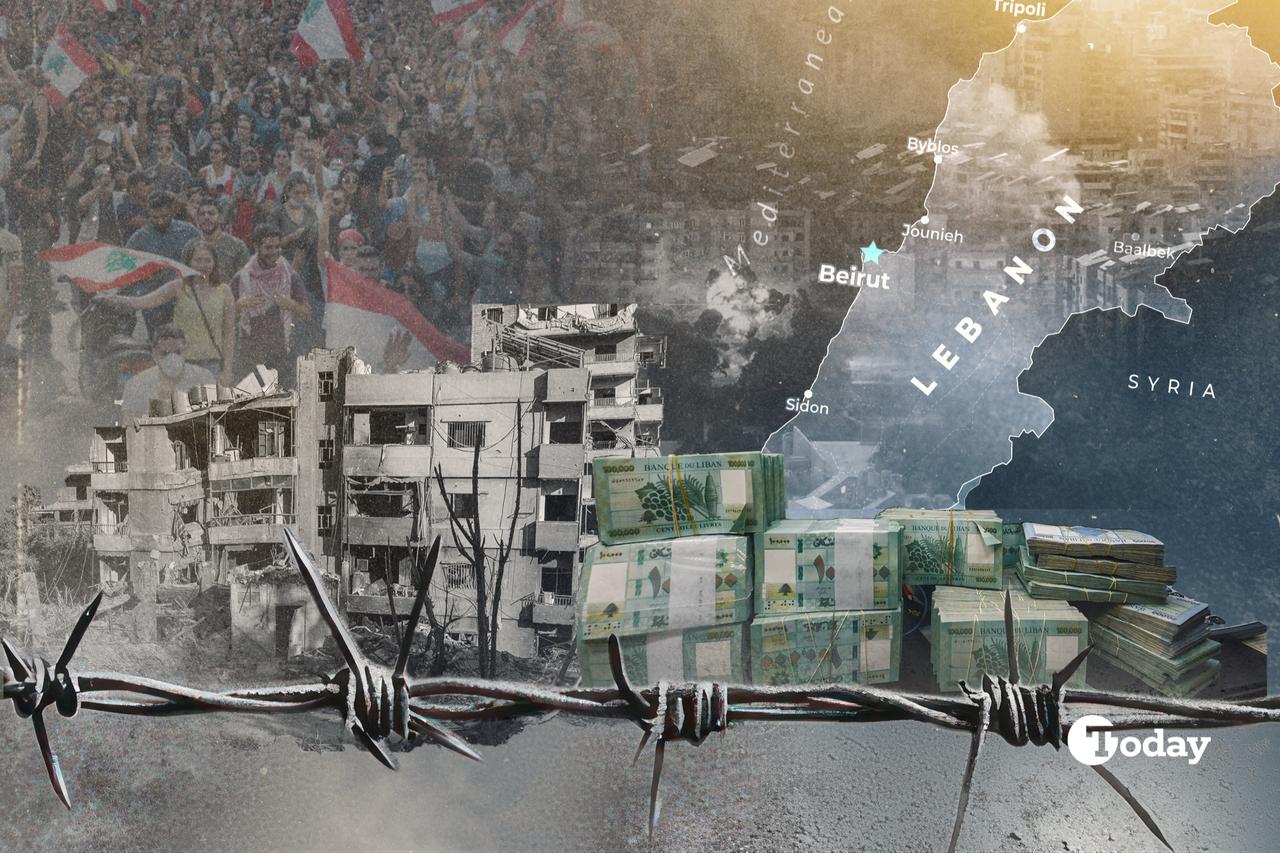


Before the near-daily shrapnel storm arrives from the south, thousands of Beirut’s 2.4 million residents still enjoy standing at the edge of the sea, where the stones are worn smooth, and the water still laps clean at sunrise. The air is always pristine as dawn arches over the Beqaa Valley toward France.
That’s the lie the Mediterranean tells. By noon, the acrid smoke wafts back, and the noise and the shouting, and the city tries to remember its past, a heavy French legacy from the time of the Crusades and the mandate the League of Nations gave Paris over Lebanon following World War I.
Yet in French, English, or the patois of Levantine Arabic, all parties agree that Lebanon began 5,000 years ago as a vibrant outpost of traders and shipwrights, the old inheritance of the Phoenicians, who carved routes across the Great Sea and left an alphabet behind them like a quiet gift. It was never a large country, but it was precise. It knew how to survive between empires.
Now it survives between ruins.
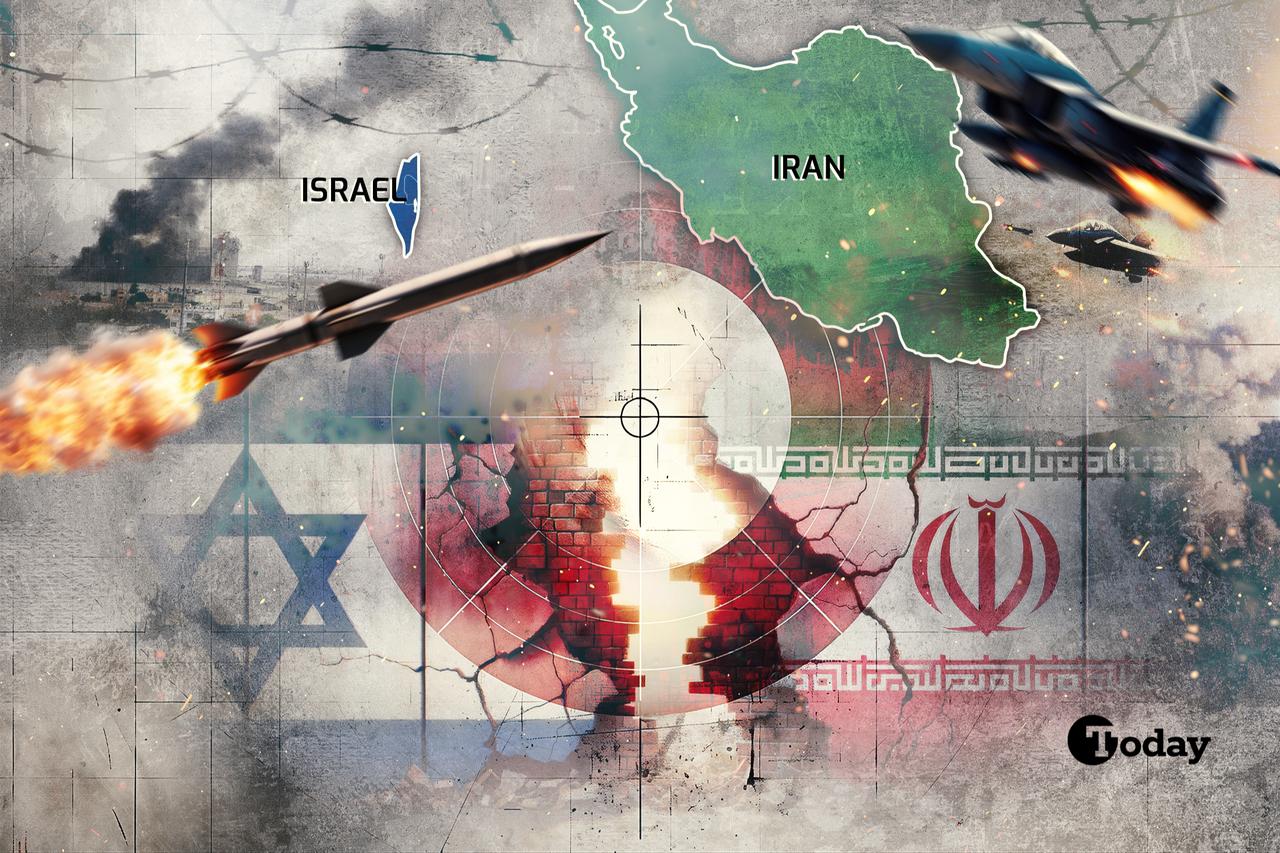
War came again, as it always does in this part of the world, but this time it did not come alone. It arrived in the long shadow of the U.S.-Israeli attack on Iran, with rockets that do not ask who you are before they fall, and with militias who speak the language of God and business in the same breath. The strikes have not stopped. More than 600 have died in Lebanon in the latest fighting, and the numbers move like bad odds across the crap tables at Casino du Liban in Tabarja.
The Lebanese writer Dominique Edde reckons “the present moment is overwhelming; it is one of destruction.” She penned it plainly, without decoration, because there’s no need to decorate a flop. You either see it, or you do not.
Although I haven’t visited Lebanon since before Covid-19, friends there say you can still stroll through the Paris of the East and witness how a nation of nearly 6 million people unravels. Not in one great tearing, but in many small ones. The power fails. The currency fails. The law fails. Then the idea of the country fails, which is the worst failure of all.
Men with guns fill the vacuum. Hassan Nasrallah built a state within a state long ago, and others followed, each faction claiming to defend Lebanon while carving it into smaller and smaller pieces. The old bargain, live and let live, collapsed under the weight of sect and profit.
There was always corruption. There is always corruption in places where power is close and accountability is far. But here it became systemic, like rot in the beams of a house that still looks upright from the street. Figures such as Najib Mikati have faced accusations that illustrate how public office and private wealth have become indistinguishable.
The people know it. They have always known it. They protested once, and they were beaten back by the same machinery that feeds on them.
And so the country became something else. Not failed, exactly. That word is too clean. This is something messier. A place where sovereignty is negotiated daily at checkpoints. A place where the state is present in name and absent in fact. A place where crime is not an aberration but a system of survival.
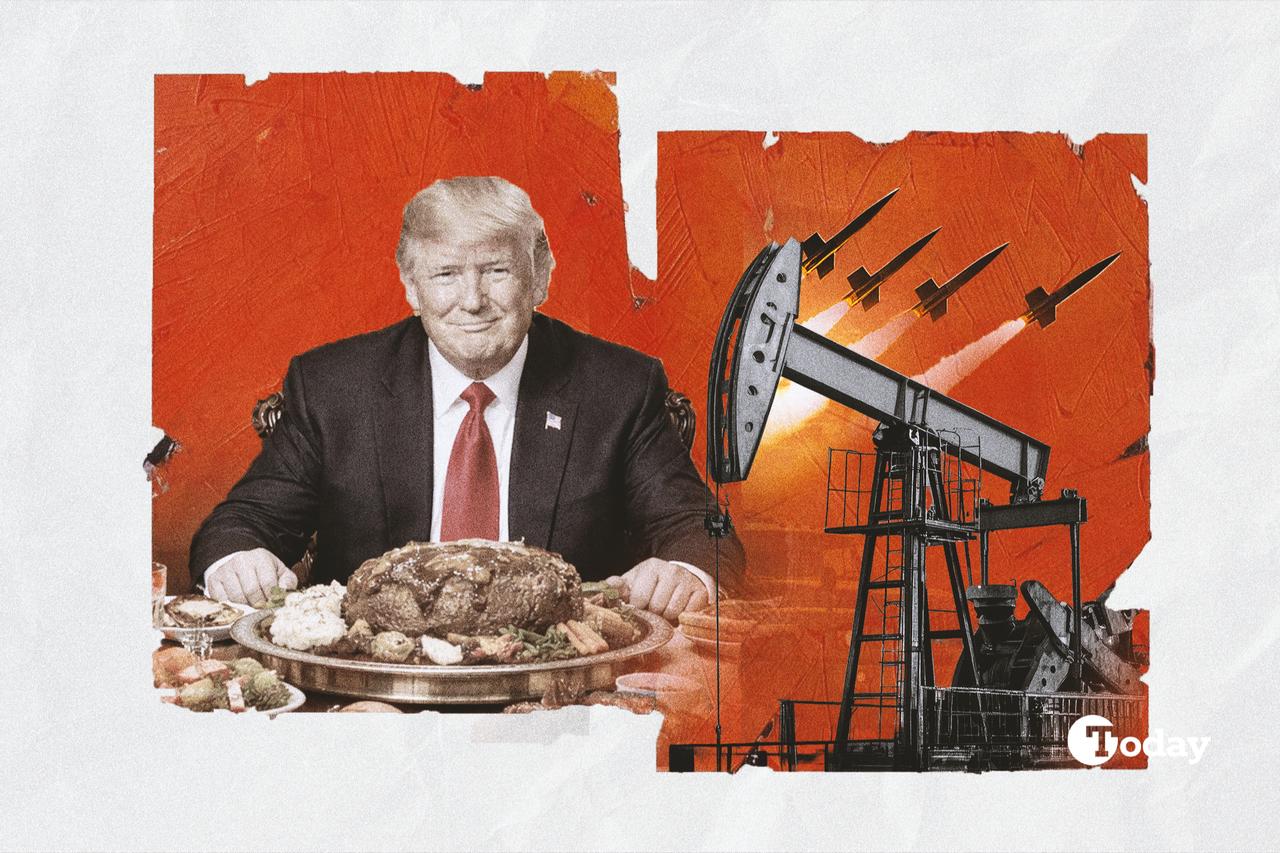
Foreign leaders speak of it in the language of power, which is to say they do not speak of it at all. They speak of enemies and targets and victories. The American president, Donald Trump, described his adversaries in the region as “deranged scumbags,” a slogan delivered with the blunt force of a man who measures success in demolition.
“Des ordures debiles” is the Beirut-friendly French expression that best echoes Trump’s profanity-of-the-moment; “huthala-mukhatal-lah-ackli-yan” is the preferred expression on the south side, in the Dahiyeh.
What has happened to Lebanon cannot be understood only through the lens of linguistics. It is not just the war from outside. It is the decay from within. Terrorism, yes. Civil war, yes. But also the quieter violence: theft, neglect, indifference, the slow grinding down of institutions until nothing remains but the husk.
The former Prime Minister Rafic Hariri once helped rebuild Beirut from an earlier war, though even that reconstruction carried the seeds of inequality and accusation. The city rose, briefly, like a wrestler in a fixed match who has been knocked down and insists on standing again. But it did not hold.
Nothing has held.
There is a particular sadness in a country that remembers what it was. The cafes are still open. The music still plays. The sea is still there in the morning. But these are gestures now, not foundations.
 2 min read
You hear it in the way the Lebanese diaspora in Paris talks. Not with anger, which requires energy, but with a kind of practiced resignation. Those left behind speak of leaving. They speak of staying as if it were an act of endurance rather than a choice.
“Things in Lebanon are more like they are now than they ever were before,” rues a Maronite Christian teacher who asked not to be identified to safeguard their family. “Religion no longer matters. The Israelis are intent on destroying Lebanon, all of us.”
A nation is not only its borders or its flag. It is an agreement among its people that the thing exists and is worth maintaining. When that agreement breaks, the nation becomes something else.
Lebanon has become something else.
Not a state in the classical sense. Not a failed state in the academic sense. Something more ambiguous and more troubling. A place where legitimacy is fractured, where authority is contested, where identity is negotiated at gunpoint or bought in cash.
There is a description for that, though it is an ugly moniker and imprecise. People use it when they no longer believe in the structure they inhabit. They use it when the old definitions no longer apply.
Diplomats call it a bastard nation, but never at an embassy cocktail party.
It’s not a fair compound noun. It is not even an accurate term. But it is the kind of ugliness that emerges when history, war, greed, and exhaustion converge in one place and refuse to leave.
Over the phone, an old friend in Beirut says that for a moment, the city is quiet. The generators hum. The lights flicker on where they can. The sea is still there, as it always is, indifferent and clean again in the failing light.
Beirut does not remember the Phoenicians. It does not remember the wars. It does not remember the names of the men who broke the country or the ones who tried to fix it.
It’s a snubbed city that comes and goes.
And Lebanon, what remains of it, lurches in between.


 Set as preferred source
 Set as preferred source


 1 min read