Newsletters


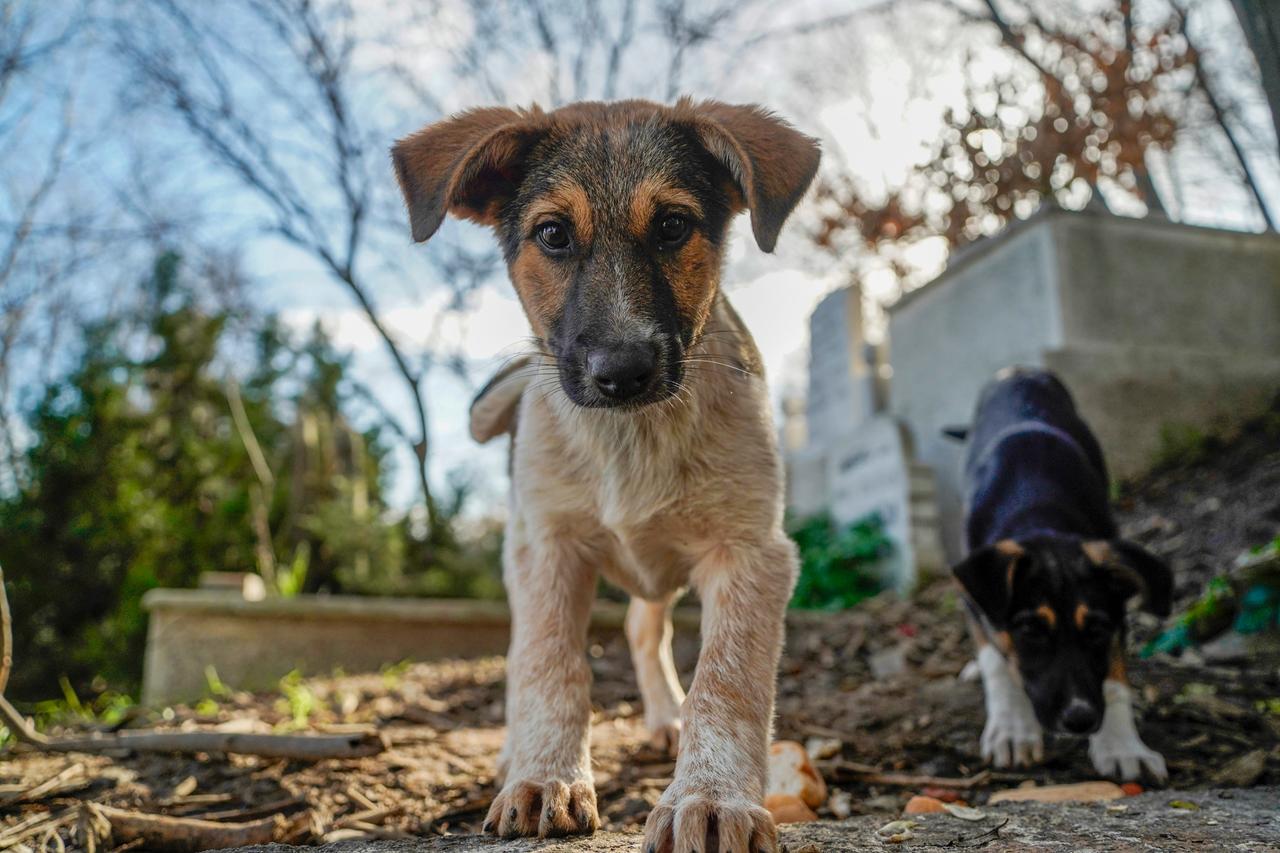


It was supposed to be a day of celebration for the four-legged residents that define Istanbul’s unique urban charm.
Instead, while much of the world spent April 4 celebrating World Stray Animal Day, in Istanbul, the date served as the starting gun for a countdown that threatens to end the city's ancient bond with its canine residents.
Istanbul Governor Davut Gul has issued a formal mandate to the Istanbul Metropolitan Municipality (IBB) and all 39 district municipalities: clear the streets of every stray dog by the end of May.
For those who know Istanbul as a place where shopkeepers leave bowls of water for local strays and commuters share sidewalk space with sleeping dogs, the news marks a chilling departure from a centuries-old tradition of coexistence.
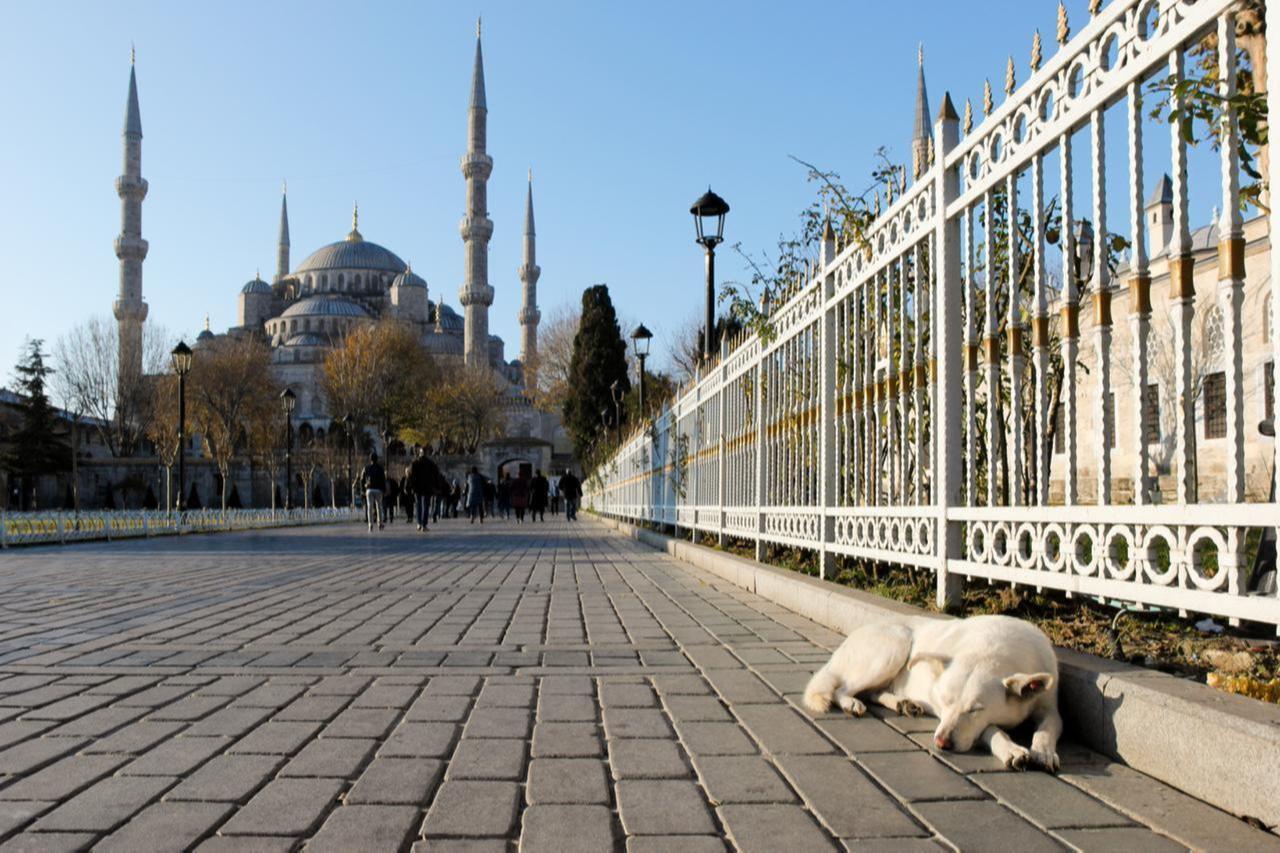

The Istanbul Governor’s instruction was not a firm suggestion but an ultimatum backed by the threat of criminal prosecution.
Davut Gul’s letter, sent to mayors across the city, claims that dogs roaming in packs pose a threat to "the safety of life and property." So, he has ordered that these animals be rounded up and sent to shelters within a strict 30-day window.
"The activities regarding the responsibilities of local governments should be accelerated," Gul wrote, warning that any official who fails to "control" the population of street dogs by the end of May will face criminal complaints filed with the Chief Public Prosecutor’s Office for negligence.
The governor’s office justifies this aggressive timeline by pointing to reports of injuries and property threats caused by roaming packs. Yet, the same official correspondence admits that municipalities have failed to begin construction on new "natural living areas" despite land being allocated.
This creates a dangerous paradox: local leaders are being ordered to clear the streets immediately, but the state has provided no finished facilities to house the thousands of animals they are expected to take.
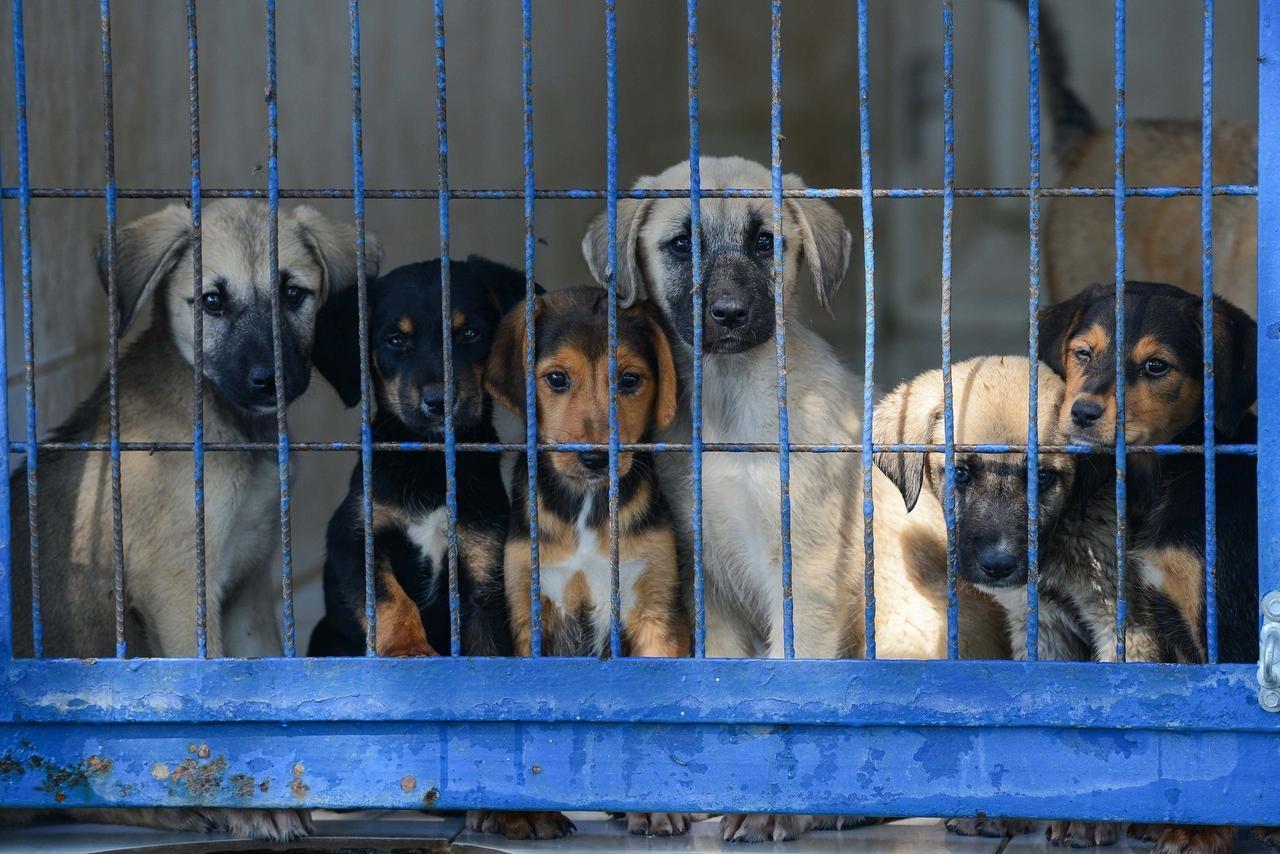
This move did not happen in a vacuum.
It is the culmination of a legislative shift that began with the 2024 amendment to the Animal Protection Law, a piece of legislation so controversial that activists and the public quickly branded it the "Massacre Law." While the government argues the law is about public safety, the reality on the ground has been far grimmer.
According to the Animal Rights Watch Committee (HAKIM), the impact of the 2024 law has been devastating.
Their 2025 Media Violation Report recorded at least 3.94 million violations of the "right to life" for animals in just one year. This includes thousands of cases of torture, sexual violence, and organized dog fighting, but the vast majority of deaths occur behind the closed doors of municipal shelters.
The legal battle over these animals has been as fierce as the struggle on the streets. Following the 2024 amendments, the main opposition Republican People’s Party (CHP) filed a lawsuit with the Constitutional Court to halt the execution of 16 articles within the law, labeling them a violation of the right to life.
However, the court's rejection of this appeal has effectively cleared the legal path for the current crackdown. Without a judicial check, the government is now moving from legislative theory to a physical, city-wide sweep that activists fear will be the final chapter for Istanbul’s street dogs.
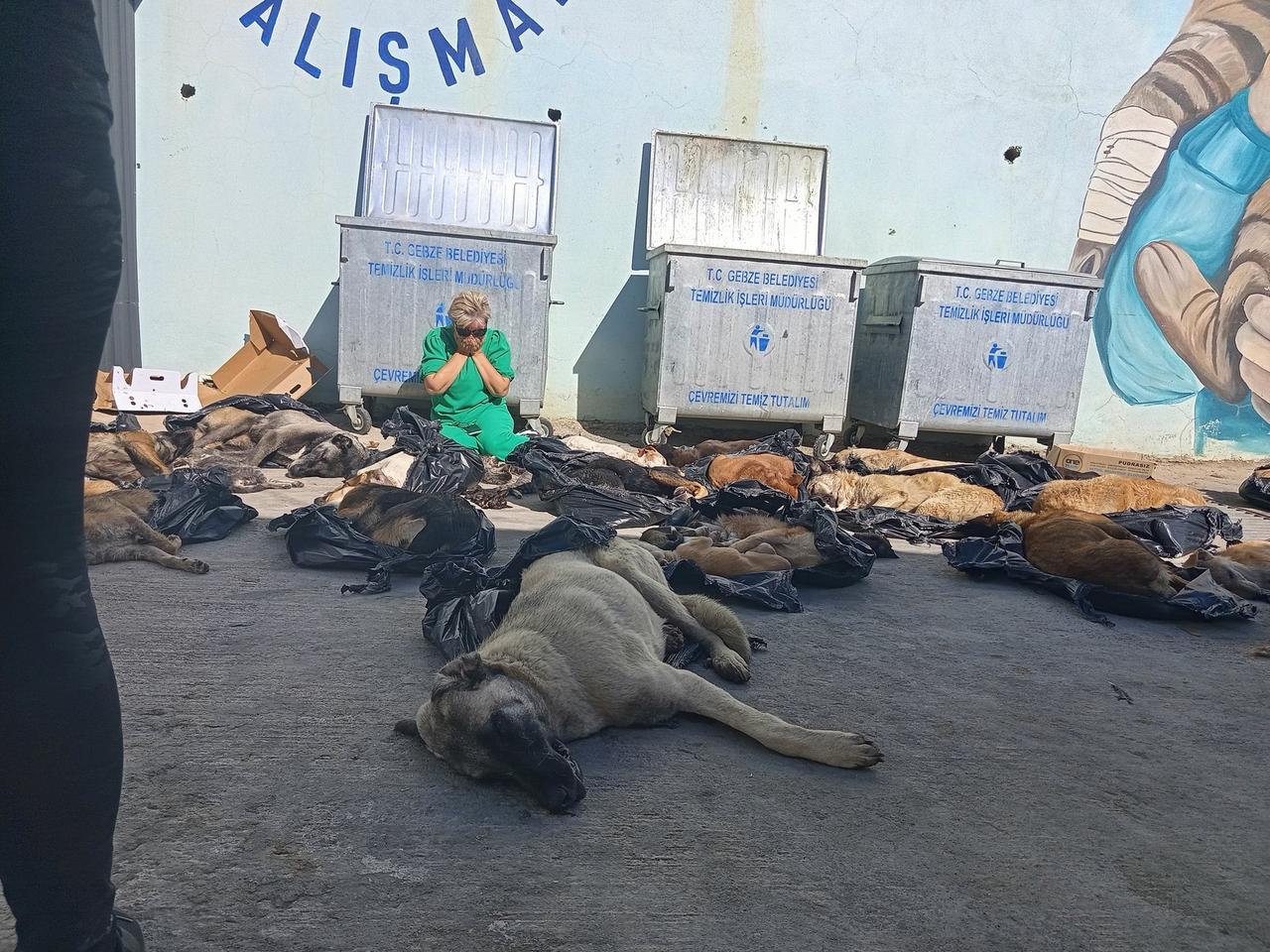
The government’s narrative relies on a sense of rapid progress that experts say is physically impossible.
On April 1, Interior Minister Mustafa Ciftci claimed on national television that 75% of stray animals in Türkiye have already been collected. "Every three out of four animals are either in a shelter or being cared for in natural living areas," Ciftci stated.
However, those who monitor these shelters say the numbers tell a different story. Alper Karmis, head of the Association for Keeping Street Paws Alive (PADER), argues that for the minister’s 75% claim to be true, over 1.5 million dogs would have had to be collected in the first three months of 2026 alone.
"The official figures for 2025 showed 450,000 dogs collected," Karmis told Bir Gun. "It is not possible to have collected 1.5 million more in three months. I believe the officials are not providing accurate information to their superiors."
Even more concerning is his estimate of what happened to the dogs already in the system: "150,000 of those 450,000 collected have already died. This is a staggering rate of death."
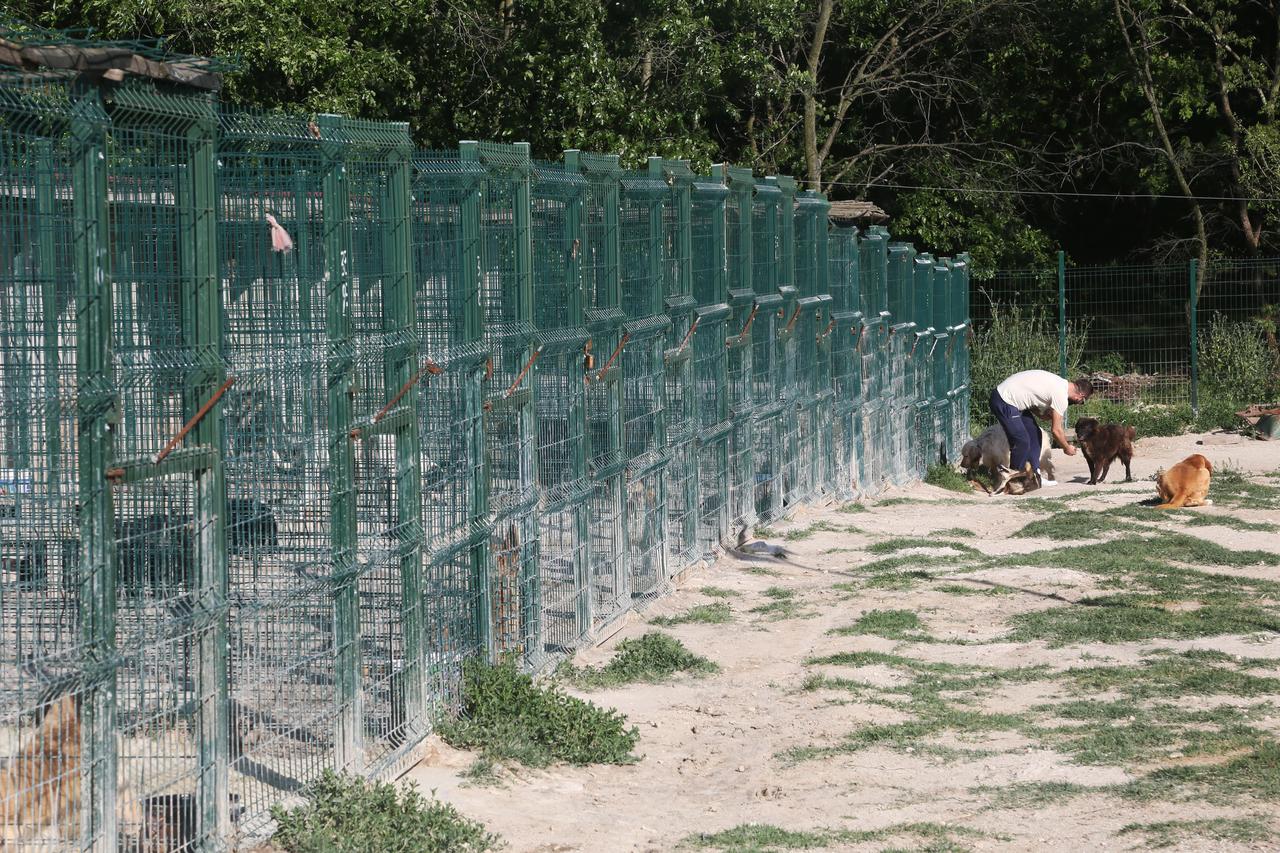
The central problem with the governor’s May deadline is a lack of space.
Istanbul’s existing shelters are already at or beyond capacity. Erman Pacali, head of the Türkiye Animal Protection Foundation (THKD), warns that forcing a mass roundup into full facilities is "an invitation to death."
"Conducting a 'collection' in less than 30 days when there are no standard living areas available leads to the stacking of animals, contagious diseases, and mass deaths," Pacali said in a social media post. He pointed out that this haste is a direct violation of Law No. 5199, which is supposed to protect animal welfare.
On Aug. 25 last year, the anniversary of the Animal Protection Law, activists in Edirne lit 800 candles to commemorate 800 stray animals that died in the local shelter in just one year.
Ozcan Kaya, a life rights advocate, described these facilities as "death camps" where animals are left to face hunger, disease, and extreme weather without basic care. Bilsay Kanat, head of the Independent Veterinarians Association (SVHD), echoed this, noting that thousands of animals across the country currently have zero access to medical treatment or even clean water.

For those who find Istanbul’s animal culture one of its most endearing qualities, the most unexpected development might be the state’s attempt to criminalize feeding.
In late 2025, several governorships, including Istanbul and Ankara, moved to ban the "uncontrolled feeding" of stray animals in public spaces.
The brutal reality of this campaign against street dogs was already visible months before the latest official decree.
During visits to both Istanbul and Izmir in February, I felt that the decrease in the number of street dogs was already palpable, creating an atmosphere that felt almost uncanny. Squares and side streets that were once the domain of local strays had begun to fall silent.
While the government faces a genuine safety challenge with territorial packs in certain areas, the current solution has been devastating. It is no longer a question of potential risk; the data from the past year show a system where many collected animals simply do not survive the transition to shelters, if they are taken to one.
Rather than a total sweep that guarantees further bloodshed, the issue could be addressed through targeted, science-based interventions like localized sterilization and controlled management.
By the time June arrives, the daily life of Istanbul will feel different. The dog you petted on a street corner last week or the one you see every morning sleeping across from your bus stop might be gone. Their absence will leave thousands of quiet gaps in the neighborhoods they once called home.
Now, when you look at those empty corners, the silence will tell you the rest of the story.


 Set as preferred source
 Set as preferred source



 7 min read