Newsletters


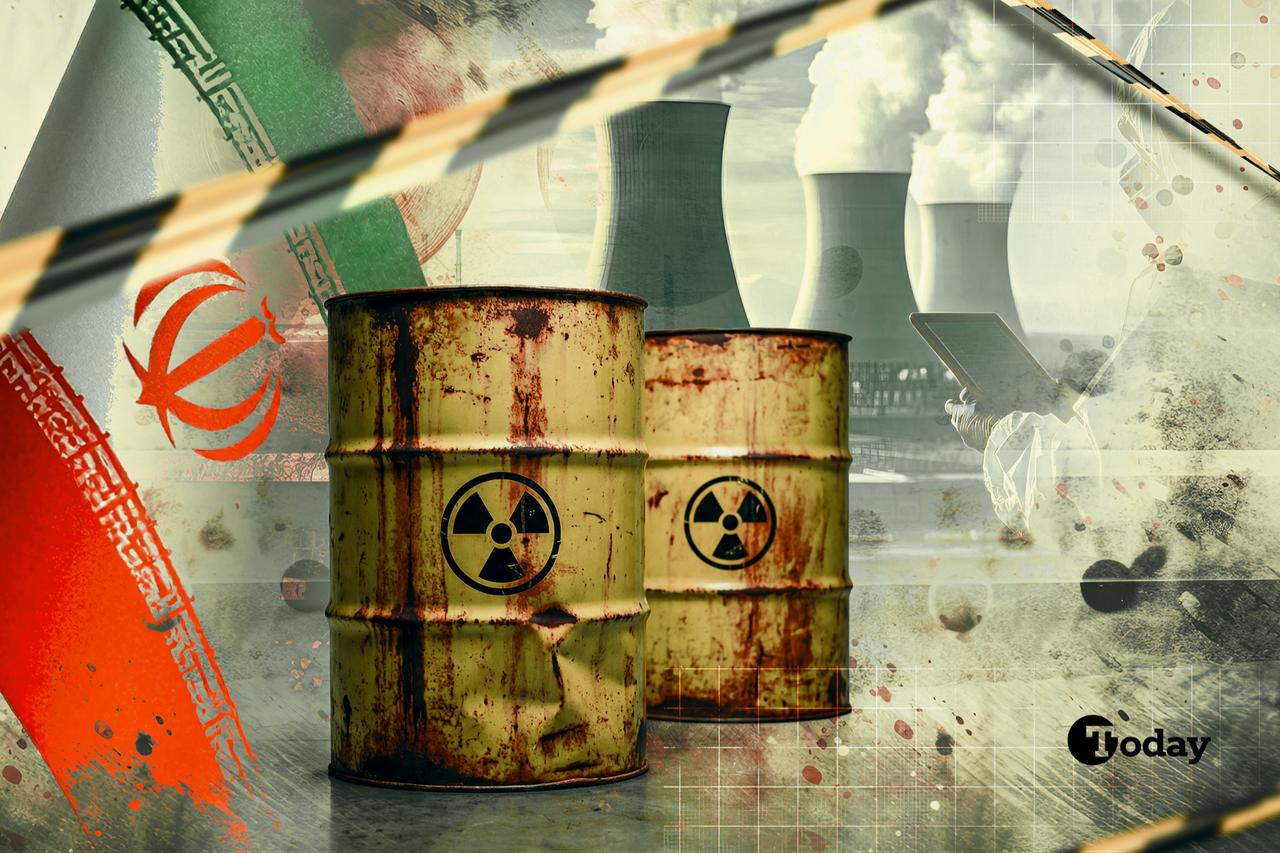


When the United States and Iran quietly signed a memorandum of understanding (MoU) last week, the White House called it a diplomatic breakthrough. But, even a reader with little background on the issue could easily reach a different conclusion—that this agreement is overwhelmingly favorable to Iran.
Although President Donald Trump presented the ceasefire deal as a major success story and claimed that his administration achieved what nobody had been able to accomplish in 47 years, the reality is that the memorandum has left the United States in a worse position than it was before the war.
At present, it provides the United States with little beyond securing the reopening of the Strait of Hormuz, which had previously been open to all commercial vessels free of charge.
Iran, on the other hand, stands to gain considerably: oil transport waivers and the release of frozen assets. Moreover, following the announcement of the memorandum, Iran stated that transit through the Strait of Hormuz could potentially become subject to fees.
Not only did the United States fail to achieve several of its stated war objectives—including regime change and the total destruction of Iran's ballistic missile program—but it has also secured no tangible gains thus far regarding the central objective of the war: preventing Iran from developing a nuclear weapon.
The ceasefire agreement contains language stating that Iran will not build a nuclear weapon and that issues related to enriched uranium stockpiles and uranium enrichment will be addressed in a final agreement.
These provisions may temporarily serve as a shield against the criticism Trump is likely to face domestically, helping him argue that the war—which cost the United States more than $29 billion—was not fought in vain.
The final agreement, which is expected to address nuclear issues as well, remains only an intention at this stage and is supposed to be negotiated during the 60-day ceasefire period.
It is worth recalling that before the war began, five rounds of talks on the nuclear file took place between Iranian and American negotiators between April and June 2025, yet no agreement was reached.
Prior to the February attacks, Trump warned that "bad things happen" if Iran refused to accept the agreement on American terms. On Feb. 26, the United States and Israel launched attacks against Iran. Military intervention was therefore presented as a strategy to secure a more advantageous position at the negotiating table.
Yet judging by the ceasefire text, the terms do not reflect the outcome of a victorious American campaign. Whether a final agreement encompassing nuclear issues can be reached within the next 60 days remains to be seen.
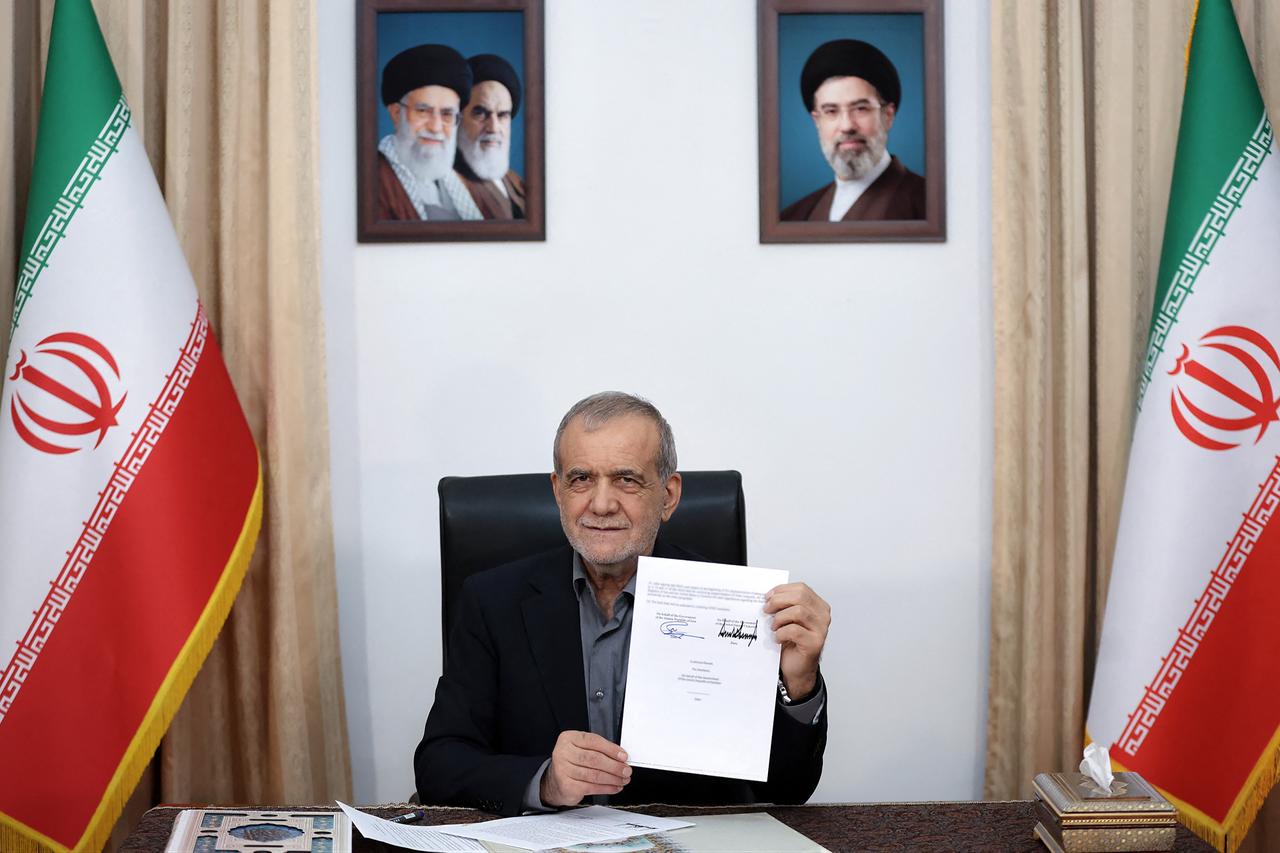

The Joint Comprehensive Plan of Action (JCPOA), commonly known as the Iran nuclear deal, was signed in 2015 between the P5+1 countries and Iran. The United States withdrew from the agreement in 2018 during Trump's first term despite Iran's compliance with the deal, largely following persistent pressure from Israel.
Today, although Trump continues to criticize the JCPOA, describing it as a "disaster" that was destined to fail to prevent Iran from acquiring nuclear weapons. However, it is far from clear that his administration will be able to secure even the gains that the Obama administration achieved through the nuclear deal.
The JCPOA produced significant results. Most importantly, it limited Iran's uranium enrichment to 3.67%, a level sufficient for civilian use. Since the U.S. withdrawal from the agreement, however, Iran has enriched uranium to much higher levels.
According to the International Atomic Energy Agency's (IAEA) September 2025 report, Iran increased its stockpiles of enriched uranium at various enrichment levels, including uranium enriched to 60%, a level that is technically close to the 90% enrichment generally considered the minimum required for producing a nuclear weapon.
Another major achievement of the agreement was that it reduced Iran's enriched uranium stockpile by 98% through shipping material out of the country, lowering the stockpile to 300 kilograms.
Following the collapse of the agreement, however, the situation changed dramatically. According to the same IAEA report, as of June 13, 2025, Iran possessed a total of 9,874.9 kilograms of enriched uranium, including 440.9 kilograms enriched to 60%.
One of the agreement's greatest achievements was the transparency it brought to Iran's nuclear program. Verification measures granted the IAEA unprecedented access to monitor and inspect Iranian nuclear facilities, ensuring that nuclear materials were used solely for peaceful purposes. This access became significantly more limited after February 2021.
As a result of the agreement, Iran's breakout time—the period required to produce enough highly enriched fissile material for a nuclear weapon—remained around one year. Following the erosion of the agreement, however, the IAEA's November 2024 report estimated that Iran's breakout time had fallen to one week or less.
The nuclear deal allowed Iran to retain a small quantity of low-enriched uranium rather than eliminating all nuclear activities.
Nevertheless, through its transparency provisions and monitoring mechanisms, it ensured that the international community would receive advance warning if Iran took steps toward developing a nuclear weapon.
The main criticism directed at the agreement by Israel, other opponents of the deal, and the first Trump administration was that it constrained Iran's nuclear program only temporarily.
Among the most frequently cited concerns were the expiration of restrictions on centrifuge development after 10 years and the lifting of limits on uranium enrichment above 3.67% after 15 years.
Before the war, one of the most contentious issues in U.S.-Iran nuclear negotiations was whether Iran should be allowed to enrich uranium on its own territory, even for civilian purposes.
In an interview following the announcement of the memorandum, Trump suggested that enrichment could be halted for 15 to 20 years. The Obama-era agreement similarly imposed restrictions for a period of roughly 10 to 15 years, although it did not prohibit enrichment altogether and allowed enrichment only at levels suitable for civilian use.
Had the United States remained in the agreement, Iran would have been prevented from moving closer to a nuclear weapons capability until at least 2030.
Trump has repeatedly claimed that he negotiated a deal superior to the JCPOA and recently stated that he had achieved a better agreement than any previous administration. Yet the concessions made in the memorandum significantly weaken America's leverage in future nuclear negotiations.
Even before a final agreement has been reached, the United States agrees "to issue waivers for exports of Iranian crude oil, petrochemical products and their derivatives, and all related services, including banking, insurance, transportation, and the like."
In other words, if no final agreement is reached during the current 60-day period and the ceasefire is repeatedly extended, Iran will already begin regaining access to the financial resources it needs.
Under the 2015 agreement, the United States and other powers agreed to waive nuclear-related sanctions in exchange for Iran accepting restrictions on its nuclear program.
The current MoU appears to go considerably further. It suggests that the United States is prepared to remove sanctions of all types—not merely nuclear-related sanctions as under the Obama-era agreement—as part of a final settlement.
Beyond that, the United States agrees to make Iran's frozen or restricted funds available even before a final agreement has been signed. Yet we are already hearing differing interpretations of several MoU provisions from both Washington and Tehran.
Consequently, even before negotiations on the nuclear file have begun, the concessions contained in the ceasefire memorandum suggest that the deal overwhelmingly benefits Iran.
President Trump's claims that he has accomplished something unprecedented, therefore, seem overstated. In this context, it is hardly surprising that Israel opposes the MoU.

Despite these concerns, the existence of a structured ceasefire is preferable to the continuation of war. Likewise, the prospect of a final agreement that would address the nuclear file remains a positive development.
The MoU establishes ceasefires across all fronts, including Lebanon. Yet Israel has already continued military operations against Hezbollah in Lebanon.
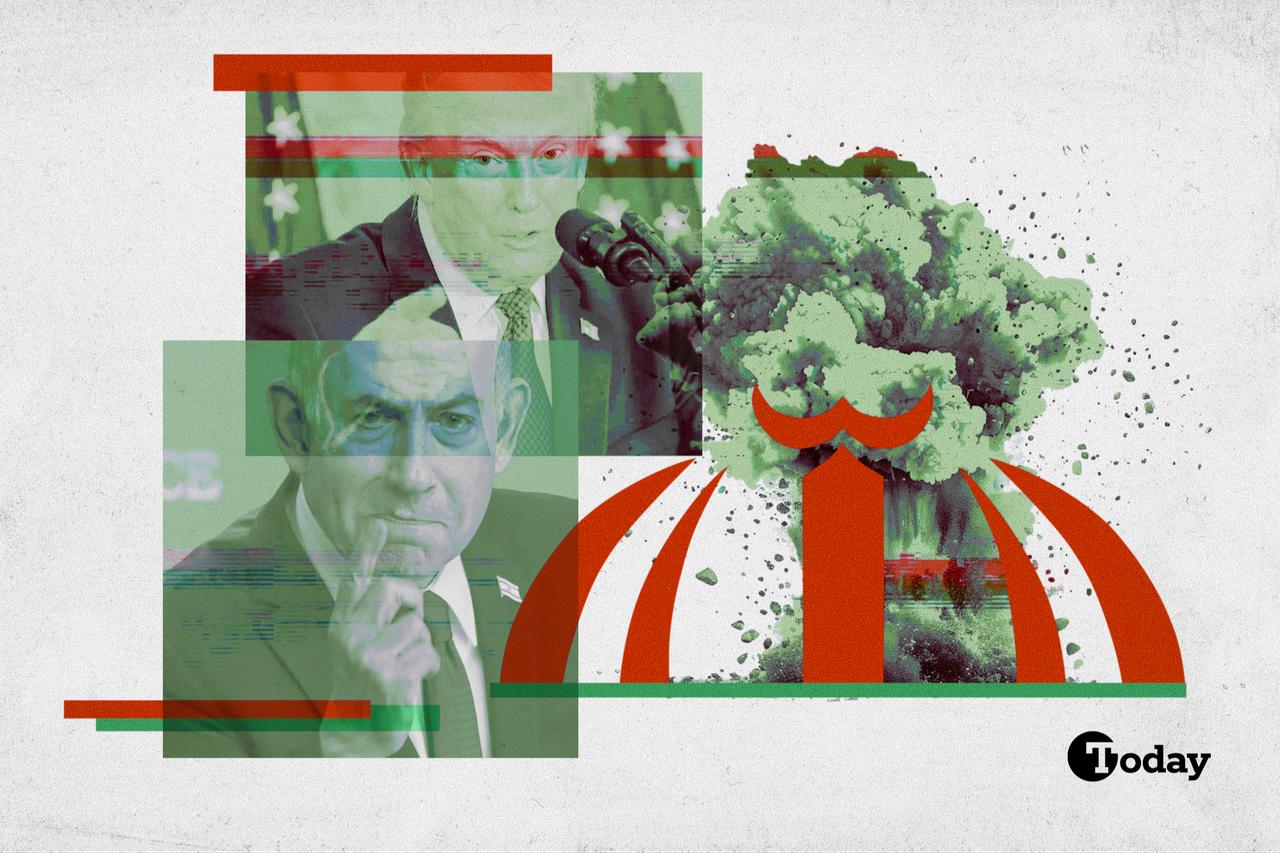
Many observers have argued that this war became possible because Prime Minister Benjamin Netanyahu persuaded Trump to attack Iran.
Encouraged by Netanyahu, Trump expected a quick and easy victory that would force Iran to return to negotiations unconditionally. Not only did this fail to materialize, but oil prices, the global economy, and America's Gulf allies all suffered significant damage.
Previous U.S. administrations, including President Biden's, resisted similar Israeli demands precisely because they anticipated an outcome similar to the one that ultimately unfolded.
The United States must exert maximum pressure on Israel to avoid jeopardizing both the ceasefire and a potential final agreement.
Over time, many Israeli security experts and former officials have acknowledged that although the JCPOA was imperfect—and was criticized for delaying Iran's nuclear program by only 10 to 15 years and for doing nothing regarding Iran's ballistic missile program—it nevertheless succeeded in preventing Iran from developing a nuclear weapon.
They have also concluded that Israel's success in persuading the United States to withdraw from the JCPOA a decade before its expiration was a major strategic mistake and that diplomacy delivered far more tangible results than military intervention.
The United States has made strategic mistakes before by following Israel's lead. It withdrew from the nuclear deal in 2018 and joined Israel in attacking Iran in February 2026, ultimately gaining little while losing much.
The costs were not merely military and financial. Washington also damaged the confidence of its Gulf partners and weakened the credibility of its military threats.
One can only hope that the same mistake will not be repeated.


 Set as preferred source
 Set as preferred source


 2 min read

 1 min read