Newsletters


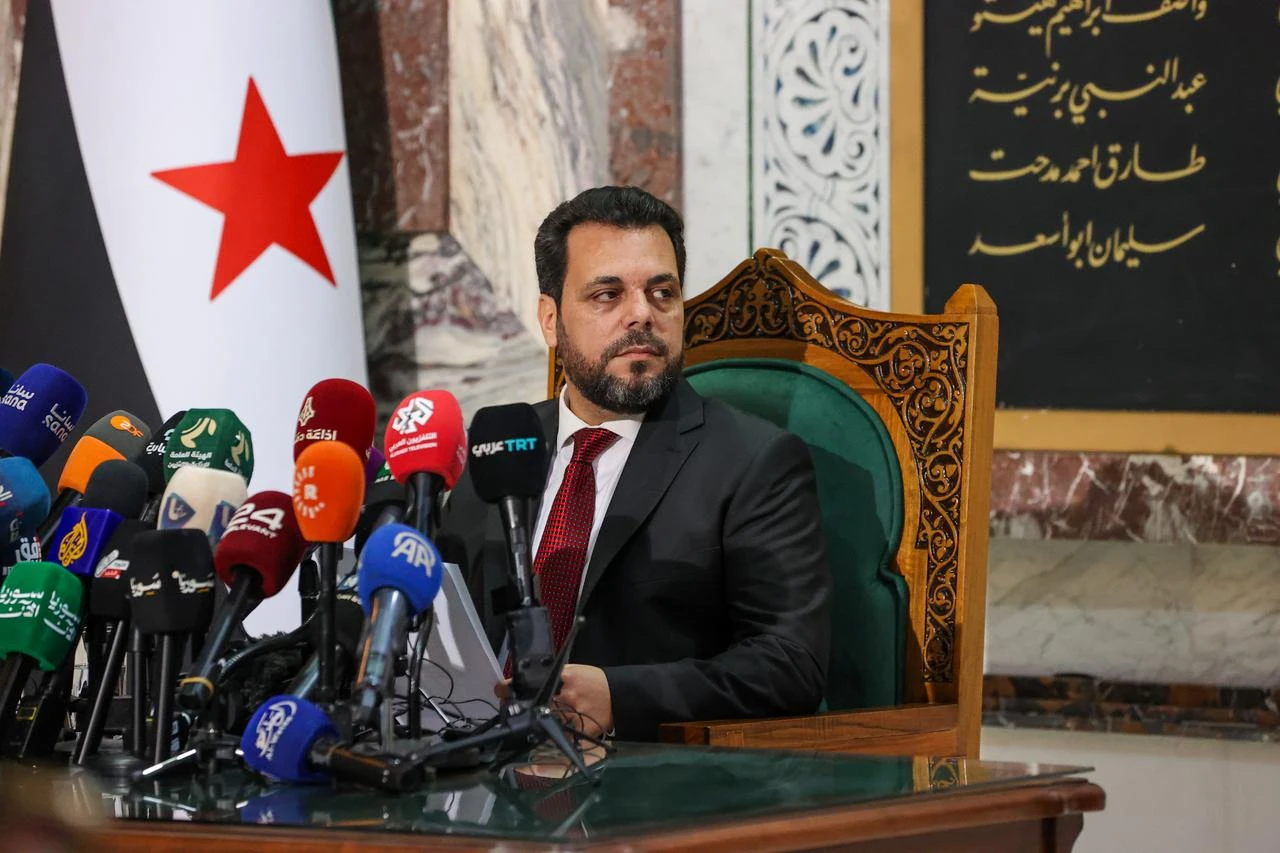


After months of delay, the Syrian president, Ahmad al-Sharaa, appointed the remaining one-third of the 210-person transitional parliament.
The parliament, tasked with amending laws and writing a new constitution for Syria, is a major milestone in the country's transitional process post-Assad.
For Türkiye, the composition of the new Syrian parliament gives much hope, as many friendly faces, Turkmens and Kurds, have been elected or appointed as parliamentarians.
When two-thirds of the Syrian parliament were elected, former Syrian refugees in Türkiye made up to a quarter of the elected parliamentarians.
Furthermore, most of the elected members of parliament had a history of positive engagement and cooperation with Türkiye.
The Turkish soft power in the Syrian parliament is no surprise. Türkiye hosted up to 3.7 million Syrian refugees at a single point in time. If we combine the refugees who went to Europe, returned to Syria, or got naturalized, Türkiye gave refuge to likely over 5 million Syrians.
Furthermore, the Turkish cross-border military interventions provided a safe zone for up to 5.4 million Syrians. Considering that Syria had a pre-war population of 23 million, the Turkish impact becomes inevitable.
Upon this demographic reality, Türkiye also hosted the political Syrian opposition and became the main backer and supporter of the armed Syrian opposition to Assad.
Turkish institutions engaged on all levels with Syrian oppositional figures who are now the vast majority of parliamentarians. To add to this, Türkiye also heavily invested in education and graduated thousands of Syrian students from its universities in Türkiye and their branches inside the safe zones in Syria.
And I haven’t even begun to speak about historic, cultural, religious, and other forms of ties between Türkiye and Syria and their impact.
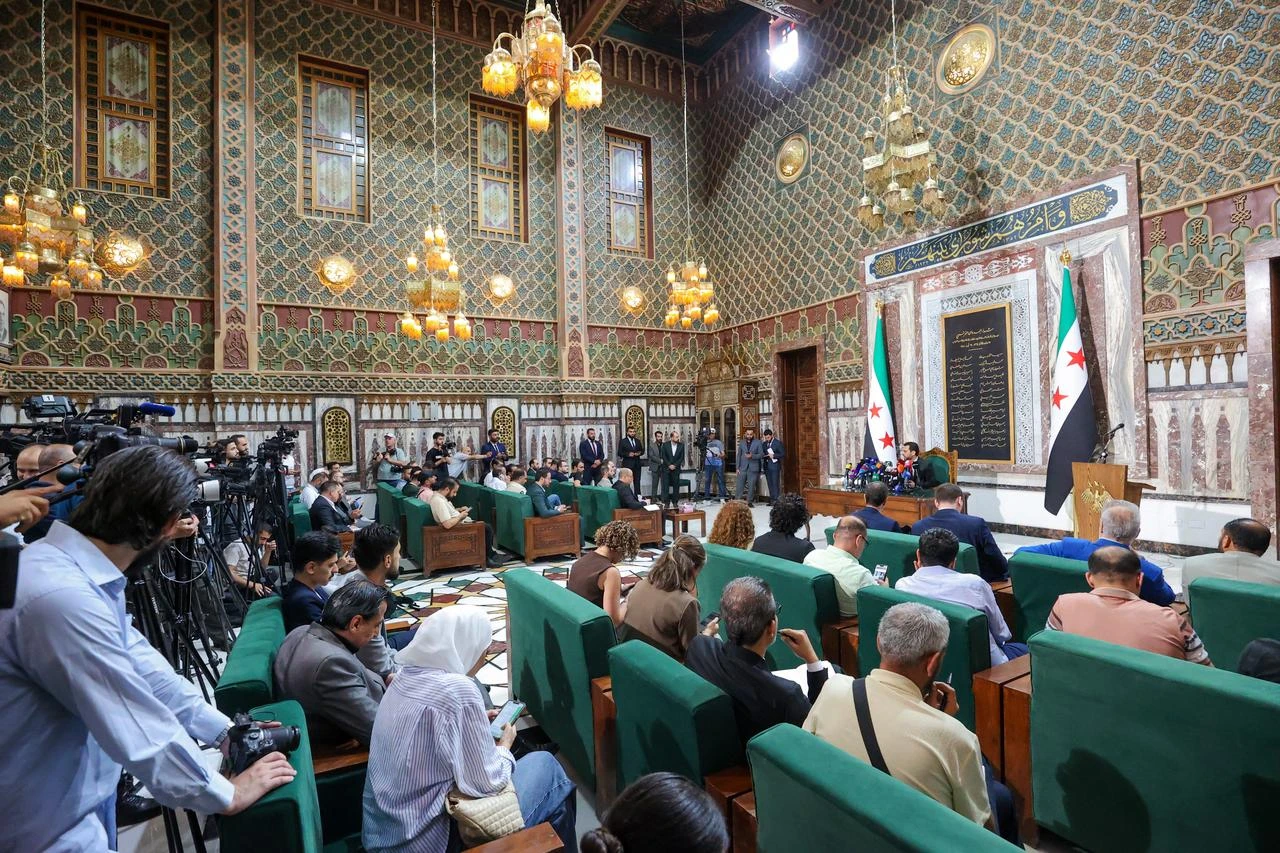

Another major angle for Turkish soft power in Syria is the ethnic groups of Turkmens and Kurds. As their kin, Türkiye can and has positioned itself as their guardians.
While the Syrian Turkmens unanimously see Türkiye as their main supporter, the Syrian Kurds were divided between those affiliated with the PKK and the mainstream Kurdish positions.
The mainstream Kurdish position is vastly represented by the Kurdish National Council (KNC).
The KNC sees the Iraqi Kurdistan Region as their main supporter but also acknowledges the Turkish role and sees Türkiye as an influential protector of Kurdish rights in Syria.
And if things continue as they stand today, the “Terror Free Process” in Türkiye and the integration process in Syria may change the attitude of PKK-affiliated Syrian Kurds toward Türkiye positively.
Looking at the 210-person parliament, the Syrian Turkmens are represented by seven members of parliament. The Syrian Kurds are represented by ten members of parliament.
Geographic concentration allowed Syrian Kurds to get in more than the Turkmens. Among the 10 Syrian Kurdish members of parliament, only two were appointed by Sharaa. And none of them are affiliated with the PKK.


 Set as preferred source
 Set as preferred source


 1 min read

 1 min read