Newsletters


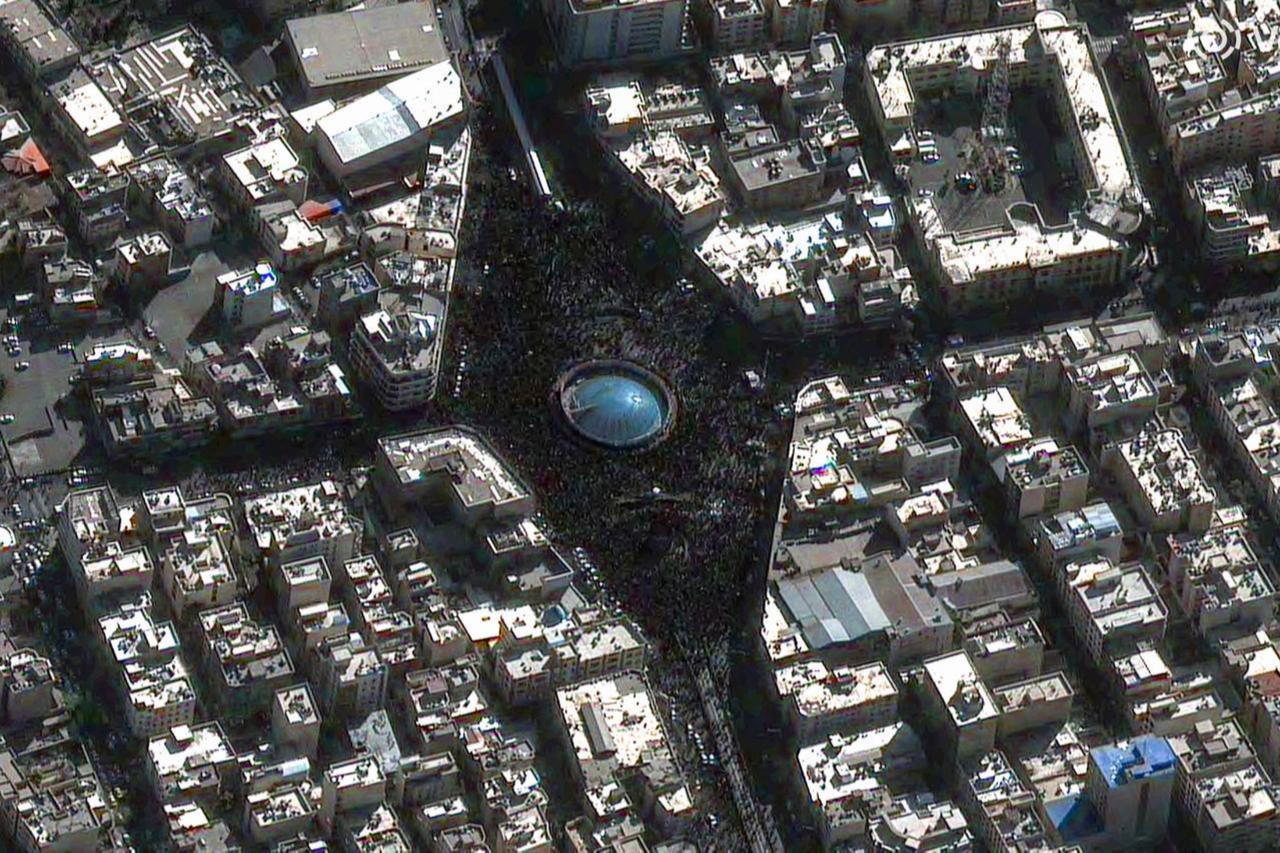


The second-to-last article of this column ended with the argument that “... the Middle East will remain suspended between deterrence and war, not because the actors lack clarity, but because their strategic dependencies are now too deeply intertwined to allow unilateral decisions without systemic consequences. A very crucial caveat, though: All the above analysis is based on the—very fragile—assumption that the U.S. president is a rational actor.”
Two weeks later, the author and the world got a response.
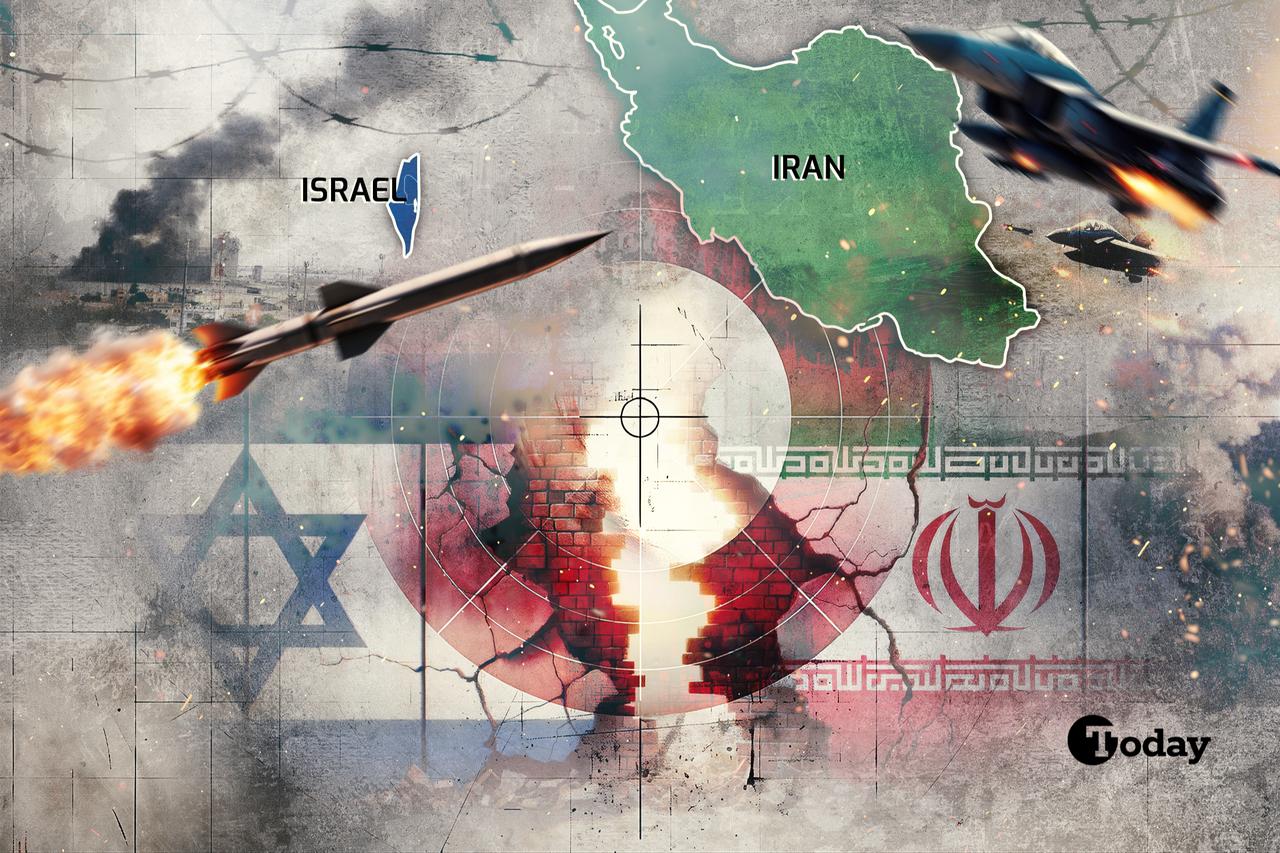
In the morning hours of Feb. 28, the United States and Israel launched a large-scale, coordinated attack on Iran. The aerial bombing campaign targeted Iran's civilian and military leadership, military infrastructure and strategic capabilities. The primary target was the Iranian Supreme Leader Ali Khamenei, along with commanders of the Iranian armed forces and Iran Revolutionary Guards Corps (IRGC). It was later revealed that a top-level meeting chaired by Khamanei prompted the U.S. and Israel to bring forward the start of the attack, which was scheduled for nighttime.
The first 48-hours of the war have already revealed more than the opening salvos of a regional conflict, and exposed a maturing operational grammar of 21st-century high-intensity warfare: One defined by paralysis strikes, distributed retaliation and the industrial logic of attrition at scale.
From the outset, the coalition campaign showed the signs of a carefully sequenced shock operation.
Leadership nodes in Tehran, as well as the air defense network, missile infrastructure, and drone depots, were reportedly struck in rapid succession. Footage on social media showed large numbers of U.S. BGM-109 Tomahawk cruise missiles, as well as F/A-18E/F Super Hornet and F-35C combat aircraft launching from the USS Abraham Lincoln aircraft carrier in the region, taking part in the operation.
The Israeli Air Force deployed F-35I, F-16I, and F-15 jets with stand-off precision guided weapon systems. Toward the end of the first day, it was evident that both countries were using a very large portfolio of combat and support aircraft, precision weapons, including cruise missiles.
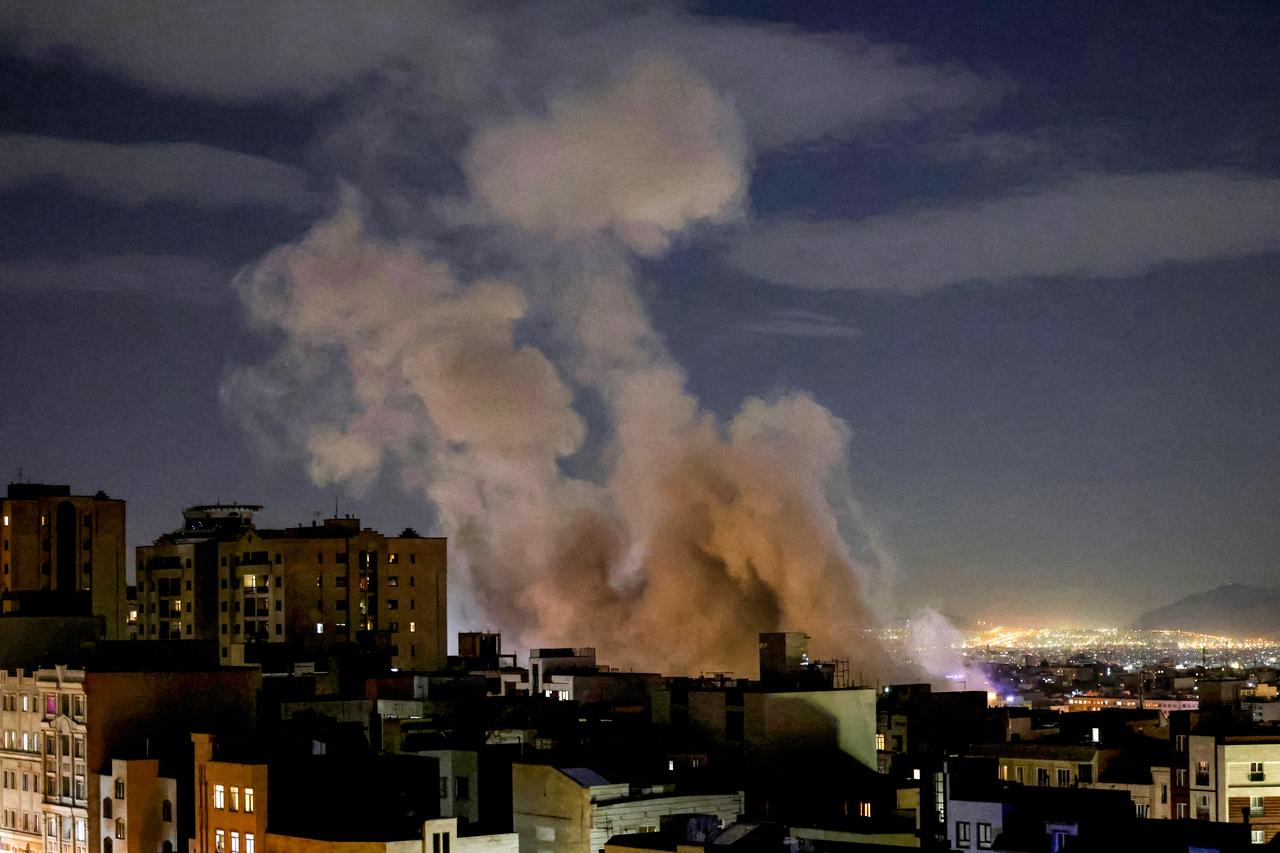

The logic is familiar from previous U.S. campaigns, yet the technology mix marks an evolution. Precision standoff weapons, most prominently Tomahawk cruise missiles launched from naval platforms, were central to the opening wave.
Reporting of a “black” Tomahawk variant, potentially linked to the Maritime Strike Tomahawk family with advanced seekers and two-way datalinks, suggests a deliberate emphasis on survivability and flexibility. This is no longer merely about land-attack precision; it is about cross-domain reach, including maritime targeting in contested littorals. The Precision Strike Missile (PrSM) also made its combat debut, hitting targets deep inside Iranian territory.
Yet perhaps the most significant signal was not the use of exquisite munitions, but the combat employment of low-cost one-way attack drones by U.S. forces. For years, Iran has leveraged attritable systems such as the Shahed-136 to compensate for conventional asymmetry. The United States’ apparent fielding of its own Low-cost Uncrewed Combat Attack System (LUCAS) drone formations indicates that attritable mass is no longer the preserve of revisionist powers. It has entered the mainstream of Western operational art. It is noteworthy that the LUCAS was first used during the raid on Venezuelan President Maduro weeks earlier.
Iran’s response was immediate and geographically distributed. Ballistic missiles and kamikaze drones targeted Israel, but also U.S. installations and partner territory across the Gulf: Bahrain, Kuwait, Qatar, the UAE, and Iraq. The strategic logic can be interpreted as an effort to widen the battlefield, multiply defensive obligations, and transform the coalition’s regional footprint into a liability.
In this respect, Iran’s retaliation was not purely punitive. By stretching air and missile defense networks across multiple nodes, Tehran is probably seeking to induce interceptor depletion and operational as well as psychological fatigue. Modern air and missile defense systems such as Patriot, THAAD, or naval Aegis systems are formidable but not infinite. Each engagement expends inventory. Each defended airport or base requires layered coverage. The contest becomes not simply one of accuracy, but of sustainability.
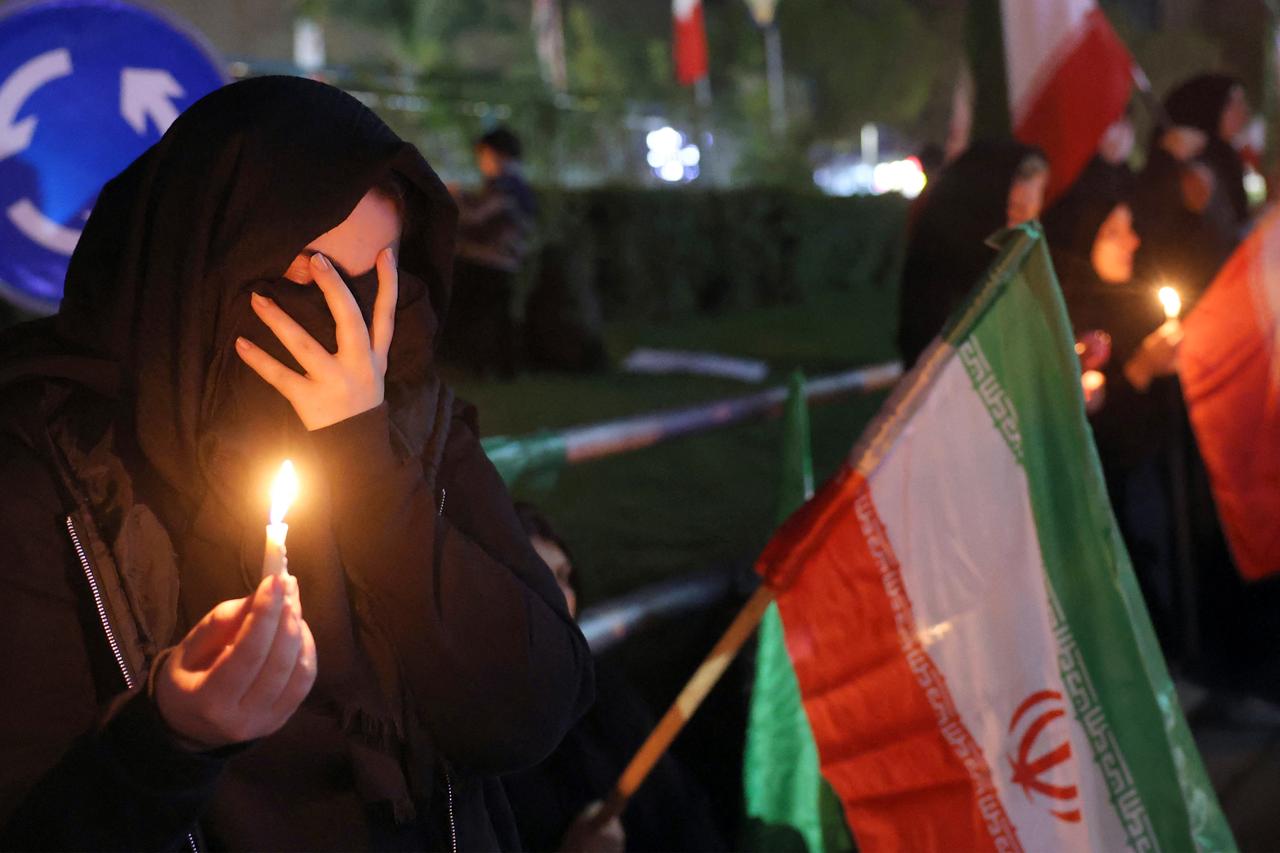
The operational center of gravity in such a war is therefore not only air superiority, but also stock endurance. How quickly can Iran regenerate missile salvos? How many transporter-erector-launcher (TEL) vehicles does Iran have? How effectively can coalition ISR assets detect and destroy mobile launchers? How rapidly can interceptors be replenished? These questions will determine whether the initial shock phase translates into a durable advantage or merely inaugurates a protracted exchange of fire.
The coalition’s early focus on missile launchers and storage sites reflects an acute awareness of this dynamic. Suppressing integrated air defense systems opens corridors for repeat strikes. Hunting TEL’s reduces raid density. Destroying drone depots constrains the saturation capacity. But mobile assets are notoriously resilient. Using a combination of mobile TEL's and solid-fuel ballistic missiles such as Fateh-110, Iran can effectively conduct "shoot-and-scoot" type attacks, and has already been doing so.
Iran’s geography, consisting of mountainous terrain, also complicates rapid neutralization. The U.S. and Israel are thus facing the challenge of shortening the "sensor-to-shooter" cycle. In the virtual absence of an effective air defense network due to successful SEAD/DEAD operations, conducting search-and-destroy sorties in Iranian airspace with manned and unmanned armed platforms is not inherently risky, but eliminating TEL's before they launch their missiles is a race against time.
In the virtual absence of an effective air defense network following successful SEAD/DEAD operations, conducting search-and-destroy sorties in Iranian airspace with manned and unmanned platforms is not inherently risky; however, eliminating TELs before they launch their missiles remains a race against time.
What emerges from the first 48 hours is a conflict that is simultaneously high-tech and industrial in character. Advanced seekers, datalinks and precision guidance coexist with mass-produced drones and ballistic missiles. The decisive variables are no longer confined to stealth platforms or elite units. They encompass production capacity, supply chains and the political will of regional partners suddenly exposed to direct fire.
But the ultimate question remains: what is the endgame for the U.S. and Israel?


 Set as preferred source
 Set as preferred source


 2 min read

 1 min read