

 Newsletters




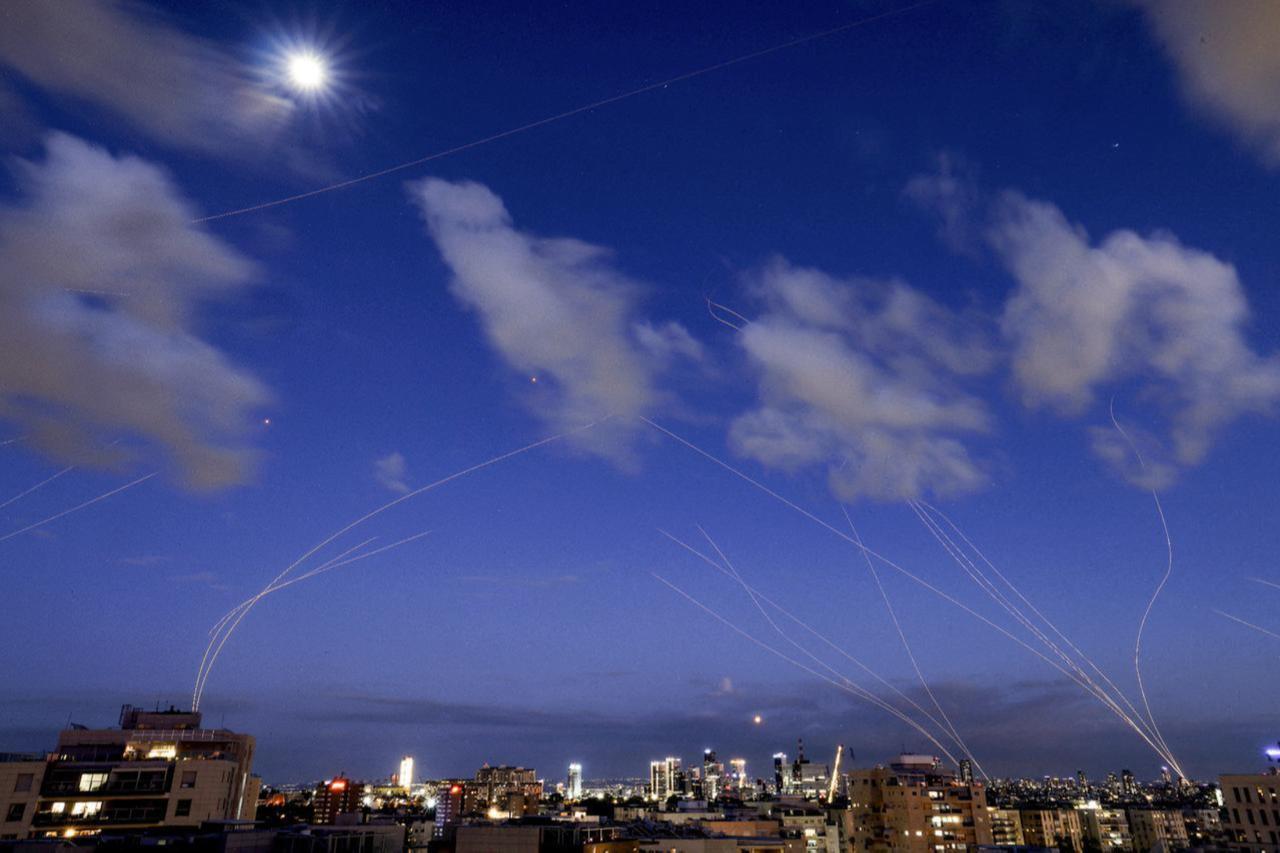
On Feb. 28, the United States and Israel unleashed a coordinated military campaign against Iran. Operating under the codenames "Roaring Lion" for Israel and "Operation Epic Fury" for the U.S., allied forces systematically dismantled military installations, air defense grids, and nuclear infrastructure across Tehran, Isfahan, Qom, Karaj and Kermanshah.
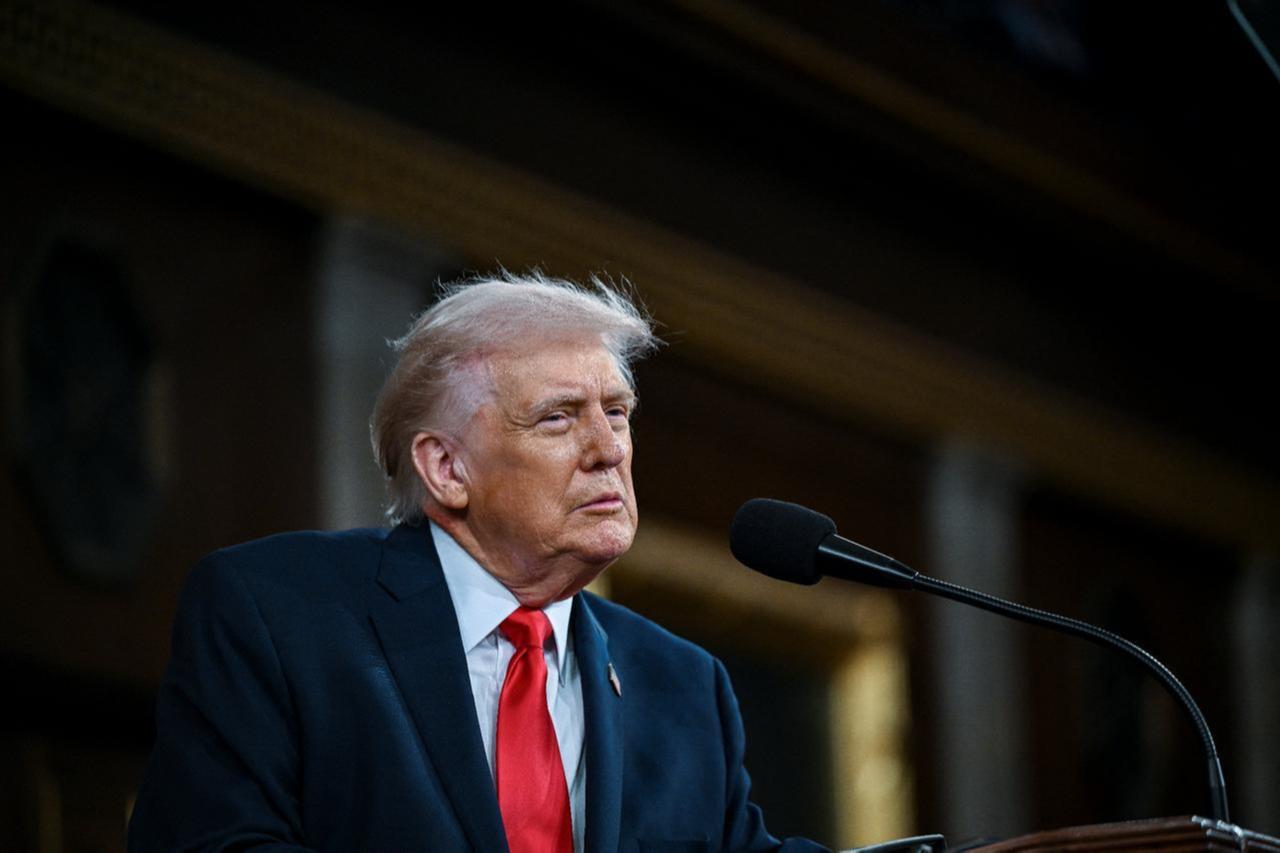
This didn't happen in a vacuum. The groundwork was laid during the 12-day war in June 2025, when U.S. B-2 bombers and Tomahawk missiles crippled the Natanz, Fordow and Isfahan nuclear sites. Leading up to last week's strikes, Washington executed its largest military buildup in the region since the 2003 invasion of Iraq. The writing was on the wall by Feb. 24, when President Trump used his State of the Union address to condemn Iran’s "sinister" push for a nuclear weapon.
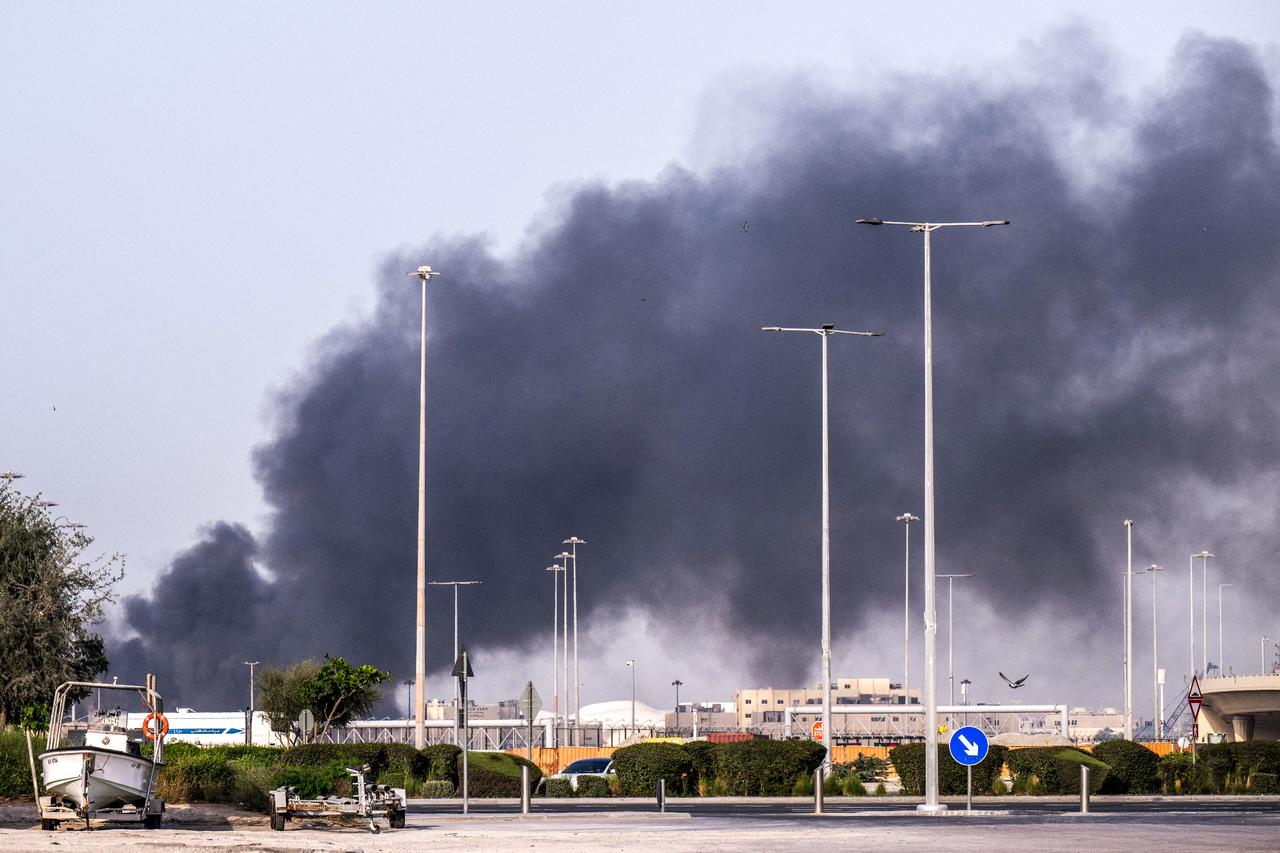
As Iran scrambled to retaliate—firing ballistic missiles and drones at U.S. bases, Israel, and allied targets across Bahrain, Kuwait, Qatar, the UAE, Iraq, and Saudi Arabia—a glaring question emerged: Where was China?
For all the hand-wringing in Washington about a burgeoning authoritarian axis, Beijing’s reaction fell spectacularly short of expectations.
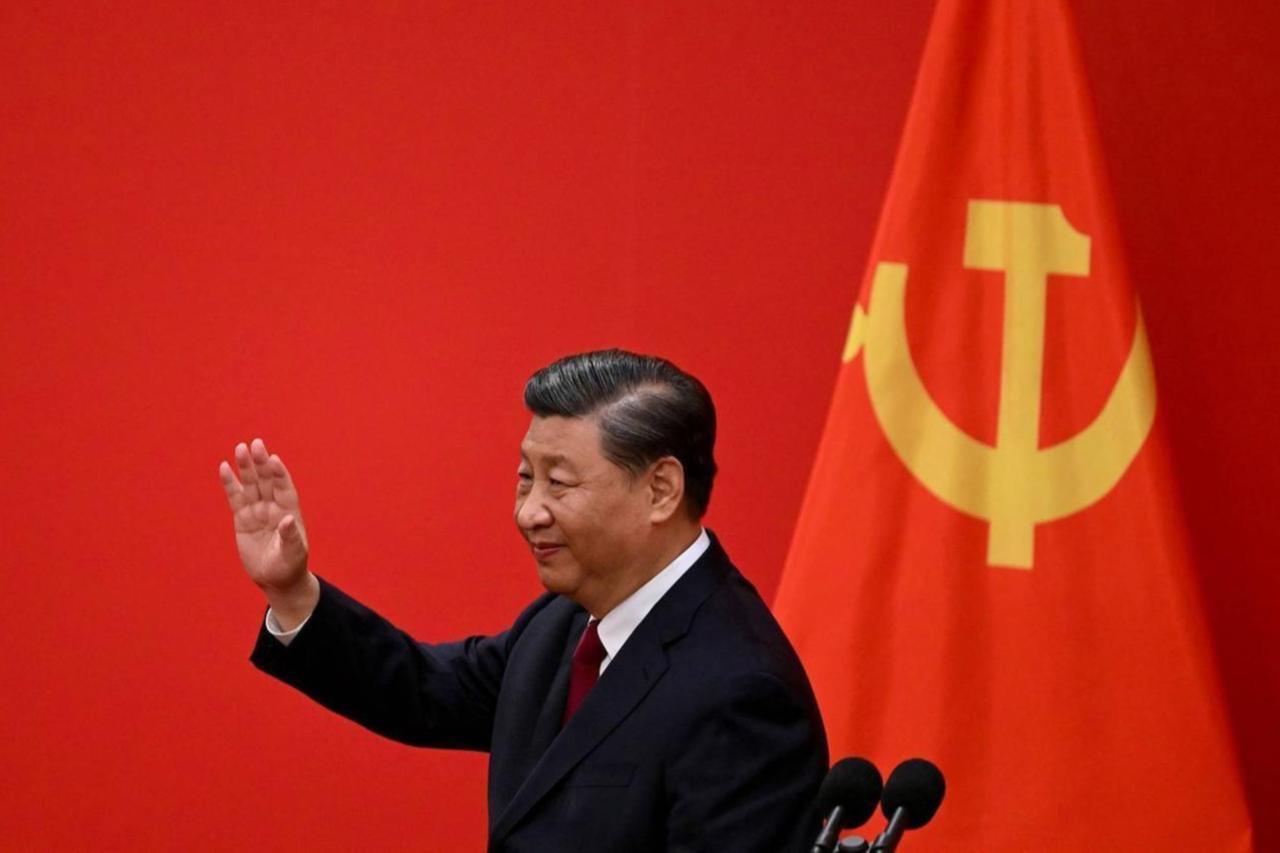
On the day of the strikes, China’s Foreign Ministry rolled out standard bureaucratic boilerplate. A spokesperson expressed "deep concern," urged respect for Iran’s sovereignty and territorial integrity, and called for an immediate halt to military operations and a return to dialogue. It was almost a carbon copy of the statement Beijing released during the June 2025 conflict.
The rhetoric leading up to the crisis was equally hollow. In early February, Foreign Ministry spokesperson Mao Ning voiced support for Iran’s national stability and legitimate rights. But that is where Beijing's backing ended. There was no military intervention, no 11th-hour diplomatic maneuvering, not even the threat of a U.N. Security Council veto.
The reality is that there is no mutual defense pact between Beijing and Tehran.
The 25-year Comprehensive Cooperation Agreement signed in 2021 is little more than an economic framework. It traded a promised $400 billion in Chinese investment across Iran's energy sectors for decades of heavily discounted oil. It contains zero mutual protection commitments.
Even the highly publicized trilateral strategic pact signed by Iran, China and Russia on Jan. 29 of this year didn't change the calculus. While it formalized naval drills, intelligence sharing and cyber cooperation, it glaringly omitted any automatic defense trigger akin to NATO’s Article 5. The pact is strictly consultative. Beijing designed it that way on purpose, systematically dodging binding security commitments to avoid getting dragged into the Middle East’s intractable wars.
But even if China wanted to intervene, it simply lacks the muscle to do so. Beijing’s footprint in the Middle East is modest, consisting of a single overseas base in Djibouti and periodic naval deployments for anti-piracy patrols. Between 2020 and 2024, China accounted for a meager 1.2% of the region’s arms imports.
China's blue-water navy is nowhere near capable of securing critical choke points like the Red Sea, the Bab el-Mandeb Strait, Hormuz, or the Eastern Mediterranean. It has no forward operating bases or integrated command structures in the region. As John Calabrese recently noted in ThinkChina, Beijing's economic presence simply hasn't translated into strategic power.
The logistics alone make intervention impossible; China hasn't fought a war since a brief border clash with Vietnam in 1979, and it lacks the rapid deployment capabilities to shift the outcome of a high-intensity conflict thousands of miles away.
Then there is the economic reality. In 2025, China bought more than 80% of Iran’s seaborne oil exports. But that volume only accounts for 13.5% of China’s total seaborne oil imports. More importantly, the primary buyers aren't state-owned giants; they are independent, low-margin teapot refineries clustered in Shandong province buying crude at an $8 to $10 per barrel discount. Beijing does not view these operations as a matter of national security. If Iranian supply goes offline, China can comfortably tap its strategic petroleum reserves while pivoting to alternative suppliers like Russia, Saudi Arabia, Iraq, Brazil, the UAE, and Oman. Frankly, even a total regime change in Tehran wouldn't fundamentally derail China’s broader Middle East strategy.
 1 min read
For Beijing, the cost of overtly backing Iran vastly outweighs the benefits. China is already locked in an intense economic struggle with the U.S., battling slowing domestic growth, a real estate meltdown, high youth unemployment and deflationary pressures. Throwing its weight behind Iran in an open conflict would trigger devastating secondary sanctions. Cheap Iranian crude is nice to have, but it cannot replace the American or European consumer markets.
Ultimately, flexibility and strategic ambiguity are the cornerstones of China’s Middle East playbook.
Beijing maintains lucrative economic and diplomatic ties with Saudi Arabia, the UAE, Israel, Egypt, and Iraq. Taking Iran’s side militarily would torch that delicate balance. The Gulf states, not Iran, are China’s true economic partners in the region. In 2024, the Middle East absorbed $39 billion in Belt and Road investments, a 102% year-over-year jump. Joint ventures between Saudi Aramco and Sinopec, along with massive investments by Gulf sovereign wealth funds in China’s petrochemical sector, have created structural economic ties that dwarf Beijing’s transactional relationship with Tehran.
Ultimately, the events of February 2026 have laid bare the true nature of Sino-Iranian relations. Beijing’s grand strategy is dictated by cold, hard economics and domestic stability, not ideological or political brotherhood.
While Washington policymakers may continue to fret over a unified authoritarian bloc, China has explicitly proven it has no intention of shedding blood, burning diplomatic bridges, or risking its fragile economy for Tehran. When the missiles flew, and the region braced for a broader war, Beijing did exactly what its pragmatic calculus demanded: it stepped back, issued empty platitudes, and watched from a safe distance.


 Set as preferred source
 Set as preferred source


 1 min read



