Newsletters


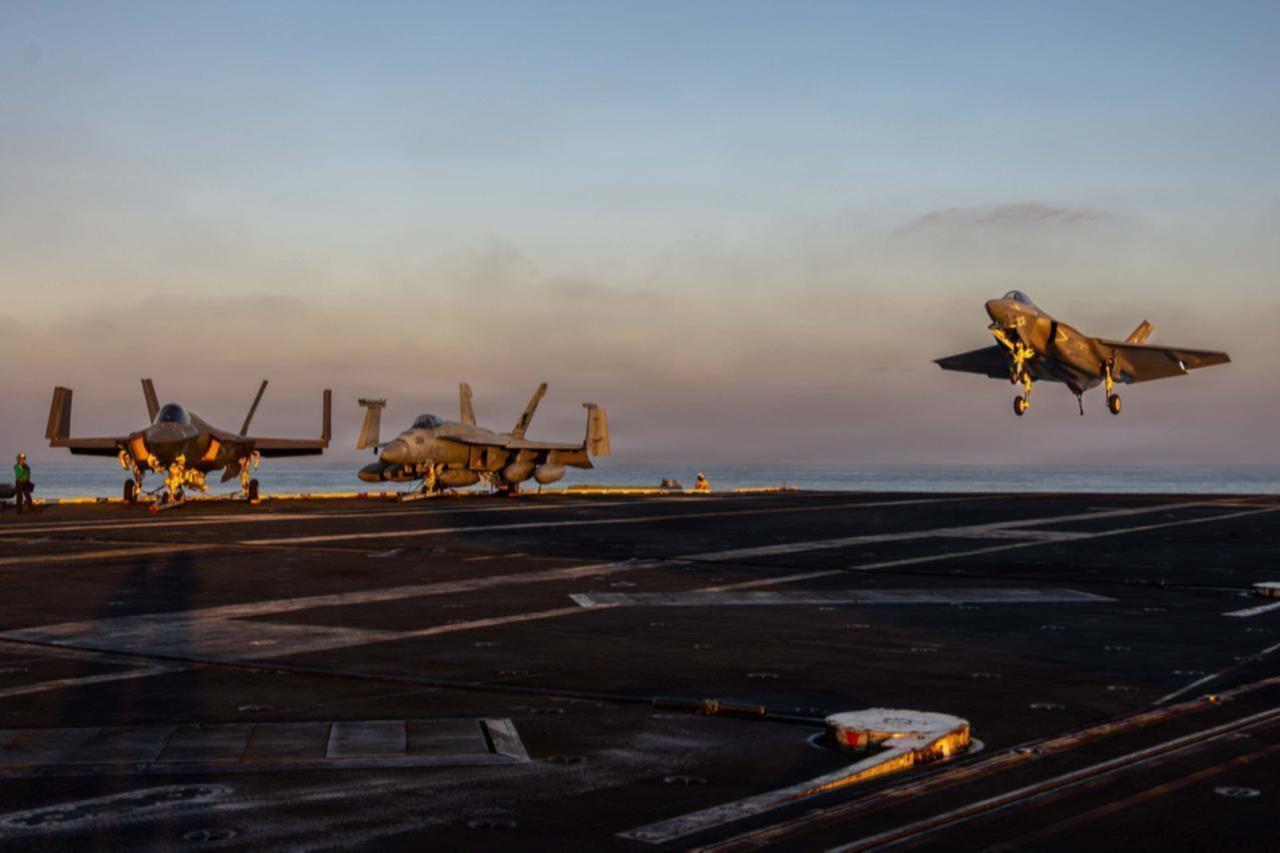


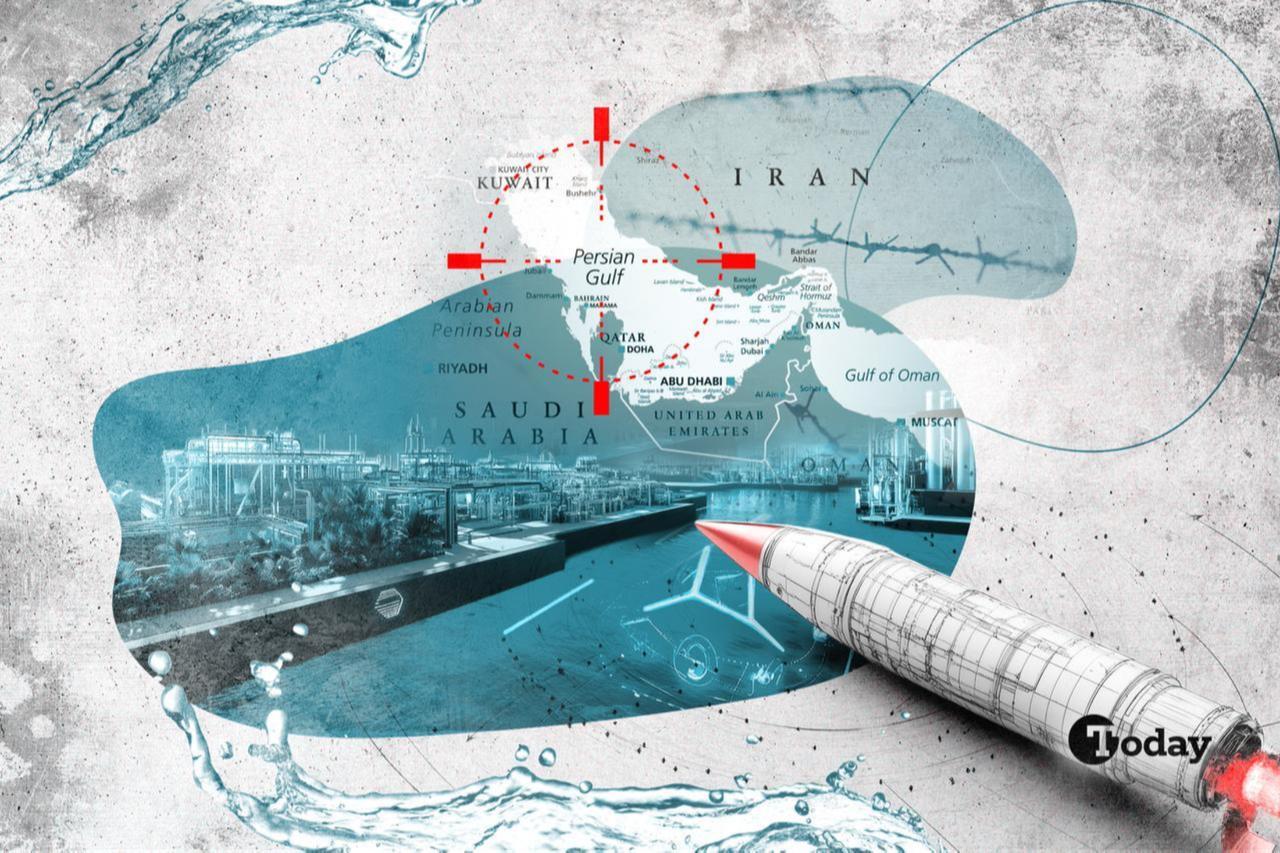
As Iran’s response to Operations Epic Fury and Roaring Lion continues to send shockwaves across the Arab Gulf, a need to reassess the region’s security architecture has emerged.
At the fundamental level, Arab Gulf states remain committed to their longstanding security partnerships with the United States. Initial speculation that the Gulf would reassess ties to the U.S. due to the impact of the war has had no real validity.
The United Arab Emirates (UAE) and Kuwait, two U.S. allies bearing the brunt of the conflict with Iran, will buy over $16 billion in military equipment from the U.S. under a newly approved arms deal.
The UAE’s diplomatic elite have reaffirmed ties to Washington and have made no indication that Iranian aggression is affecting their strategic thinking.
Abu Dhabi’s foreign policy czar, Anwar Gargash, asserted that the Iranian missile campaign only served to further the Gulf’s commitment to ties with the U.S.
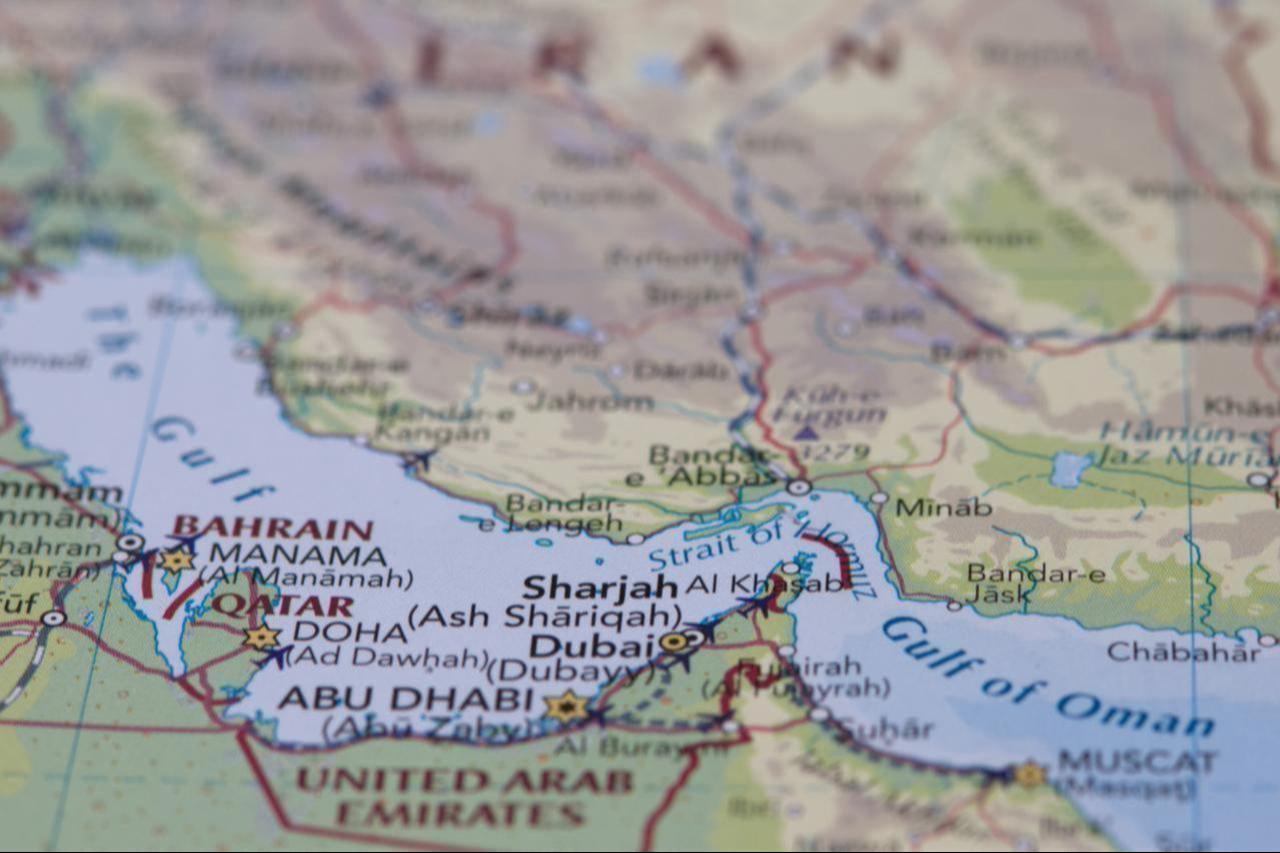

Türkiye is another interested party in the Gulf’s now-strained security architecture. For nearly a decade, Turkish forces have been stationed in Qatar in Ankara’s first-ever permanent military installation outside of its borders.
Today, the original deployment has broadened to include a joint aerial unit in addition to existing land forces.
Across the Gulf, Türkiye’s burgeoning military-industrial complex served as the crux for Ankara’s diplomatic breakthroughs with Abu Dhabi and Riyadh.
Currently, Saudi Arabia and the United Arab Emirates are among Türkiye’s largest defense clients and are reportedly expressing interest in upcoming Turkish defense products, including the domestically developed stealth fighter KAAN.
These factors notwithstanding, Türkiye was quick to show solidarity with the Gulf against Iranian aggression.
Though Ankara has pursued a policy of active neutrality, showcasing nuanced rhetoric by refraining from supporting U.S./Israeli strikes, the Turkish position on the Gulf’s security has been clear from the beginning.
President Erdoğan himself deemed the Iranian attacks unacceptable, and now, reportedly, Türkiye is engaging in backchannel talks with Iran to stop their bombardment of the Gulf.
Foreign Minister Hakan Fidan warned that Gulf states could move to the offensive if the Iranian threat persists, noting recent talks in Riyadh as a final warning.
The Arab Gulf has a special place in Türkiye’s raison d'état.
Türkiye has substantial economic links to the bloc. The UAE and Türkiye's Comprehensive Economic Partnership Agreement (CEPA) has generated more than $40 billion in net trade, establishing the Emirates as one of Türkiye’s most significant trading partners.
Ankara is also negotiating with the entire Gulf Cooperation Council (GCC) to establish a free trade agreement with the bloc as a whole.
Ascending bilateral links are grounded by a real political economy that generates a level of interconnectedness between Türkiye and the GCC. An elevated security partnership would be the next natural step.
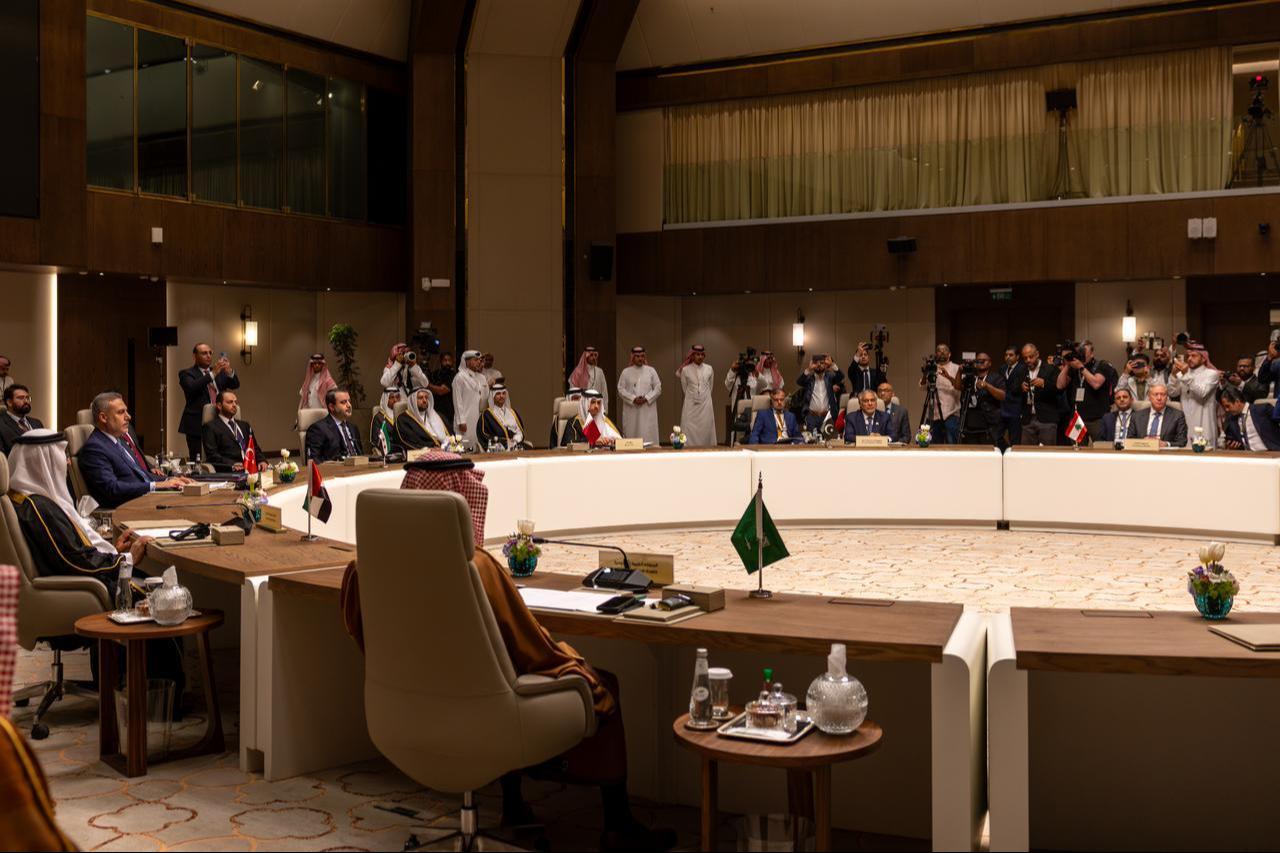
U.S. allies in the Middle East have recently been pondering a loose yet connected regional security mechanism that would serve as a common deterrent against the likes of Iran.
The Abraham Accords, coupled with the limited integration of Gulf air defense systems with those of Israel and regional U.S. systems, were incremental steps towards this goal.
Yet these developments have not reached fruition, and Saudi Arabia’s increasing distance from Israel due to the campaign in Gaza renders a Gulf-Israel alliance unlikely over the short and medium terms.
Türkiye is the only other U.S.-aligned security anchor in the region and, hence, a credible alternative to shepherd a regional alliance of like-minded states.
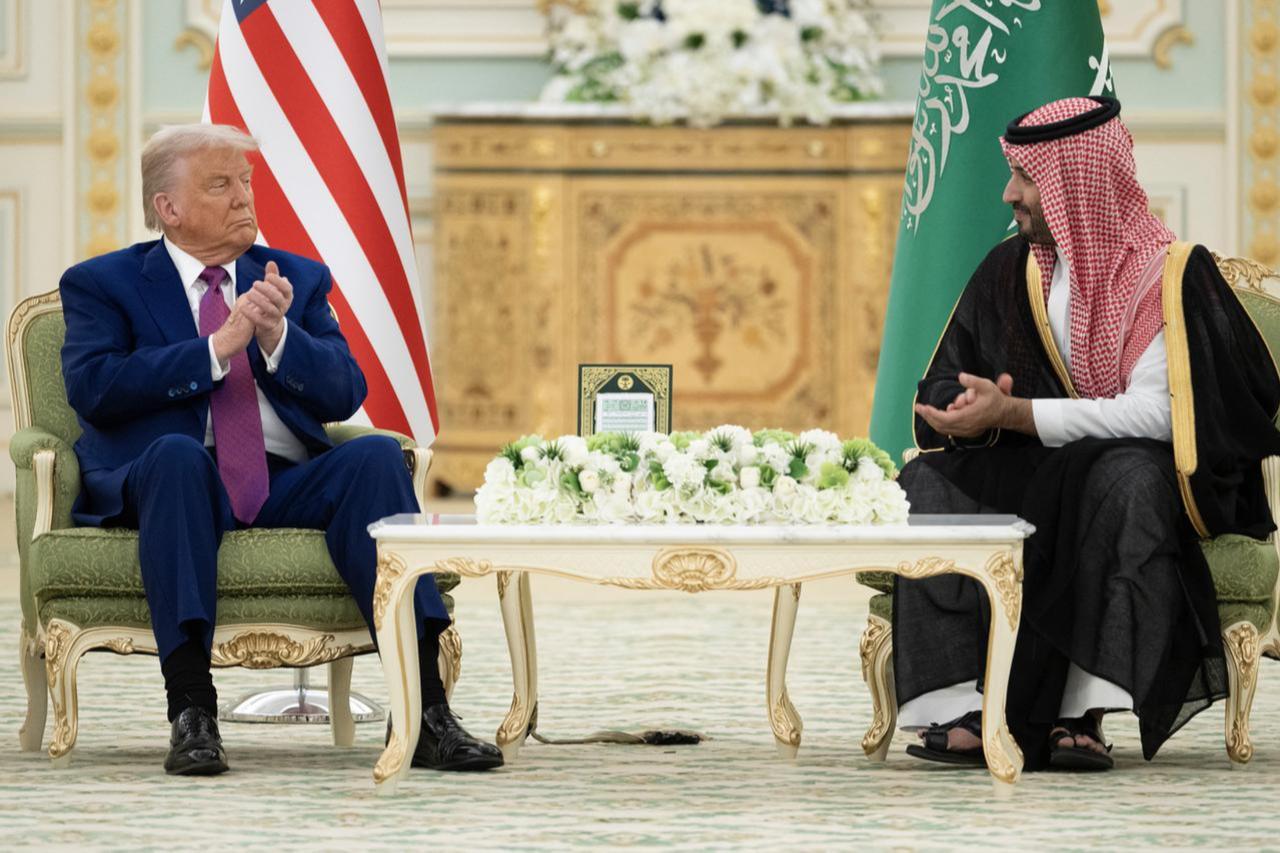
This looks increasingly more like a necessity rather than foreign policy adventurism. The U.S. views Gulf security as an essential leg of its wider regional presence, and the Gulf Arab states remain committed to their alliance with Washington.
Yet clearly, in the face of crisis, the region lacks a unified front to enforce deterrence.
Volatility in the Gulf is now entering its second month, unleashing a series of repercussions across markets and security calculations.
Security integration between the Gulf and Türkiye could avert such future scenarios.
Integration is likely to come in the form of linking air defense and early warning systems, coupled with a formalized consultative mechanism between the security establishments of Türkiye and each Gulf Arab state.
These efforts could easily be integrated with a common U.S. umbrella as well, further linking the Gulf to NATO systems.
The Gulf will inadvertently be seeking to diversify its security arrangements while keeping ties to the U.S. intact. In the current geopolitical matrix, there is no better alternative than Türkiye.
Integration serves Turkish interests as well, as it solidifies Ankara’s bid for regional leadership, aids in efforts to secure critical energy infrastructure, and sidelines Israel, pushing Gulf-Türkiye cohesion in lieu.
A formalized Türkiye-Gulf alliance looks both likely and favorable in the ensuing redesign of security in the Middle East.


 Set as preferred source
 Set as preferred source


 1 min read
 1 min read