Newsletters


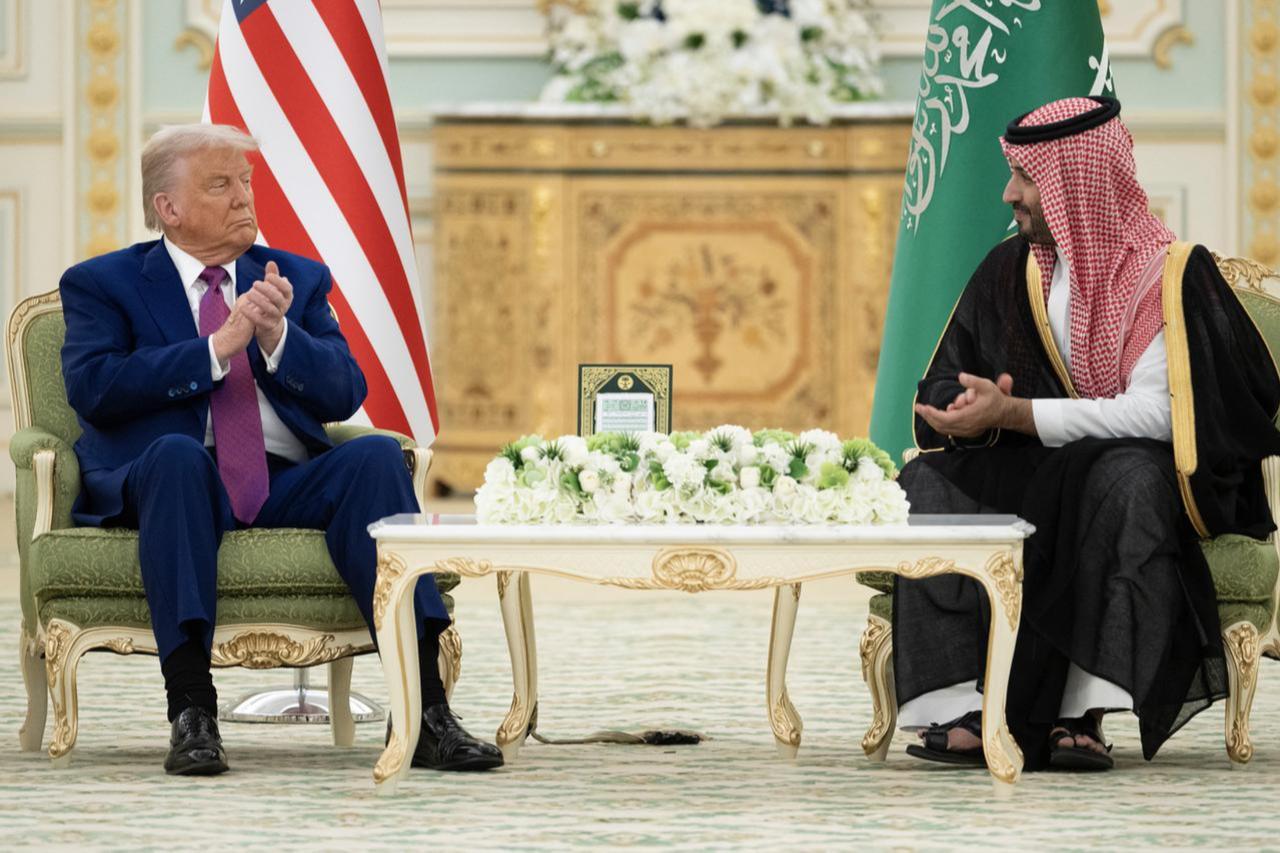


Saudi Crown Prince Mohammed bin Salman has urged Washington to continue strong military pressure on Iran, echoing advice long attributed to the late Saudi King Abdullah, according to a report by The New York Times.
Citing multiple officials, the report said the crown prince has advised U.S. President Donald Trump "to keep hitting the Iranians hard," reflecting the position repeatedly expressed by King Abdullah, who died in 2015.
The late Saudi monarch had urged Washington to “cut off the head of the snake,” meaning to attack Iran directly.
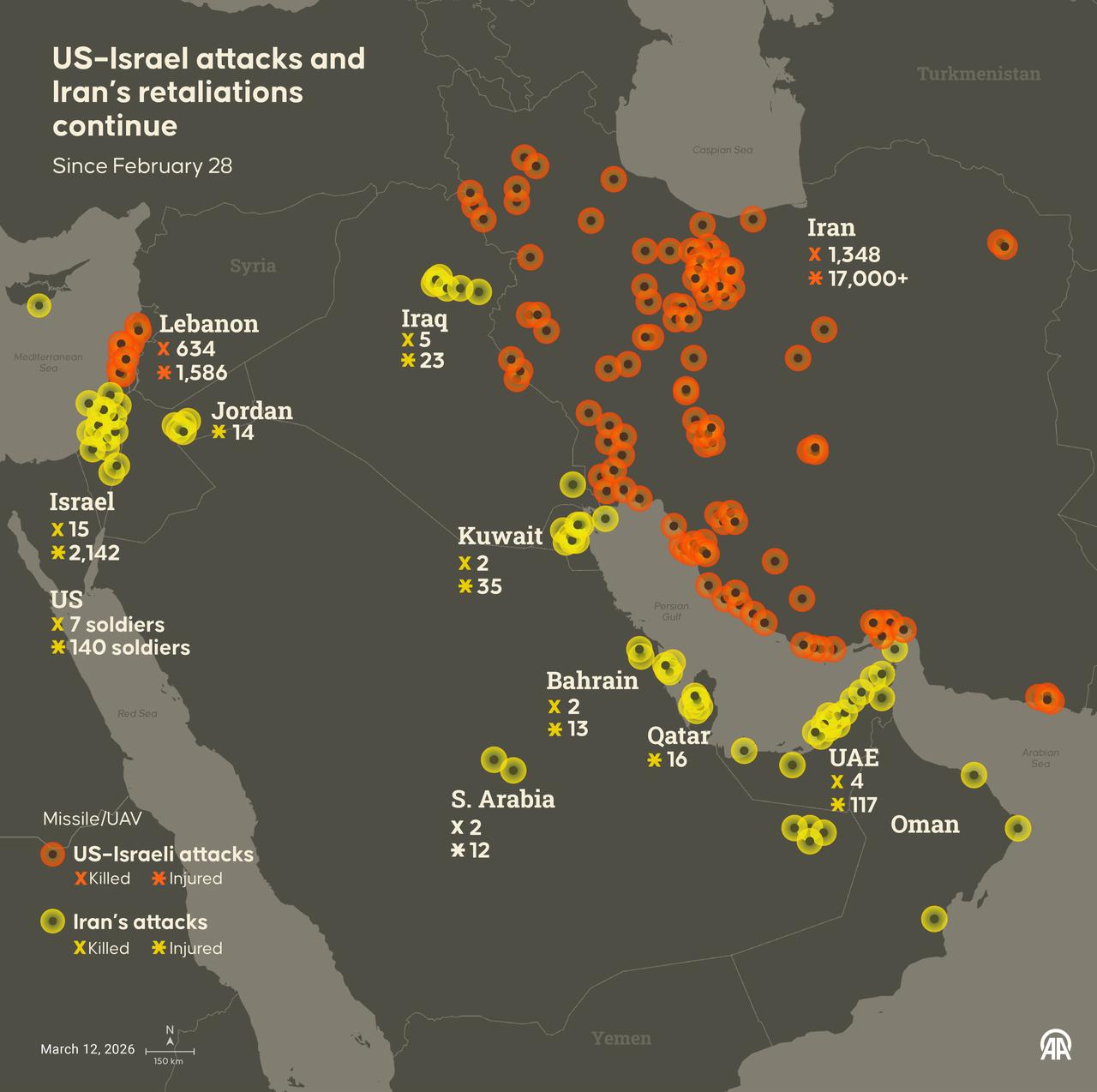
Hostilities have escalated since Feb. 28, when Israel and the United States launched joint attacks on Iran.
The strikes have killed more than 1,200 people, including then-Supreme Leader Ali Khamenei, according to Iranian authorities.
Iran has retaliated with drone and missile strikes targeting Israel, Jordan, Iraq and Gulf countries hosting U.S. military assets. Saudi Arabia has also been among the countries targeted.
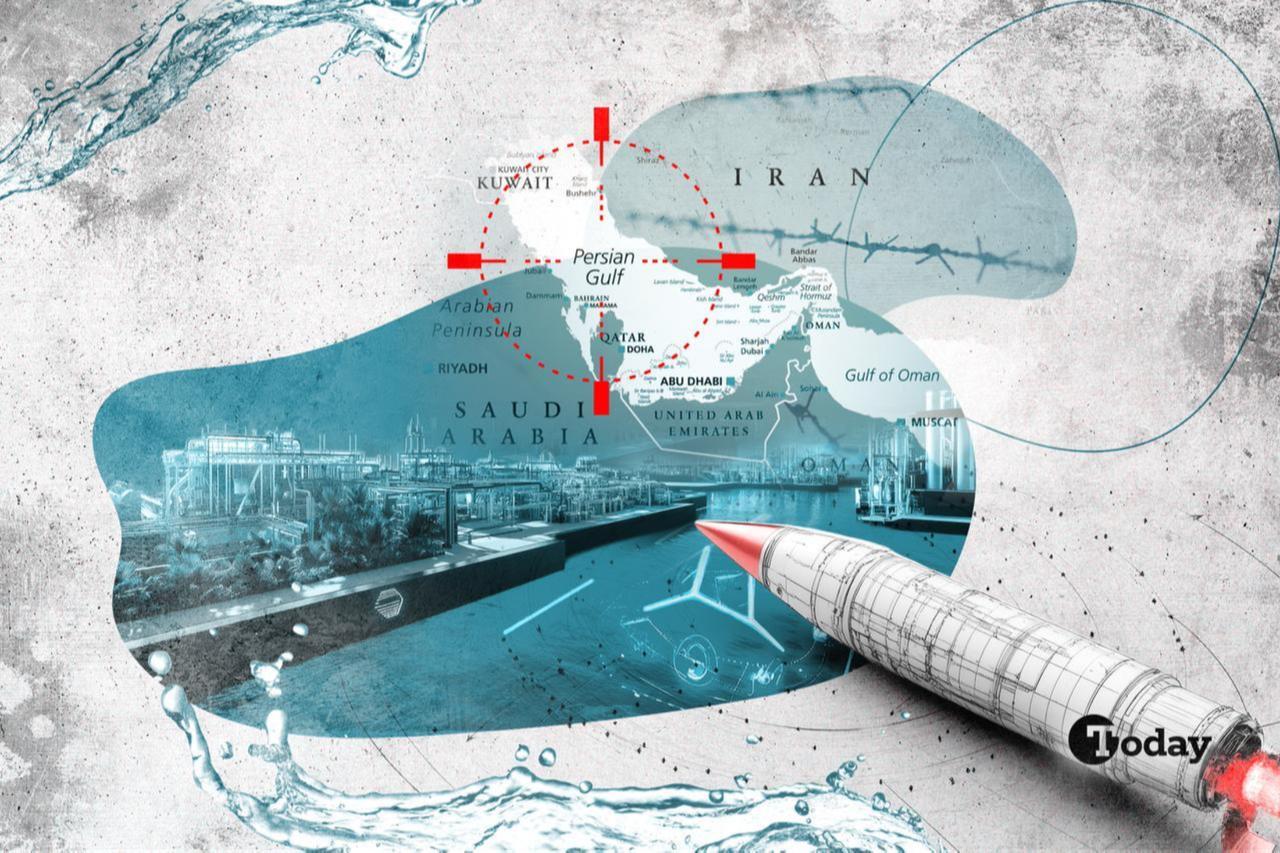
Tehran has also closed the Strait of Hormuz, a key transit route for oil tankers, driving up shipping and insurance costs and pushing global oil prices higher.

Saudi air defense systems intercepted and destroyed three additional drones over Riyadh and the Eastern Province, bringing the total number intercepted to 64 since early Monday, according to the Saudi Defense Ministry’s spokesperson on the social media platform X.
Earlier Monday, the Saudi Defense Ministry announced in separate posts on X that drones had been intercepted and destroyed over the Eastern Province.
In total, Saudi air defenses have shot down 64 drones across Riyadh and the Eastern Province since Monday morning, according to the statements.
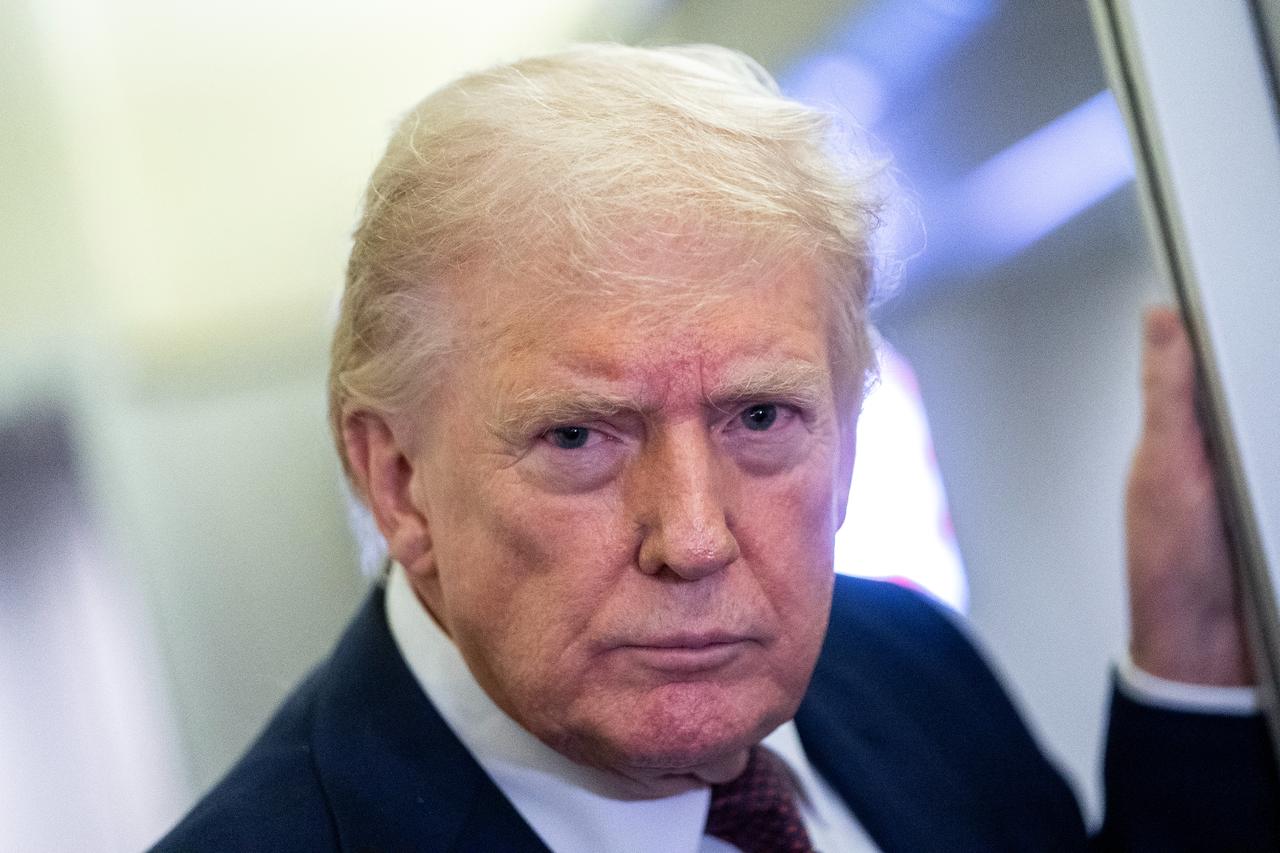
Meanwhile, Trump said Sunday that the United States is in talks with seven countries about securing the Strait of Hormuz.
Speaking to reporters aboard Air Force One about Operation Epic Fury, Trump said Washington had discussed cooperation with several countries to help police the strait.
He noted that China, which he said receives up to 90% of its maritime crude oil shipments through the waterway, had been invited to participate.
“They get most of their oil, they get a lot, about 90% from the strait. So I said ‘Would you like to come in?’ And we'll find out. Maybe they will, maybe they won't,” he said.
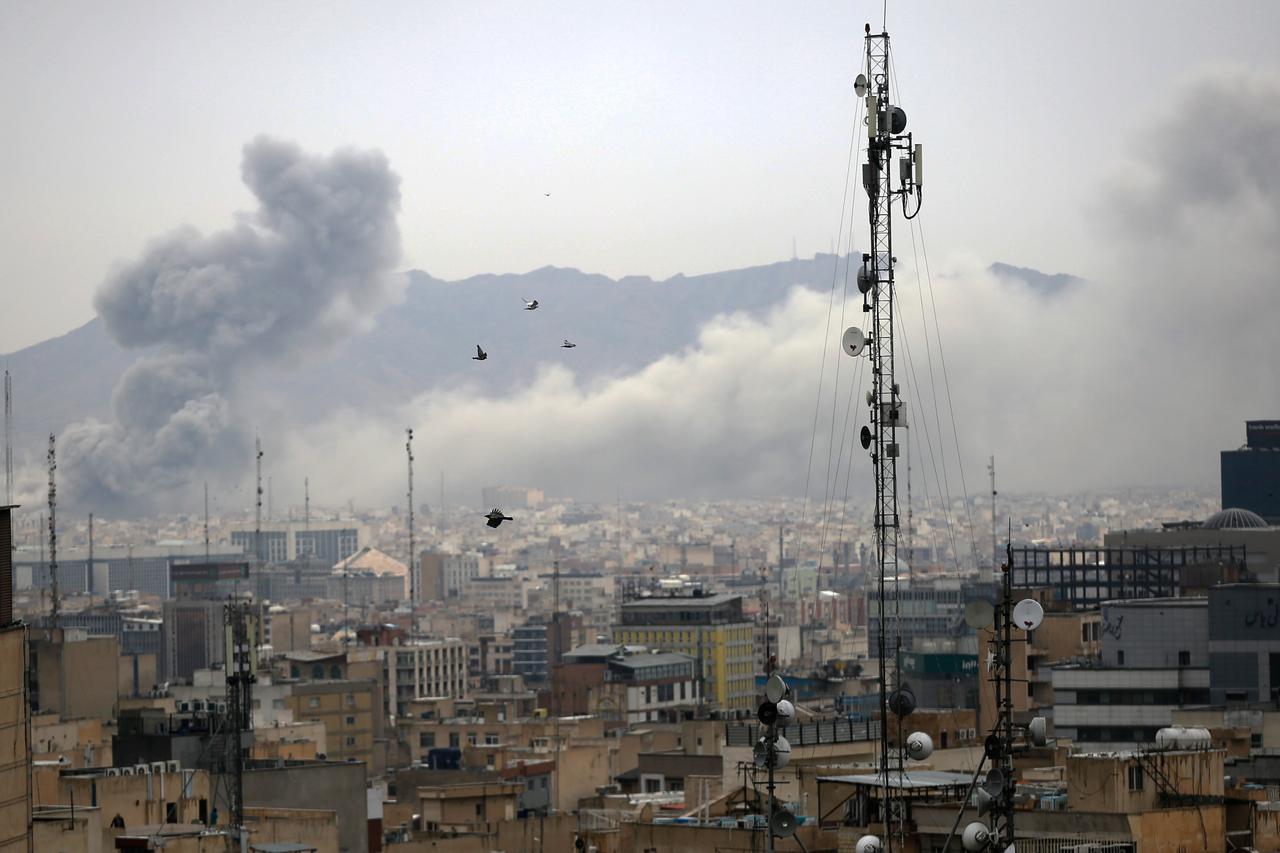
Trump also dismissed a video circulating on social media that appeared to show 250,000 people cheering Iran’s newly appointed Supreme Leader Mojtaba Khamenei.
“Totally AI-generated. It never took place. The media knew it didn't take place, but they built it up like they have great support. They don't have support,” he said.
He also said oil prices would fall once the conflict ends, adding that the war would end “pretty quickly.”
Separately, Trump said the United States could soon reach an agreement with Cuba or take other action.
“Cuba is a failed nation,” he said. “Cuba also wants to make a deal, and I think we will pretty soon either make a deal or do whatever we have to do.”
The Strait of Hormuz, a key maritime chokepoint between Iran to the north and Oman’s Musandam Peninsula to the south, is one of the world’s most important shipping lanes for oil and gas.
Iran has effectively closed the strait since early March following the launch of joint attacks by Israel and the United States on Feb. 28.
The strikes have killed around 1,300 people, including then-Supreme Leader Ali Khamenei, according to Iranian authorities.
Disruptions to shipping through the strait have pushed global oil and fertilizer prices higher, raising concerns about energy supplies and food costs.
Trump said Saturday that countries receiving oil through the strategic waterway should take responsibility for securing the passage, adding that the United States would assist. Earlier, he said U.S. Navy escorts for tankers transiting the strait could begin “soon.”


 Set as preferred source
 Set as preferred source


 1 min read
 1 min read