Newsletters


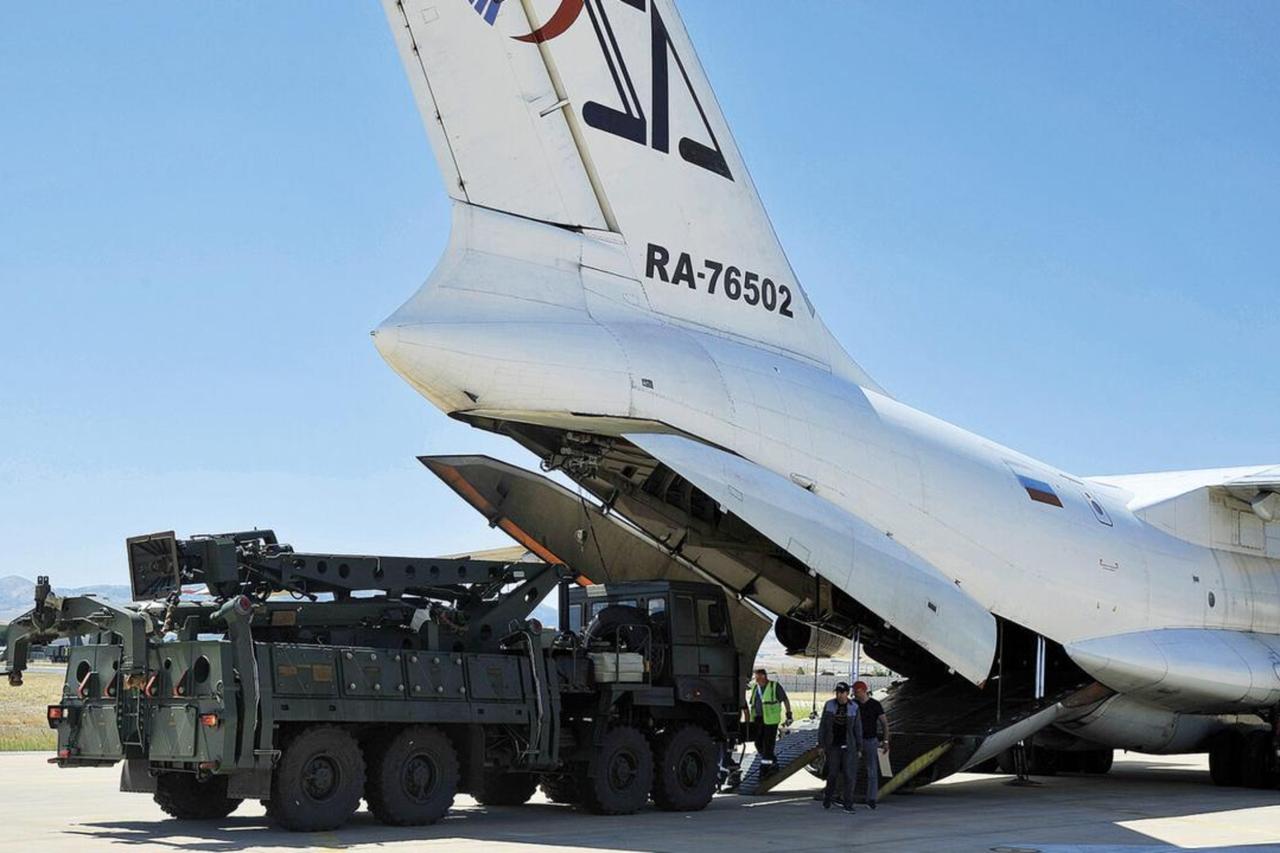


Even without official confirmation, rumors that Türkiye may be weighing the sale of its S-400 air-defense system to a third country warrant serious attention.
The system has become so closely associated with the deterioration of Turkish–American defense relations that any credible move toward its removal from Türkiye could signal preparations for a wider political accommodation with Washington and a possible reassessment of Türkiye’s position in the F-35 program.
Türkiye's search for a long-range air and missile defense system began well before the decision to acquire the S-400. From the 1990s onward, the growing prominence of the ballistic missile threat pushed Ankara to address a major gap in its national air defense architecture.
Under the T-LORAMIDS tender launched in 2009, Türkiye evaluated the U.S. Patriot, the Russian Aney 2500, the Franco-Italian SAMP/T, and the Chinese FD-2000.
In 2013, Türkiye selected the Chinese system, judging it more advantageous in terms of cost, technology transfer, and co-production. However, concerns over NATO interoperability, security implications and political pressure prevented the decision from being converted into a contract, and the tender was cancelled in 2015.
The underlying problem remained unchanged: Türkiye wanted an air-defense system—not merely an off-the-shelf product, but access to the underlying technology and the greatest possible degree of operational independence.
Negotiations with Russia gained momentum during a period when Türkiye’s relations with its Western allies were under considerable strain, while the Syrian war and the failed coup attempt of July 15, 2016, had significantly altered Ankara’s threat perceptions.
Türkiye and Russia signed an agreement in 2017 for the procurement of two S-400 systems, with the approximately $2.5 billion purchase partly financed through a Russian loan.
From Ankara’s perspective, the S-400 decision was not simply a technical procurement choice. It reflected a combination of frustration with the perceived failure of Western allies to meet Türkiye’s urgent air defense requirements on acceptable terms, the political rapprochement with Russia, and a broader desire to diversify defense procurement.
Over time, however, it became increasingly clear that the technology-transfer and co-production elements of the agreement were more limited than initially presented, particularly as these issues emerged as a major point of contention in discussions over a possible second batch.
The arrival of the first S-400 components in Türkiye in July 2019 transformed the issue from a defense procurement program into one of the most serious crises in Turkish–U.S. relations.
Washington argued that the S-400’s sensors could collect information on the F-35’s low-observable characteristics and that operating a Russian system alongside NATO infrastructure would create unacceptable security risks.
Türkiye responded that the system could be operated independently, proposed the establishment of a joint technical commission and maintained that no satisfactory Patriot offer had been provided for years.
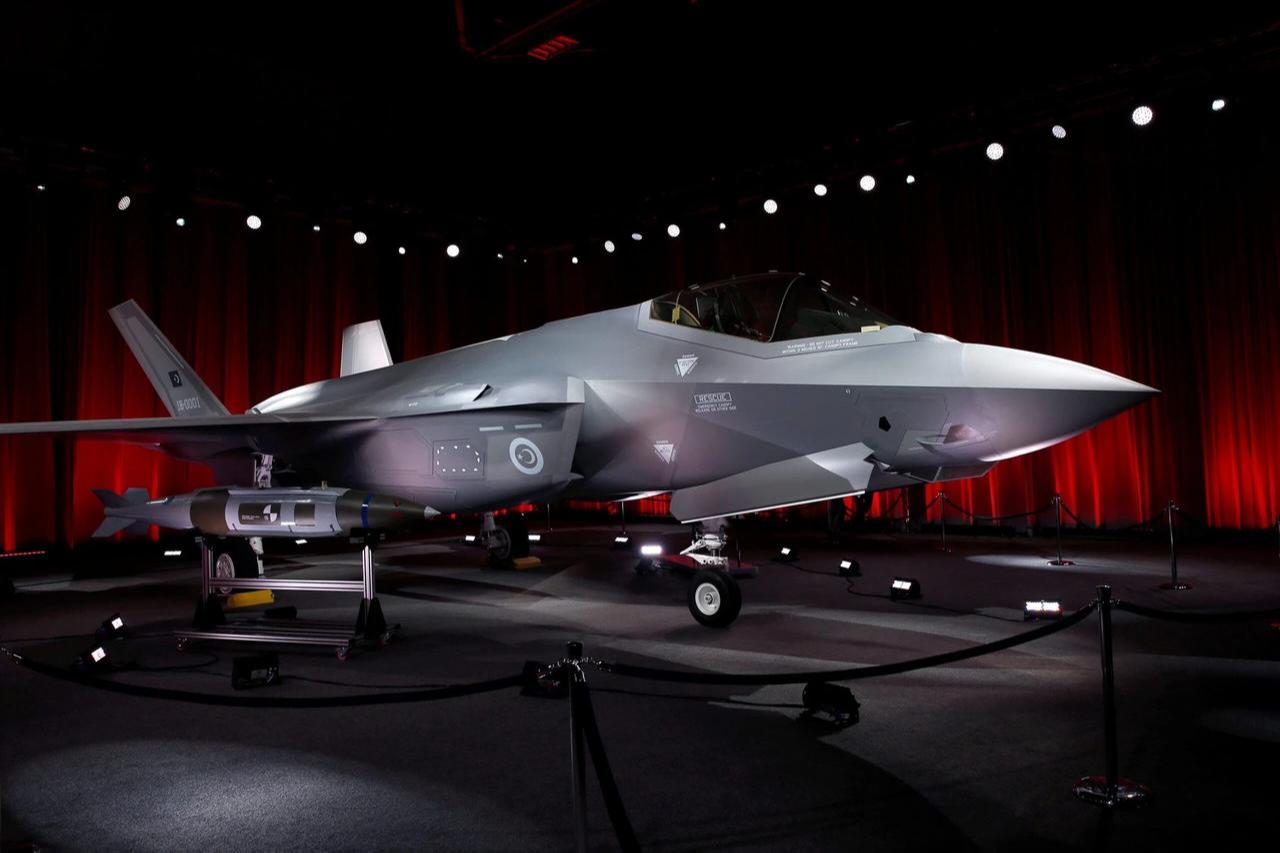
Nevertheless, Türkiye was removed from the F-35 program in 2019, and in 2020, the Presidency of Defense Industries (SSB) and several officials were subjected to CAATSA sanctions.
The S-400, therefore, provided Türkiye with a powerful but isolated air defense capability, while also generating substantial strategic costs, including the loss of the F-35, sanctions, and a further erosion of trust in defense-industrial relations with the West.
The S-400 case should therefore be assessed not merely in terms of which missile system Türkiye purchased, but as a broader test of how Ankara manages the balance between its security requirements, its search for strategic autonomy, and its alliance commitments.
The FY2020 National Defense Authorization Act (NDAA 2020), signed into law in December 2019, effectively formalized Türkiye’s exclusion from the F-35 program following the delivery of the Russian S-400 system.
Section 1245 prohibited the U.S. Department of Defense from transferring F-35 aircraft, related equipment, and parts to Türkiye; providing the technical data or material support needed to establish a Turkish F-35 maintenance capability; or constructing and supporting facilities for storing F-35s in Türkiye.
In other words, the legislation went beyond withholding the aircraft themselves and blocked the principal elements required for Türkiye to operate and sustain the platform. It placed the earlier executive decision to suspend Türkiye from the program in July 2019 on a statutory basis.
The prohibition could be waived only if the U.S. Secretaries of Defense and State jointly certified to Congress that Türkiye had met three conditions:
Even after such certification, the waiver could not take effect immediately: Congress was given a 90-day review period. The important point is that the NDAA did not merely require Türkiye to keep the S-400 inactive, unassembled, or outside NATO networks. The first condition was framed in terms of ending possession altogether, including the system’s associated equipment and personnel.
The legislation, therefore, transformed the dispute from a technical question about the simultaneous operation of the S-400 and F-35 into a more rigid political and legal choice between retaining the Russian system and restoring access to the F-35 program.

The potential transfer of Türkiye’s S-400 systems to a third country cannot be treated as an ordinary arms transaction.
Under the end-user provisions of the original contract, Ankara would require Moscow’s consent, and Russia would be unlikely to grant that consent without extracting a political or strategic return. This could involve assurances regarding the identity of the buyer, restrictions preventing U.S. or NATO specialists from gaining access to the system, or Turkish concessions in other areas of the bilateral relationship, including Syria, energy, trade, or defense cooperation. Yet the greater significance lies elsewhere.
The S-400 has acquired a political weight far exceeding its military utility: It has become the principal symbol of the deterioration in Turkish–American defense relations. Its removal from Türkiye, therefore, could signal not merely the disposal of an air-defense system, but the beginning of a wider strategic accommodation between Ankara and Washington. Russia has confirmed that it remains in contact with Türkiye over the system’s future, describing the issue as highly sensitive.
Such a shift would coincide with another important development: the proposed U.S. sale of F110 engines for the KAAN combat aircraft. Following the formal congressional notification in June 2026 and the completion of the statutory review period, the transaction is in the implementation phase, despite attempts by individual lawmakers to block it.
If Türkiye were subsequently able to take delivery of the six F-35s already produced for it and place follow-on orders, the combined effect would extend well beyond the acquisition of additional aircraft.
Access to the F-35, continued U.S. support for KAAN’s initial production phase, and the removal of the S-400 obstacle would strengthen Türkiye’s position within NATO at a time when the Russia–Ukraine war and the continuing Iran crisis are increasing the alliance’s dependence on Turkish geography, military capacity, and defense-industrial capabilities.
In that sense, the issue may mark the opening of a different period—one in which Ankara’s pursuit of strategic autonomy is no longer defined primarily through friction with its allies, but through a stronger and more consequential position within the alliance itself.


 Set as preferred source
 Set as preferred source


 7 min read