Newsletters


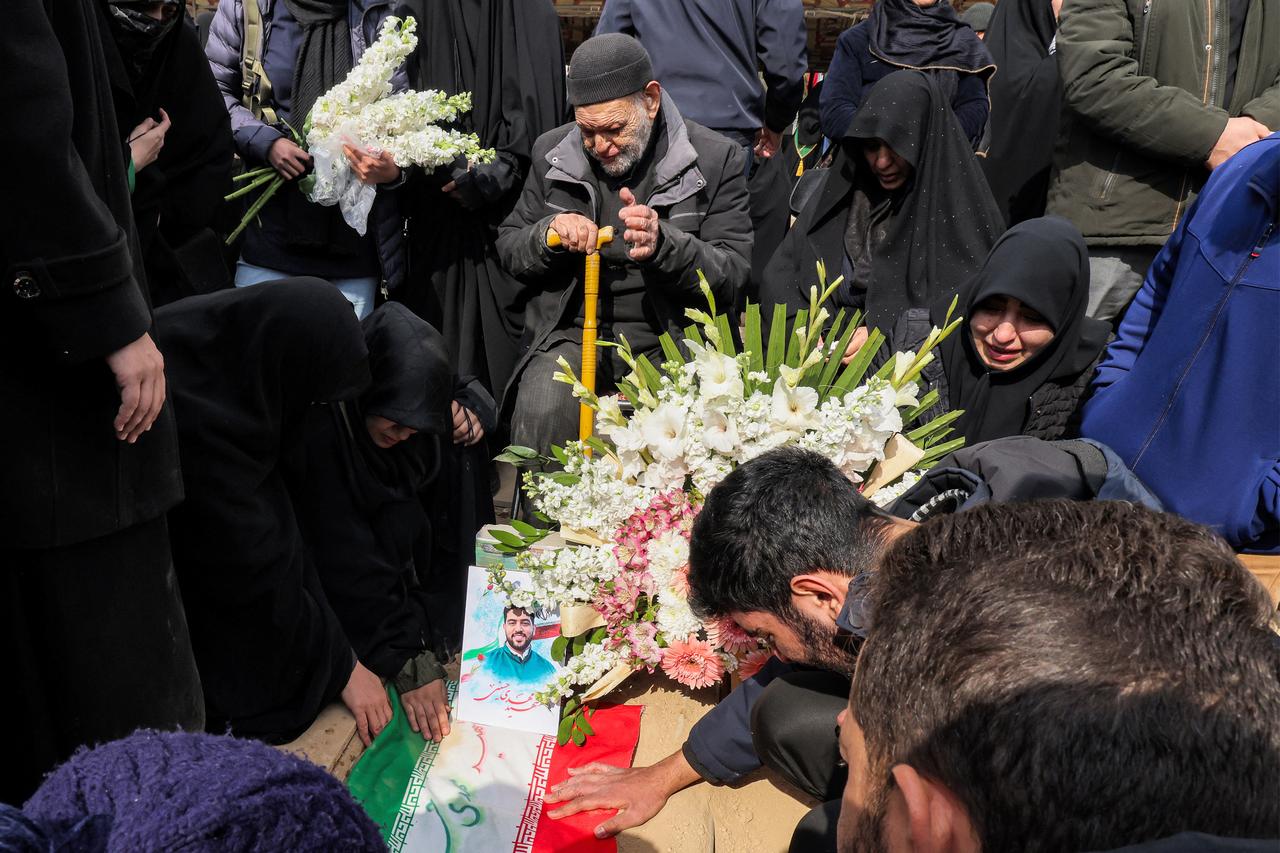


The ongoing war on Iran is increasingly dividing the Iranian diaspora along deepening faultlines as it drags on. Most despise the regime, but they begin to disagree when faced with the possible cost of toppling it.
The Iranian diaspora is often highly "opinionated" when it comes to Iranian politics.
Most of them had to leave Iran under difficult circumstances, and many even had to flee for their lives. They have strong views on the state of things in their native country. We are also talking about a large number of people. According to official estimates, more than 4 million Iranians live abroad, around 3 million of them in Western countries. The United States hosts the largest community, estimated at between 600,000 and 1 million.
Türkiye is also home to over 100,000 Iranians. Such a population alone can make itself heard in many Western capitals. Nowadays, regardless of their views on Iran, they share a common concern. Most have difficulty reaching their loved ones back in Iran. They can be safe in Paris or California, but their family and friends in Tehran are clearly not. They see the civilian casualties. They see the cultural heritage of their country under threat. Following the damage of the Golestan Palace in Tehran, one of Isfahan’s most cherished monuments, Chel-Sotoun also suffered from an airstrike hitting nearby. They are in distress as a social group.
The first division in the diaspora is between pro- and anti-regime groups. Pro-regime groups do exist in the West, too, although they are smaller and less outspoken. They are not part of the main diaspora discourse. The main fault line among Iranians, in fact, appears when it comes to the means of toppling the regime and foreign intervention.
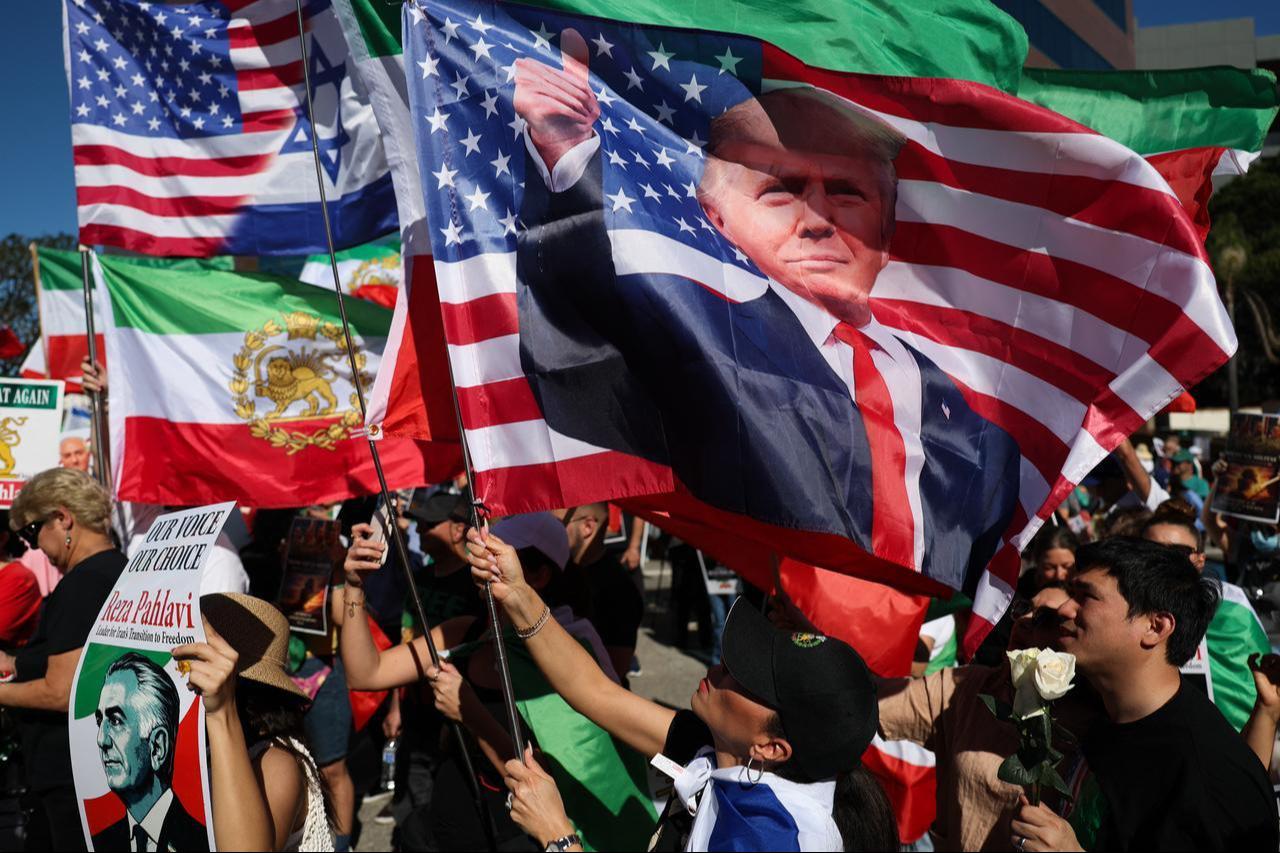

There are many Iranians who support military strikes against the regime. They make a clear distinction between the country and the regime.
For them, hitting regime elements must be differentiated from attacking Iran. The blows against the regime from their point of view are necessary to save Iran from a brutal and corrupt dictatorship. When they make such a distinction, they can legitimize American and Israeli actions. During demonstrations before the war, they called on President Trump to act. They were against a deal with the regime.
Shortly after the start of U.S. bombings, they celebrated the assassination of the Supreme Leader Ali Khamenei. They see the casualties as a price to be paid for the country to leave the regime behind. They argue that Iran cannot be changed through internal pressure, pointing to years of protests and social movements that have been violently suppressed.
On the other hand, their attitude has its critics among the diaspora as well.
They are against the regime as fervently as those who support military action against Iran. However, they remain deeply concerned about the heavy toll the conflict is taking on the Iranian people.
Secondly, they are concerned about the stability and unity of the country. Anti-war supporters also argue that foreign interventions are likely to make the political situation in Iran worse, not better.
A poll conducted last year suggested that 53% of Iranian-Americans were against a war for regime change. They believe the change in Iran should and can still come from Iranian society. Sometimes they face accusations of being pro-regime by those who support foreign intervention.
The diaspora is also divided over a potential regime change. Some support Reza Pahlavi and hope for his reinstatement as Shah, a position more popular among those who favor military intervention. Nevertheless, he is not a unifying figure the way Khomeini was during the Islamic Revolution. There is a strong republican vein among Iranian dissidents as well. The republicans argue that a new regime in Iran should be determined solely by the Iranian society.
The questions of war, peace and regime change remain unanswered in Iran, and debates within the diaspora are unlikely to end anytime soon.


 Set as preferred source
 Set as preferred source


 2 min read
 1 min read