Newsletters


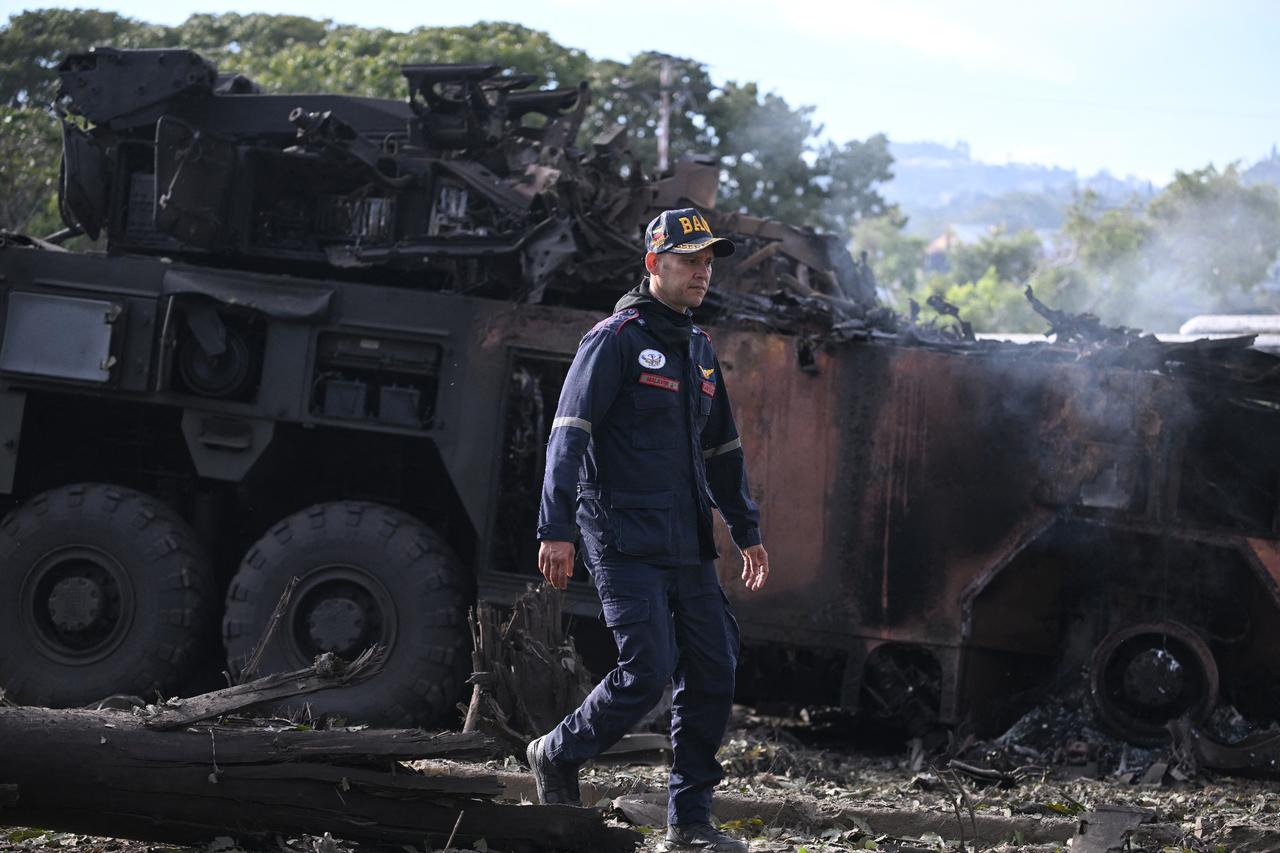


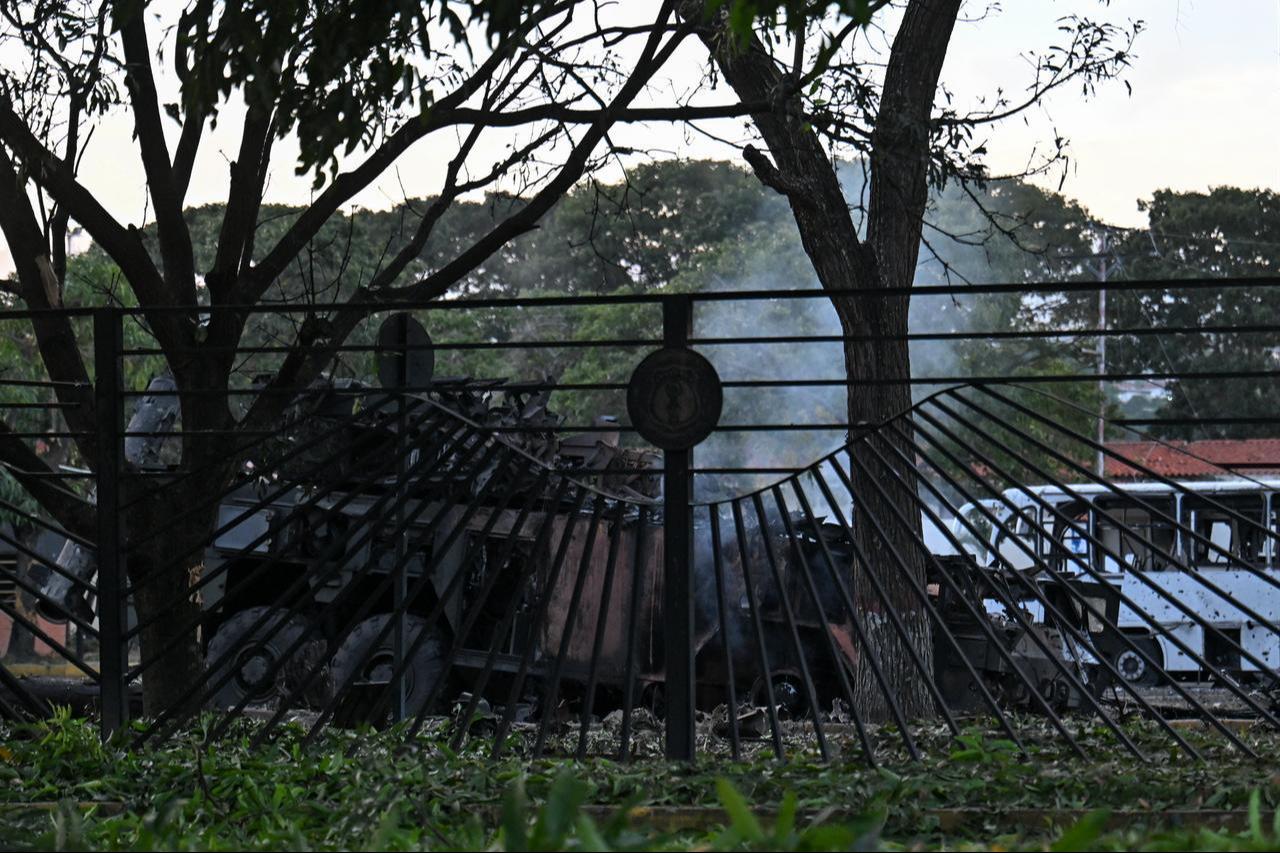
In the early hours of Jan. 3, the Venezuelan capital city of Caracas was rocked by explosions accompanied by the thumping noise of helicopters. The entire city was in darkness except for the frequent flashes from missile hits and explosions, as well as machine gun rounds and rockets fired from attack helicopters.
Thus began the United States attack on Venezuela under "Operation Absolute Resolve." It lasted approximately three hours and ended when a team of American Delta Force operators captured Venezuelan President Nicolas Maduro and his wife, Cilia Flores. The two hostages were brought to the U.S. Navy amphibious assault ship USS Iwo Jima.
The whole Venezuelan armed forces, especially the air defense network, were almost virtually absent on that night, except for a couple of man-portable air defense system (MANPADS) missiles and some small arms fire.
American MH-47G special forces cargo helicopters from the 160th Special Operations Aviation Regiment (SOAR), Army aviation AH-64 Apache and Marine Corps AH-1Z Viper attack helicopters, as well as fighter jets, including F-22 Raptors and F-35 Lightning IIs, flew undisturbed over Caracas, enjoying total air dominance.
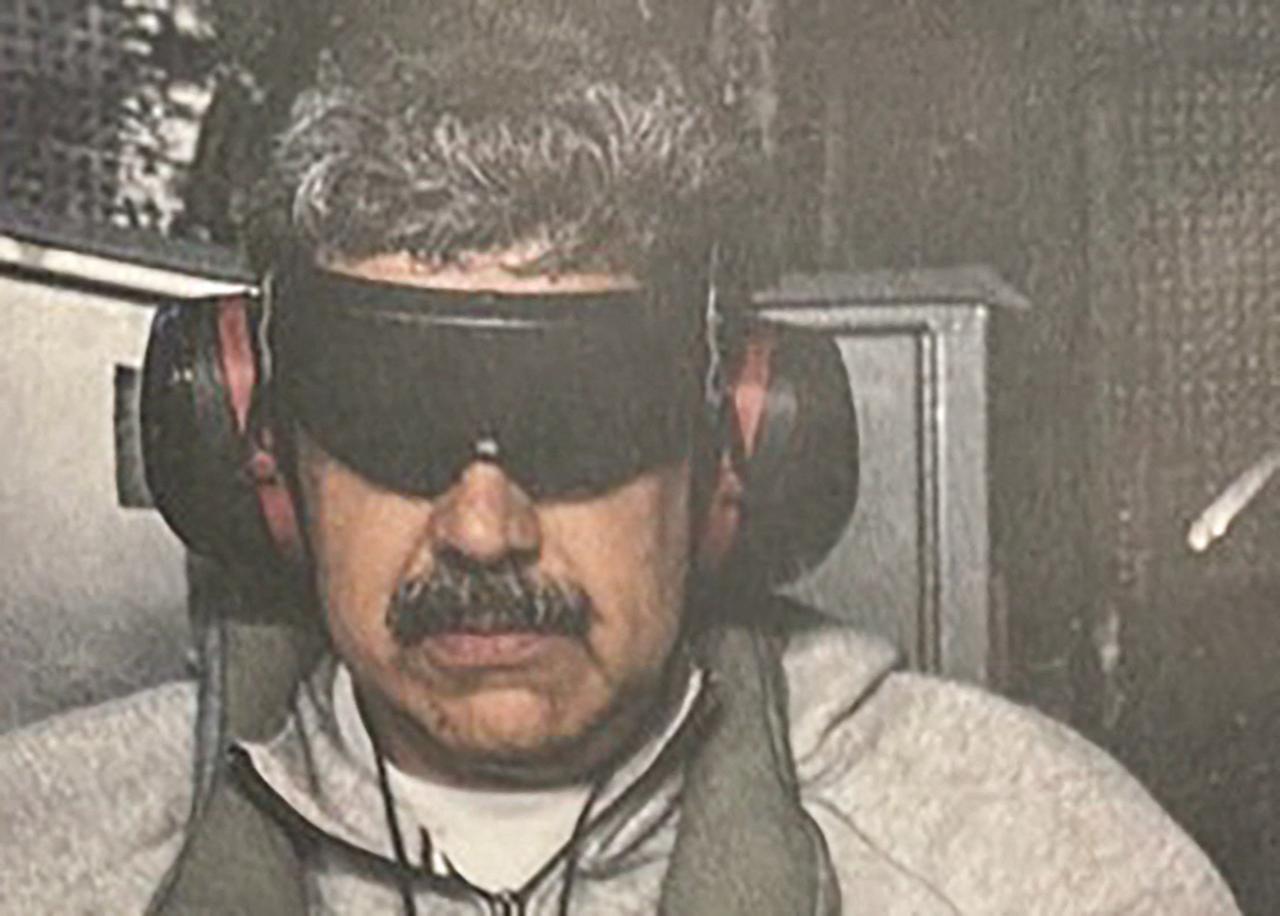

The operation followed a period of escalating tension between Washington and Caracas, which intensified after US President Donald Trump assumed office.
The United States has accused Maduro of presiding over a “corrupt, illegitimate government” sustained by an extensive drug-trafficking network allegedly responsible for flooding the United States with thousands of tons of cocaine.
Maduro was designated by U.S. authorities as the central figure in this alleged “narcoterrorism” scheme. At the same time, however, Trump’s rhetoric has frequently emphasized Venezuela’s vast oil reserves and energy sector, suggesting a broader geopolitical dimension to the U.S.-Venezuela standoff, particularly in light of Caracas’s deepening ties with China.
International sanctions, regional isolation, and a prolonged economic crisis have significantly constrained the capabilities of the Venezuelan armed forces (Armada Nacional Bolivariana, FANB), while also shaping their external and internal roles.
Venezuela maintains tense relations with several neighbors. Domestically, the armed forces are heavily engaged in internal security missions, including countering drug trafficking, smuggling, and environmental crimes, while also being deployed to suppress protests and secure critical infrastructure after the disputed 2024 elections.
At the same time, the FANB is deeply politicized: promotions have been closely tied to loyalty to Maduro, senior ranks have expanded substantially, and the regime places strong emphasis on identifying and neutralizing perceived coup threats within the military.
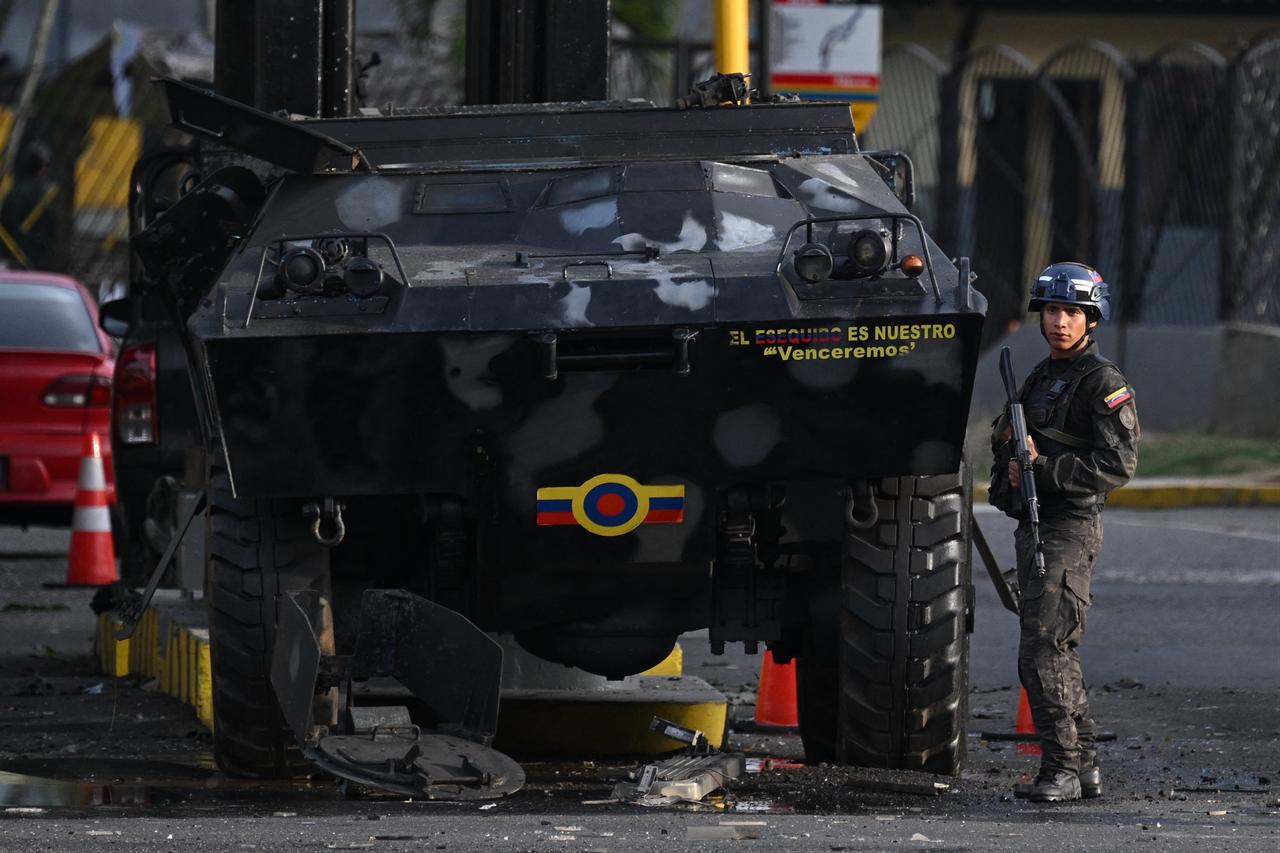
Although high oil revenues during the Chávez era enabled Venezuela to acquire advanced military systems from Russia and China, sanctions and economic decline have since curtailed procurement and reduced overall readiness.
Caracas has increasingly turned to Iran for defense cooperation, adding systems such as Mohajer-6 armed unmanned aerial vehicles and Peykaap III-class fast patrol boats to its inventory.
With limited access to new equipment, the armed forces prioritize maintenance, upgrades, and improvised adaptations of legacy platforms, yet readiness problems persist across all services.
The Venezuelan air force (Aviación Militar Bolivariana; AMB) struggles to sustain a mixed fleet under sanctions, the navy shows signs of long-term inactivity and degraded capabilities, and operational losses and accidents point to deficiencies in training and maintenance.
Caracas acquired 24 F-16A/B jets from the U.S. in 1982, and around half a dozen of these were airworthy as of December 2025. To modernize the air force, 24 Su-30MKVs were purchased from the Russian Federation. Of these, around 20 were serviceable. For training and light strike missions, 18 K-8W jets were procured from China in 2010.
Caracas has also invested in upgrading its air defense capabilities in the past decade. As part of a large weapons package, Venezuela took delivery of several types of air defense systems from Russia, such as S-300VM (Antey-2500) long-range, Buk-M2E medium-range, and Pantsir S1 short-range systems, as well as some 5,000 Igla-S modern MANPADS. These modern systems were complemented by legacy S-125 Pechora, RBS-70, and Mistral missiles.
Taken together, the conduct and outcome of Operation Absolute Resolve point to a campaign in which kinetic strikes were only the visible tip of a much broader effort.
The near-total absence of Venezuela’s integrated air defense response, despite a layered inventory on paper, strongly suggests the prior and coordinated application of U.S. cyber and electronic warfare capabilities.
The effective neutralization of sensors, command-and-control nodes, and communications links appears to have paralyzed the FANB at the decisive moment, preventing both situational awareness and coordinated reaction.
This form of preemptive digital and electromagnetic suppression fits well with recent U.S. doctrinal emphasis on “converged effects,” where cyber, electronic warfare, space, and precision strike are synchronized to collapse an adversary’s ability to fight before large-scale combat even begins.
In this context, Venezuela’s investment in advanced but maintenance-intensive systems proved insufficient against an opponent capable of selectively blinding and isolating them.
The execution phase further underscored the maturity of U.S. long-range precision strike and special operations integration. The apparent freedom of movement enjoyed by U.S. rotary- and fixed-wing aircraft over Caracas indicates not only air superiority but also effective air denial against the defender.
The use of high-accuracy cruise missiles such as Tomahawk and possibly the newly tested Low-Cost Uncrewed Combat Attack System (LUCAS) loitering munitions to suppress key targets reduced the need for sustained bombardment, minimized collateral damage, and compressed the timeline of the operation.
This approach reflects a broader shift in U.S. operational practice toward short-duration, high-precision interventions designed to achieve political objectives rapidly, rather than protracted campaigns aimed at force-on-force destruction. In this sense, the operation was less about defeating the Venezuelan military in battle than about rendering it irrelevant at the critical hour.
Equally significant are the political and human dimensions implied by the operation’s success. The speed with which U.S. forces were able to locate, isolate, and extract Nicolás Maduro raises serious questions about internal compromise within the Venezuelan state and security apparatus.
Whether through individuals actively collaborating with U.S. intelligence, factions seeking regime change, or passive non-resistance at key nodes, the possibility of betrayal cannot be discounted.
At the same time, an alternative explanation cannot be ruled out: that Maduro himself may have entered into a tacit or explicit bargain with Washington, trading power for personal survival or guarantees. If so, Operation Absolute Resolve may represent not only a military intervention but also the final act of a negotiated endgame, one in which coercive force was calibrated as much to shape political outcomes as to impose them.
Almost four years ago, in another part of the world, Russian Mi-17 general-purpose helicopters escorted by Mi-28 and Ka-52 attack helicopters flew low over Ukraine, heading to the Hostomel airport near Kyiv while Kalibr cruise missiles filled the air, marking the start of a bloody war that has so far consumed thousands of lives.
The mission of the troops in those Mi-17s was to secure the airport for the approaching fleet of Il-76 heavy cargo aircraft carrying troops and vehicles to storm the capital for the overthrow of the Ukrainian government.
The "Special Military Operation," as it was designated by Russia, aimed for a quick and decisive outcome resulting in the decapitation of Ukrainian leadership to achieve a strategic-political outcome. Alas, the operation did not go as planned, and the war is still continuing with no end in sight.
Fast forward four years, and helicopters of another major power flew over the capital of another country with Tomahawk missiles hitting targets all over the city. But these helicopters returned a couple of hours later, carrying the president of that country as a hostage, and completing this special military operation.
These two special operations, regardless of their outcomes or the assets and tools used, have demonstrated one thing: the start of a new era in the international system.


 Set as preferred source
 Set as preferred source


 1 min read

 1 min read