Newsletters




The first thing to grasp about revolutions, counterrevolutions, regime changes, and all the other tidy terms used in the White House is that they never follow the script. The second thing to understand is that the exiles are always ready to play the new fearless leader.
They’re ready before the bombs fall. Ready before the speeches. Ready before the smoke even clears over the gutted Iranian Assembly of Experts in Qom.
Somewhere in a comfortable townhouse in Northern Virginia or a condo in Monaco, a man with a polished accent and an impressive family tree is already rehearsing his acceptance speech for a country he hasn’t lived in for decades.
This brings us to Reza Pahlavi, the slicker-than-an-onion son of the late Shah, who has spent most of the last 45 years abroad, reminding the world that he would be happy to help run Iran if the current leadership were to suddenly vanish in a puff of regime-change smoke.
History suggests the odds of that working out are roughly the same as finding baklava in a gas-station sushi tray.
The U.S. has a long and troubled tradition of auditioning exiles for leadership roles in countries undergoing American-assisted “transitions.”
Sometimes the candidate is a banker. Sometimes a general. Occasionally, a philosophy professor who hasn’t set foot in the country since disco was popular.
Almost always, the plastic surgery is a mess.
You could build a small museum of these experiments. The Washington-endorsed Iraqi exile politicians, after the fall of Saddam; the parade of anti-Castro figures in Miami who were perpetually one speech away from retaking Havana; the Venezuelan opposition leaders repeatedly proclaimed the future president from safe distances.
The operatic design is simple: the farther the would-be diva lives from the country, the more certain Washington becomes that he’s the perfect choice.
Iran is now drifting into that familiar libretto.
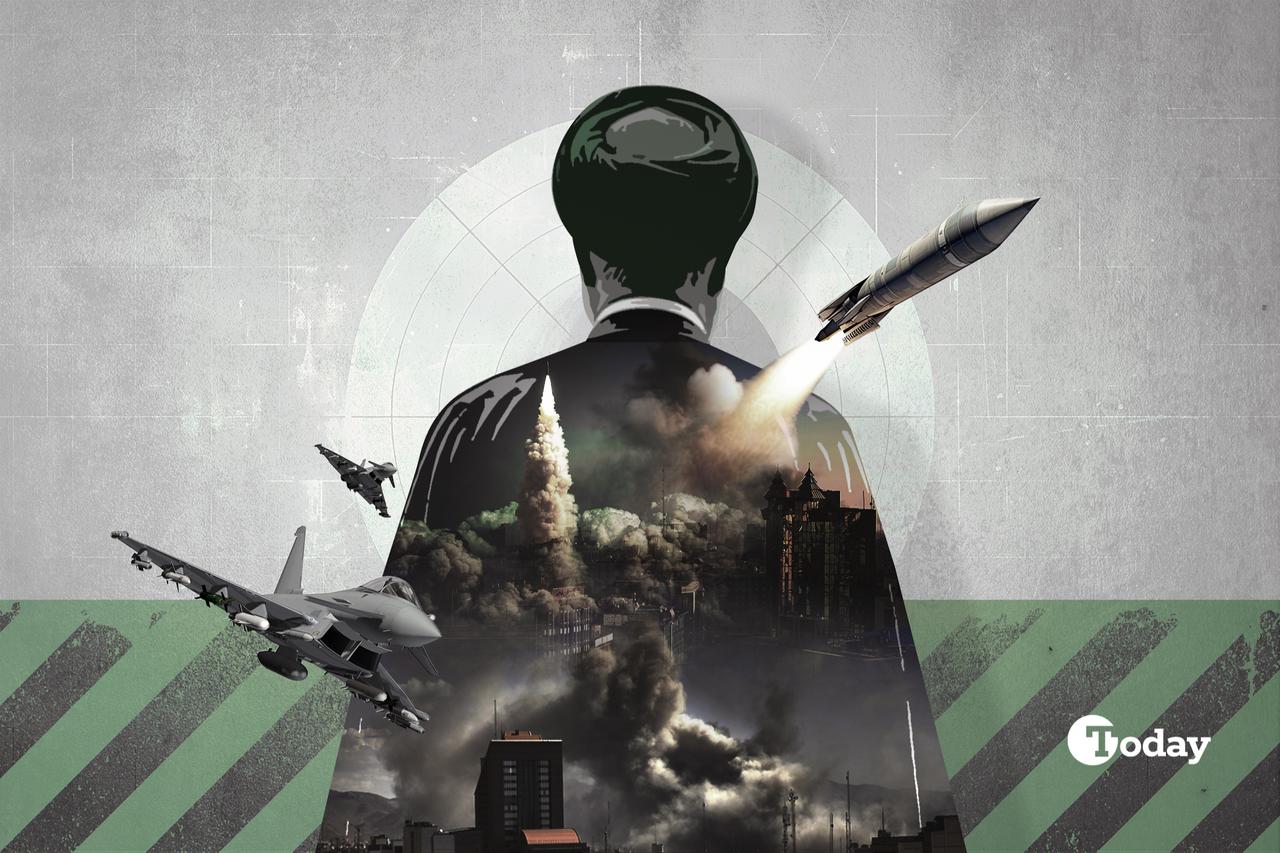
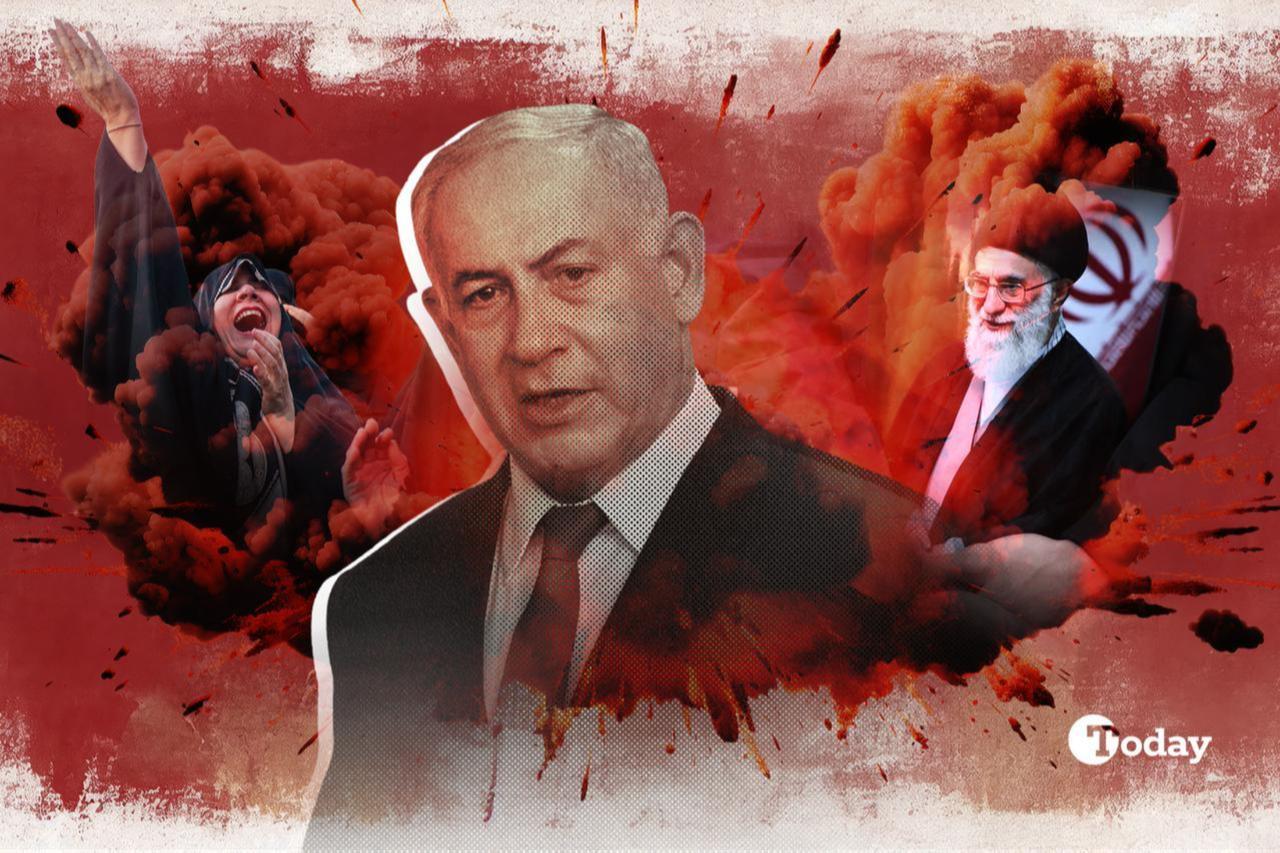
The current war, punctuated by missile strikes, leadership decapitations, and an alarming number of late-night briefings, has left Iran’s political structure wobbling like a broken weather vane.
President Donald Trump has described the situation with his customary bedside manner precision.
“I’ve killed all their leaders. That room is gone,” he declared recently, summarizing the geopolitical landscape with the subtlety of a bowling ball through a window. And just in case that left any ambiguity about Washington’s role in Iran’s future, he added another thought: “I want to be involved.”
He said this in reference to selecting Iran’s next supreme leader.
Which is how, in the span of a few days, the question of who will lead one of the Middle East’s most complicated societies began sounding suspiciously like a casting call.

Inside Iran, however, the conversation is far less theatrical.
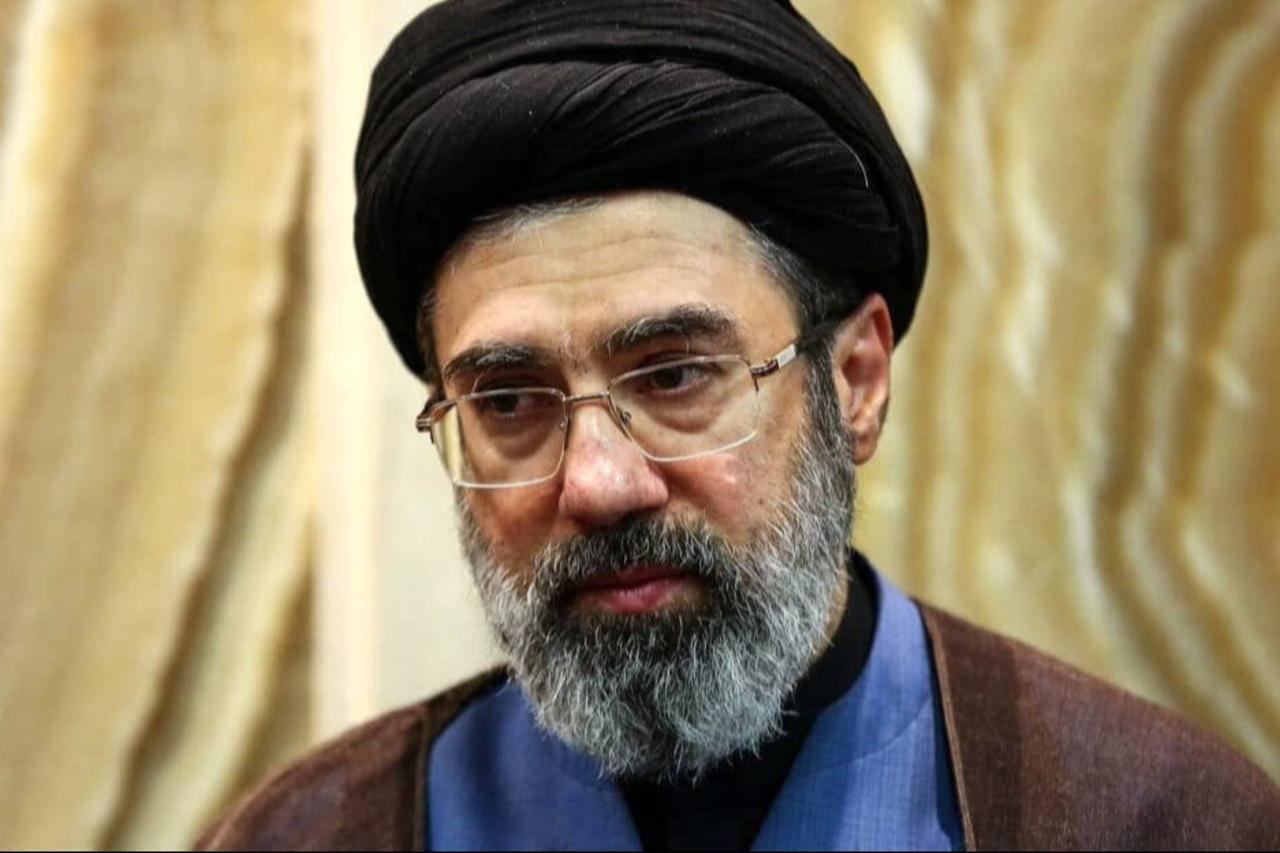
Names circulating among political and clerical circles include Mojtaba Khamenei, the influential son of the late supreme leader; judiciary chief Gholam‑Hossein Mohseni‑Eje’i; cleric Alireza Arafi; ultraconservative theologian Mohammad Mehdi Mirbagheri and political veteran Ali Larijani.
These are the people Iranians themselves are discussing as possible successors—figures embedded in the country’s clerical networks, security apparatus and factional politics.
Which raises an entirely separate problem.
Imagine President Trump attempting to pronounce their names.
This is, after all, a man who has spent years demonstrating a certain improvisational approach to proper nouns. During his presidency, he famously tangled with the names of Tim Cook (whom he briefly called “Tim Apple”), Yosemite National Park (rendered as “Yo-semite”), and even Elon Musk (whose name has occasionally received experimental phonetic variations).
Now picture him confidently announcing the appointment of Ayatollah Mohammad Mehdi Mirbagheri.
Cable news anchors would require phonetic subtitles.
Still, the White House appears eager to weigh in, even if the new supreme leader is a rotisserie chicken.
Meanwhile, events inside Iran continue moving at their own pace.
The war has begun to produce small but symbolic fractures in the state apparatus. Since the escalation began, at least two Iranian diplomats stationed in Europe, including officials in Geneva and Vienna, have defected and sought asylum rather than return home.
Two diplomats may not sound like much.
But in a system that prizes loyalty and ideological discipline, defections are the political equivalent of cracks in a dam wall. Small at first. Then, suddenly, very interesting.
That’s when the exiles start circling again.
They always do.
Somewhere outside Iran, a microphone is already waiting for the Shah’s son. Somewhere in Washington, a policy memo is quietly suggesting that a familiar face, preferably one who speaks fluent English and owns a suit without missile shrapnel in it, could stabilize the country.
And somewhere inside Iran, millions of people who have spent decades navigating the strange, stubborn reality of the Islamic Republic are watching all of this with a certain scepticism. They have seen outside powers pick their leaders before and remember how that story ended.
Which is why revolutions rarely follow the scripts written for them abroad. Why history intimates that the next leader of Iran will almost certainly emerge from inside the country’s labyrinthine political machinery, not from an exile’s living room.
Even if, somewhere in Washington, someone is still rehearsing the pronunciation.


 Set as preferred source
 Set as preferred source


 1 min read

 1 min read