Newsletters


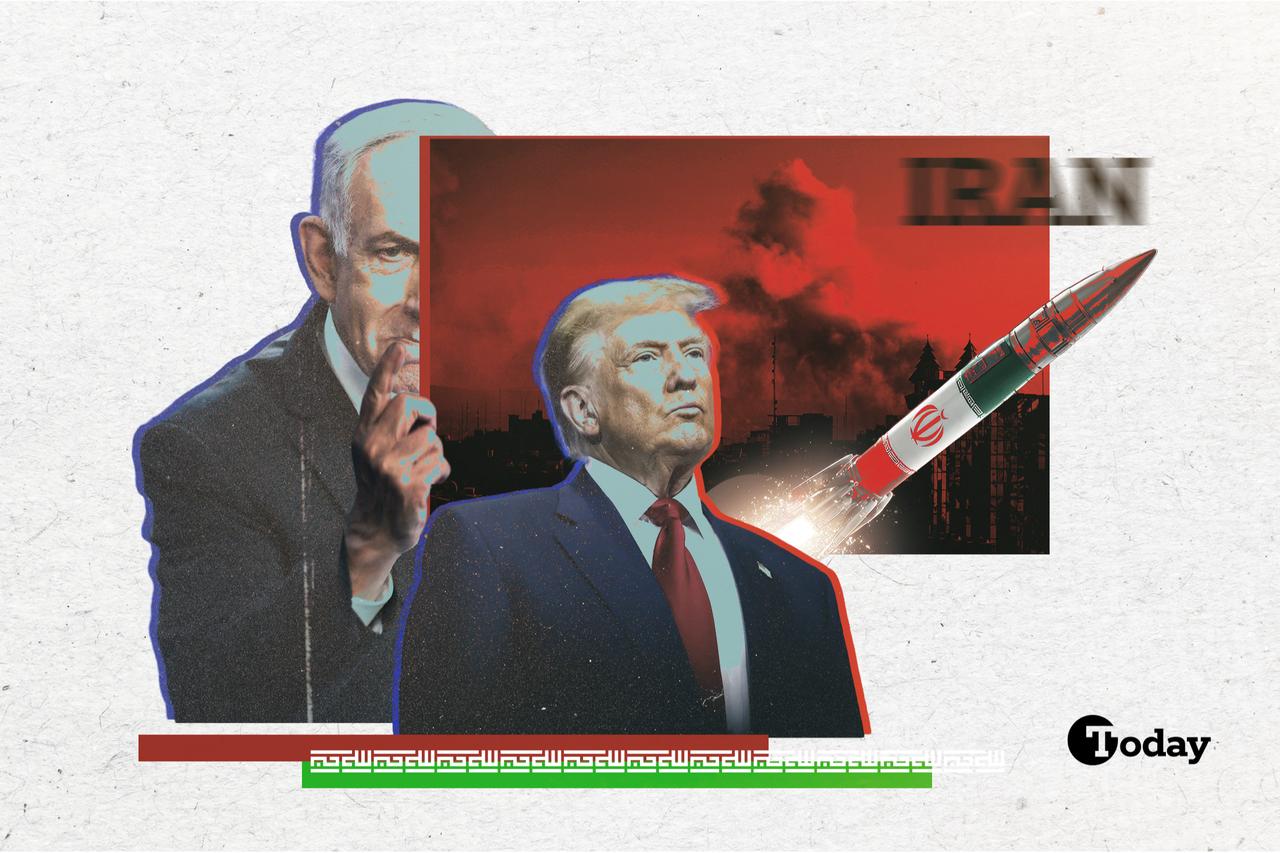


In the aftermath of the Feb. 28 shock attacks on Iran, a first ceasefire was declared, even if its future remains uncertain.
It may not have emerged from diplomacy broad enough to address the roots of the crisis, but it was still a necessary pause.
What may endure longer than the ceasefire itself, however, is a more difficult question: whether diplomacy had ever really been used to its fullest before the region slid into war.
George F. Kennan once warned that “a war regarded as inevitable or even probable, and therefore much prepared for, has a very good chance of eventually being fought.” That warning may be one way to understand the Iran case.
Diplomacy in wartime is not simply the opposite of war, nor does it necessarily mean peace is near.
More often, it is the space in which states test limits, manage escalation, and search for terms that force alone may not secure. Military action may shape the battlefield, but diplomacy still helps define what a war is meant to achieve, how far it may go, and whether any path out remains.
To get a sense of both the diplomacy of that earlier period and the diplomacy now reemerging under the pressure of war, I spoke with former senior U.S. diplomat Alan Eyre, who took part in the Iran negotiations during the Obama era and was also one of the better-known American figures to the Iranian public.
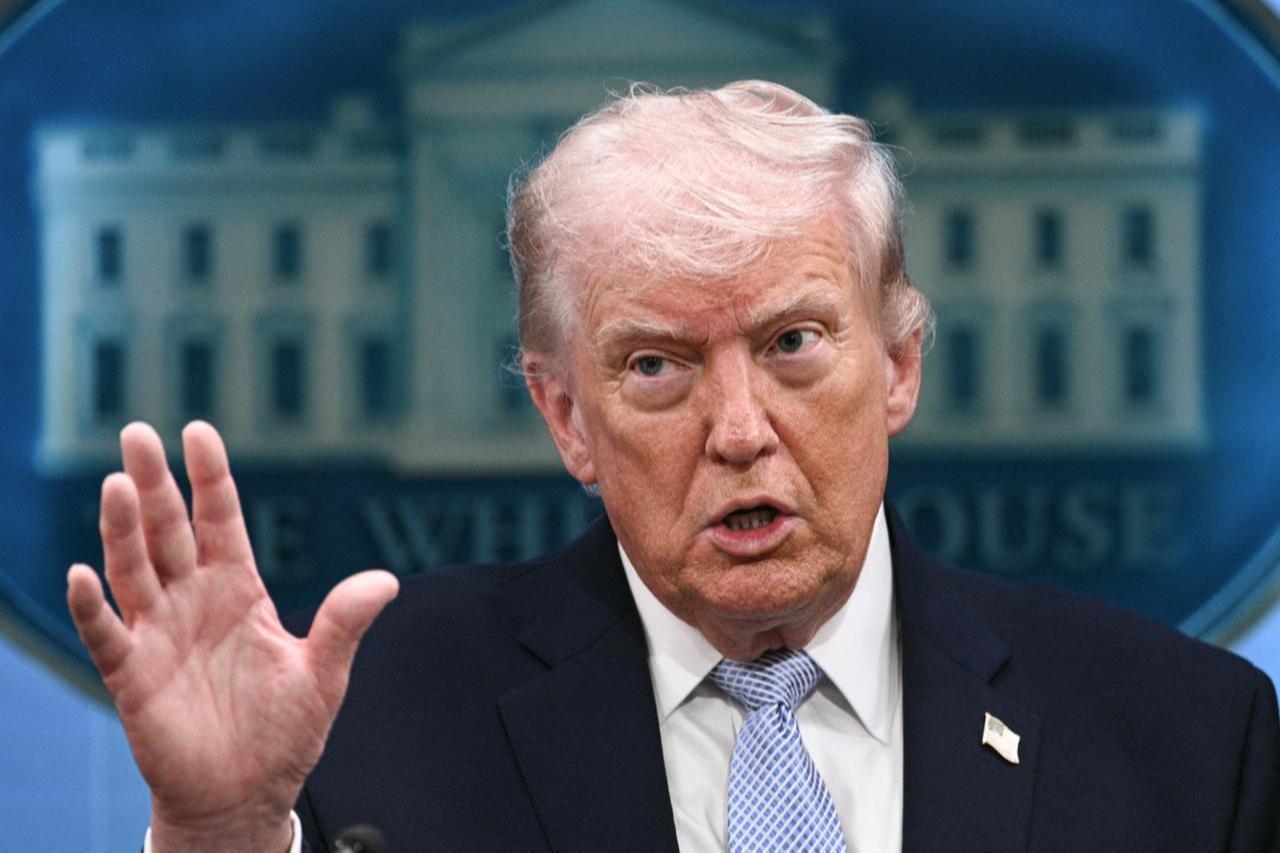

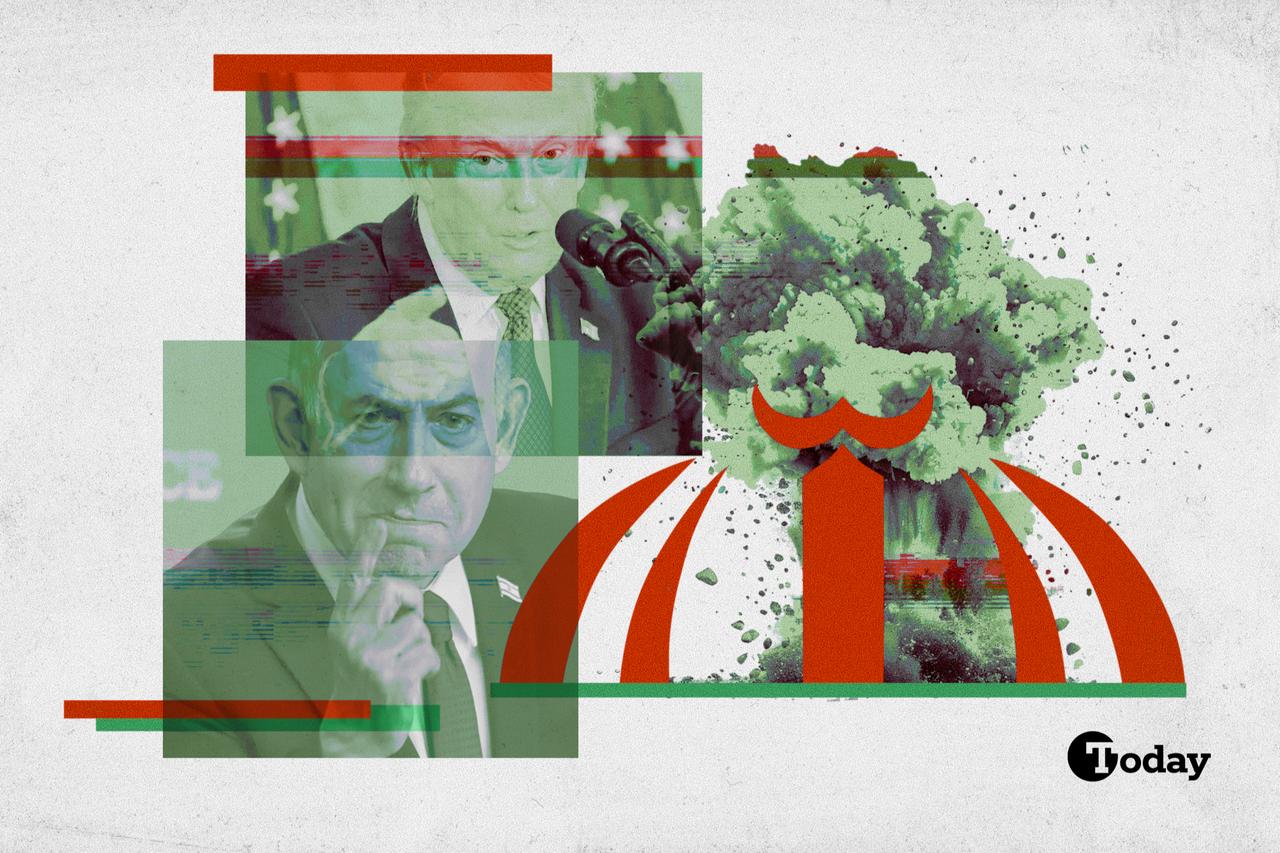
For years, Donald Trump criticized Barack Obama’s Iran policy on two fronts: warningthat Obama’s approach would lead the U.S. into a war with Iran, while simultaneously denouncingJCPOA as one of the worst deals he had ever seen.
Years after Trump withdrew from it, the disintegration of that agreement—the only framework that had placed Iran’s nuclear program under meaningful international monitoring—has left a vacuum. Today, the void has helped push the region back to a point where the risks of wider war and energy disruption are once again being openly weighed in public.
Days after the operation began, Trump again blamed the previous administration, returning to a familiar attack on the JCPOA as a failed deal.
I put Trump’s criticism to Alan Eyre. He argued that the Obama approach produced not only a different tone but a concrete outcome.
Eyre does not present the agreement as beyond criticism. “It certainly wasn’t perfect,” he said. But he argues that it worked where it counted, “solved the problem for a while,” and created a precedent for negotiated solutions with Iran.
“The Obama-era JCPOA achieved the goal of putting needed limits on Iran’s nuclear program, of increasing visibility into the program, and of strengthening the verification measures needed to ensure Iran was fulfilling its responsibilities,” he said.
“President Trump’s 2018 withdrawal from the JCPOA in search of a better deal was certainly within his right as President,” Eyre said, “but he failed in getting a better deal, and in general the Iran policy he adopted helped get us to where we are today.”
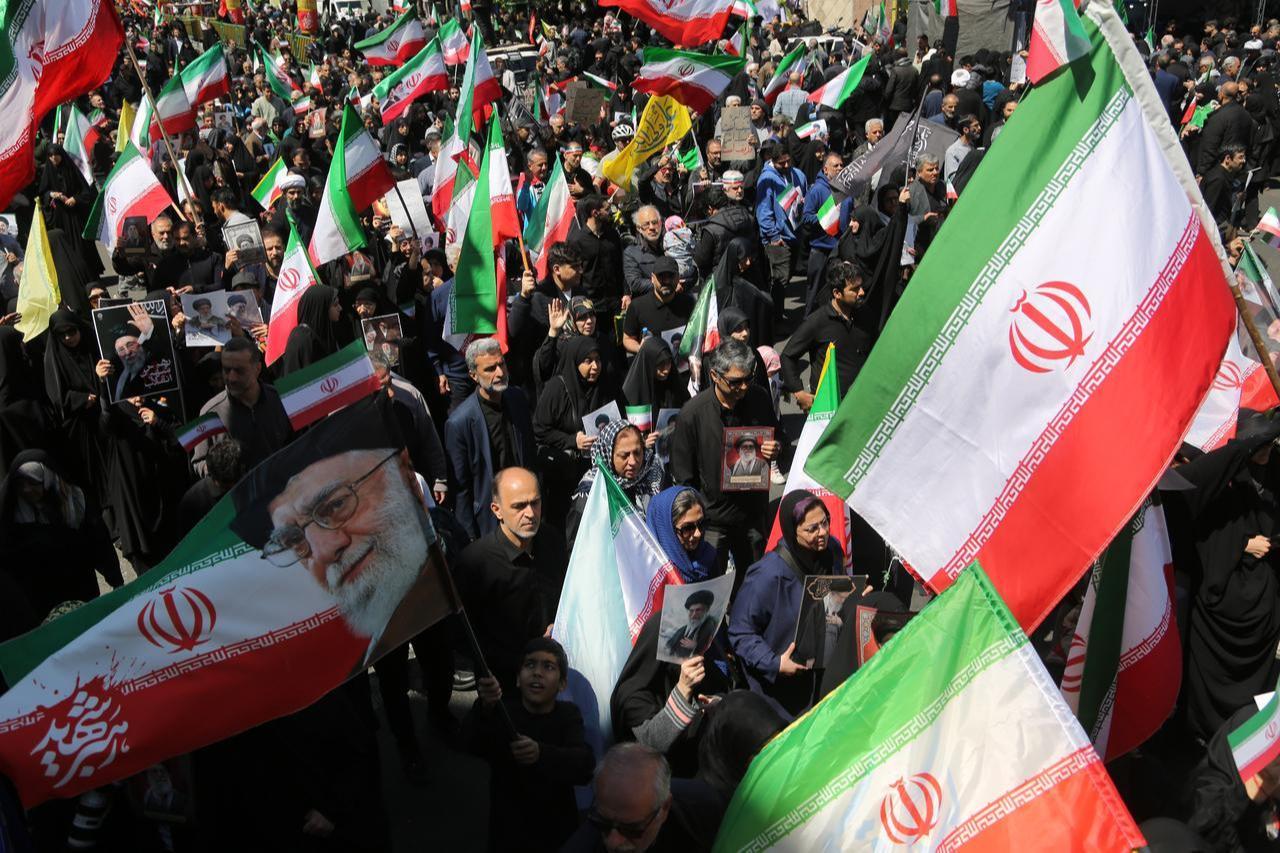
The question of whether diplomacy “failed” in the Iran war may itself be misleading, because it assumes Washington was ever seriously committed to diplomacy in the first place.
Even if negotiators like Witkoff and Kushner did not always sound overtly confrontational, Trump himself continued to use highly aggressive language during the talks and to publicly belittle the Iranian leadership.
By the time the last Oman talks took place, they were already taking place under the shadow of the coming 12-day war.
The U.S. buildup that peaked in February had already cast doubt on whether the Oman channel was designed to avoid conflict through compromise, or merely to preserve the appearance of diplomacy while pressure continued to build, deepening the mistrust that still shapes Iran’s view of U.S. intentions.
That ambiguity, Eyre suggests, was never incidental. By his account, Trump’s team did not approach diplomacy with Tehran as a serious strategic effort, but as a process shaped by pressure, demands, and short-term political calculation.
Eyre said the administration had not taken diplomacy with Iran seriously and argued that its contacts with Tehran amounted to “more conversations than negotiations.”
More broadly, Eyre argued that Obama “wasn’t focused on a ‘quick win’ and realized that any worthwhile result would take time.” By contrast, Eyre argues that the administration is not treating Iran through sustained strategic planning, but through a search for a fast result, a “decisive ‘quick win.’”
In that sense, he added, “to a large extent, the U.S. has outsourced Iran as an issue to Israel.”
Diplomacy, Eyre argued, did not collapse when the war began. The war simply made it harder to deny how hollow the process had already become.
“The diplomatic channel was never fully functioning even before the US and Israel attacked Iran, and now with this rapidly escalating war, it is shut down for the foreseeable future,” he said.
“What was being presented as negotiations was, as Mr. Witkoff said, the U.S. demanding Iran capitulate to U.S. demands, which Iran refused to do.”
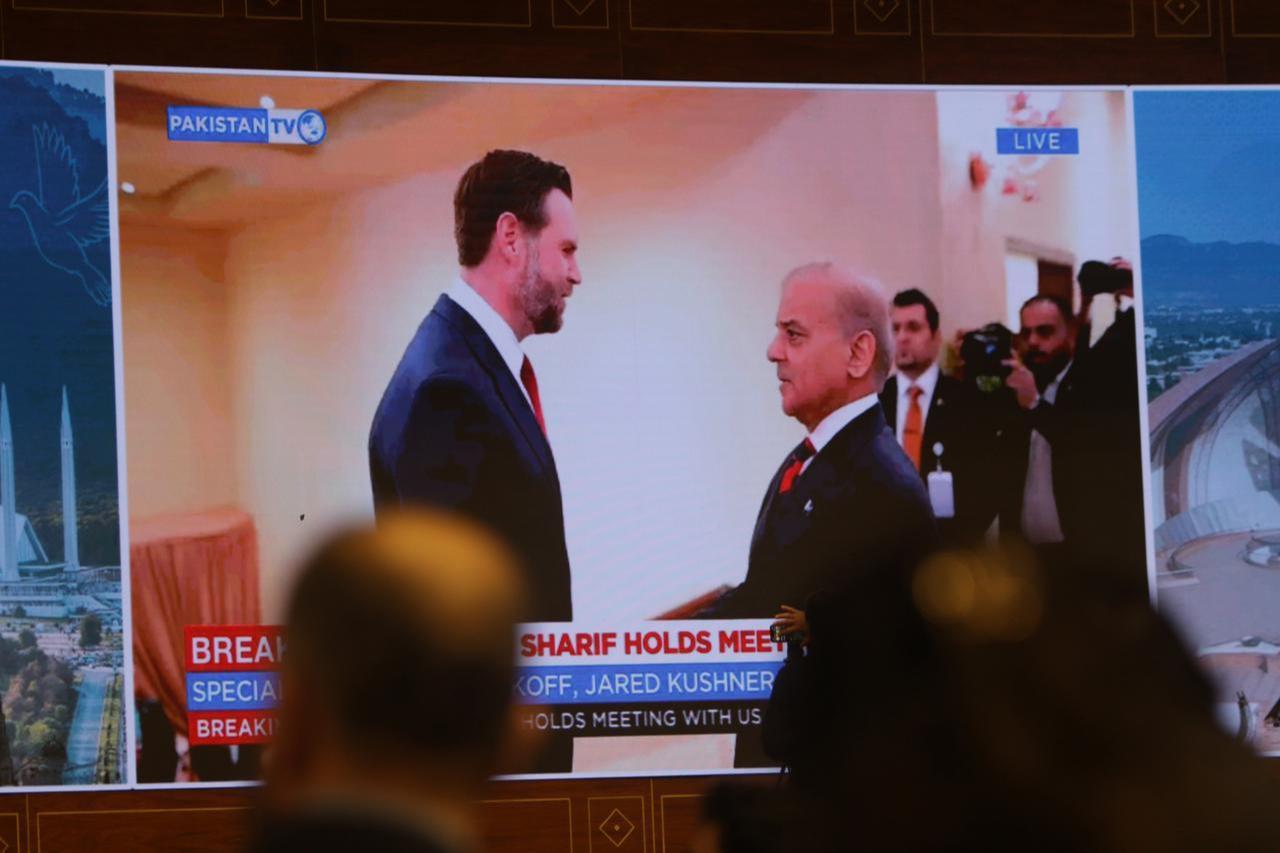
The administration’s language has shifted with the war itself. In its early days, Republicans resisted calling it a “war," framing it instead as a more limited operation, a formulation that invited comparisons to Russia’s long and often ridiculed use of the term “special military operation.”
A similar repositioning has taken place around regime change. Before the war, Trump’s rhetoric often pointed in that direction, indicating that regime change was viewed as a desirable outcome.
During the war, he went further, suggesting that the U.S. should play a role in determining Iran’s future leadership and, in his words, securing freedom for the Iranian people.
By the fifth week of the war, however, tactical success was no longer easily mistaken for strategic victory. Israeli and U.S. operations had eliminated dozens of figures from Iran’s military and political command and delivered significant battlefield gains.
For Trump, who campaigned on “no more endless wars,” that gap also carries political costs at home, while Israeli and U.S. intelligence assessments suggest they are still far from the regime change outcome they sought, even if he now controversially suggests that the regime has already changed.
On the Israeli side, regime change was not a late improvisation but a war aim visible from the start, and in some respects even before Trump returned to office.
In the early days of the campaign, support for that line was broad, with Yair Lapid among those backing the operation and saying Iran’s leadership, if possible, should be “obliterated.”
But once the Feb. 28 shock assault failed to produce the hoped-for political collapse, and the regime proved more resilient than expected, that goal also came under sharper scrutiny inside Israel.
Lapid, who had initially stood behind Netanyahu, later accused him of failing to achieve the war’s objectives and counted regime change among the promises that had not been fulfilled.
“Despite administration claims, this is a new war, and it was expanding,” Eyre said. In his reading, the conflict is no longer about coercive pressure operating alongside a diplomatic off-ramp, but about the increasingly open pursuit of regime collapse.
“The U.S. and Israel were seeking to collapse the regime, and that includes fomenting internal insurrection.”
Under those conditions, he argues, diplomacy was no longer functioning in any meaningful sense as a path toward lasting resolution. What remained were not real peace talks, but limited contacts shaped by the pressures of war.
“At this point diplomacy is not a tool that anyone is considering: the U.S. and Israel were pursuing leadership decapitation and widespread destruction, and Iran was seeking to regionalize the conflict by retaliating against Gulf countries allied with the U.S.”
Even so, Eyre does not see regime collapse as imminent. “Such an outcome seems unlikely in the near-term,” he said, warning that further military intervention would carry “unintended and unwanted consequences.”
To Eyre, Iran’s deeper vulnerability lies less in sudden external overthrow than in gradual internal erosion. “Due largely to the corruption and incompetence of regime officials,” he said, the regime is becoming less able to provide essential goods and services at tolerable prices, a trend he believes will have “significant destabilizing consequences” for Iranian society over time.
Yet that weakness, he argues, should not be mistaken for imminent political rupture. The regime elite, “to include the IRGC,” still benefit from their grip over key institutions, and “as of yet we’ve not seen the phenomena of ‘elite defection’” that he sees as a necessary precondition for any major shift away from the status quo.


 Set as preferred source
 Set as preferred source


 2 min read
 1 min read