Newsletters


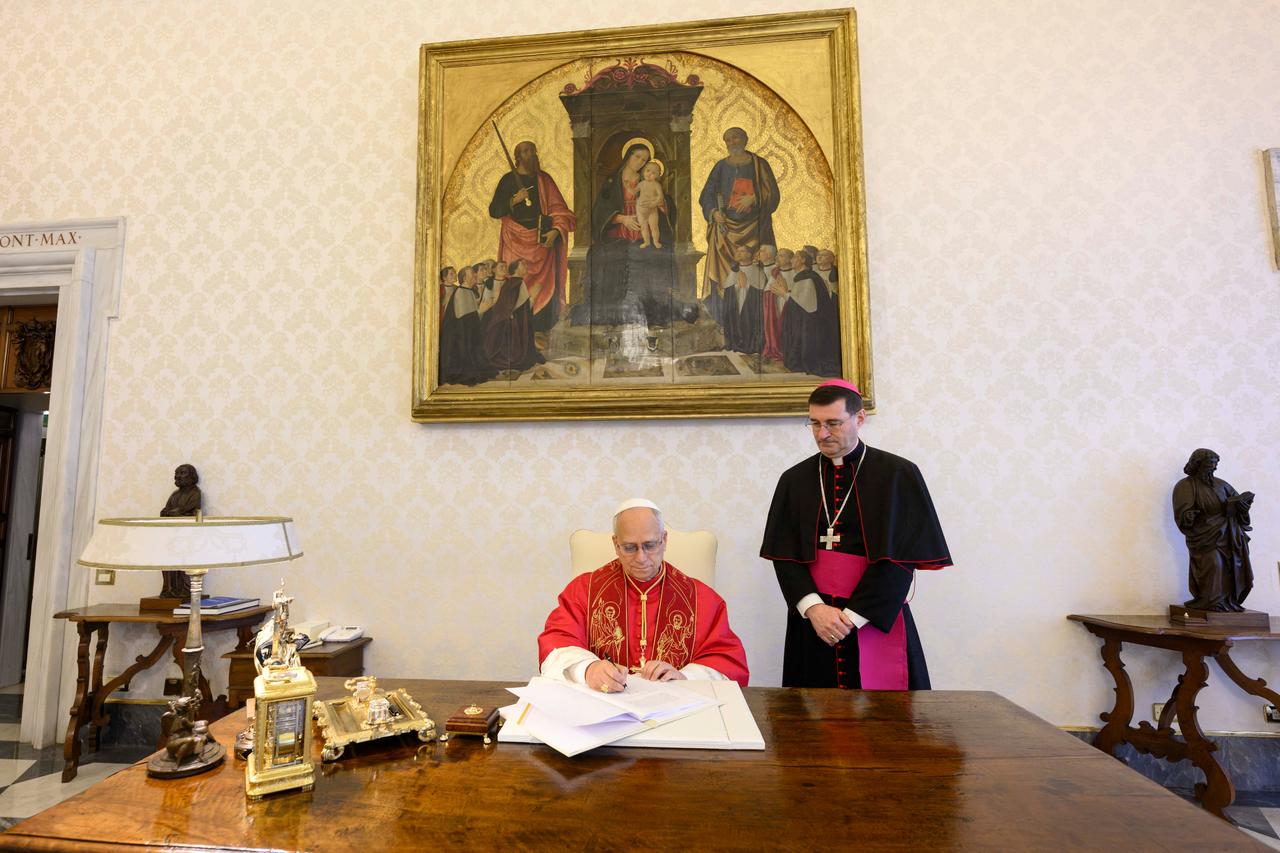


Pope Leo XIV’s apology for the Vatican’s historical role in justifying slavery has opened up a deeper question: what exactly was the Church apologizing for?
The answer lies not only in the Atlantic slave trade or in modern discussions of forced labor, but also in a much older world where slavery was embedded in law, war, religion, trade and political power.
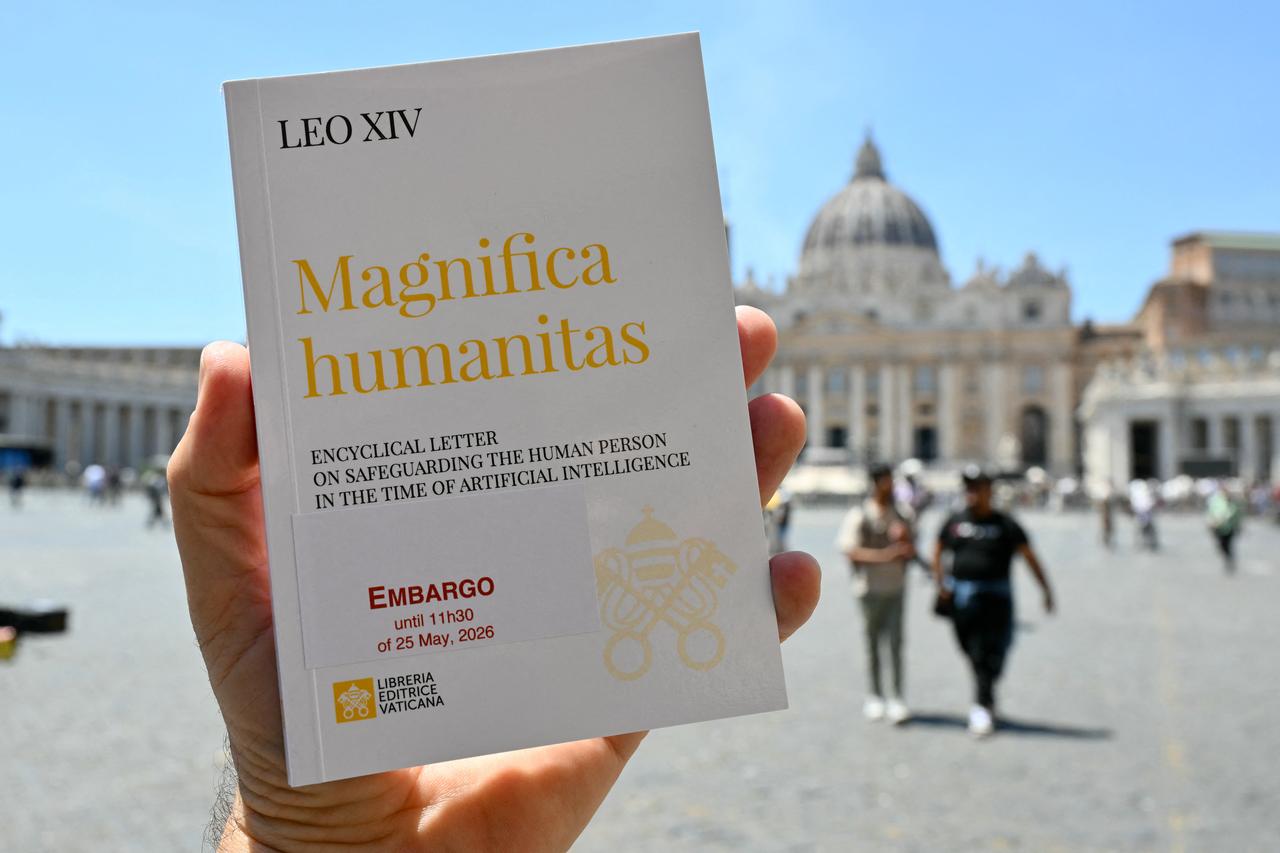

In his text Magnifica Humanitas, Leo acknowledged that Church institutions owned slaves until the Middle Ages and that the Apostolic See of Rome, in some cases, helped regulate and legitimize the enslavement of those described at the time as “infidels.”
That word, historically used for people seen as outside the Christian faith, points to one of the central realities of medieval slavery: religious difference often shaped who could be enslaved, traded or redeemed.
Slavery in medieval Europe was not a single institution with one clear form. It existed alongside imprisonment, debt bondage, serfdom and other forms of unfree labor. People could be enslaved after being captured in war, punished for crimes, sold because of debt, born to enslaved mothers, or moved through long-distance trade routes.
Across Europe and the Mediterranean, enslaved people were used in agriculture, craft work, domestic service, military roles and elite households. In some cases, they were treated as household servants. In others, they were bought and sold as movable property, separated from families and transported across regions.
As Christian kingdoms developed, the enslavement of fellow Christians became increasingly restricted, though not always consistently. The Church discouraged or prohibited the sale of Christian slaves to non-Christian lands, while the enslavement of non-Christians often remained acceptable. This created a world in which religious identity could determine legal vulnerability.
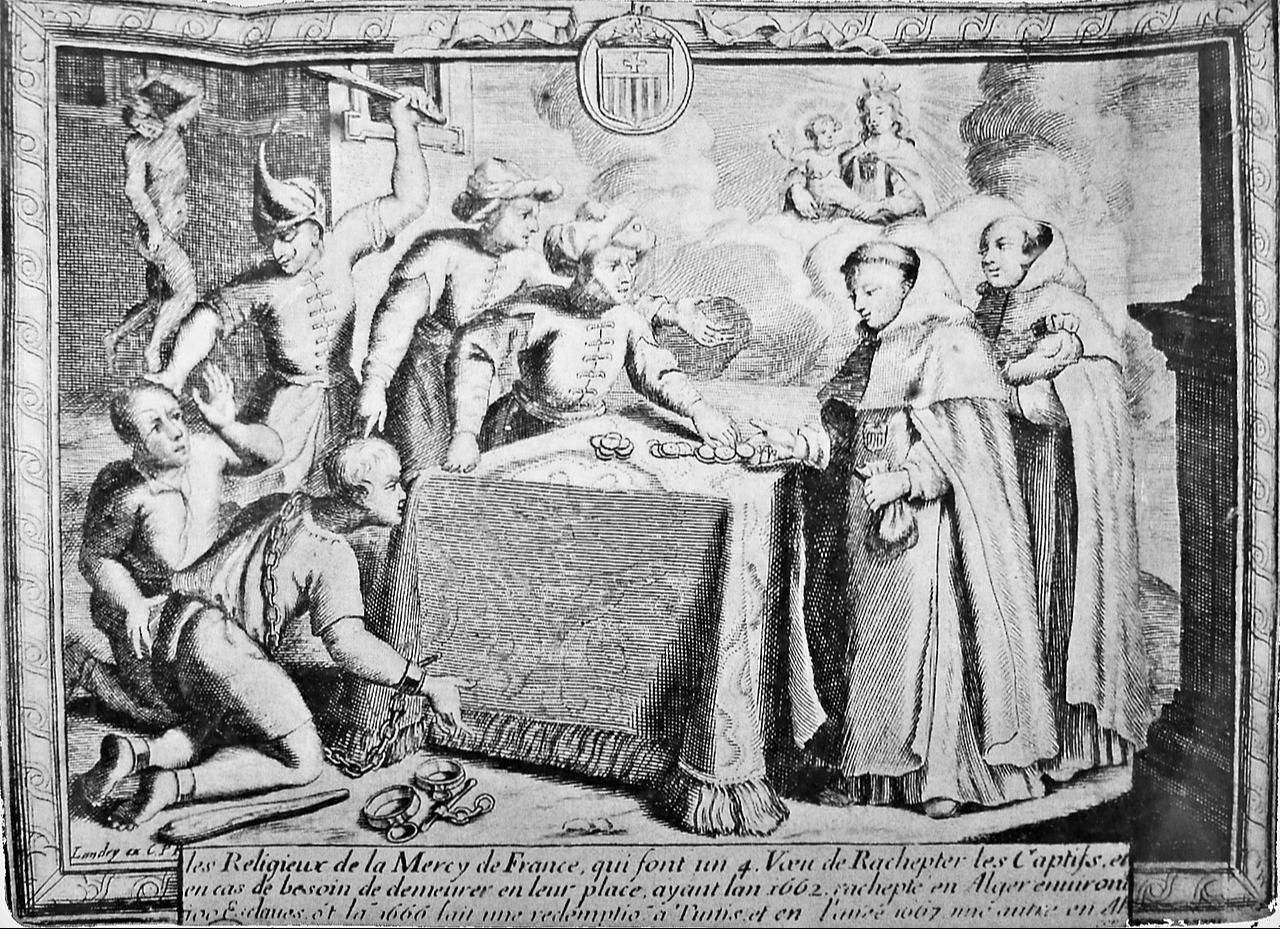
One of the most important distinctions in medieval slavery was between co-religionists and outsiders. Christians, Muslims and Jews often restricted the enslavement of members of their own faith communities, but people outside those communities could be treated as legitimate targets.
This was especially clear in frontier zones. Pagan populations in northeastern Europe, for example, were targeted by slave traders before the Christianization of the Baltic region. Slavic and Baltic captives moved through routes linking Eastern Europe, the Black Sea, Byzantium, Muslim Spain and the Middle East.
In Iberia, where Muslim and Christian kingdoms faced each other for centuries, captives from both sides could be enslaved, ransomed or exchanged. Christian Iberian kingdoms also held Muslim captives and sometimes sold them for money or political advantage.
Leo’s apology stands out because it does not only refer to Christians participating in slavery. It points to the Vatican’s institutional role in legitimizing forms of subjugation.
In the early modern period, according to Leo’s text, the Apostolic See responded to requests from sovereigns by intervening to regulate and legitimize forms of domination, including, in some cases, the enslavement of “infidels.”
This is the central historical burden behind the apology. The issue was not simply that slavery existed in Christian societies, but that religious and legal arguments could be used to justify who could be enslaved and under what conditions.
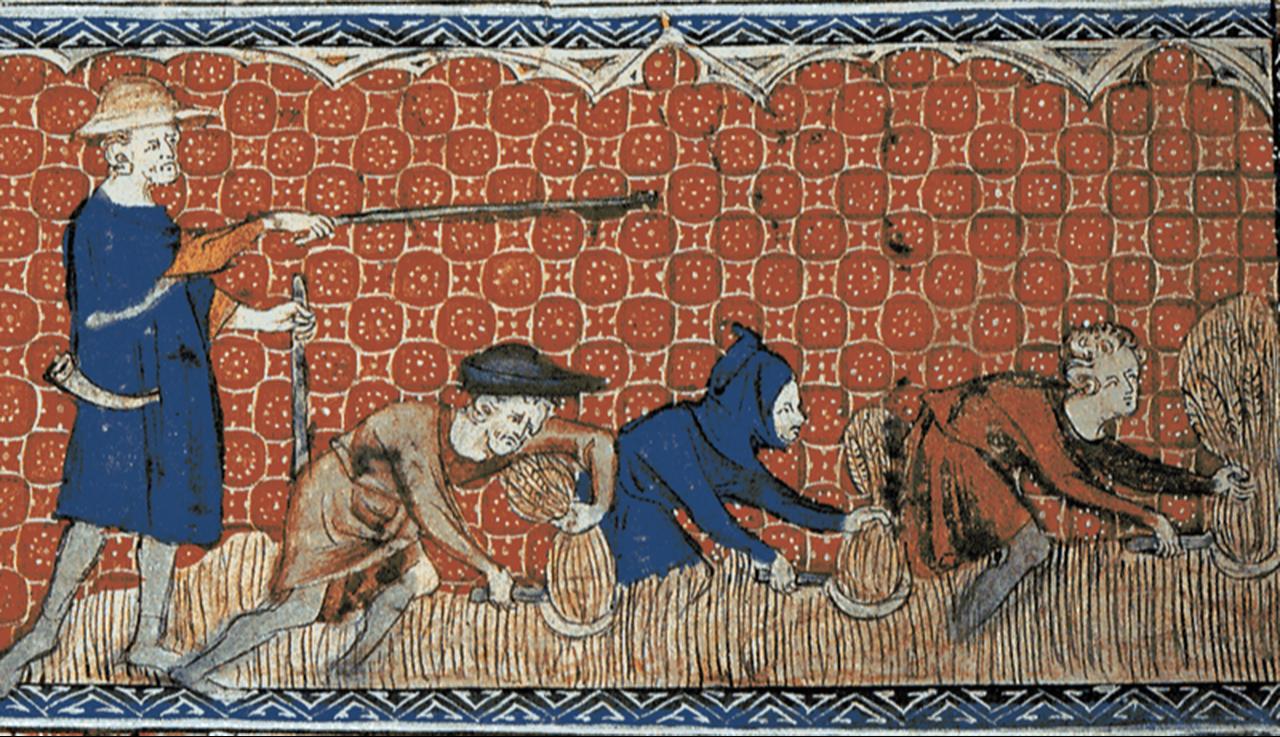
In parts of medieval Europe, slavery gradually gave way to serfdom. Serfs were also unfree, but their condition was different from chattel slavery. They were usually tied to land and owed labor or dues to a lord, while slaves were more directly treated as the property of masters.
The distinction was not always clear, and historians continue to debate the transition. Still, the general pattern in much of northwestern Europe was that slavery declined as serfdom became more central to rural labor.
But this did not mean slavery disappeared. It continued in the Mediterranean markets, in Iberia, in Italian trading cities, in the Black Sea world, in parts of Eastern Europe and in regions connected to Islamic and Christian trade networks. Venice, Genoa, Barcelona, Valencia and other Mediterranean centers all played roles in the buying and selling of enslaved people.
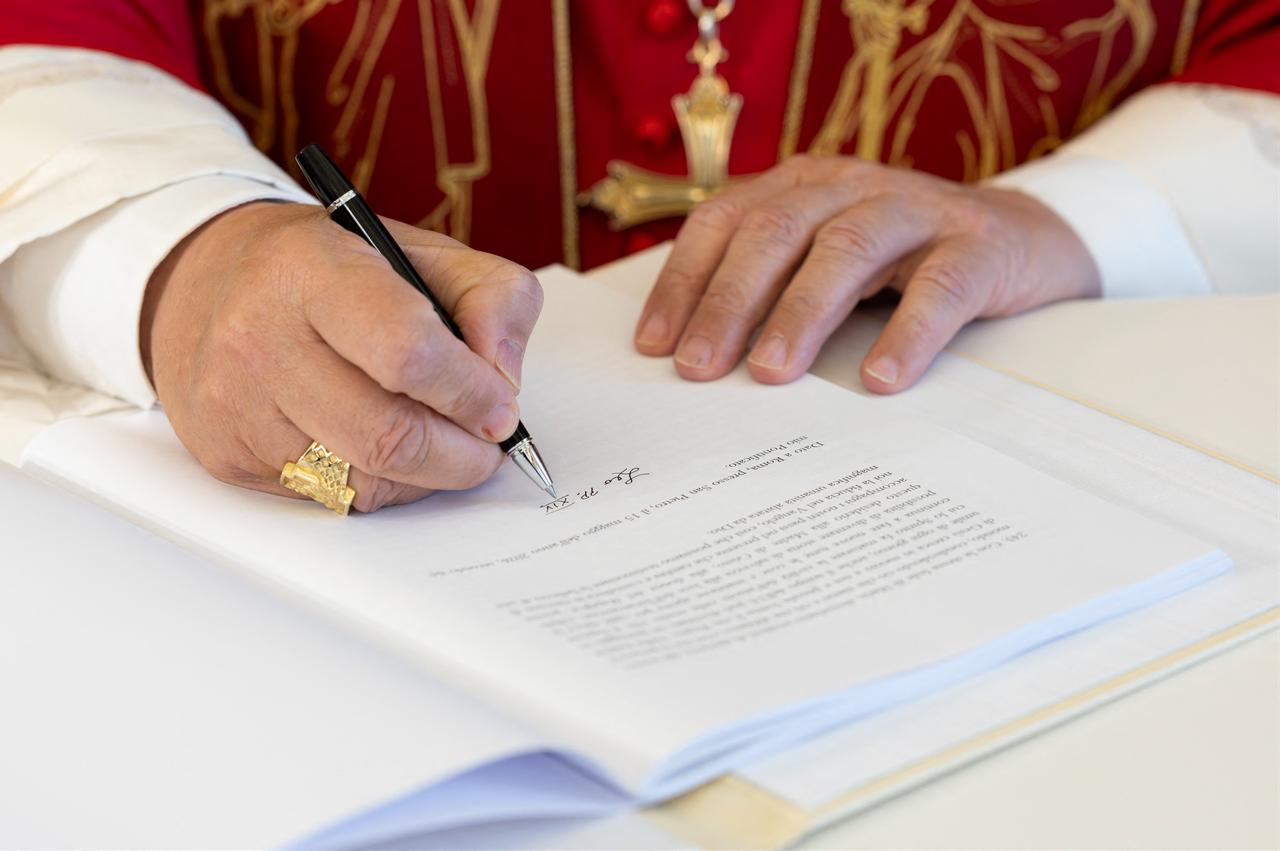
Previous popes had already condemned slavery and apologized for Christian involvement in the slave trade. John Paul II denounced it in 1992 and later issued a broader request for forgiveness for historical injustices in 2000. Pope Francis also repeatedly spoke out against contemporary forms of slavery.
Leo’s statement went further because it directly named the Vatican’s role in legitimizing slavery. He said the Church’s universal condemnation came only in the 19th century and acknowledged that the delay could not be ignored.
“It is true that past events cannot be judged anachronistically, as though the moral criteria that matured over time had always been available. Yet neither can we deny or diminish the delay with which both society and the Church came to denounce the scourge of slavery,” he wrote.
He then described that delay as “a wound in Christian memory” and asked pardon in the name of the Church.
Leo placed the historical apology inside a wider warning about “new forms of slavery” in the digital economy. By doing so, he linked the Church’s past failure to confront slavery with present-day concerns about exploitation, labor and human dignity.
The result was not only a statement of regret, but a rare institutional admission that the Vatican’s historical relationship with slavery included ownership, delay and, at times, legitimization.
For readers seeing the apology as another Vatican statement, the deeper point is this: Leo was not only apologizing for what individual Christians did. He was acknowledging that Church authority itself had once helped give moral and legal cover to systems of bondage.


 Set as preferred source
 Set as preferred source


 4 min read