Newsletters




This article was originally written for Türkiye Today’s weekly newsletter, Saturday's Wrap-up, in its October 17, 2026 issue. Please make sure you subscribe to the newsletter by clicking here.
Azerbaijan is arguably the only foreign nation where Turkish leadership could deploy troops to defend its borders without facing a shred of public backlash.
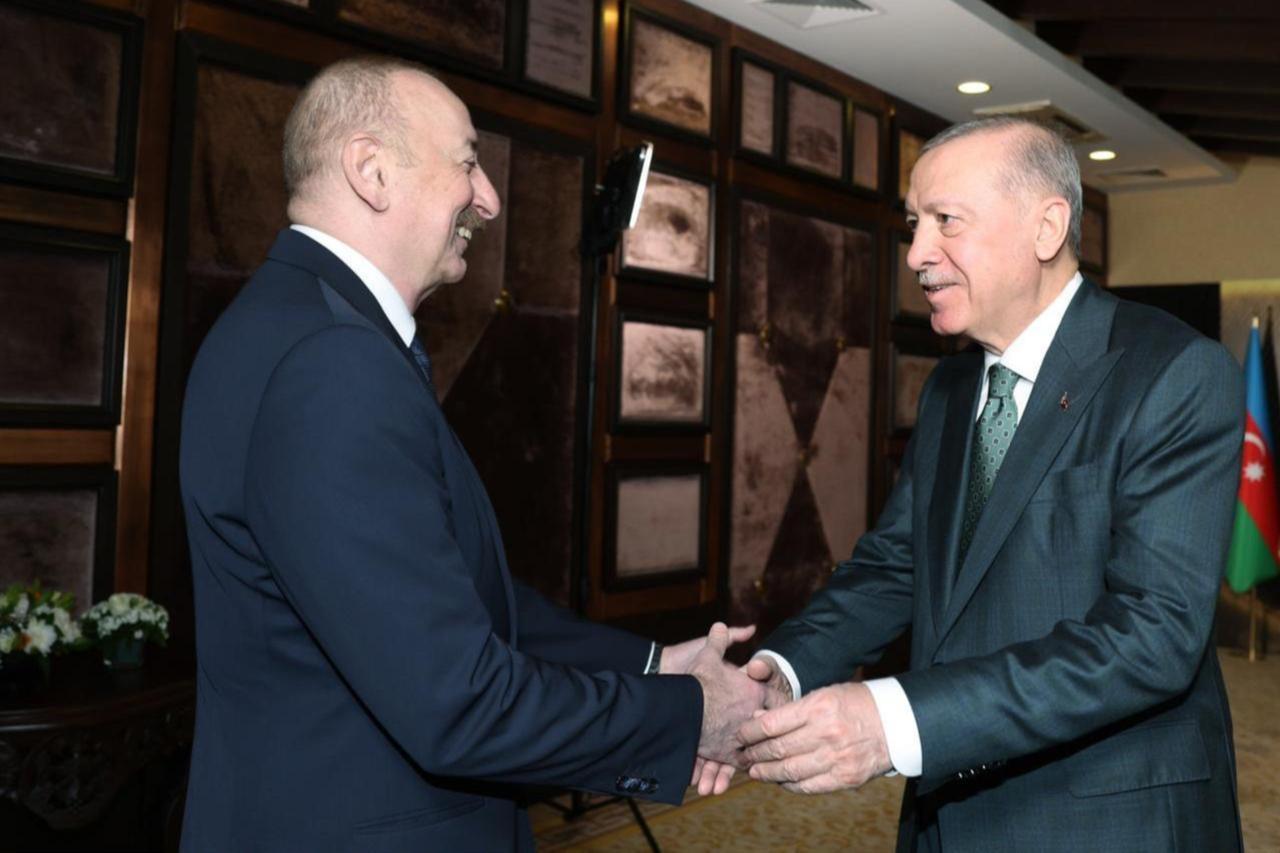
Yet today, this fiercely loyal ally is visibly frustrated with its "big brother." Historically, any friction between Ankara and Baku was quietly managed behind closed doors, confined to secure rooms and a tight-lipped inner circle.
But over the past two weeks, that discretion has ruptured into a highly televised diplomatic spat with nowhere to hide—providing a rare moment of shared entertainment for an unlikely audience watching eagerly from the sidelines: Israel and Iran.
Azerbaijan and Türkiye will do just fine. Yet, there are lessons-learned for both sides.
The tensions were felt for the first time when Azerbaijan's President Ilham Aliyev stated on Oct. 6, "We do not need anyone's help or anyone's patronage. Nobody helped us when we needed it. When we had 1 million refugees, nobody extended a hand to us. Whatever we have bought, we have bought with money. That includes all weapons as well, at world market prices—down to the last bullet."
Aliyev did not mention Türkiye, and it is still a mystery what he really meant.
Many found this statement highly offensive given Türkiye's vital support during the war in Karabakh.
This striking declaration followed a brewing dispute over Azerbaijan’s hijab ban—or a “dress code regulation in schools,” as it is officially called within its borders. Just days after a new regulation barred students and teachers from entering schools wearing the hijab, images of a few children and teachers waiting outside closed school doors surfaced on X. Turkish conservatives were quick to react, warning that Azerbaijan is making the exact same mistake Türkiye once made—a policy that alienated and victimized half the country. What the Turkish public likely did not realize, however, is that this regulation affects only a very small fraction of Azerbaijani society, standing in stark contrast to Türkiye's own historical experience.
As a reaction, Azerbaijani officials and prominent figures began issuing surprisingly furious statements. They declared that interfering in Azerbaijan’s domestic affairs was absolutely unacceptable. They believed that the anonymous social media accounts attacking Türkiye were quietly supported by the Turkish government. Yet, in reality, no official Turkish body was meddling in their business. Erdogan, or any minister, never talked about it. Instead, Baku's hypersensitivity to critical commentary on Turkish social media escalated the issue into the friction we see today.
One Azerbaijani journalist, Saida Beqirkizi, even pointed out the irony, noting that while Turks were blasting Azerbaijan over the hijab ban, Türkiye was hit by a massive flood that "closed their own schools." Yet, what many in Azerbaijan failed to grasp is that these same Turkish conservatives frequently criticize their own government's handling of various issues. Türkiye's president is not elected with 92% of the vote, and the Turkish social media sphere is filled with critical commentary directed at everyone.
To Türkiye, Azerbaijan is not just another hydrocarbon-rich country with good caviar.The tight cultural, ethnic, and historical bonds between the two nations have traditionally kept such friction behind closed doors. As a result, it was startling to see senior Azerbaijani officials get so enraged over social media chatter that was hardly endorsed by the Turkish state. The highest-level involvement was a single advisor to President Erdogan publicly criticizing Azerbaijan on social media—and that was it.
Reading between the lines of almost every recent statement coming out of Baku reveals a desire to assert its own distinct Turkic approach and identity, explicitly rejecting Persian and Arabic influences in the social sphere.
Looking deeper, the subtle message may be that Azerbaijan views itself as the "true" Turkic nation. It is a rather bold claim for a country governed by a Soviet apparatus for decades until 1991, especially when compared to the Ottoman Empire—Türkiye’s predecessor—which was the longest-surviving Turkish empire and continuously maintained Turkish as its official language.
This cultural friction, however, may be merely the surface. It is occurring against a backdrop of subtle geopolitical maneuvers that further test the relationship.
Just recently, Israeli President Isaac Herzog bypassed a Turkish airspace ban by flying to Baku on a scheduled commercial Azerbaijan Airlines flight. Notably, Azerbaijan did not notify Ankara of this workaround, quietly facilitating the trip despite Türkiye's clear and vocal stance on the airspace restriction.
Turkish Foreign Minister Hakan Fidan stepped in this week to de-escalate the situation in Baku. Fidan warned that the Türkiye-Azerbaijan bond—one “tested in war and crisis”—should not be eroded by differences or exploited by those looking to drive a wedge between the two nations.
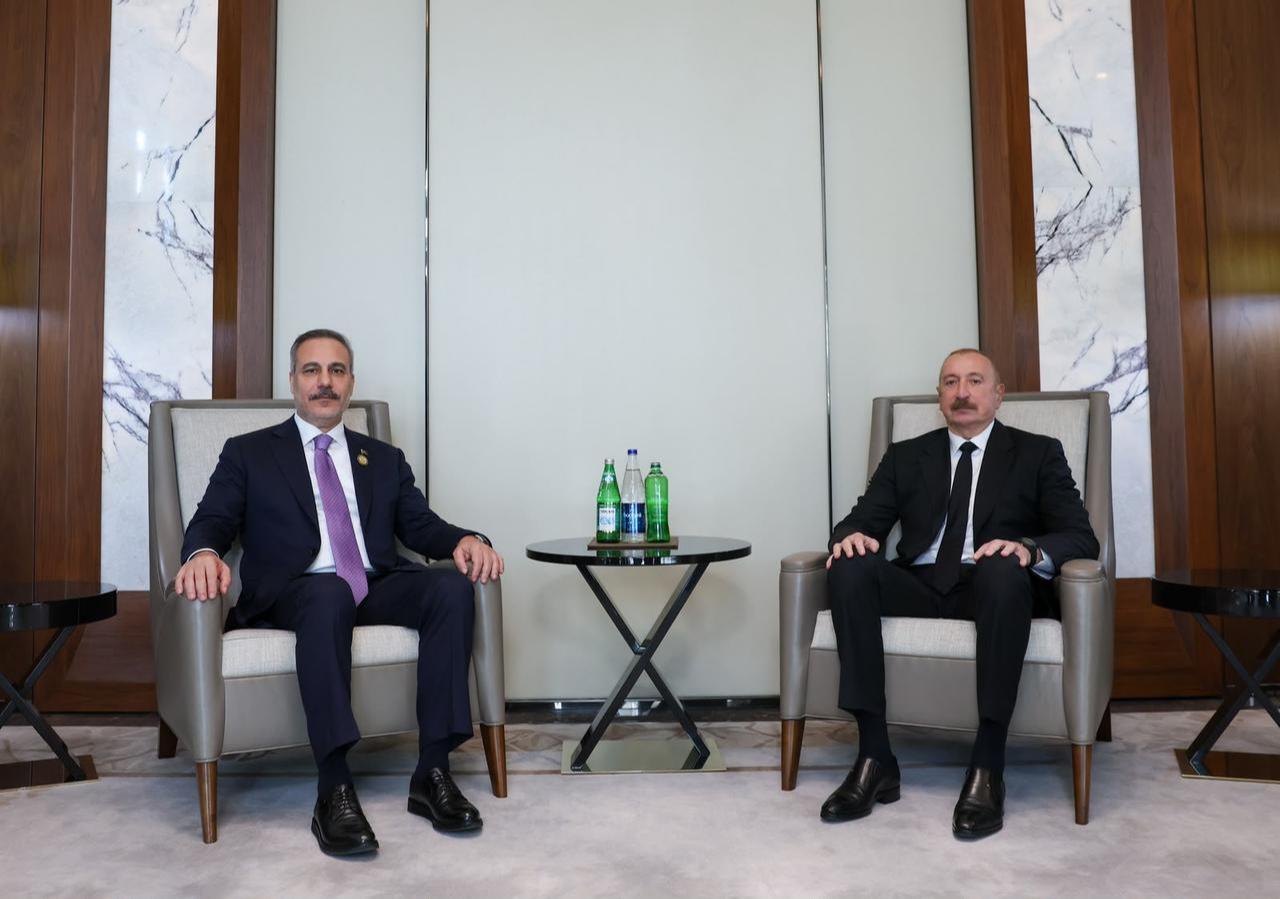

He is right: any long-term scar in Turkish-Azerbaijani relations would delight Israel and Iran, an unlikely duo in this case. His intervention highlights a growing anxiety in Ankara that external actors—whether in Tehran, Moscow, Tel Aviv, or beyond—might capitalize on these public spats.
Ultimately, the famed motto “One Nation, Two States” sometimes collides with the cold reality of divergent opinions. Emboldened by its historic military victory in Karabakh and its newfound leverage as an energy provider to Europe, Azerbaijan wants more recognition. He feels his older brother gets toxic at times and doesn't treat him as an equal. The brotherhood remains intact, but it may have entered a new, pragmatic era—one bound strictly by national interests.


 Set as preferred source
 Set as preferred source


 5 min read