Newsletters


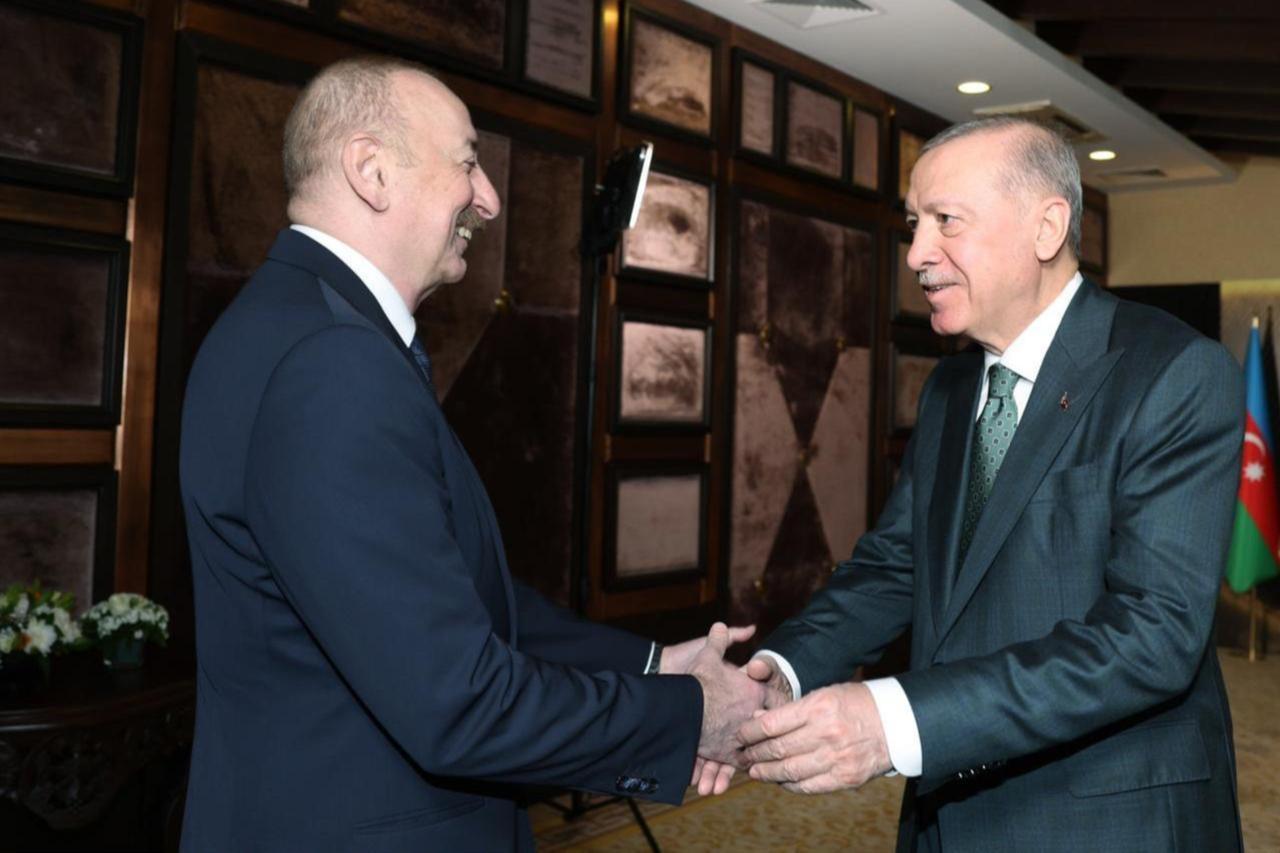


Azerbaijan's recent headscarf dispute has drawn attention to differences in regional priorities within its longstanding strategic partnership with Türkiye. Restrictions affecting girls' access to education warrant scrutiny, but the criticism from Turkish political figures prompted a broader response from Baku.
Azerbaijan's ruling party defended its relations with Israel while invoking the principle of "one nation, two independent states" to emphasize the limits of outside interference in domestic affairs.
Türkiye and Azerbaijan reached a high point of military cooperation during the 2020 Karabakh war. Subsequent developments have changed the regional conditions in which both countries pursue their interests.
The war in Ukraine altered the balance in the South Caucasus, while the conflicts following October 7, 2023 widened the distance between Ankara's and Israel's regional policies. The war in Iran has added another complication.
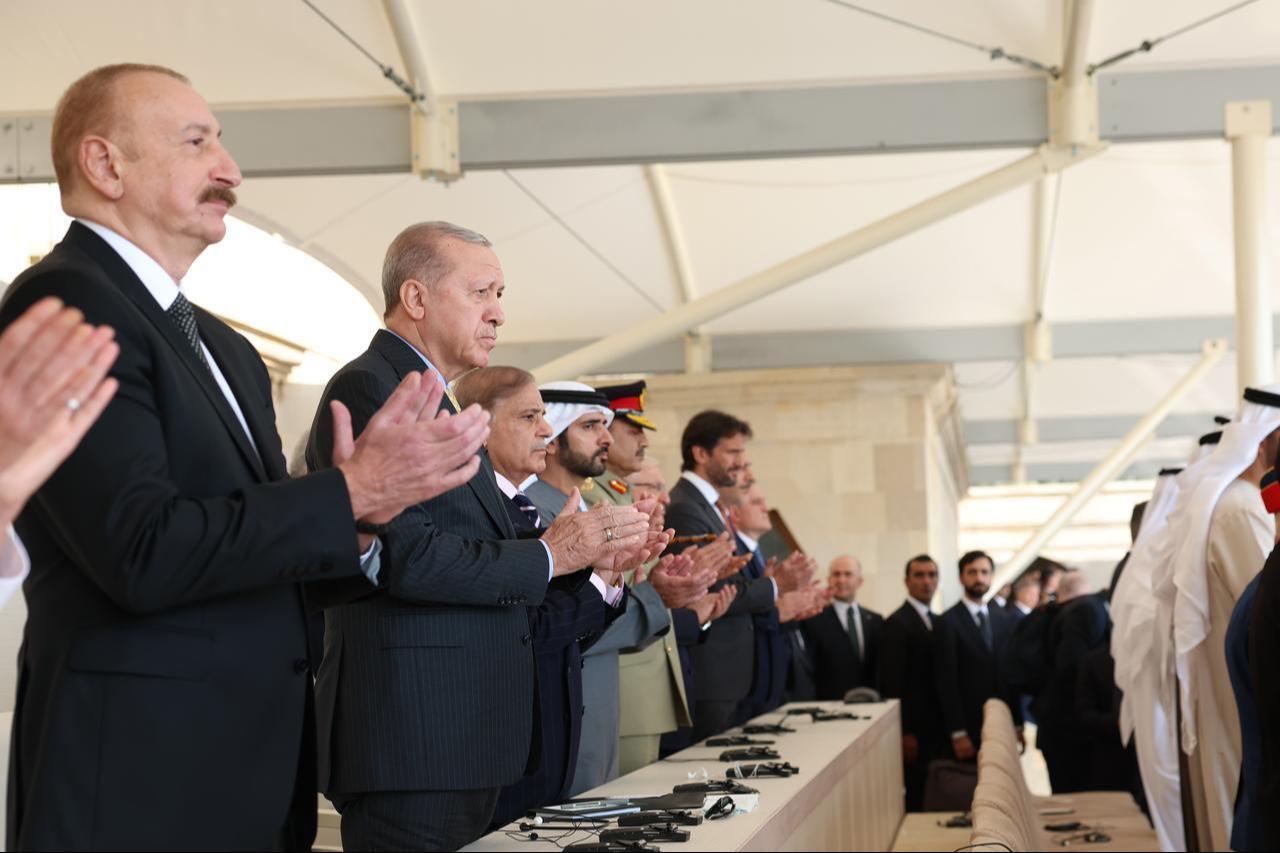

Azerbaijan's 2020 victory drew partly on the effective use of Turkish-made drones and Israeli precision weapons. The war strengthened an already extensive defense partnership with Türkiye, while Azerbaijan's establishment of control over the remainder of Karabakh in 2023 substantially changed its security position.
With Russia committed to its war in Ukraine, arrangements that once gave Moscow a central role in the South Caucasus have become less decisive. Azerbaijan can now pursue broader diplomatic opportunities from a stronger position without weakening its Turkish alliance.
As Baku's regional position has strengthened, its ability to pursue independent relationships has also grown, alongside an enduring strategic partnership with Ankara.
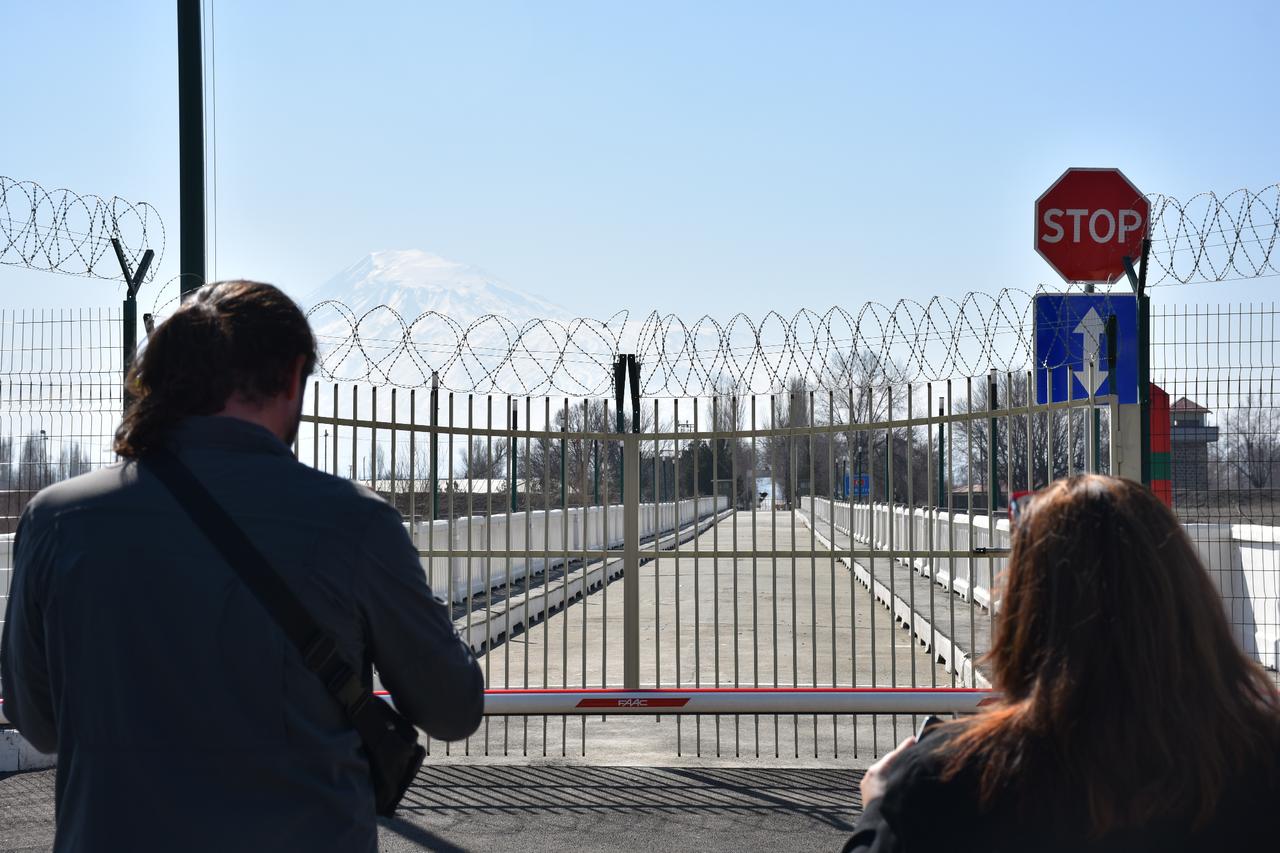
The clearest institutional change concerns access to Nakhchivan. Under the 2020 ceasefire arrangements, Russian border guards were assigned a role in supervising the prospective connection through Armenia. The US-sponsored Trump Route now offers a different framework, preserving Armenian sovereignty while involving Washington in developing the route.
This arrangement provides Baku with another means of securing access and gives the United States a more direct stake in the South Caucasus. Türkiye stands to gain improved connectivity with Azerbaijan and Central Asia. Ankara also sees commercial opportunities in a broader opening with Armenia, particularly for its eastern provinces.
These interests largely reinforce one another, although Baku's immediate concern with reliable access to Nakhchivan gives it a different perspective on the conditions and implementation of regional normalization.
A new connection, however, does not guarantee commercially competitive transit. The proposed Armenian route remains unbuilt, while limited Caspian shipping capacity constrains the wider Middle Corridor. Georgia's existing infrastructure also continues to handle substantial freight.
Azerbaijan's bargaining position improves when several routes offer viable alternatives, including connections through Iran. Its growing influence therefore depends partly on maintaining workable relations with neighboring countries. Türkiye benefits from much of the same connectivity but approaches regional trade from a larger market with established access to Europe.
Their common interests remain strong, even where the two governments assign different importance to particular regional developments.
Azerbaijan's relationship with Israel operates through a separate set of interests. Israeli weapons have contributed to Baku's military capabilities, although Türkiye remains its largest major arms supplier.
Azerbaijani crude also accounted for 46.4 percent of Israel's oil imports in 2025. These longstanding relationships provide substantial commercial and security benefits. Meanwhile, Ankara increasingly regards Israeli military activities in Syria and its defense cooperation with Greece and Cyprus as challenges to Turkish interests.
Azerbaijan consequently maintains important relationships with countries whose regional security priorities sometimes differ considerably. By defending its relations with Israel in the same response, Baku brought the wider question of independent foreign-policy choices into what had begun as a dispute over school regulations.
Syria illustrates the complexity of this position. Türkiye supports the development of stronger Syrian state institutions, while Israel has acted against military deployments it considers threatening. Baku has an interest in maintaining its established partnerships with both countries.
Azerbaijan has also facilitated contacts between Ankara and Israel, reflecting its preference for preventing their disagreements from escalating. The practical value of this diplomatic position depends on keeping both relationships functional.
Cooperation between Ankara and Baku across the Caucasus and Central Asia remains considerably more extensive. Their armed forces joined Uzbekistan in a 2026 military exercise involving operations across Karabakh, Nakhchivan and the Caspian Sea, reflecting growing interoperability.
Azerbaijani gas deliveries to Syria through Turkish infrastructure likewise demonstrate common economic interests beyond the South Caucasus. Azerbaijan's expanding diplomatic options coexist with an increasingly institutionalized security relationship with Türkiye, allowing Baku to address different regional requirements through different partnerships.
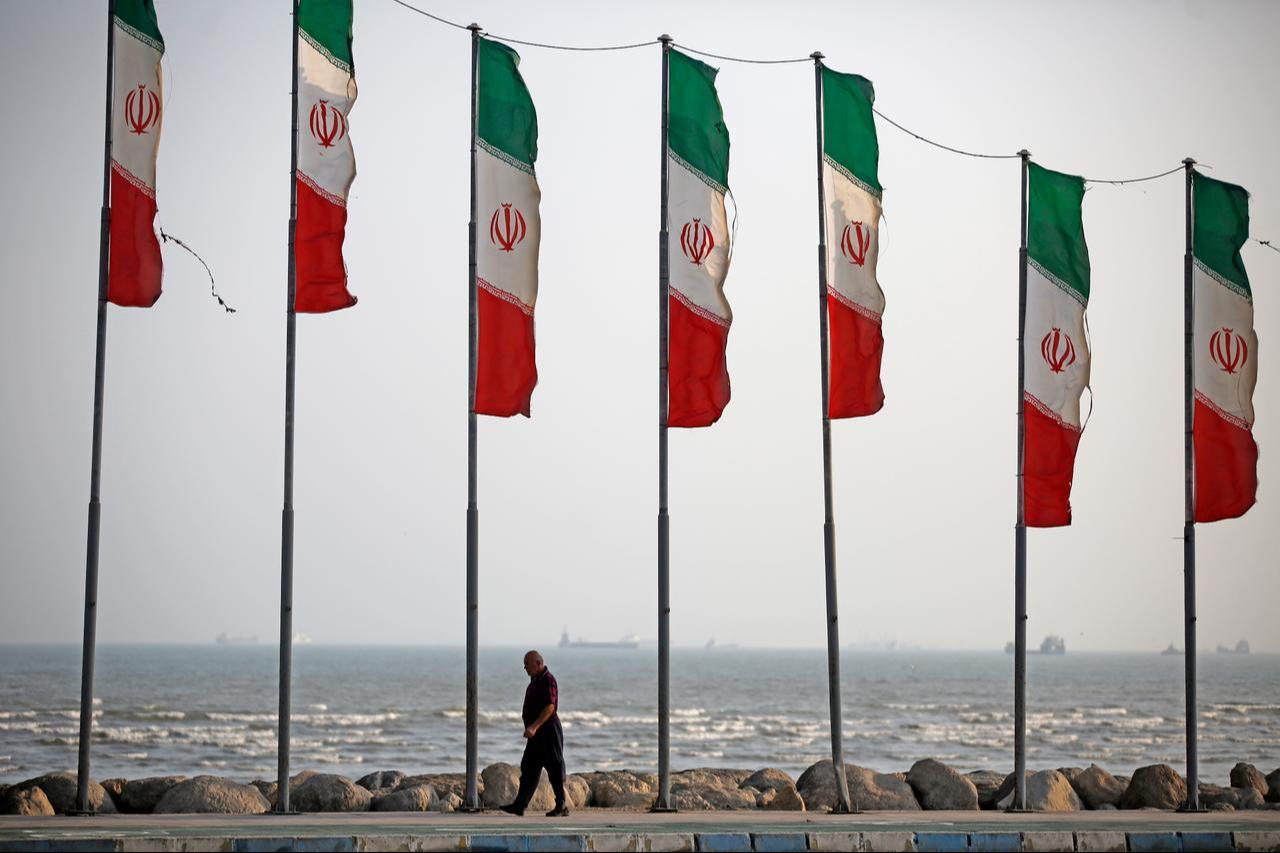
More than seven months into the war, Iran retains functioning state institutions and substantial influence over regional energy security. Türkiye seeks to limit further escalation in its neighborhood while remaining concerned about the implications of greater Israeli military influence.
Azerbaijan has its own security concerns regarding Tehran, and a reduction in Iranian military pressure could serve some of its interests. Yet Baku's geographical position creates different constraints. Economic links with Iran remain important, and the Aghband-Kalaleh transport connection continues to advance.
Azerbaijan's interests therefore overlap with Israel's on certain aspects of Iran's military power, while its proximity and economic relationship with Tehran reinforce its common interest with Türkiye in regional stability.
The recent headscarf dispute has demonstrated how differences that governments ordinarily manage can become politically contentious. Such disagreements deserve careful consideration as Azerbaijan's wider diplomatic relationships interact with Türkiye's own regional priorities.
Foreign Minister Hakan Fidan's emphasis on preserving strategic relations despite differing approaches provides a practical basis for navigating these developments.
The partnership's extensive military and economic foundations allow Ankara and Baku to address their different regional concerns while preserving the common interests that continue to underpin their alliance.


 Set as preferred source
 Set as preferred source


 7 min read