Newsletters




Anyone following the Armenia-Azerbaijan and Armenia-Türkiye normalization processes since Azerbaijan’s September 2023 takeover of Nagorno-Karabakh may feel a sense of déjà vu.
Repeated calls, statements and meetings, culminating in the August 2025 Washington Declaration and the initialing of the Armenia-Azerbaijan peace agreement, have fueled expectations of a breakthrough, including the opening of the Armenia-Türkiye border and the signing of the peace agreement.
And yet, the loop continues: despite Armenia’s numerous concessions, Azerbaijan insists that Armenia amend its constitution—a demand that is tortuous for Yerevan to address—holding broader regional normalization hostage.
Over the past few years, Armenia has taken a largely constructive approach and, as the weaker party, made numerous concessions to Baku and Ankara in pursuit of normalization.
Following Azerbaijan’s takeover of Nagorno-Karabakh in September 2023, Prime Minister Nikol Pashinyan effectively turned the page on the Karabakh issue, declaring it closed in March 2025. His government ended financial and political support for Nagorno-Karabakh’s former institutions and moved to close their representation in Yerevan. Pashinyan even repudiated the Karabakh Movement (which sought the unification of Nagorno-Karabakh with Armenia) as a trap that threatened Armenia’s very existence.
He also abandoned calls for the return of Karabakh Armenians, arguing that competing return claims (Armenians to Azerbaijan and Azerbaijanis to Armenia) could undermine peace with Azerbaijan. His vision of a “Fourth Republic” (the third being post-Soviet Armenia) breaks with the three-decade-old public narrative of unity among Armenia, the diaspora, and Karabakh and their shared commitment to the Karabakh cause.
Beyond the issue of Karabakh, and to finalize the text of the Azerbaijan-Armenia peace agreement, Yerevan made two further concessions to Baku in March 2025. It agreed to bar the deployment of third-party forces along the shared border once the agreement was signed, retreating from its earlier position that such forces should be excluded only from delimited sections. It also agreed to withdraw interstate cases from international courts, abandoning its earlier preference to do so only after the peace agreement was signed. Baku’s insistence on their withdrawal itself suggested that Armenia’s cases posed a meaningful legal risk to Azerbaijan.
Armenia has also taken a flexible and constructive approach to Azerbaijan’s demand for access to Nakhijevan through Armenian territory. Yerevan agreed to provide unimpeded access to Nakhijevan while retaining its sovereignty over the route, first under the November 2020 trilateral statement by Armenia, Azerbaijan, and Russia that ended the Second Karabakh War, and again under the August 2025 Washington Declaration.
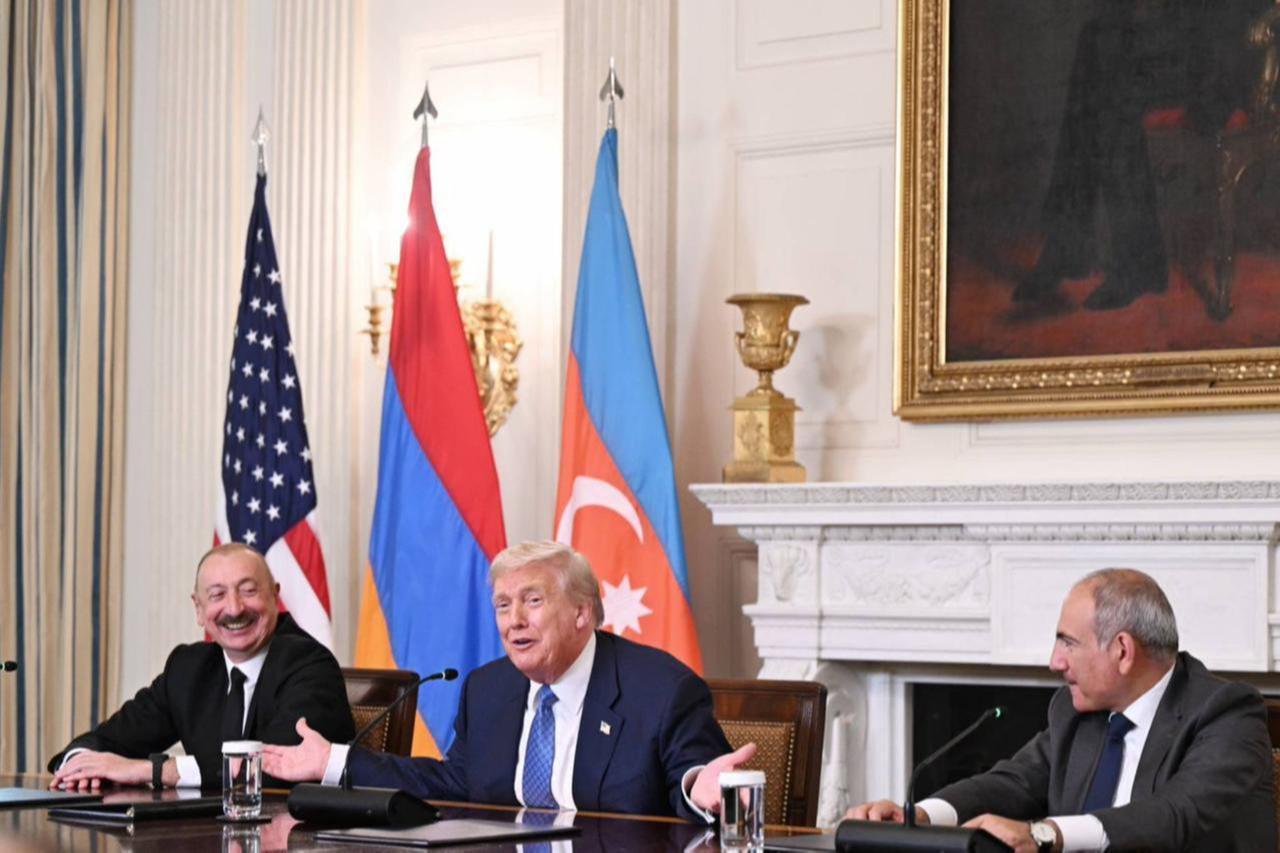

Azerbaijan has taken meaningful steps toward normalization, too. Baku has eased tensions along its border with Armenia, where no casualties have been recorded since February 2024. Since late 2025, Azerbaijan has also begun selling gasoline and diesel to Armenia and allowing Russian and other goods bound for Armenia to transit its territory by rail via Georgia. But Baku often acts unconstructively while insisting on a difficult precondition.
Baku has made ratification of the peace agreement conditional on changes to Armenia’s constitution, whose preamble refers to the country’s 1990 Declaration of Independence. That declaration, in turn, cites the December 1989 joint decision of Soviet Armenia’s Supreme Council and the Nagorno-Karabakh National Council on the unification of Nagorno-Karabakh with Soviet Armenia. Azerbaijan considers this reference a territorial claim.
In September 2024, Armenia’s Constitutional Court ruled that the preamble’s reference to the Declaration of Independence applies only to those provisions of the declaration that are enshrined in the Constitution itself, effectively affirming that Armenia’s constitution contains no territorial claims against Azerbaijan. Despite this ruling, Armenia’s ruling party has sought to accommodate Baku’s demand. The problem, however, is that although the ruling party won the June 2026 elections, it failed to secure the constitutional majority needed to amend the constitution.
Even as it demands that Armenia remove language it considers a territorial claim, Azerbaijani officials endorse the concept of “Western Azerbaijan” that portrays part of present-day Armenia as historic land of Azerbaijanis, and call for the return of 300,000 Azerbaijanis to Armenia. One cannot help but wonder how constructive this approach is, particularly when Armenia has refrained from demanding changes to Azerbaijan’s constitution, despite believing that it contains territorial claims against Armenia, has set aside the issue of Karabakh Armenians’ return, and has not raised the issue of Armenian refugees who fled Azerbaijan in the late 1980s and early 1990s.
Moreover, although Armenia has agreed to provide unimpeded access to Nakhijevan under the Trump Route for International Peace and Prosperity (TRIPP) while retaining its sovereignty over the route, Baku continues to frame the route as part of the “Zangezur Corridor,” which, in President Aliyev’s explanation, entails that Azerbaijani citizens and cargo should transit Armenian territory without undergoing Armenian border checks, the very expression of sovereignty in the case of an international border crossing. This demand carries an extraterritorial logic that Yerevan rejects and that is at odds with the TRIPP’s commitment to preserving Armenian sovereignty.
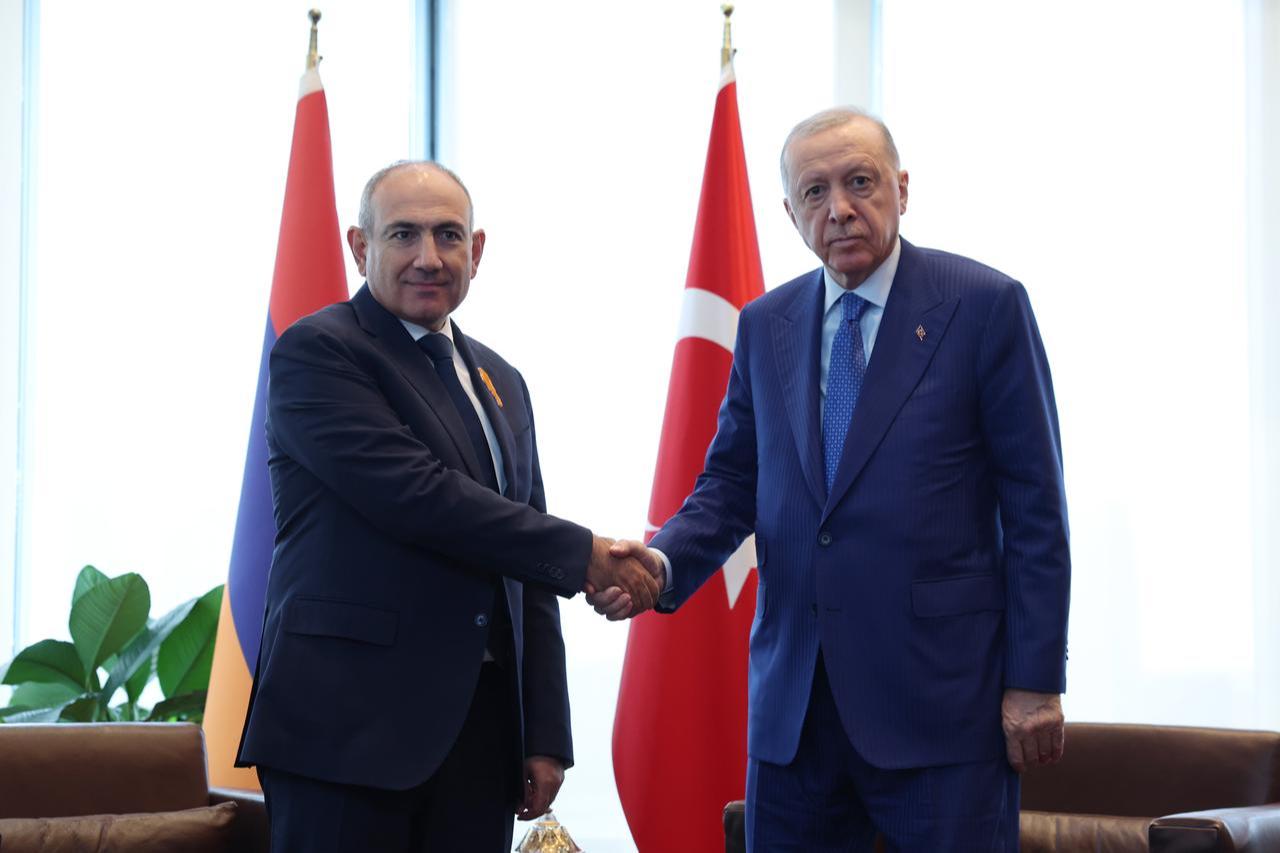
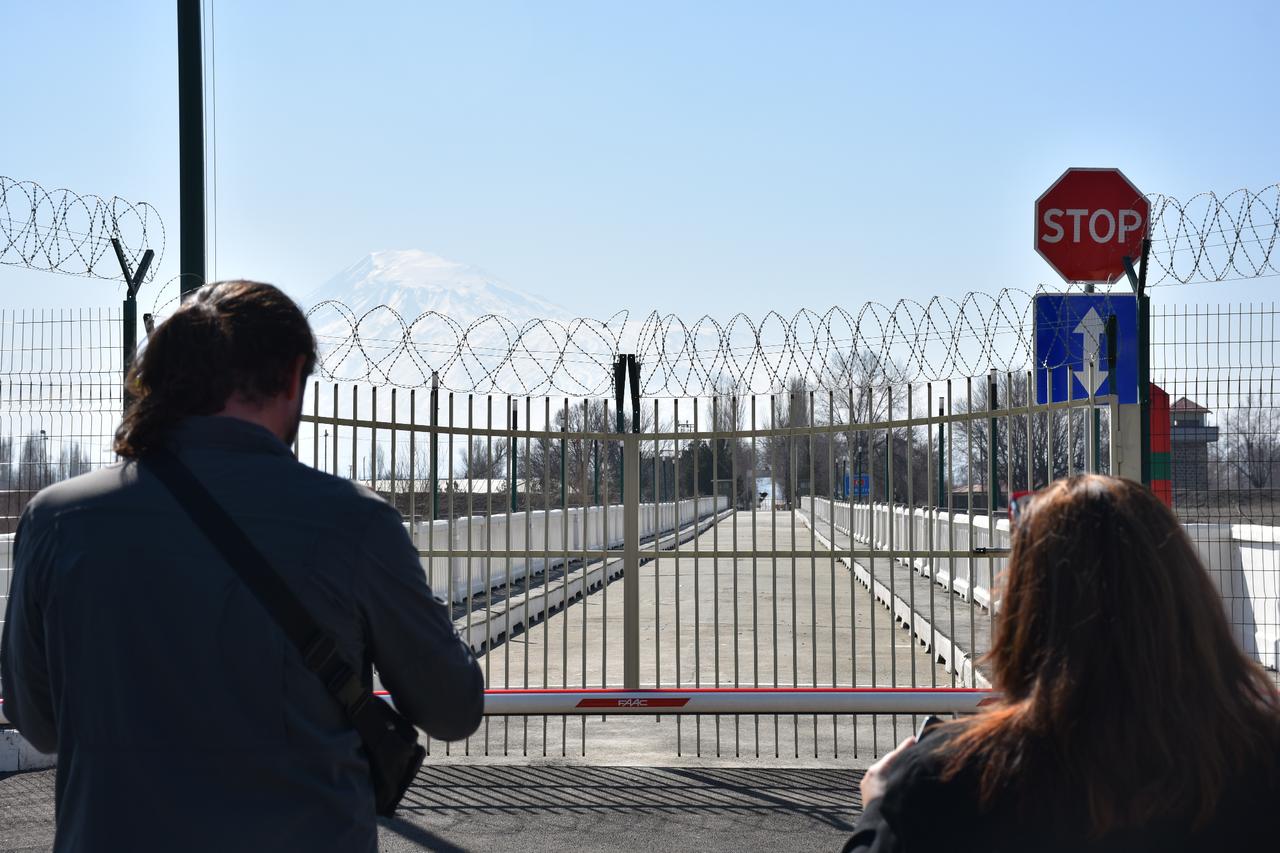
These issues, particularly the constitutional precondition, have stalled normalization across the region, including the Armenia-Türkiye rapprochement. The process initially showed some promise: in 2022, Armenia and Türkiye agreed to gradually open their land border, beginning with third-country nationals. More than four years later, however, that agreement has yet to be implemented.
Türkiye has long linked normalization with Armenia to progress on the Armenia-Azerbaijan peace process. Ankara has pursued an “Azerbaijan-first” policy, which meant not taking significant steps toward normalization without a “green light” from Baku, likely calculating that the costs of straining relations with Azerbaijan would outweigh the benefits of full normalization with Armenia.
The lack of progress on normalization not only runs counter to President Erdogan’s commitment to promoting peace and stability in Türkiye’s neighborhood, but also arguably undermines Ankara’s ambitions to play a greater role in the South Caucasus. A stronger Turkish presence and greater regional connectivity would reinforce Türkiye’s position as a logistics and energy hub, but realizing this potential requires normalization with Armenia and the reopening of their shared border.
Some may see the current “no war, no peace” situation as acceptable for Türkiye and Azerbaijan, given their advantageous position vis-a-vis Armenia. Yet amid regional conflicts, Middle Eastern realignments, and growing Russia-West tensions, this lull could prove temporary. For Ankara, the risk is that continued long-term instability could either push the Armenian government away from its constructive approach or bring to power a government less willing to accommodate Turkish and Azerbaijani demands and more inclined to rely on other powers to resist pressure from Baku and Ankara.
Baku’s leverage over Ankara, its difficult demands on Armenia, and Türkiye’s “Azerbaijan-first” policy appear to have created a vicious cycle: Azerbaijan’s preconditions delay the signing of a peace agreement with Armenia, which in turn holds back Armenia-Türkiye normalization. That, in turn, impedes progress toward a more integrated and stable South Caucasus.
Armenia has taken many steps, including painful ones, to advance regional stability, while Azerbaijan continues to insist on its precondition about the constitution that Armenia might not be able to address due to legal constraints. This leaves the ball in Türkiye’s court. Ankara could start by finally implementing what it agreed to in 2022—opening the borders with Armenia to third-country nationals. The step would be symbolically important, signaling Türkiye’s commitment to normalization to Armenia and all partners seeking peace and prosperity, and demonstrating that its policy toward Armenia is not dictated by Baku.


 Set as preferred source
 Set as preferred source


 1 min read
 1 min read