Newsletters


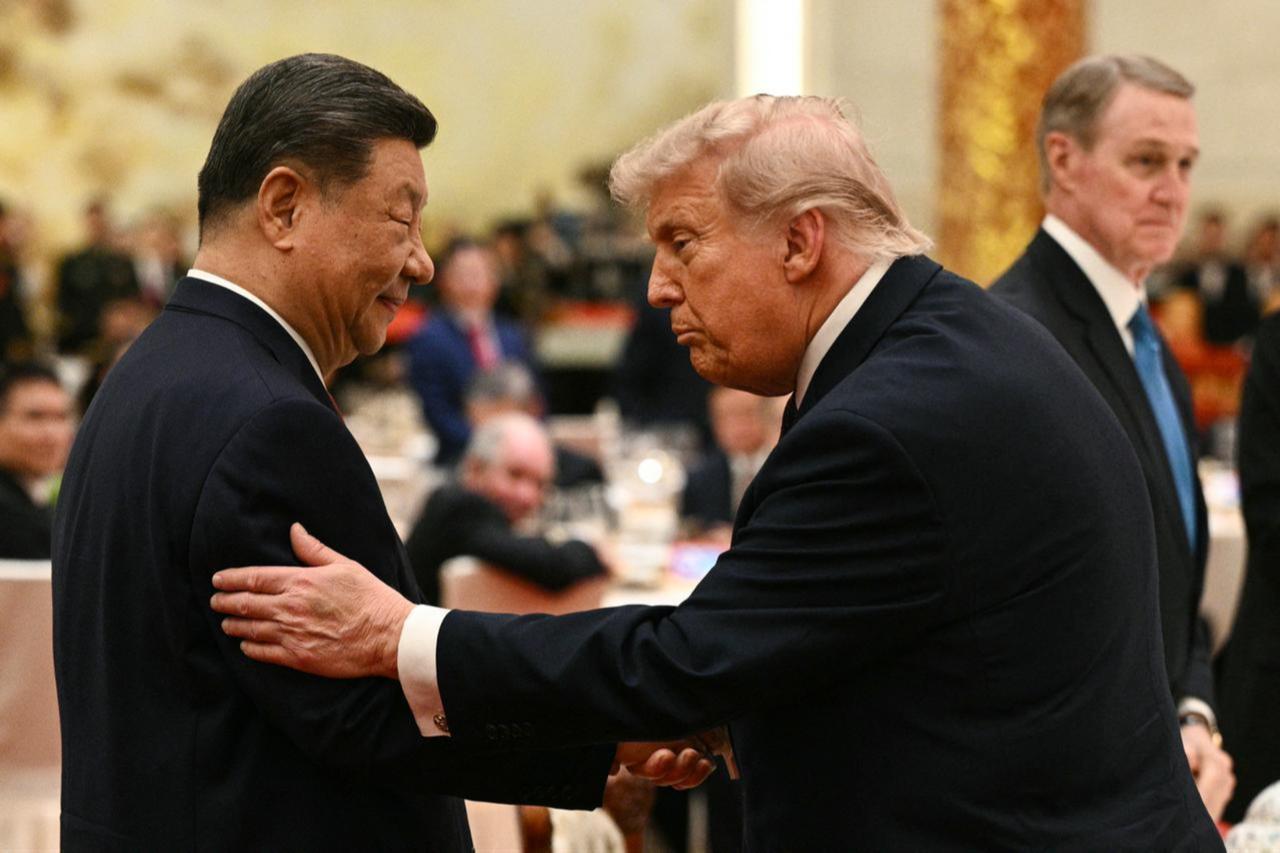


When Chinese leader Xi Jinping warned U.S. President Donald Trump about Taiwan during their Beijing summit on May 14, 2026, Trump had already left Beijing behind—geographically distant from China, strategically from Taiwan, mentally preoccupied with Iran.
With the Iran war consuming three months of his administration, Trump needed Xi's help. Xi, by contrast, arrived with a fixed priority: Taiwan.
For China, Taiwan was the issue that mattered the most. Both leaders were negotiating in different currencies. Taiwan, caught in between them, had no voice in either conversation.
The pattern emerged across several dimensions. Administratively, the arms package remained unapproved; diplomatically, Taiwan was absent from official readouts; and politically, Trump offered no public commitment that would clearly reaffirm U.S. support.
Together, these signals suggested that Washington was treating Taiwan less as a fixed security commitment than as an issue that could be deferred while other priorities took precedence.
Faced with economic pressure at home, Trump appeared willing to leave Taiwan in suspension while seeking Chinese help on Iran. Taiwan, long reliant on American attention, was left watching as Washington looked elsewhere.
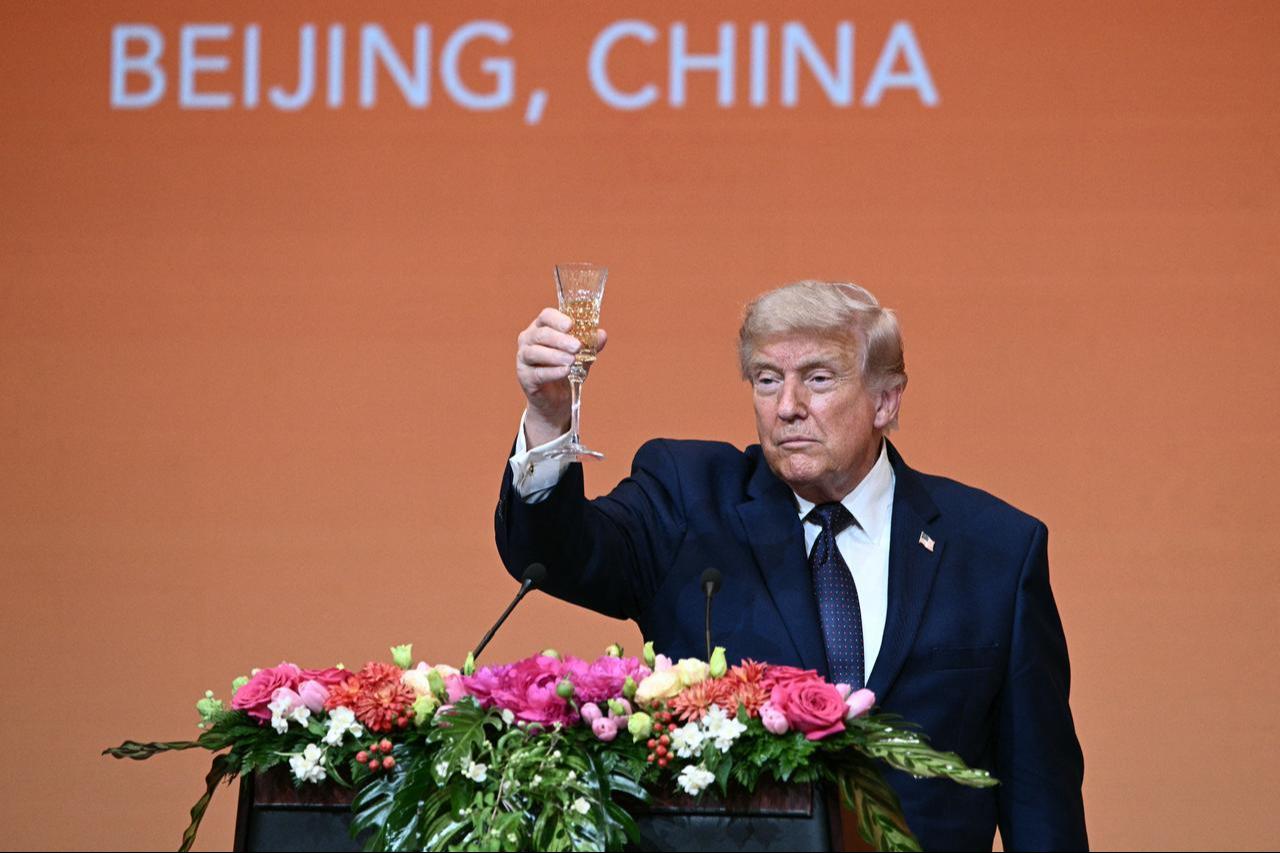

For Xi, Taiwan is the one issue that cannot be bargained away. It is not merely a matter of territory or trade, but of sovereignty, historical grievance, and domestic legitimacy. In Chinese political discourse, the “Taiwan question” is a matter of national pride, which leaves little room for visible compromise.
That is why Xi returned to the same warning throughout the summit: Taiwan's independence and cross-strait peace are “irreconcilable as fire and water.”
Trump arrived with a different kind of pressure. The Iran war was draining his presidency and fueling economic discontent at home. As the November midterms approached, the mounting costs were becoming a political vulnerability he could not ignore.
Trump, therefore, needed Xi's cooperation—whether through China’s leverage over Iranian oil, its diplomatic support, or its ability to pressure Tehran. Xi was well-positioned to exploit that leverage.
The imbalance was clear. Xi came with a fixed red line; Trump came needing results. That asymmetry shaped the meeting and constrained what each side could afford to give up.
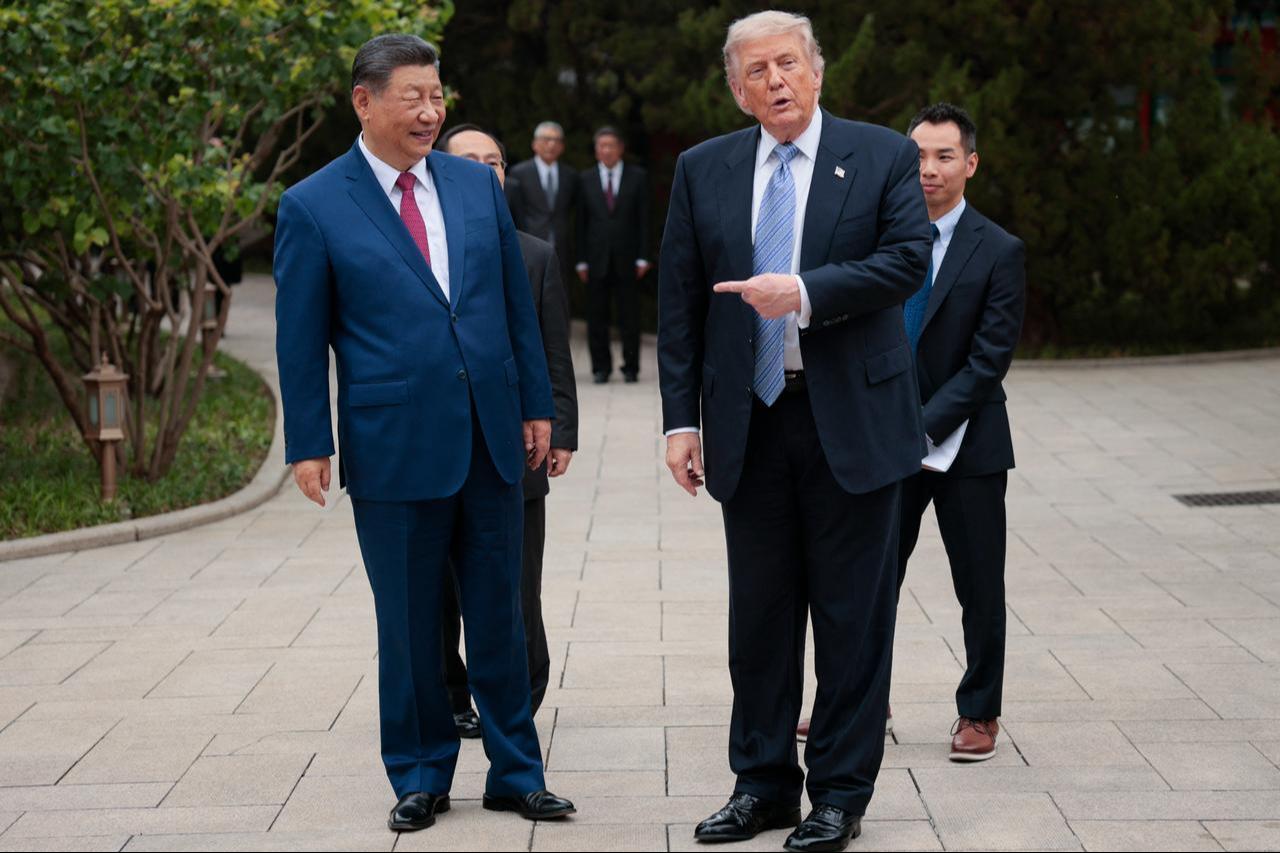
Trump’s vulnerability was evident in his handling of Taiwan’s $14 billion arms package, which is still awaiting approval. Rather than authorize delivery, he refused to commit: “I haven’t approved it yet. We’re going to see what happens. I may do it. I may not do it.”
That was not the language of reassurance. It was the language of delay, and in this context, delay carried strategic meaning.
By leaving the package unresolved while seeking Xi’s cooperation on Iran, Trump signaled that Taiwan was not a top priority. In deterrence politics, uncertainty is not neutral; even delay can function as a signal when adversaries are testing resolve.
This was more than a routine bureaucratic pause. At minimum, it suggested a willingness to keep Taiwan’s security in suspension while broader negotiations remained in play.
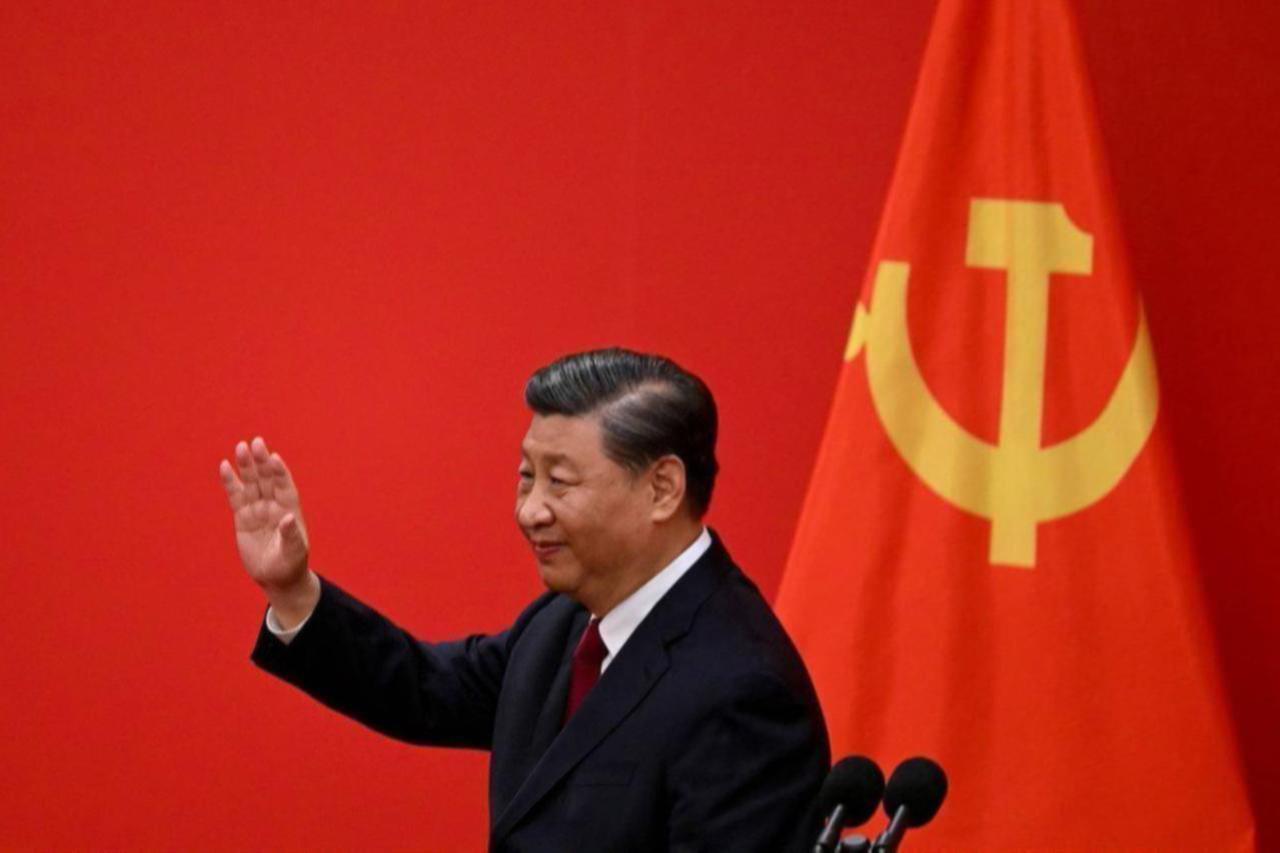
The summit's official statements told a revealing story. Xi's statement, released by China's state media, repeatedly emphasized Taiwan as a non-negotiable issue, as the red line that could not be crossed.
Trump's White House readout made no mention of Taiwan at all. It discussed trade, energy cooperation, and Iran. Taiwan, which had supposedly been "a major topic" before the summit, was absent from the American record.
Yet the pattern is telling.
Taiwan only features prominently in American diplomatic statements when Washington faces domestic or regional pressure on the issue.
Trump faced immediate political pressure on Iran, but no comparable domestic urgency on Taiwan. That imbalance helps explain why Iran featured in the readout while Taiwan did not.
The statement revealed the hierarchy of Trump's priorities. Iran was worth documenting. Taiwan was worth omitting.
Official readouts do not provide a complete transcript of summit diplomacy, but they do reveal which issues each side chooses to foreground publicly.
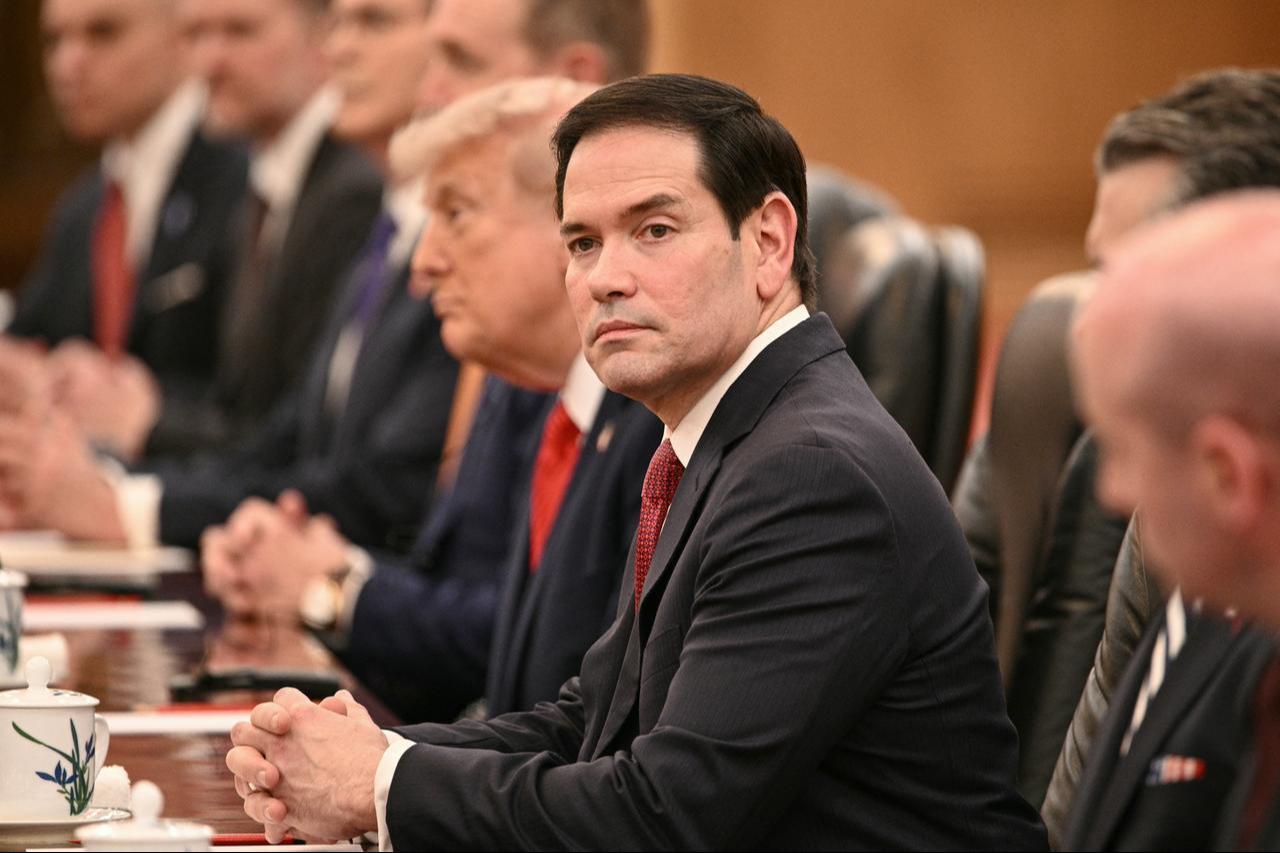
When Trump was asked directly about Taiwan during his visit to China, he offered no answer. The silence was striking not simply because a question went unanswered, but because it suggested a broader lack of urgency.
For half a century, American policy toward Taiwan has rested on strategic ambiguity, the deliberate cultivation of uncertainty about whether the United States would come to the island’s defense.
But ambiguity and silence are not the same. Ambiguity preserves uncertainty while affirming relevance. Silence sends a different message. It leaves the impression not of caution, but of detachment. In that sense, Trump’s silence was not merely an omission.
It was a signal that Taiwan was slipping from the center of American concern.
Taiwan understood the constraints and responded quickly. Its foreign ministry stated plainly that “Taiwan is sovereign and independent” while reaffirming its commitment to the status quo.
It also insisted that U.S. policy toward Taiwan “remains unchanged,” pushing back against any suggestion that the summit had weakened American support.
At the same time, Taipei sought to redefine the source of instability, arguing that China’s military aggression, not Taiwan’s democratic existence, was the real threat to peace.
This was a disciplined and careful response. Taiwan was not silent, passive, or confused about the stakes. However, its message was undercut by American indecision.
Trump declined to commit to the arms package, while Xi remained focused on reinforcing Beijing’s position.
Taiwan’s effort to frame the issue on its own terms was therefore lost by two larger powers discussing its future without meaningfully incorporating its voice.
The counterargument to this interpretation would caution against reading into a single summit. U.S. policy toward Taiwan is not shaped by presidential rhetoric alone, but by a long-standing legal and strategic framework.
The Taiwan Relations Act of 1979 commits Washington to ensuring that Taiwan retains the means to defend itself, while the 1982 Six Assurances signaled that U.S. arms sales to Taiwan would not be subject to prior consultation with Beijing.
Congressional support, institutional policy continuity, and the broader logic of deterrence—all suggest that one summit, however unsettling, does not by itself amount to a durable revision of U.S. commitments.
Seen this way, Trump’s hesitation may reflect transactional instinct and diplomatic indiscipline without necessarily weakening the deeper structure of U.S.-Taiwan relations.
Even so, in deterrence politics, perceptions matter almost as much as formal commitments, and visible hesitation can carry strategic consequences before any official shift in policy occurs.
Trump’s immediate political attention is directed toward Iran, whereas Taiwan’s vulnerability stems from the limits of sustained American strategic focus.
The principal risk is not necessarily explicit abandonment, but a more gradual weakening of deterrence through delay, silence, and omission, all of which may raise doubts about American resolve.
From this perspective, the significance of the Beijing summit lies not in a formal change of policy. It lies in the possibility that Taiwan becomes more exposed when it is subordinated to competing strategic priorities.


 Set as preferred source
 Set as preferred source


 2 min read
 1 min read