Newsletters


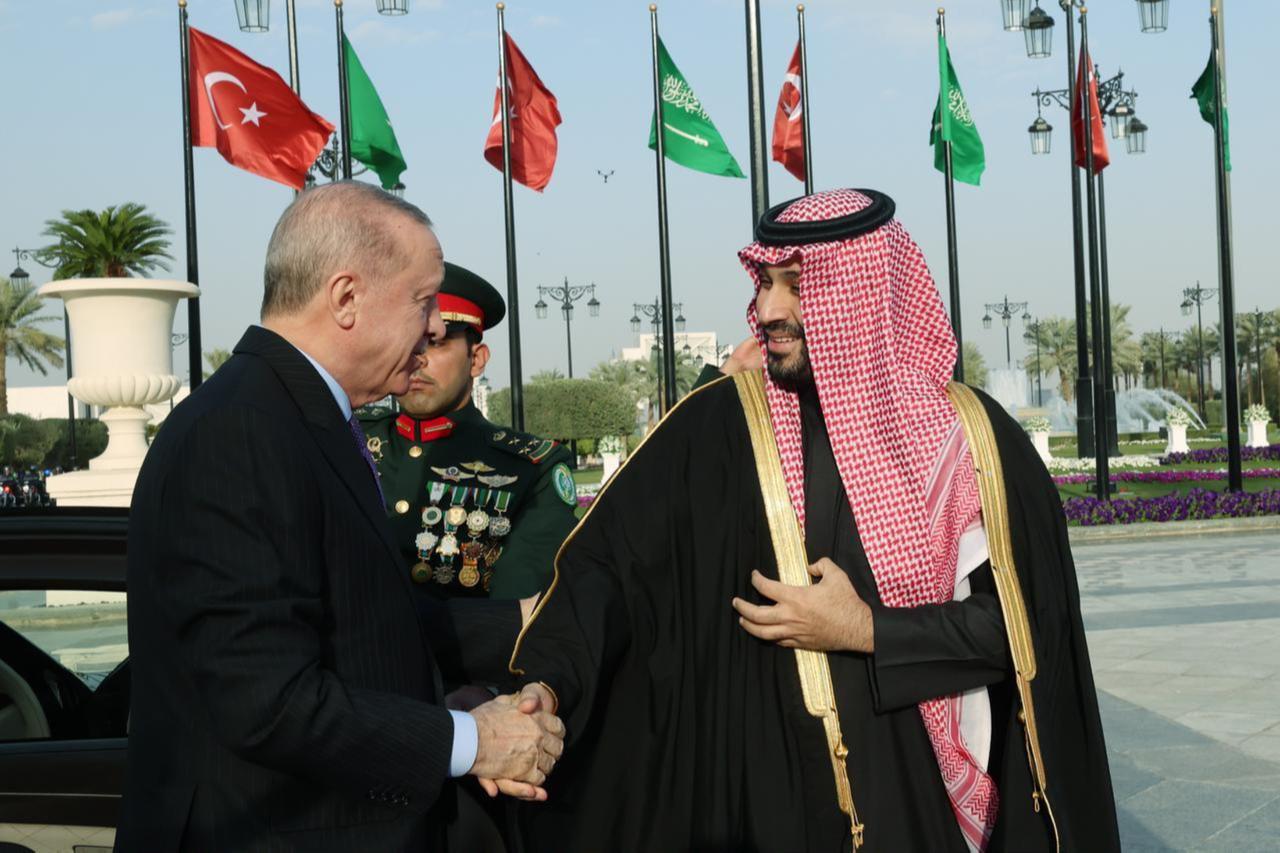


Turkish President Recep Tayyip Erdogan has made his second official visit to Saudi Arabia since the normalization process began.
The foundation for this era was laid during Erdogan’s breakthrough visit to Riyadh on April 28, 2022, a gesture swiftly reciprocated by Crown Prince Mohammed bin Salman’s trip to Ankara just two months later in June.
These high-level diplomatic exchanges have yielded concrete economic results. The restoration of ties is evident in the balance sheets: bilateral trade volume has surged from approximately $6.5 billion in 2022 to $8 billion by 2025.
Throughout the 2010s, the Middle East’s two Sunni heavyweights, Türkiye and Saudi Arabia, were locked in a cycle of friction and rivalry. Yet, as we look at the region in 2025, a distinct new path of strategic cooperation has emerged.
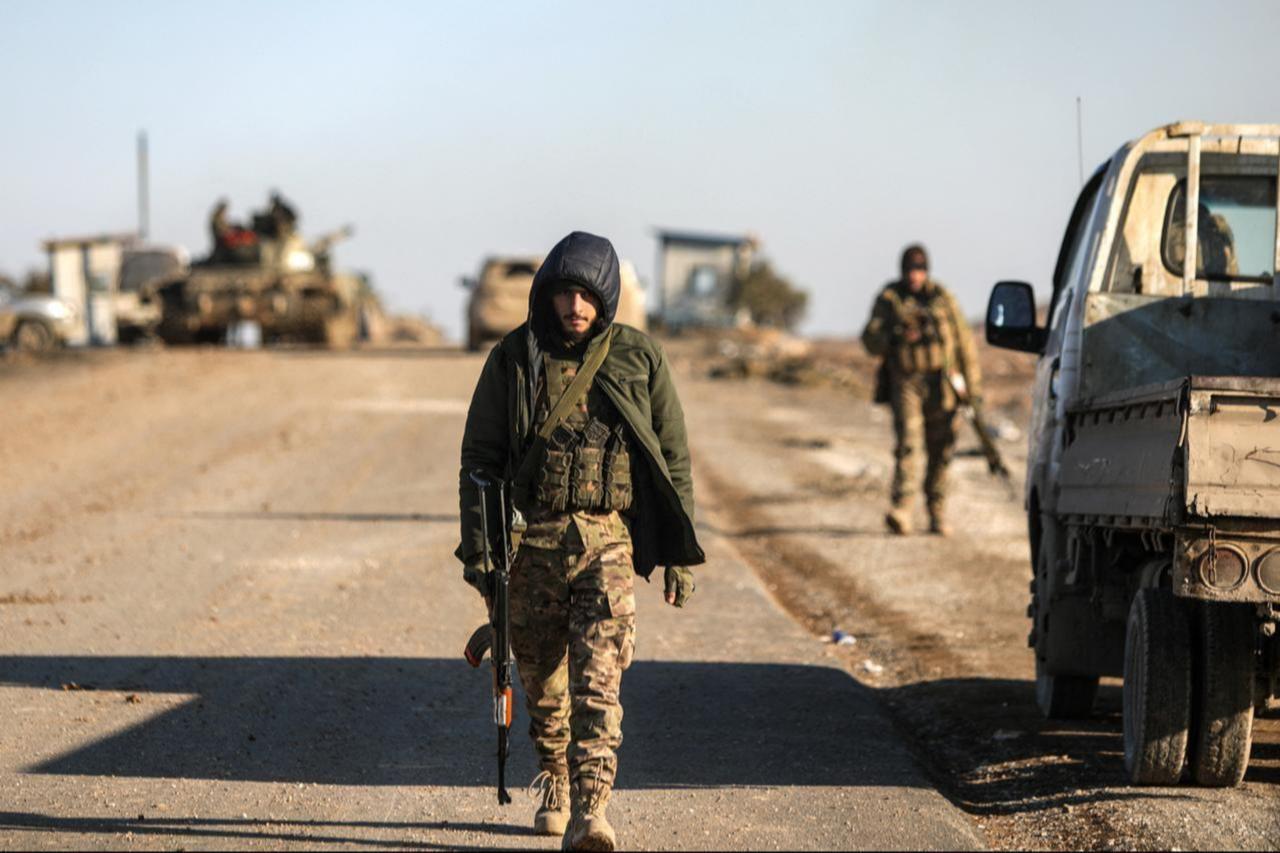
Ankara and Riyadh aren't just talking about diplomacy anymore. Both countries are now tied together by the harsh realities of a changing region. Their partnership is forged in the fire of crisis management: keeping Syria stable, backing Burhan in Sudan, fighting for unity in Yemen, coordinating Libyan chaos, and trying to steer a new peace process in Gaza.
This shift raises a fundamental question: how did these two powers go from fierce ideological clashes in the past decade to the coordinated, strategic partnership we see today?
 2 min read
The years between 2010 and 2014 shattered the Middle East’s ideological and geopolitical landscape.
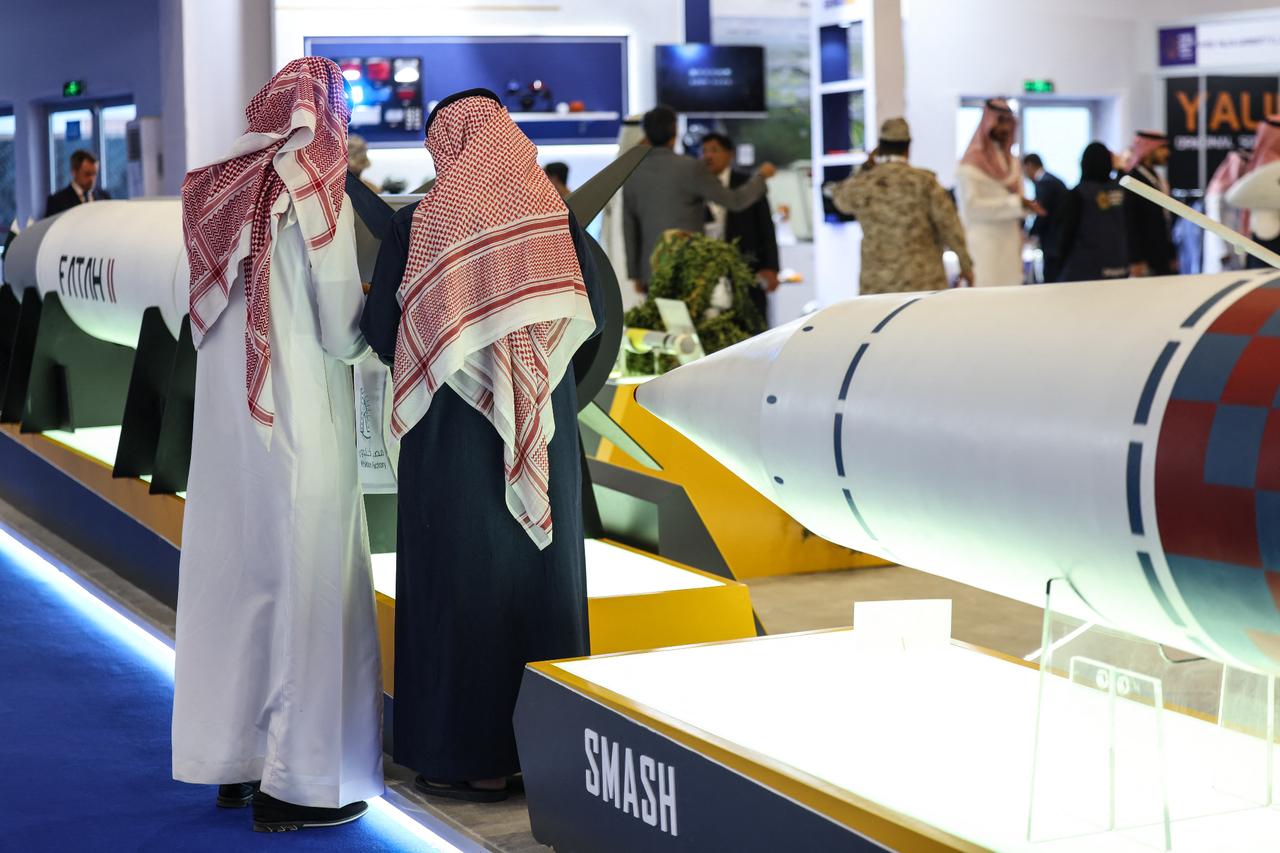
The primary catalyst was the Arab Spring. As uprisings threatened the established regional order, Türkiye and Saudi Arabia found themselves on opposite sides of the divide.
This split was not caused by personal animosity between leaders but by structural necessity—shaped by different geographies, national security understandings, and social priorities.
Türkiye, viewing itself through the lens of its Ottoman heritage, anchored its vision for the Middle East on change and reform. Ankara’s strategy was to ride the wave of popular movements, expanding its sphere of influence through the newly established regimes that replaced old, one-man regimes.
Saudi Arabia, conversely, viewed the preservation of the status quo as existential to the monarchy. For Riyadh, change was synonymous with political and maybe social chaos and an open door for Iranian expansionism.
This clash of visions inevitably pitted the two nations against one another, creating a diplomatic deep freeze. Coordination became impossible, fueling unresolved, proxy-driven conflicts in theaters like Syria, Libya, and Sudan.
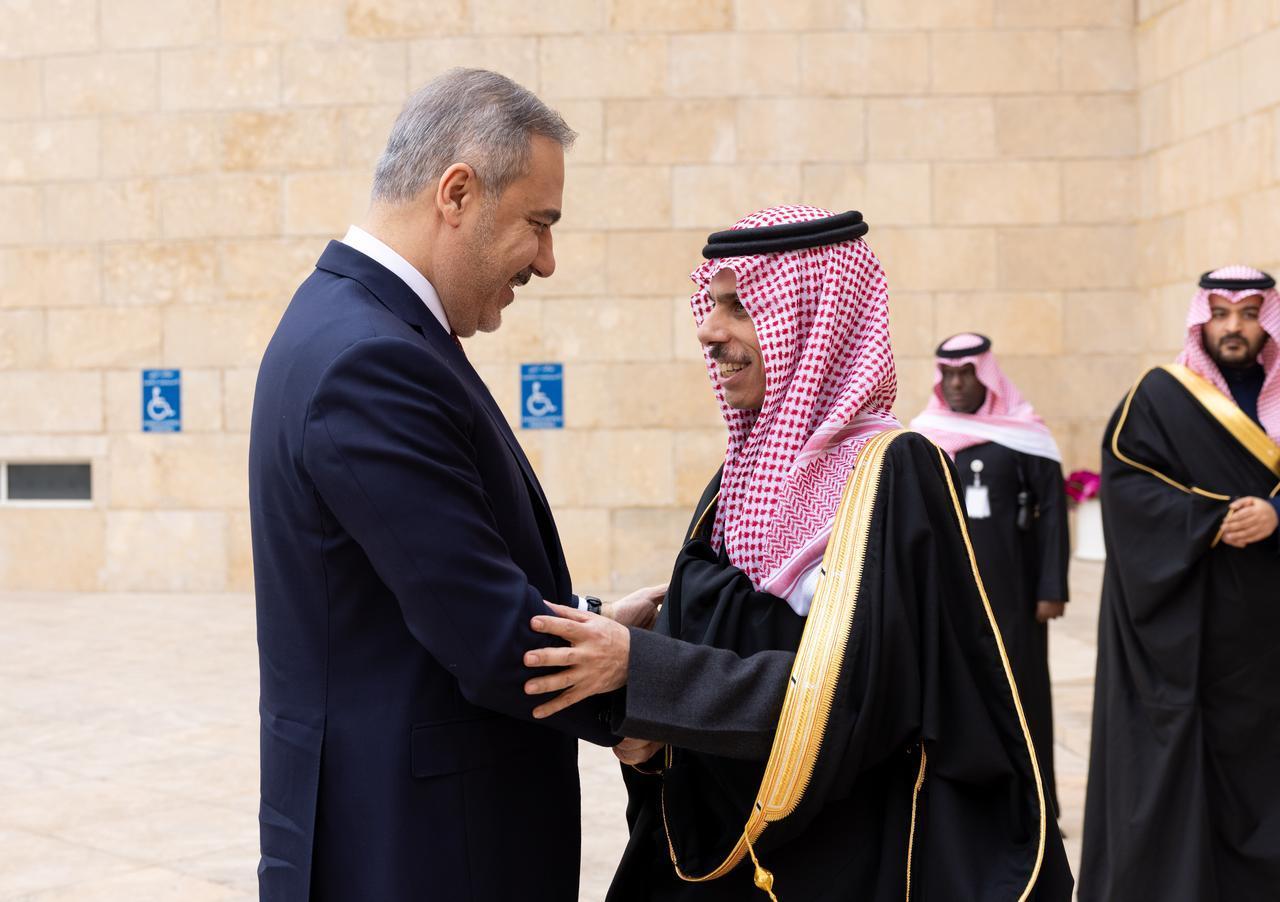

By the 2020s, however, the cost of this confrontation became untenable for both capitals. Ideological rigidity gave way to economic pragmatism and security coordination.
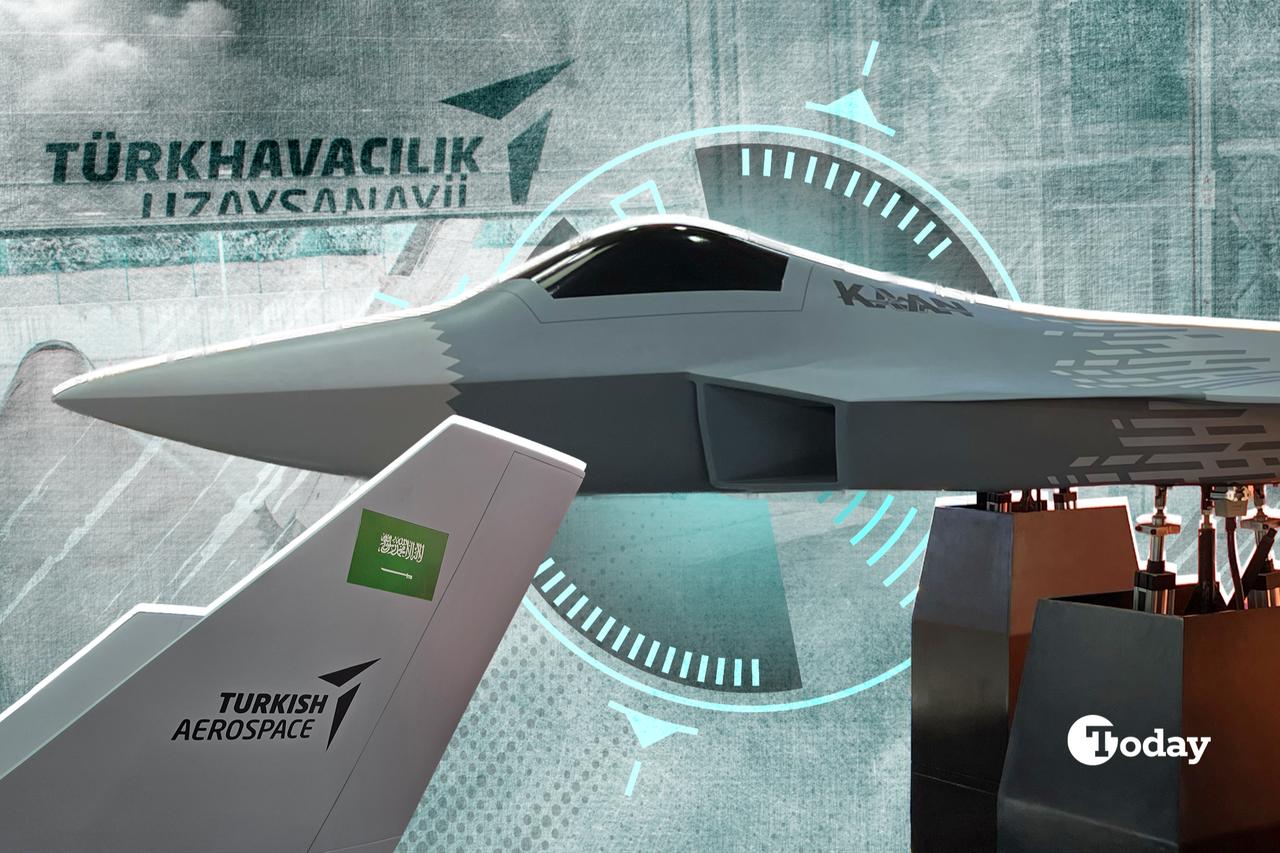
The rift narrowed, replaced first by commercial cooperation and then, more critically, by partnerships in the defense industry.
This trend has arrived at the Saudi Defense Electronics Company (SADEC), a joint venture established by the Turkish firm ASELSAN and Saudi partners, following a series of agreements initiated in 2015.
But the partnership reached a historic apex in July 2023, when Baykar signed a contract to export the Bayraktar AKINCI Unmanned Combat Aerial Vehicle (UCAV) to the Saudi Ministry of Defense. Recorded as the largest defense and aerospace export deal in the history of the Turkish Republic.
As the United States pivoted its focus to China, Latin America, Greenland, and Canada and its regional footprint waned, Ankara and Riyadh were compelled to pursue strategic autonomy to safeguard their interests.
Türkiye’s breakthrough capabilities in defense technology and Saudi Arabia’s security vulnerabilities became complementary pieces of a single puzzle.
The adhesive binding them was no longer hindered by their contest for leadership of the Islamic world but rather by the necessity of forging a collective shield against potential regional threats and current conflicts.
The Abraham Accords and the normalization of bilateral ties between Israel, Bahrain, and the UAE further upended the regional balance.
This emerging bloc presented unique challenges for both Ankara and Riyadh. Saudi Arabia remained cautious, treating the establishment of a Palestinian state as a precondition for joining, thereby protecting its legitimacy domestically and across the Muslim world.
Türkiye initially reacted with sharp opposition, fearing isolation along a geopolitical arc stretching from the Eastern Mediterranean to the Gulf.
But Ankara quickly realized that emotional responses yield only strategic loneliness. Abandoning the revisionism of the previous decade for a hard-nosed realism, Türkiye chose to coordinate with this new bloc rather than collide with it.
The definitive turning point in this partnership arrived on Dec. 8, 2024, with the fall of the Baath regime in Syria and the collapse of central authority in Damascus.
In geopolitics, when a buffer zone disintegrates, the resulting vacuum necessitates the intervention of neighboring powers, lest chaos spill over their borders.
It became clear that the new government in Damascus could not achieve rapid stabilization on its own.
This is where the new understanding between Türkiye and Saudi Arabia proved vital. Joint action in crisis zones—whether in Syria, Sudan, or Libya—not only expedites solutions but also curbs the influence of extra-regional actors such as Russia.
Driven by Türkiye’s security imperatives in the north and Saudi Arabia’s quest for stability in the Arab heartland, the two powers have effectively merged their files, proving that in the new Middle East, cooperation is no longer a luxury—it is a survival strategy.
Yet what is the visceral fear that is accelerating this strategic embrace? The answer lies in the shifting role of Israel. Tel Aviv has evolved from a state focused on ensuring its own survival to one seeking a hegemonic position across the Middle East.
By expanding its operational theater to encompass Qatar, Iran, Lebanon, and Yemen, Israel has fundamentally upended the regional balance of power.
This expansionism poses a dynamic challenge, constraining the diplomatic maneuverability of both Ankara and Riyadh.
For Saudi Arabia, the equation is delicate: Israeli military operations in Gulf nations like Yemen and Qatar encroach upon the Kingdom’s traditional sphere of influence—its own backyard.
While Riyadh has long viewed Israel as a strategic counterweight to Iran, it has no desire to see Tel Aviv supplant Tehran as the dominant, unchecked force in the Gulf.
For Türkiye, the stakes are equally high. Israel’s growing aggression along the Lebanon-Syria axis directly threatens Türkiye’s southern flank and challenges its projection of power in the Eastern Mediterranean.
The shared realization is stark: both powers are now navigating a region where Israel’s ambitions are no longer just a variable but a defining constraint.
However, the deepening ties between the two countries extend well beyond what trade statistics alone can measure. Whether this alignment crystallizes into a mutual defense treaty is yet to be seen.
Nevertheless, the current geopolitical landscape will necessitate further structured mechanisms for Saudi-Turkish coordination. That much is certain.


 Set as preferred source
 Set as preferred source


 1 min read