Newsletters




The term “Neo-Ottomanism” continues to circulate not only among media commentators and self-styled experts operating outside academic scrutiny but also in policy circles. Its endurance owes less to analytical rigor than to its convenience as a catch-all explanation for Ankara’s posture.
Given the years of exposure to domestic political messaging and by observing politicians whose relevance has long since faded, those living in Türkiye and fluent in Turkish know that in Türkiye’s domestic and foreign policy of the 2020s, this term is no longer used and is widely regarded as outdated.
The label often treats Türkiye’s autonomy as an emotional relapse into history rather than a response to structural shifts in regional order. Such readings flatten policy debates and obscure the material drivers shaping decision-making in Ankara and, by drifting away from reality, risk undermining viable channels of diplomatic communication.
The result is a narrative lag that recycles assumptions from a previous decade. It struggles to account for the security shocks and economic constraints that now define the region.
In the early 2010s, Türkiye’s foreign policy prioritized diplomatic engagement and cultural influence under the banner of “zero problems with neighbors.” This approach sought to leverage economic integration and historical familiarity as stabilizing tools.
The Arab uprisings disrupted those premises through state collapse, militia politics, and cross-border insecurity. Ankara, though, took time and hardly admitted the situation, recalibrating accordingly, shifting emphasis from attraction to deterrence.
Military footprints in Syria, Libya and the South Caucasus emerged from this reassessment. They reflected immediate national interests rather than any attempt to revive imperial hierarchies.
With these steps, the explanatory power that the concept of Neo-Ottomanism once offered for certain elements of Turkish foreign policy was set aside and relegated to retrospective analysis. While academic circles identified this shift earlier, international media in particular embraced the concept enthusiastically and continued to rely on it, often failing to accurately grasp daily life in Türkiye and the actual priorities commanding the state’s attention.
Even the contrast between the figures shaping Turkish foreign policy illustrates part of this transition from soft power to hard power. The shift from Ahmet Davutoglu, a social scientist by training, to Hakan Fidan, a former intelligence chief with a security-oriented background, tells part of that story.
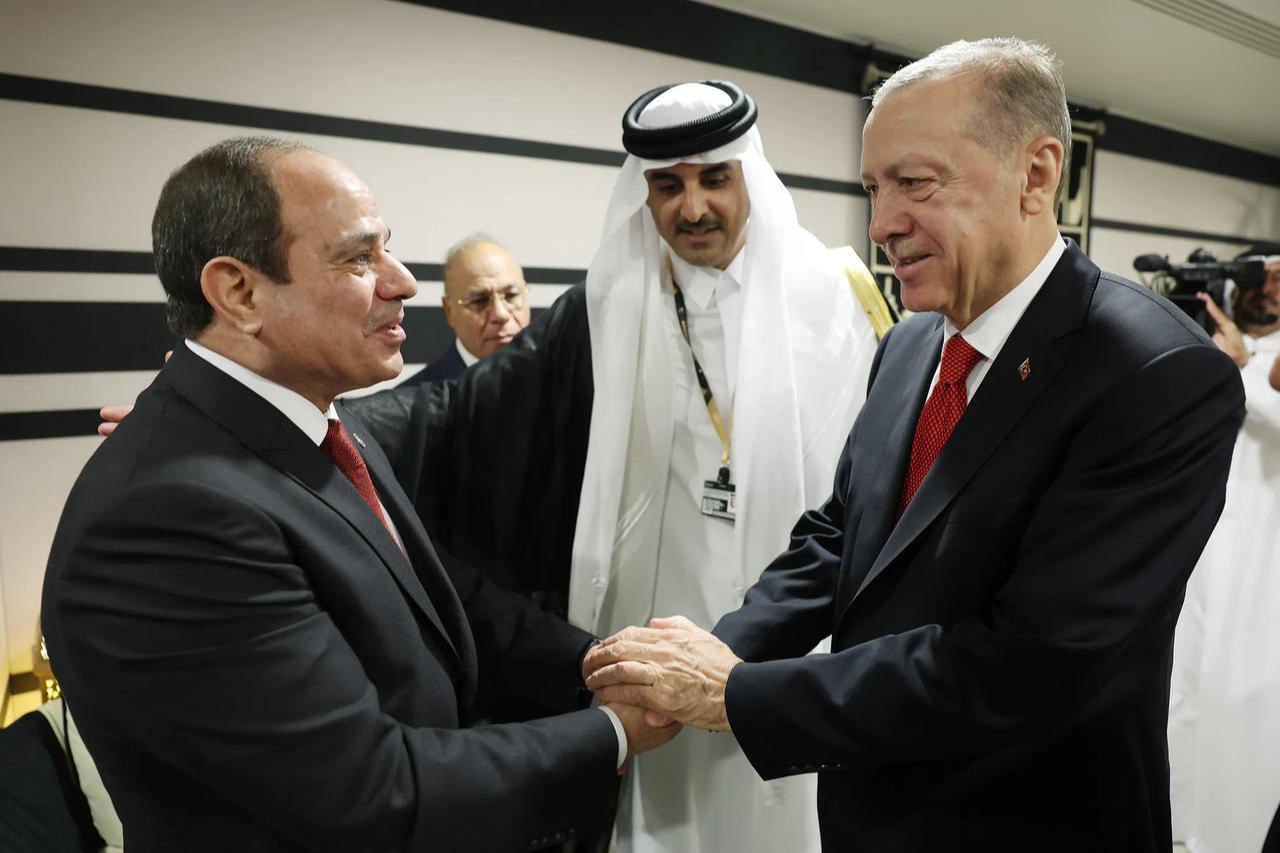

Persistent Neo-Ottoman ambition would have limited reconciliation with regional rivals. The past few years point instead to deliberate de-escalation.
Türkiye’s rapprochement and compartmentalization with Egypt and Gulf states required recalibrating earlier positions. Ideological alignments were subordinated to economic recovery and regional stability in this context.
This reset has become proof of a return to interest-based diplomacy. It also exposed the gap between prevailing commentary and policy reality. Türkiye’s domestic transformations likewise pushed Ankara to redefine itself, moving away from viewing the country as a regional model of democracy, as that narrative of attraction had already lost its audience.
Ideological projects tend to produce fixed camps. Meanwhile, Türkiye’s recent diplomacy instead emphasizes brokerage and controlled neutrality. During the Russia–Ukraine war, Ankara pursued facilitation without formal alignment. The grain corridor arrangement and exchange mechanisms are aimed at systemic relevance. Initiatives like the Antalya Diplomacy Forum reinforce this posture. They function as professional convening platforms rather than ideological showcases.
Besides, Ankara increasingly frames itself as a self-directed actor seeking to increase its autonomy. Maintaining NATO membership while deepening ties with Russia on defense and energy reflects this pragmatism. These choices aim to preserve flexibility rather than signal ideological drift. They prioritize bargaining power over narrative coherence.
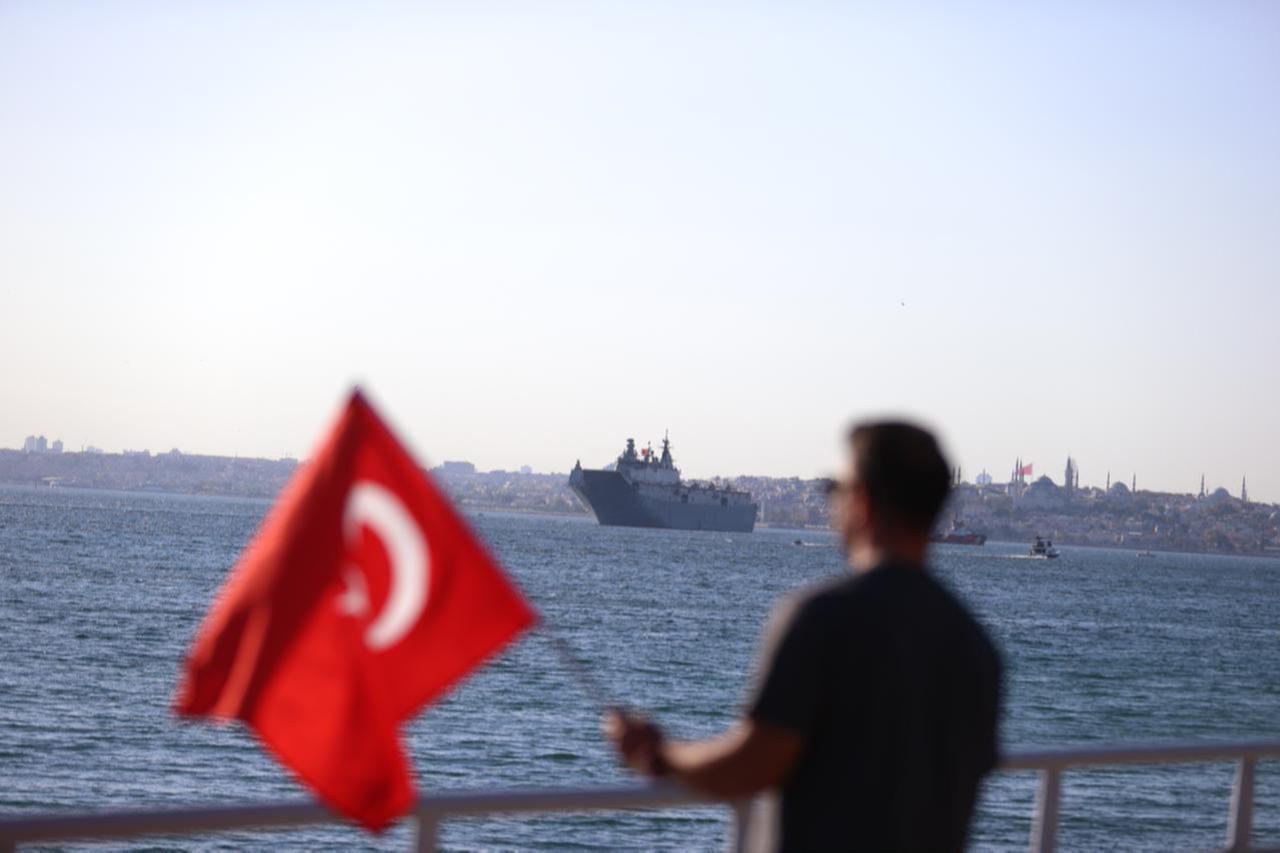
Neo-Ottomanism is rooted in land-based, territorial imagination. Türkiye’s most defining strategic doctrine today, however, is maritime and forward-looking.
The “Blue Homeland” framework prioritizes naval capacity, energy access, and legal claims at sea. It is shaped by competition over exclusive economic zones rather than by historical cartography.
The maritime delimitation deal with Libya illustrates this logic. Its purpose was to alter the Eastern Mediterranean energy balance, not to invoke Ottoman-era legacies.
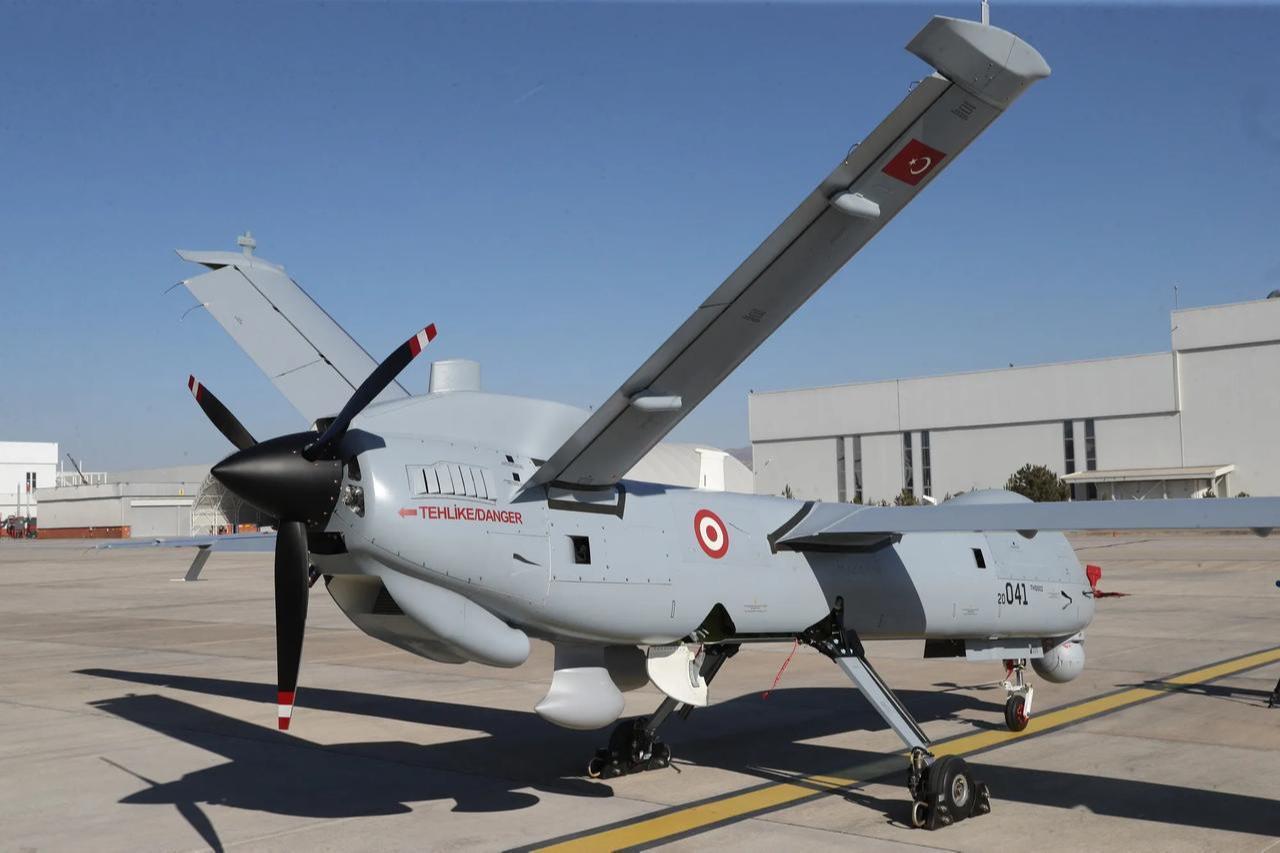
Cultural references and shared history now play a secondary and supportive role in Türkiye’s outreach. Defense production and technological capability have moved to the forefront.
Drone exports, military training, and security assistance have become key instruments of influence. These tools project competence rather than identity.
In Africa, for instance, arms deals and infrastructure cooperation outweigh historical narratives. The pattern reflects a middle power seeking durable partnerships through capacity, not symbolism or a narrative of historical points.
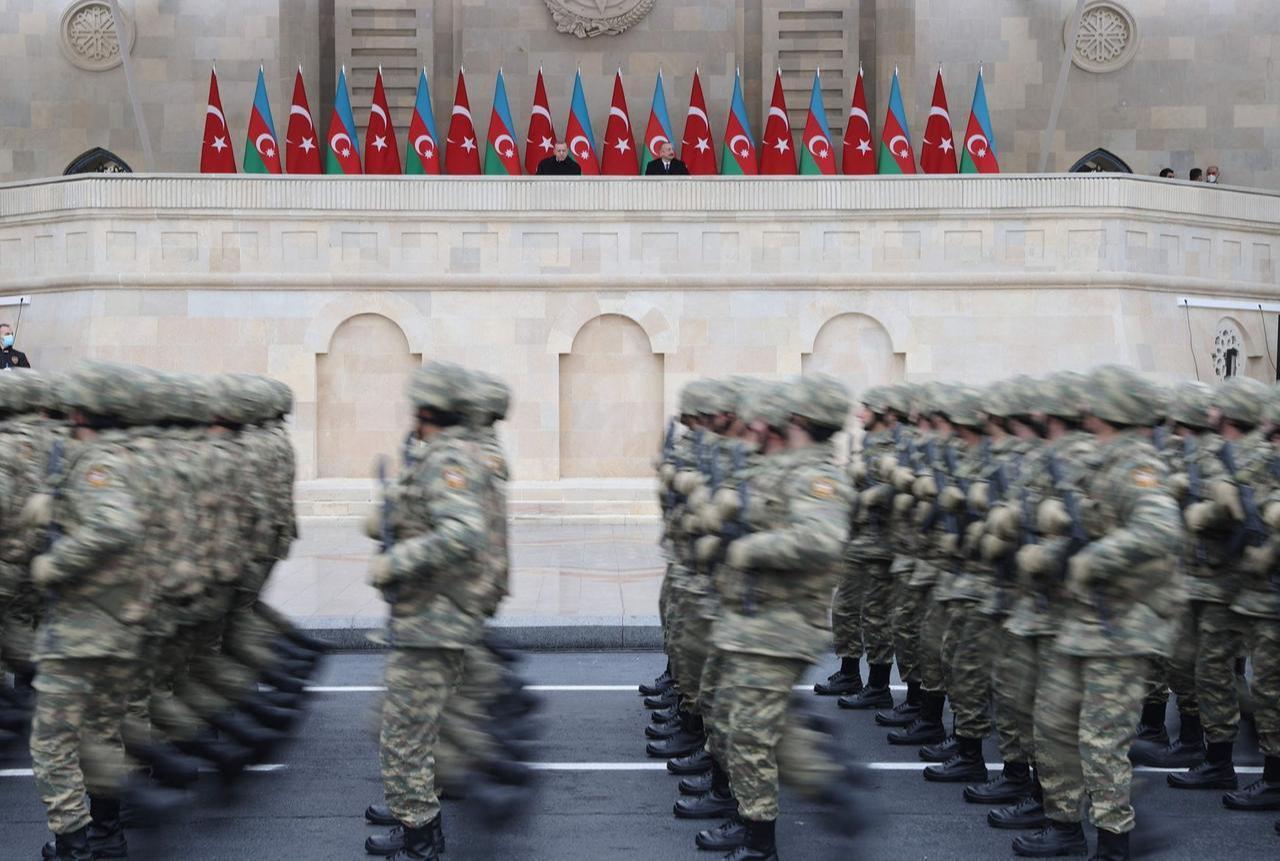
Most importantly, neo-Ottoman inspirations used to center on the Middle East and the Balkans. Türkiye’s growing focus on Central Asia challenges that framework.
The Organisation of Turkic States operates primarily as a trade and connectivity mechanism. It anchors the Middle Corridor linking Asia to Europe.
Calls for opening the Zangezur Corridor reflect logistical calculation, not romantic pan-Turkism. Domestically, a more nationalist and security-oriented language now frames these priorities.
Outdated interpretations survive because they offer easy narratives for fast-moving commentary. Hence, it is particularly common among non-academic experts who recycle familiar tropes.
Such readings, however, underestimate institutional learning and overstate ideological continuity. They also blur the distinction between rhetoric for domestic audiences and operational policy.
Thus, a more accurate account requires retiring inherited labels. Türkiye’s foreign policy today is better understood through power, pragmatism, and position-seeking than through the strategies the government used to employ in its earlier years.


 Set as preferred source
 Set as preferred source


 7 min read