Newsletters


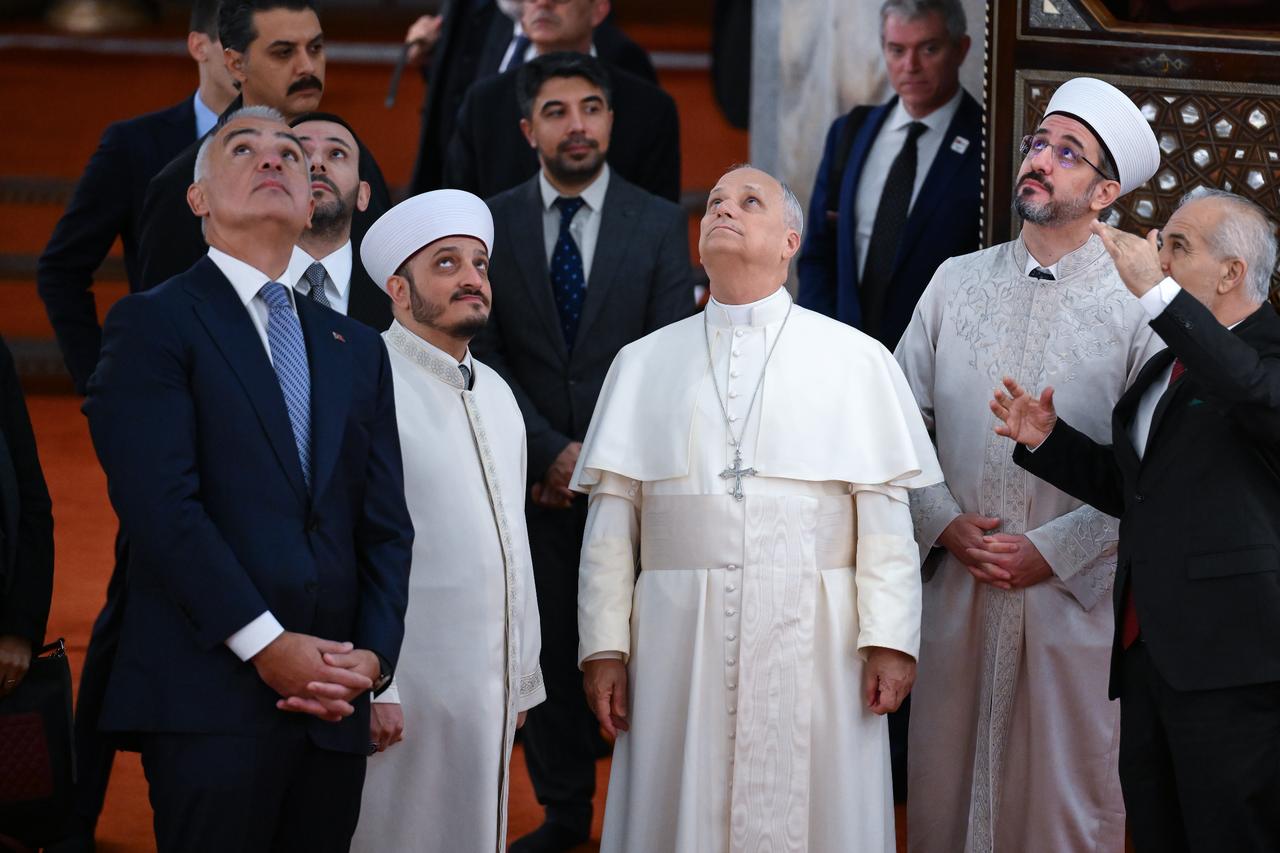


Pope Leo XIV's visit to Türkiye stands as a meeting point between the Catholic world’s historical memory and the evolving geopolitical landscape of the Middle East and Europe. The trip reflects layered motivations shaped by the distinct positions of both Ankara and the Vatican. Türkiye holds a unique place in Christian history as the site of numerous early Christian communities and landmarks, making it widely regarded as part of the Catholic world’s “sacred geography.” The tradition of papal visits began in 1967 and, with the exception of Pope Jean Paul’s brief tenure, has continued unbroken.
The political and religious significance of Türkiye was reflected in the pope’s official meetings in Ankara and in discussions with multiple faith communities in Istanbul. These engagements reinforced Türkiye’s relevance to both Vatican diplomacy and wider Christian heritage. The continuity of these visits underscores a long-standing diplomatic channel tailored around symbolism, history, and strategic outreach.
The dialogue undertaken aligns with Türkiye’s role not only as a nation-state but as a custodian of shared religious memory, adding depth to the Vatican’s relationships across the Orthodox and Protestant spheres. The visit illustrated the Vatican’s recognition of Türkiye as a pivotal actor in conversations involving faith diplomacy and regional stability.
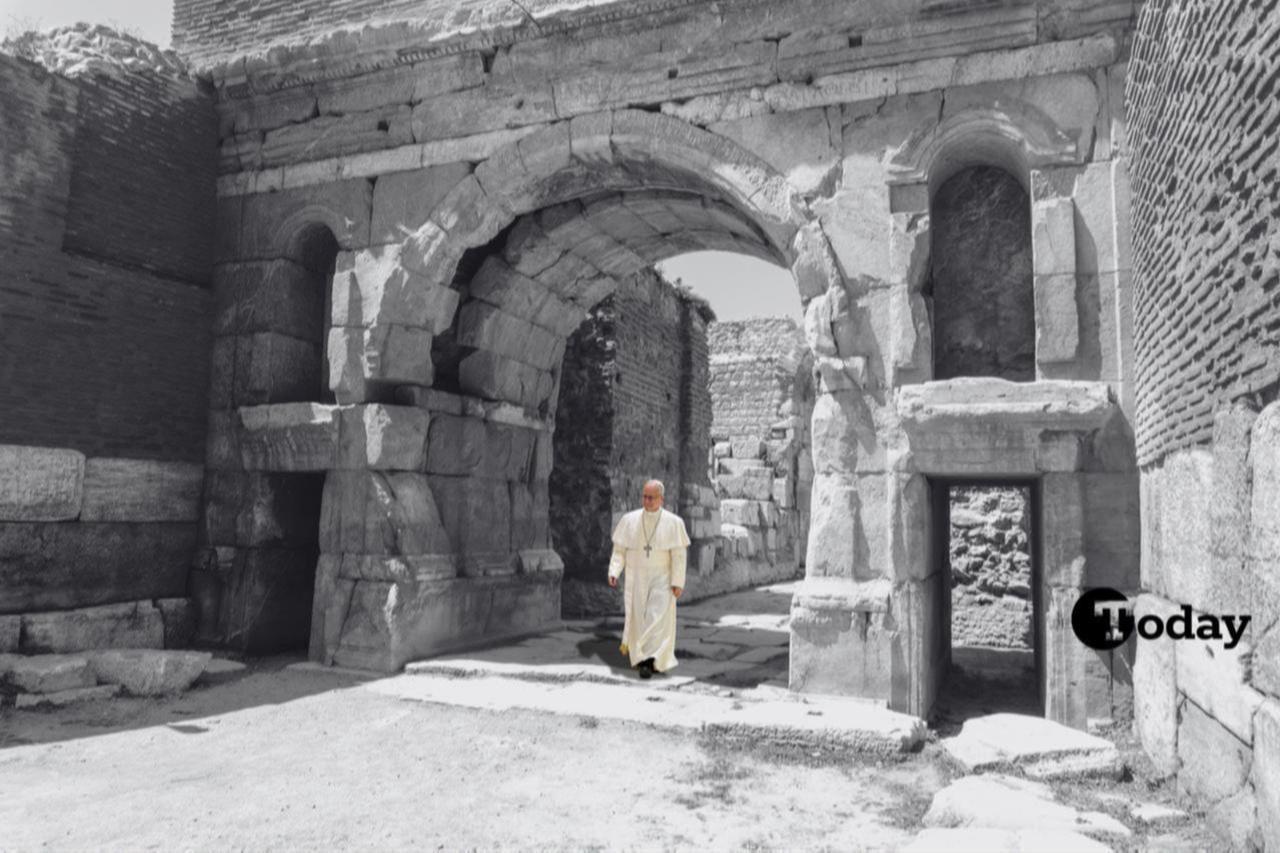

The timing was not coincidental. The visit aligned with the 1700th anniversary of the First Council of Nicaea, a defining moment in Christian theology. The milestone held particular weight due to the postponement of the earlier commemoration plan following the passing of the previous pontiff. Pope Leo fulfilled a historic responsibility long considered significant within Vatican circles.
The Council of Nicaea decisively addressed two core issues: establishing a common date for Easter and defining the nature of Jesus’ divinity as being “of the same essence” with God the Father. These debates shaped theological foundations that continue to underpin Christian doctrine worldwide.
By marking this anniversary in Türkiye, the Vatican reinforced the country’s centrality in the origins of Christian thought. The journey carried symbolic continuity but also served diplomatic ends, signaling respect for shared heritage while navigating the complex realities of modern interfaith and international relations.
The joint declaration made in Istanbul with the Ecumenical Patriarch drew speculation, with some public commentary framing it as the beginning of a Christian alliance against Türkiye. However, such claims misinterpret both historical precedent and modern church realities. Ecumenical dynamics differ sharply across traditions, particularly regarding authority. While the Catholic Church acknowledges the papacy as a universal authority, the Orthodox world does not accept this structure.
Historical tensions between the traditions have at times exceeded political disputes. The often-cited phrase attributed to the conquest era, preferring “the Turkish turban over the Latin mitre”, illustrates longstanding theological and cultural hesitation, rather than coordination. These complexities make assertions of a unified anti-Türkiye religious front incompatible with ecclesiastical history.
The joint declaration is more credibly interpreted in a regional diplomatic context, particularly given signals aimed toward Moscow. The earlier outreach during the Trump administration echoed similar tones. The fact that an American now leads the Vatican only makes such positioning more conspicuous within global diplomatic frameworks.
Remarks by President Recep Tayyip Erdogan and Pope Leo demonstrated notable alignment regarding the humanitarian and legal concerns emerging from conflicts in the Middle East. Ankara emphasized that strikes on religious sites—mosques, churches, hospitals, and schools—breach international legal norms. Specific reference to the strike on Gaza’s only Catholic place of worship underscored mutual concern for the status of holy sites.
The Vatican reiterated its longstanding position on a two-state solution as the only viable path forward and expressed its desire to maintain balanced dialogue with both Israelis and Palestinians. Multiple international news agencies assessed that Türkiye’s mediation efforts in Gaza, Ukraine, and elsewhere received explicit acknowledgment from the pontiff.
The symbolic decision to visit the Blue Mosque but not Hagia Sophia drew attention. While attributed to restoration works, some interpreted it as an implicit recognition of present-day political realities. When contrasted with the precedent of prayers inside Hagia Sophia during the 1967 visit, the decision gained added symbolic weight.
Throughout the visit, several misleading claims circulated in domestic discourse and media. Assertions that the visit was initiated by the Ecumenical Patriarch were inaccurate; the Vatican arrived on the invitation of the Turkish presidency. A technical sound check prior to an event was portrayed as a religious performance dedicated to the pope, despite being unrelated to rehearsal footage.
Claims that the visit granted new status to the Patriarchate also lacked basis. The institution’s position remains grounded in the Lausanne Treaty, without amendments. Criticism of military protocol salutes reflected either misunderstanding or intentional framing, overlooking the Pope’s official standing as a head of state under international diplomatic norms.
Such narratives indicate attempts to frame the visit through the lens of internal political competition rather than its diplomatic or historical significance. The commentary surrounding these false claims underlined the sensitivity of religion-state themes within domestic political debate.
Taken as a whole, the visit functioned simultaneously as religious engagement, symbolic recognition of shared Christian heritage, and strategic diplomacy acknowledging Türkiye’s expanding mediation profile. It reaffirmed a Vatican posture that views Ankara as relevant in managing regional crises and emphasized continuity with centuries of historical memory anchored in Anatolia.
The interplay between global church politics, geopolitical signaling, and diplomatic outreach highlighted that the visit extended far beyond the ceremony. Pope Leo’s time in Türkiye illustrated how historical narratives and present-day strategic considerations increasingly shape Vatican–Türkiye relations, with implications for Europe, the Middle East, and the international community.


 Set as preferred source
 Set as preferred source


 7 min read