Newsletters


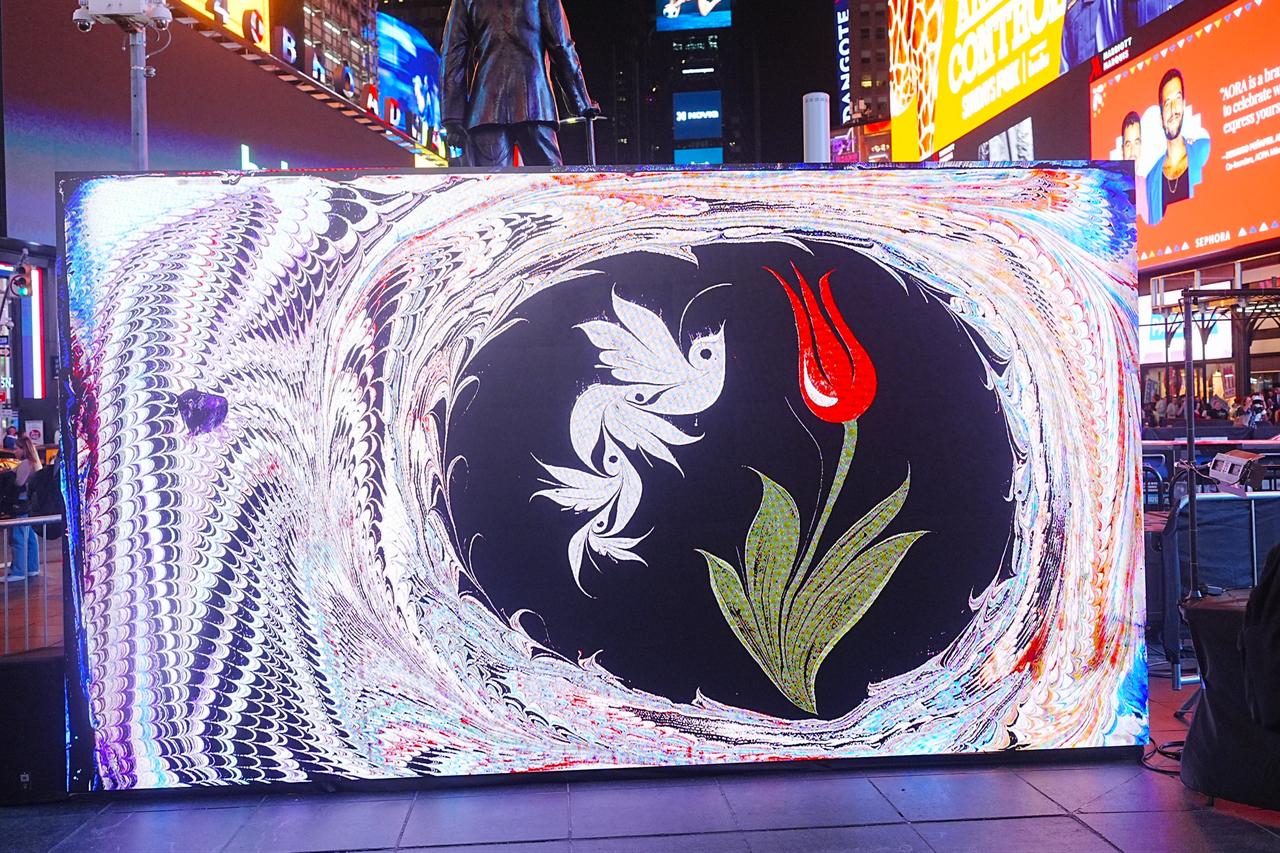


Last week, Manhattan buzzed in Turkish. In cafes, restaurants, street corners, the same greeting kept ringing out: "Abi, naber?"
Some 5,000 Turks landed in New York for U.N. week, and for a few days the city felt like a big family reunion.
Some call that insular. I call it arithmetic: a country this big grows its own ecosystem. The real problem is somewhere else. Turkish business is like a tree with a canopy that spreads across the globe but roots that never reach the soil where the rules are made.
Let's be honest: nobody really comes to speak at the U.N. General Assembly. It is more of an excuse to be in New York when everyone else, including the world’s business and thought leaders, is there.
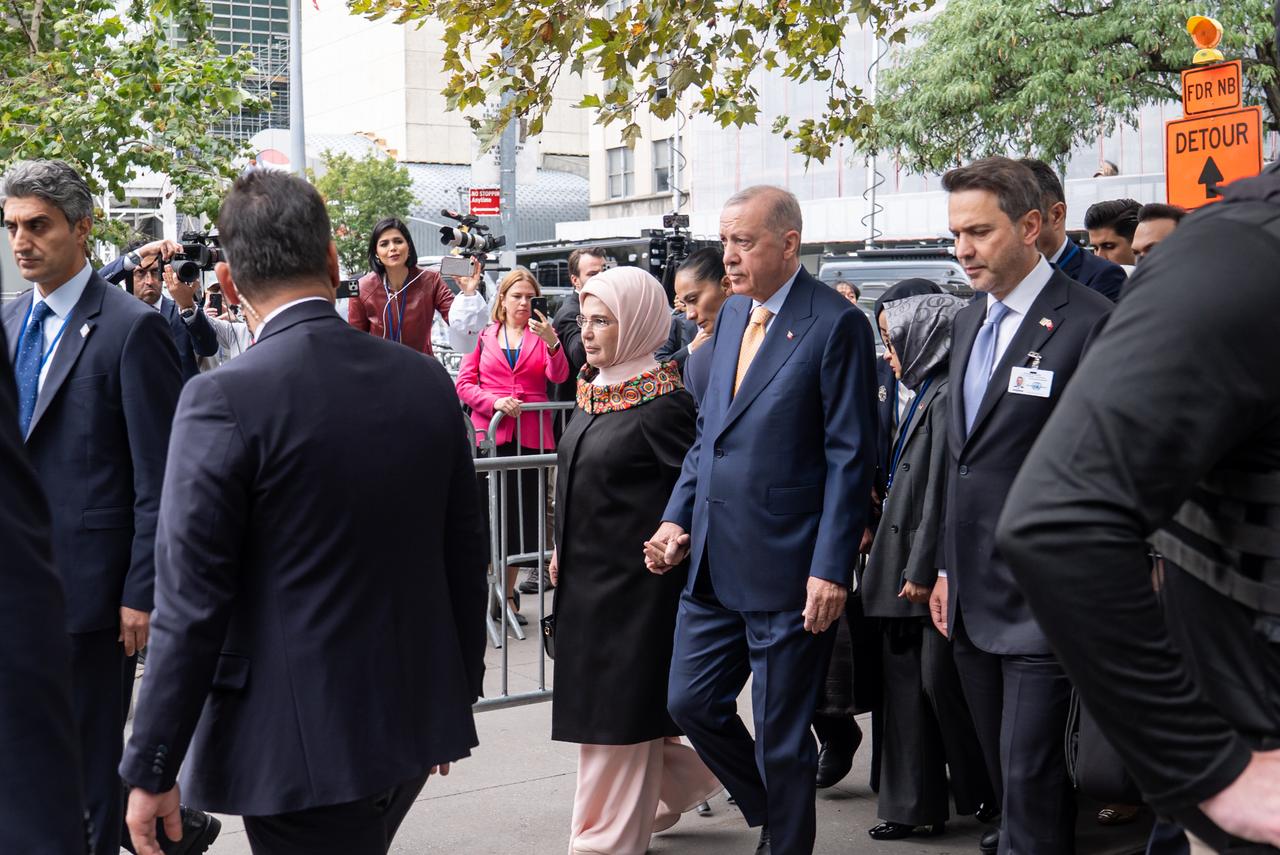
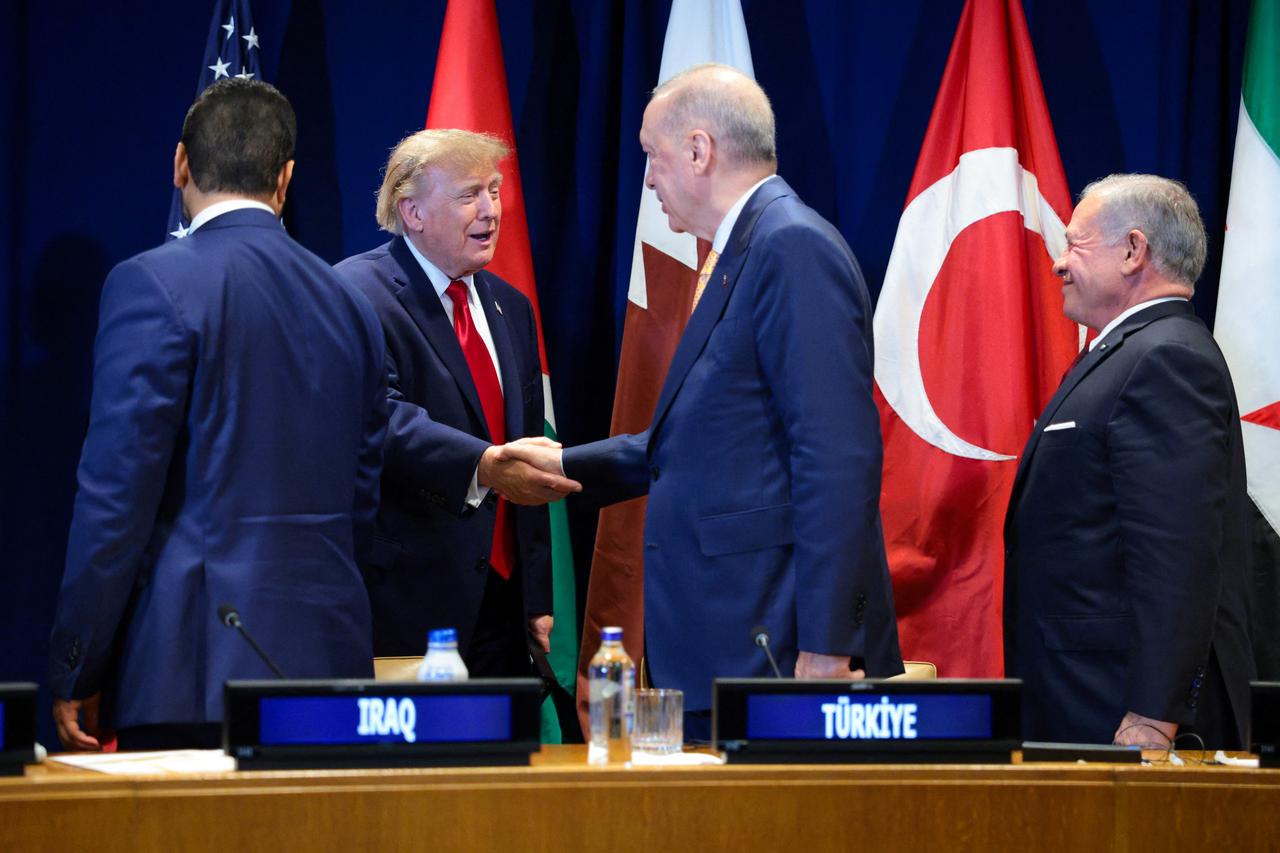
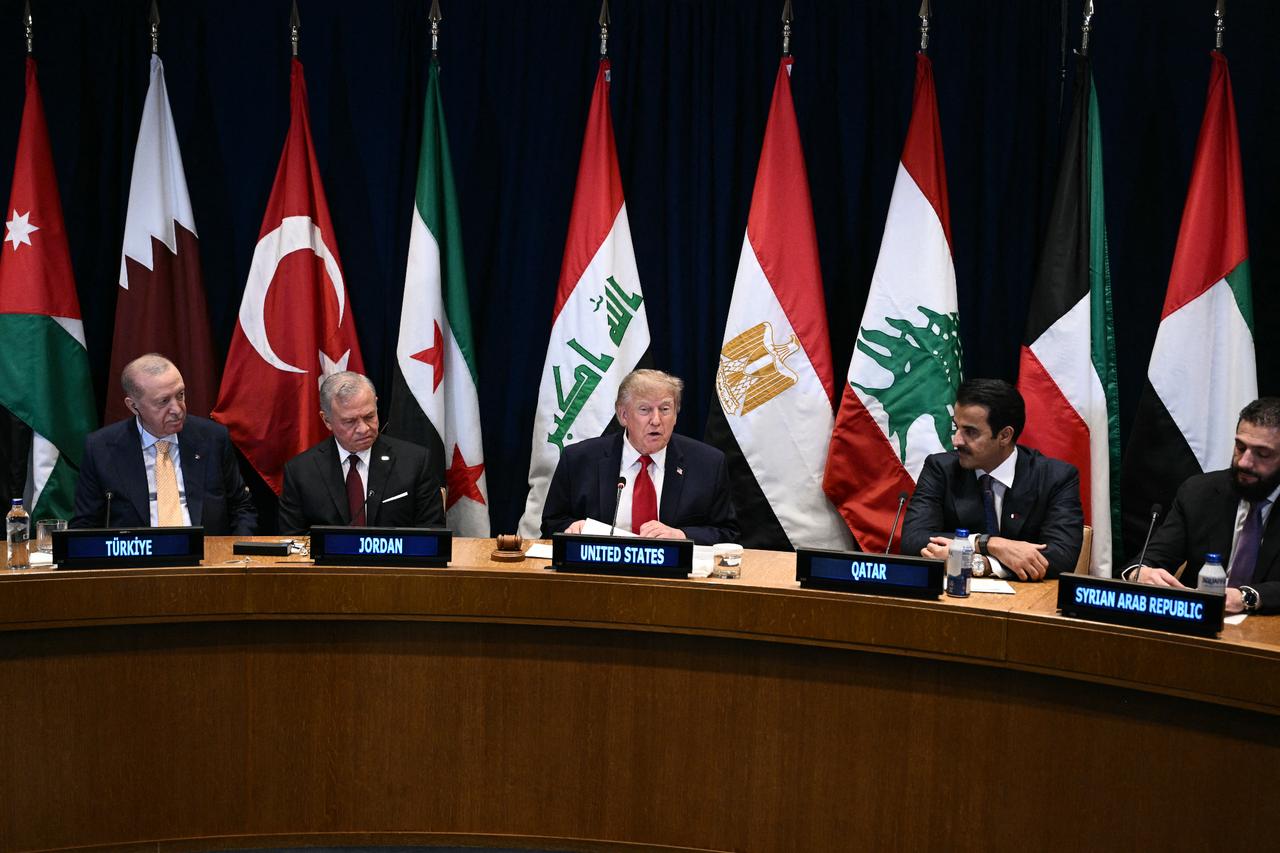
The U.N. General Assembly convenes every September, and President Recep Tayyip Erdogan usually attends alongside presidents or heads of government from at least half of the world's countries.
This year, the Turkish delegation was larger than usual. I kept bumping into friends from Türkiye on the sidewalks, so the trip doubled as a chance to catch up.
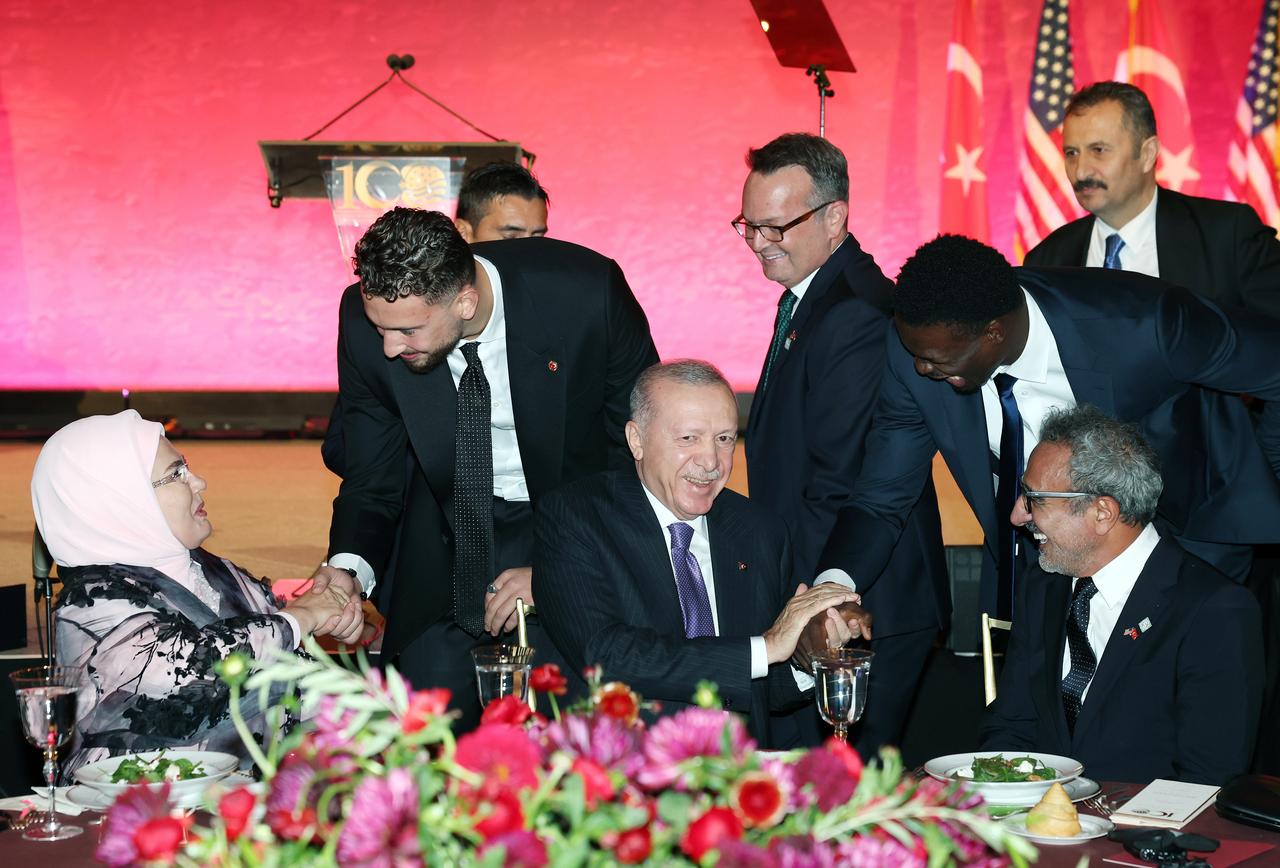
The glitziest ticket in town was the dinner Hamdi Ulukaya hosted at Cipriani to mark a century of diplomatic relations between Türkiye and the U.S. President Erdogan was at the table.
Then came the Turkish American Business Council reception at the New York Public Library, followed by the Council's investment conference, which drew many ministers and the Central Bank governor. The Global Turks summit put the diaspora and visitors from Türkiye in the same room.

Some have criticized the Türkiye-related events held in New York this week for being all Turkish. I have been involved in global engagement for the Turkish business community for 15 years, and it doesn't strike me as strange.
Large domestic markets create their own professional ecosystems, the way a big forest grows its own weather. Türkiye is large enough in itself that its culture is relatively inward-looking. Add our language barrier to that. This is why many global companies, banks, and others put Turks on their Türkiye desks, even when those desks are based abroad.
Picture Slovakia, with 5 million people, throwing an event in New York. A proportionally larger share of the room would have to be foreign.
Now picture a Mexican event, or a Brazilian one: mostly Mexicans, mostly Brazilians. Türkiye belongs with the second group. With more than 90 million Turks worldwide, a Turkish event full of Turks is not surprising. It's math.
Nor can you expect the biggest American or global names to fill the seats. Some 30 to 40 economies are at least as important as Türkiye, and that week all of them are in New York at once.
Everyone is competing for the same handful of calendars. And frankly, I usually end up talking with Turks anyway. They tend to be more interesting than the few foreigners sent along.
The least Turkish event of the week may ultimately matter most: the COP31 Business meetings, hosted by the Turkish Union of Chambers of Commerce (TOBB). (Disclosure: I am a policy adviser to COP31-Business.)
For decades, the climate change agenda has been limited to official groups and activists who have joined COPs over the years. This year, Türkiye decided to hold an official dialogue platform for global business and delegated it to TOBB. Drawing on the experience of Business 20 at G20 Antalya in 2015, TOBB built something that worked. They held a session at the opening of the Bloomberg Summit that pulled in strong international participation.
As we saw in New York City last week, Türkiye is not short of internationally active businesspeople. Turkish companies invest and export abroad, yet far fewer show up, year after year, in the networks that write the global rules. Current mechanisms are either business-oriented or limited to bilateral relationships, such as Türkiye-U.S.
Platforms such as Business 20 and COP-Business are the way in, but Turkish participation has been historically thin. This year, for clear reasons, Turkish businesses have demonstrated considerable interest in discussions on climate change. I hope it outlasts the spotlight, all the way to next year's COP in Ethiopia and the cycles after it.
Because hosting a round of COP summits matters far less than what happens when the host's banner comes down. The real test is whether Turkish companies keep showing up to the talks once Türkiye is no longer the host. That is how a tree puts down roots.


 Set as preferred source
 Set as preferred source


 2 min read
 1 min read